




Creating Safe and Inclusive Spaces for Youth
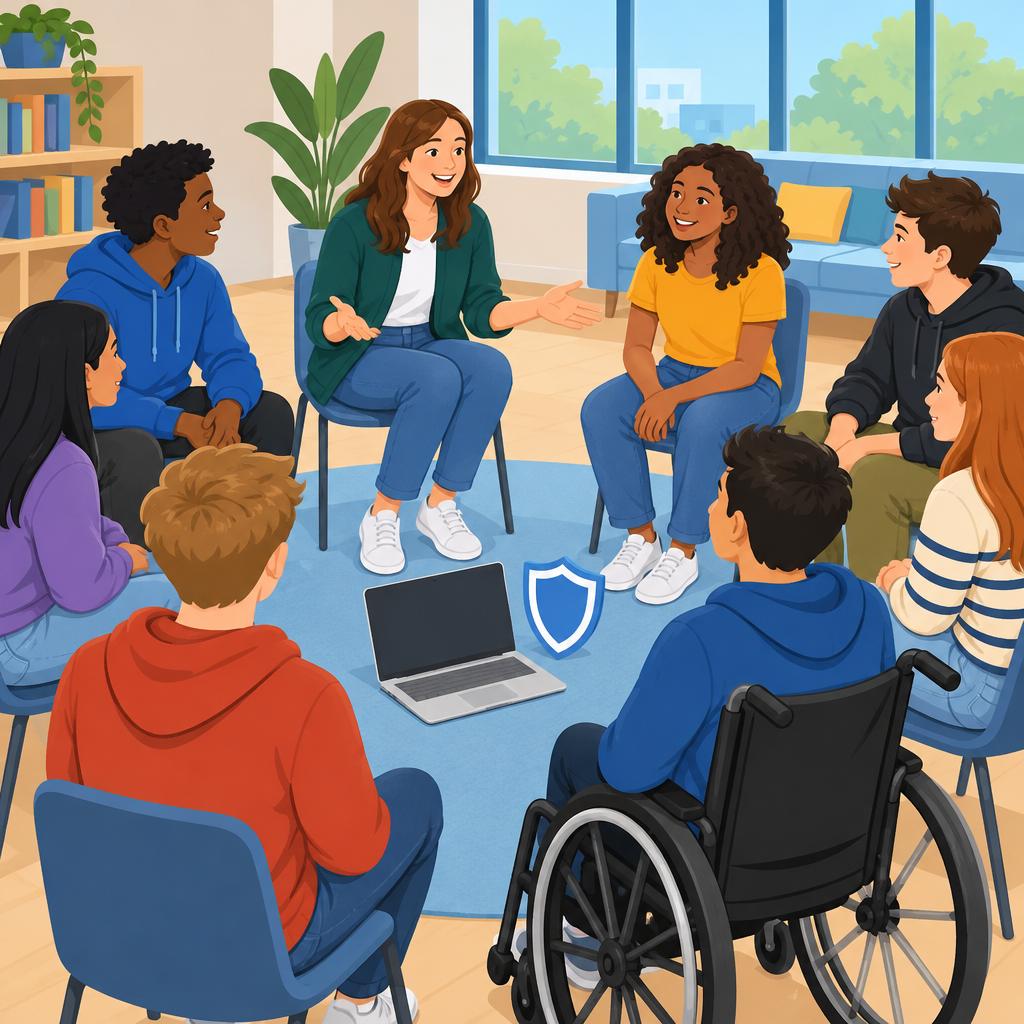
- Creating safe, inclusive spaces supports youth growth and development.
- These spaces promote mental health and overall well-being among young individuals.
- Additionally, acceptance and support help young people thrive.
- When youth feel safe and included, they express themselves more openly.
- Moreover, supportive environments build confidence, self-esteem, and social skills.
- Safe spaces provide belonging while reducing isolation and anxiety.
- Inclusive environments encourage diversity, acceptance, and community among youth.
- By creating these spaces, communities support a healthier and happier future generation.
- Therefore, investing in youth spaces supports their future success.
Understanding the Needs of Youth
Young people face challenges that can affect their daily lives.
These challenges may involve mental health concerns, peer pressure, and academic stress.
Adults can respond effectively by listening carefully to young people’s experiences.
Challenges That Young People Face
Mental health issues can develop when societal pressures increase anxiety and depression.
Meanwhile, peer pressure can encourage young people to conform to expectations.
Additionally, high expectations and limited support can create academic stress.
- Mental health issues can include anxiety and depression caused by societal pressures.
- Peer pressure can push young people toward standards established by their peers.
- Academic stress can result from high expectations and insufficient support.
The Value of Listening to Young People
Listening shows young people that adults value their opinions and experiences.
Furthermore, careful attention helps adults understand specific needs and challenges.
Open communication can strengthen trust between young people and adults.
- Listening demonstrates respect for young people’s opinions and experiences.
- Understanding their concerns helps adults identify specific needs and challenges.
- Open communication builds trust between young people and adults.
Clear Guidelines and Boundaries for Youth Spaces
Ground rules clarify expected behavior and support consistent interactions.
They give youth participants structure while protecting a respectful environment.
Clear boundaries help participants honor individual preferences and personal space.
Communicate these boundaries clearly and uphold them consistently.
Open communication allows young people to express their needs and concerns.
Feedback channels can strengthen trust and transparency within the community.
- Create rules addressing bullying, discrimination, and exclusion.
- Post the rules visibly to remind participants about expected conduct.
- Set boundaries around personal space and physical interactions.
- Emphasize mutual respect and consent during every interaction.
- Provide training and resources on conflict resolution and peer mediation.
- Equip youth with skills for peaceful conflict resolution.
- Review the guidelines regularly to assess their effectiveness.
- Invite youth participants to suggest necessary adjustments.
Learn More: Daily Life of a Youth Worker: What to Expect
Celebrating Differences Among Youth
Embracing diversity helps youth appreciate different perspectives, cultures, and experiences.
As a result, they develop understanding and respect.
They also practice open-mindedness, acceptance, empathy, and compassion with peers.
Practices That Welcome Every Young Person
Several practical steps can make youth spaces more welcoming.
These steps encourage acceptance while addressing different needs and challenges.
Furthermore, collaboration creates opportunities for young people to connect and work together.
- Organize cultural exchange events that showcase traditions and customs from various ethnic groups.
- Encourage open discussions about diversity and inclusivity among young individuals.
- Implement inclusive language and behavior policies that promote respect and participation.
- Provide resources and support for marginalized groups facing specific needs and challenges.
- Collaborate with local organizations and community leaders to connect youth from different backgrounds.
These practices help youth thrive as compassionate and empathetic individuals who value differences.
Delve into the Subject: Self-Care Strategies for Family Support Workers
Resources and Support for Youth
Supporting youth requires resources that address their mental and emotional well-being.
Young people may face mental health concerns, trauma, or social isolation.
Moreover, coordinated support helps young people cope with challenges and develop healthier lives.
The Importance of Youth Resources
Resources can help young people manage difficult experiences and strengthen their ability to cope.
Professional guidance gives youth opportunities to understand their emotions and practice healthy coping strategies.
Support networks also remind young people that others understand their experiences.
- Counseling services can help youth navigate emotions and develop healthy coping mechanisms.
- Support groups can help young people feel understood and less alone.
- Hotlines and crisis intervention services can provide essential assistance during urgent situations.
Connections to Mental Health Services
Communities can connect young people with mental health services through local partnerships.
These partnerships can expand access to free or low-cost counseling sessions for youth.
Additionally, educational workshops can explain the value of mental health care.
- Partner with local mental health providers to offer free or low-cost counseling sessions.
- Host workshops that teach young people about mental health care.
- Provide referrals to professionals who specialize in working with youth.
Support Networks for Young People
Young people also benefit from trusted adults and supportive peer relationships.
Group activities can help youth meet peers who share their interests and experiences.
Meanwhile, trained mentors can offer guidance, encouragement, and dependable support.
- Encourage youth to join groups, clubs, and activities that support friendship building.
- Train adult volunteers to mentor and guide young people.
- Create drop-in centers or online forums where youth can share experiences.
When communities provide meaningful support, young people gain opportunities to feel valued and pursue personal growth.
You Might Also Like: Probation Officer's Role in Juvenile Justice System
Fostering Open Communication
- Encourage open communication and meaningful dialogue among youth.
- Schedule regular group discussions where young people share their thoughts and feelings.
- Create a non-judgmental atmosphere that supports honest self-expression.
- Offer practical suggestions for creating spaces where youth express themselves freely.
- Encourage active listening so every participant feels heard.
- Provide anonymous suggestion boxes for participants who hesitate to speak publicly.
- Expand communication options through online forums and social media groups.
- Train youth leaders to facilitate discussions and maintain respectful interactions.
- Use icebreaker activities to reduce barriers and encourage conversation.
- Welcome diverse opinions and support healthy debates that broaden perspectives.
Gain More Insights: Techniques for Motivational Interviewing
Educating Youth About Consent and Boundaries
Consent education helps youth understand personal agency and healthy boundaries.
Transform Your Career Today
Unlock a personalized career strategy that drives real results. Get tailored advice and a roadmap designed just for you.
Start NowIt also teaches them to respect the boundaries of others.
Open communication helps youth speak up when they feel uncomfortable or violated.
- Discuss the importance of consent and healthy boundaries with youth.
- Teach youth about personal agency and respecting others’ boundaries.
- Empower youth to speak up when they feel uncomfortable or violated.
- Encourage open communication about boundaries within the space.
- Provide resources and support for those who experienced boundary violations.
Creating a Culture of Respect and Understanding
Respectful behavior helps establish trust and understanding within the space.
Clear expectations guide appropriate interactions among all community members.
Prompt responses to disrespect help protect boundaries and reinforce accountability.
- Lead by example and demonstrate respectful behavior toward others.
- Establish clear guidelines for appropriate behavior within the space.
- Encourage empathy and understanding of others’ perspectives and experiences.
- Promote inclusivity and diversity within the community.
- Address disrespect or boundary violations promptly and effectively.
Addressing Conflicts and Bullying
Conflicts and bullying can threaten a respectful environment for youth.
Staff can respond effectively by using consistent communication, support, and accountability.
These strategies help young people feel respected, heard, and protected.
Strategies for Addressing Conflicts
Conflict resolution helps youth manage disagreements before situations escalate.
Therefore, programs should teach practical skills for communication and problem-solving.
Clear expectations also help participants understand appropriate responses during disagreements.
- Encourage youth to express their feelings and concerns.
- Provide mediation and conflict resolution training.
- Teach empathy by exploring different perspectives and impacts.
- Establish clear behavior guidelines and consequences for escalation.
Strategies for Addressing Bullying
Bullying reports require prompt attention, careful investigation, and appropriate support.
Meanwhile, bystanders can help interrupt harmful behavior and encourage safer responses.
Families and caregivers can work with programs to address incidents constructively.
- Take every bullying report seriously, regardless of its apparent severity.
- Listen to reports and investigate the circumstances carefully.
- Offer counseling and support to youth who experience bullying.
- Empower bystanders to speak up when they witness bullying.
- Involve parents and caregivers when addressing bullying incidents.
Establishing a Zero-Tolerance Bullying Policy
A zero-tolerance policy communicates that bullying has no place in youth programs.
However, effective policies require clear definitions, reporting procedures, and consistent enforcement.
Support services can help both affected youth and those responsible for harmful behavior.
- Educate all stakeholders about the policy and their responsibilities.
- Define the behaviors that constitute bullying.
- Establish a confidential system for reporting incidents.
- Respond swiftly to every credible report.
- Apply appropriate consequences, including suspension or expulsion.
- Provide counseling and resources for victims and perpetrators.
Encourage Participation and Engagement
- Highlight the benefits of involving young people in decision-making and planning.
- Provide ideas that empower youth to take an active role in shaping the space.
Encouraging participation and engagement among youth supports safe and inclusive spaces.
By involving young people in decisions and planning, you empower them to share their voices.
This approach also helps young people feel heard, valued, and connected to the space.
Practical strategies can strengthen youth participation and engagement.
- Organize regular meetings where young people can share ideas and suggestions.
- Offer youth leadership roles, including event or initiative planning.
- Provide workshops on communication, leadership, and advocacy skills.
- Create an anonymous feedback system for thoughts and improvement suggestions.
- Recognize young people’s contributions through awards, shoutouts, or other acknowledgments.
These opportunities help young people develop ownership and belonging within the space.
They also encourage collaboration, inclusivity, and respect among participants.
Operational Practices for Youth Spaces
Staff can maintain orderly youth spaces by applying clear expectations consistently.
These practices support safety and respectful interactions among all participants.
Moreover, staff can invite young people to share concerns through available communication opportunities.
Such input helps the space respond to youth experiences.
Coordinated Services and Program Support
Organizations can offer counseling, mentorship, and educational workshops for youth.
Staff and volunteers need diversity, equity, and inclusion training.
Additionally, community partnerships can extend program reach and strengthen available support.
These services give young people more ways to access guidance and learning.
Youth Leadership and Community Commitment
Organizations can give youth meaningful roles in decisions affecting their shared space.
Consequently, young people can help shape programs and services.
Community members should continue prioritizing youth needs when planning supportive environments.
Through sustained action, communities can help young people thrive and succeed.
Additional Resources
Bing search results for How to Create Safe and Inclusive Spaces for Youth Social and Human Services


