




Film Directing as a Creative Profession
Film directing combines artistic vision with strong leadership.
A film director shapes the story by guiding actors and crew.
Directors interpret scripts and create compelling visual narratives.
They make crucial decisions about casting, cinematography, and editing.
This role often demands long hours and involves intense pressure.
Successful directors understand storytelling and maintain a careful eye for detail.
The Importance of Directing in Film
Directing remains a cornerstone of the film industry.
The director establishes the film’s tone and visual style.
They collaborate with screenwriters, producers, and cinematographers.
A film’s success often depends on the director’s vision.
Effective communication strengthens collaboration across the production team.
Moreover, the director’s artistry shapes audience engagement and emotional response.
These choices influence the film’s quality and marketability.
A Roadmap for Aspiring Film Directors
This guide helps aspiring film directors navigate their professional journey.
Understanding the industry landscape provides an important foundation for success.
The following sections explore skills, education, and networking strategies.
Practical experience also plays an essential role in developing a filmmaking career.
Additionally, aspiring directors should develop a distinctive directorial voice.
These insights can strengthen your professional growth in filmmaking.
With dedication, you can transform your passion into a thriving profession.
Embrace challenges and learn from every opportunity.
The journey may prove difficult, but persistence remains essential.
Prepare to turn your cinematic dreams into reality.
Understanding the Role of a Film Director
Film directors manage many responsibilities throughout the filmmaking process.
Each responsibility supports the film’s creative and practical development.
Directors balance artistic goals with logistical limits while guiding production.
Film Director Responsibilities
Directors interpret screenplays by examining character motivations, themes, and emotional arcs.
They select actors who can embody the intended creative vision.
Additionally, directors guide visual choices and coordinate different production departments.
- Script Interpretation: Directors analyze the screenplay and identify its emotional and thematic direction.
- Cast Selection: Directors audition performers and choose actors who suit the envisioned roles.
- Visual Style: Directors collaborate with cinematographers on camera angles, lighting, and visual aesthetics.
- Production Coordination: Directors align production design, costumes, makeup, and other departments.
- Directing Actors: Directors communicate clearly and help performers develop their strongest performances.
- Editing Oversight: Directors work with editors to shape pacing, clarity, and the final cut.
Effective directors oversee every major aspect of production.
They also create a collaborative environment that encourages creativity and enthusiasm.
Careful coordination helps the entire team pursue a unified result.
Vision and Storytelling in Film Direction
A strong artistic vision guides the director’s storytelling choices.
This vision influences the crew and shapes how audiences experience the film.
Moreover, purposeful storytelling gives each creative decision greater meaning.
- Unique Perspective: A distinct viewpoint adds richness and helps make films memorable.
- Emotional Connection: Directors shape audience feelings through deliberate storytelling choices.
- Theme Exploration: Directors examine central themes to give the story greater depth.
- Character Development: Directors help actors explore complex character motivations and experiences.
- Visual Storytelling: Directors transform written scenes into images that communicate narrative meaning.
- Audience Engagement: Directors develop narratives that connect with viewers and sustain their interest.
Vision directs the film’s focus and intention.
Each frame can establish a specific atmosphere for the audience.
Consequently, visual choices affect how viewers interpret the story.
Leadership Within the Film Crew
Directors lead the crew through demanding creative and practical challenges.
They motivate team members while maintaining focus during production.
Transform Your Career Today
Unlock a personalized career strategy that drives real results. Get tailored advice and a roadmap designed just for you.
Start NowStrong leadership builds trust, respect, and cooperation across departments.
- Collaboration: Directors invite contributions from different departments to strengthen the film.
- Conflict Resolution: Directors address disputes and keep production moving smoothly.
- Decision Making: Directors assess changing situations and select appropriate responses quickly.
- Delegation: Directors assign responsibilities to skilled crew members and support their work.
- Communication: Directors explain their vision clearly and reduce misunderstandings.
- Encouragement: Directors recognize progress and maintain morale during long working hours.
Valued teams often produce their strongest work.
Their collaborative spirit can influence the quality of the finished film.
By developing responsibility, vision, and leadership, aspiring directors can advance in cinema.
Educational Pathways
A strong educational foundation helps aspiring directors develop essential filmmaking skills.
Several academic programs can strengthen your understanding of storytelling and production.
Meanwhile, practical training allows you to apply classroom knowledge during real projects.
Overview of Relevant Degrees and Courses
Film studies, fine arts, and theater courses offer valuable preparation for directing.
Each pathway develops different abilities that support creative decision-making.
Together, these subjects can broaden your artistic perspective and technical confidence.
Film Studies
A film studies degree provides detailed knowledge of film history and theory.
You analyze genres, styles, and cinematic language through focused coursework.
Additionally, classes often address screenwriting, editing, and production techniques.
This background can sharpen your vision and support stronger directorial choices.
Fine Arts
Fine arts programs encourage creative expression through visual arts, design, and multimedia.
These disciplines can improve your artistic sensibility and visual awareness.
Moreover, fine arts training strengthens your understanding of aesthetics.
That foundation helps you make informed decisions about visual storytelling.
Theater Courses
Theater courses provide practical knowledge about acting and stage direction.
Understanding actors’ perspectives can improve communication during creative work.
Stagecraft classes introduce lighting, sound, and set design.
Furthermore, theater participation can strengthen collaboration and team leadership.
Workshops and Seminars for Skill Development
Workshops and seminars provide focused learning experiences for aspiring directors.
Participants can refine specific skills while learning from industry professionals.
These programs also expose filmmakers to different storytelling methods.
- Participants can network with fellow filmmakers and industry experts.
- They can study current filmmaking techniques and trends.
- Hands-on sessions develop skills in directing, editing, or cinematography.
- Experienced professionals can provide useful feedback on creative work.
- Diverse perspectives can expand approaches to storytelling.
Workshops often lead to collaborative projects with other creative professionals.
Consequently, participants can enrich their projects through shared ideas and abilities.
Many seminars also address shooting techniques and post-production processes.
Practical Experience in Film Production
Classroom learning cannot replace direct experience on film sets.
Practical involvement helps aspiring directors develop judgment, confidence, and adaptability.
Seek opportunities that expose you to several stages of production.
- Internships at production companies or studios provide valuable insight.
- Volunteering on student films builds practical skills.
- Assisting established directors reveals production methods and challenges.
- Local theater productions can strengthen your directing abilities.
- Creating short films allows you to practice your creative vision.
Working with local filmmakers can expand your learning opportunities.
Collaboration provides practical insight into directing dynamics and production responsibilities.
Explore every stage, from script development through post-production.
This broad approach prepares you for filmmaking’s varied demands.
Additionally, observe experienced directors whenever possible.
Each set experience can teach collaboration, leadership, and problem-solving.
Pay attention to how directors communicate with actors and crew.
You can also study their decisions during challenging situations.
Such engagement gradually builds confidence and competence.
Transform Your Career Today
Unlock a personalized career strategy that drives real results. Get tailored advice and a roadmap designed just for you.
Start NowAs you gain experience, build a personal portfolio of your work.
Documenting projects helps you present your abilities to collaborators and employers.
Include completed films, scripts, and other relevant creative work.
Your portfolio should demonstrate versatility, creativity, and a distinctive directorial voice.
Film festivals can further support your development and professional exposure.
Submitting work to competitions helps you evaluate your skills against other filmmakers.
Festivals also create opportunities to meet industry professionals and film enthusiasts.
Use these events to continue networking and learning.
Your educational journey requires dedication, commitment, and consistent practice.
Degrees can establish knowledge, while workshops provide focused training and useful connections.
Most importantly, real production experience accelerates your growth as a director.
Gain More Insights: Corporate Communication Training: Measuring Success
Developing Filmmaking Skills
Successful directors develop creative and technical skills to bring stories to life.
These skills help directors plan, communicate, and shape each stage of production.
Practical experience allows directors to apply these abilities with greater confidence.
Storyboarding and Script Analysis
Directors must analyze scripts carefully before production begins.
They interpret themes, character arcs, dialogue, emotional beats, and intended messages.
They also translate written scenes into visual sequences for the crew.
- Understanding the Script: A director must analyze the script in depth.
- They interpret themes, character arcs, dialogue, emotional beats, and intended messages.
- Visualizing Scenes: Storyboarding transforms written scenes into visual sequences.
- It helps directors plan camera angles, movement, and composition.
- Clear storyboards communicate the director’s vision to the crew.
- Collaboration with Writers: Directors often work closely with screenwriters.
- Sharing insights and feedback can improve the script and preserve its original vision.
- This collaboration can also encourage script improvements and creative innovations.
- Pre-visualization Techniques: Pre-visualization tools can simulate complicated scenes.
- These tools provide a roadmap for special effects and complex shots.
- They also help directors allocate time and resources efficiently.
Cinematic Techniques and Aesthetics
Directors use cinematic language to communicate meaning through images and sound.
They shape each scene through composition, color, performance, symbolism, and sound.
These choices help audiences connect with a film’s themes and emotions.
- Understanding Film Language: Directors must understand cinematic language fundamentals.
- Mise-en-scene, shot composition, and color theory support powerful storytelling.
- Directing Actors: Directors must communicate clearly with actors.
- They inspire performances that express the required emotions.
- Clear direction helps actors deliver compelling portrayals.
- Symbolism and Themes: Directors can weave symbolism into their work.
- Recurring motifs can strengthen a film’s thematic depth.
- This approach encourages audiences to engage with the story deeply.
- Sound Design and Music Integration: Sound can strengthen visual storytelling.
- Directors integrate sound design and music into the narrative.
- This understanding enriches the audience’s experience.
Technical Skills
Technical knowledge strengthens a director’s ability to make informed production choices.
Directors do not need to perform every technical task themselves.
However, they should understand how technical decisions affect the final film.
Camera Operations
Camera knowledge helps directors create consistent and purposeful visual styles.
It also helps them communicate effectively with camera crews.
Directors should understand how equipment and composition support the narrative.
- Types of Cameras: Directors should become familiar with various camera types.
- Understanding their advantages and limitations helps directors achieve distinct visual styles.
- DSLR, mirrorless, and cinema cameras offer different production options.
- Framing and Composition: Directors should frame shots creatively.
- The rule of thirds, leading lines, and depth can improve visual storytelling.
- Every shot should support the narrative.
- Camera Movement: Directors must identify when to use camera movement.
- Pans, tilts, dolly shots, and handheld filming create different effects.
- Movement choices can influence the audience’s perception.
- Lens Selection: Different lenses produce different visual effects.
- Focal lengths influence depth of field and perspective.
- The right lens can enhance the storytelling process.
Editing and Post-Production Fundamentals
Post-production knowledge helps directors shape the film after shooting ends.
Directors use editing, visual effects, and sound to refine the narrative.
Strong communication remains essential throughout this stage.
- Editing Basics: Directors should understand basic editing concepts.
- Pacing, transitions, and rhythm shape the narrative flow.
- This knowledge supports a seamless storytelling experience.
- Collaborating with Editors: Directors should build strong partnerships with editors.
- The director’s vision guides the editing process.
- Clear communication remains essential during editing.
- Visual Effects Skills: Directors benefit from understanding visual effects software.
- They may not create effects, but their knowledge informs filming decisions.
- This understanding helps maximize the potential of engaging visuals.
- Sound Editing and Mixing: Sound holds equal importance with visuals.
- Sound editing knowledge helps audio complement the visuals.
- A well-mixed soundtrack can strengthen a film’s impact.
Practice Through Short Films and Projects
Hands-on experience helps directors develop practical filmmaking skills.
Short films provide manageable opportunities to test storytelling and visual techniques.
Each completed project can strengthen a director’s portfolio.
- Start Small: Short films help directors develop their craft.
- Manageable projects encourage experimentation with storytelling techniques and visual styles.
- They provide a practical space for creative exploration.
- Film Competitions and Festivals: Film competitions can provide valuable exposure.
- Festivals often showcase emerging talent and create networking opportunities.
- Engaging with the film community supports creative and professional development.
- Constructive Feedback: Directors can share projects with peers for feedback.
- Critiques can improve future work and reveal overlooked weaknesses.
- Constructive criticism can strengthen a director’s vision.
- Building a Portfolio: Every completed project contributes to a director’s portfolio.
- A diverse collection of films can demonstrate range and versatility.
- A strong portfolio can help attract future work.
See Related Content: How to Edit Content for Different Audiences
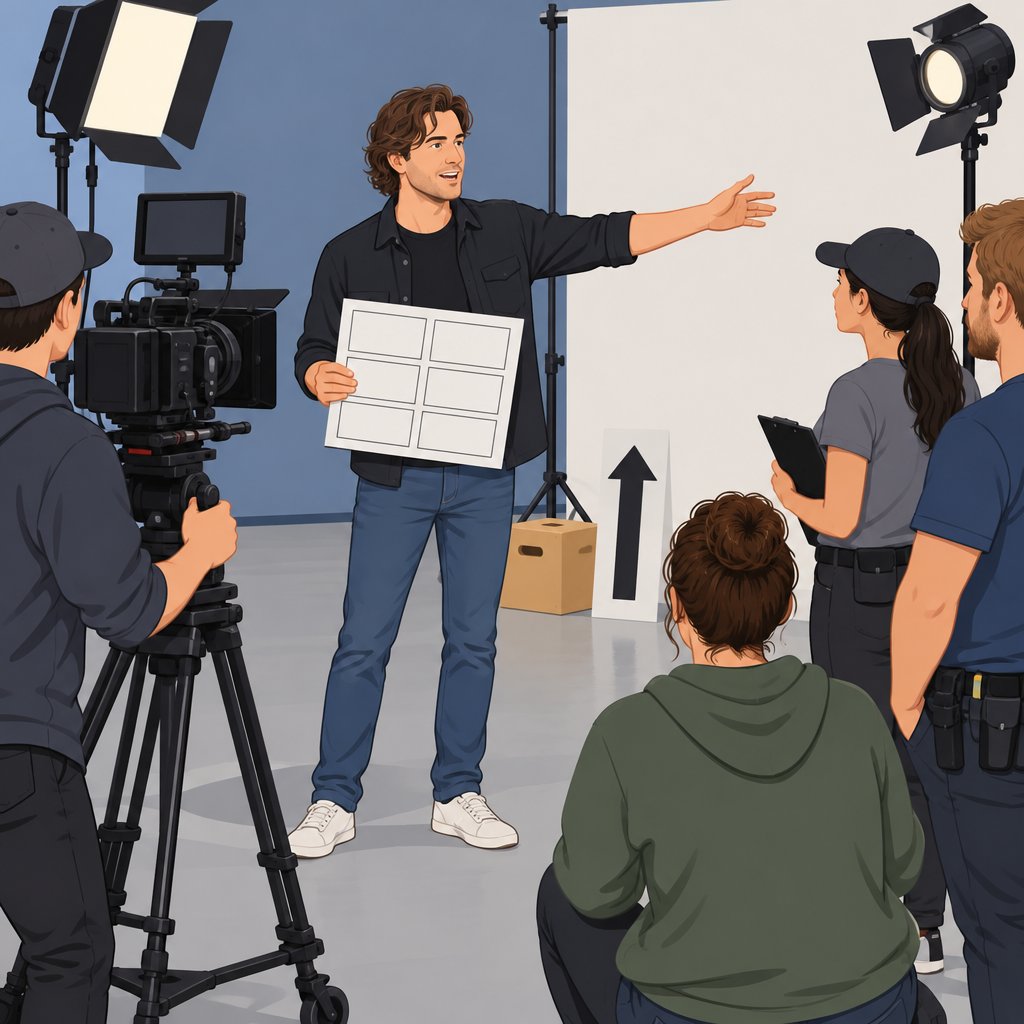
Building a Portfolio
A portfolio presents your abilities through selected filmmaking projects.
It can reveal your creative interests, practical range, and commitment to storytelling.
Careful selection helps potential collaborators understand the value you bring to productions.
Importance of a Diverse Body of Work
A diverse portfolio demonstrates your range and creativity.
It showcases your ability to handle different genres and styles.
Moreover, this variety can attract collaborators and funding opportunities.
Transform Your Career Today
Unlock a personalized career strategy that drives real results. Get tailored advice and a roadmap designed just for you.
Start NowIt also highlights your adaptability when circumstances change unexpectedly.
Potential employers often seek directors who can thrive in varied environments.
Therefore, a rich collection of projects can make your work memorable.
Strategies for Creating a Compelling Portfolio
Independent productions allow you to express your vision without commercial constraints.
Collaborative projects add different perspectives and techniques to your experience.
Meanwhile, film festivals can help you present finished work to wider professional audiences.
Use each opportunity to demonstrate purposeful choices and authentic storytelling.
Independent Films
Independent films provide an excellent opportunity to showcase your vision.
They allow you to explore distinctive stories without commercial constraints.
Choose projects that matter personally because authenticity can resonate with audiences.
Additionally, independent films can gain recognition at prestigious festivals.
That recognition can increase your visibility as a director.
Consider these approaches when developing independent projects.
- Choose compelling scripts that challenge conventional expectations.
- Work with talented writers and actors to strengthen the narrative.
- Invest time in pre-production planning to refine your vision.
Collaborations with Fellow Filmmakers
Collaboration can lead to unexpected creative results.
Working with other filmmakers can enrich your experience.
These partnerships can introduce new techniques and perspectives.
Seek collaborators who share your creative vision.
Together, you can create projects that present your combined talents.
Use these strategies to support effective collaboration.
- Network at industry events and local film schools.
- Engage with filmmakers through social media platforms.
- Join local filmmakers’ groups or collective initiatives.
Using Film Festivals to Showcase Work
Film festivals provide valuable venues for gaining exposure.
They attract industry professionals, critics, and audiences.
Participating in festivals can strengthen your credibility as a filmmaker.
Successful screenings may lead to distribution deals or future funding.
Follow these steps to make your festival experience more effective.
- Research festivals that align with your film’s theme.
- Track submission deadlines and review each festival’s requirements.
- Prepare a strong submission with an engaging synopsis and trailer.
Build your portfolio through thoughtful planning and consistent creative effort.
Balance independent films with collaborative projects to demonstrate your range.
Use film festivals to present your work and expand professional visibility.
Your portfolio can reflect both your skills and your passion for storytelling.
You Might Also Like: How Media Planners Choose Advertising Channels
Networking and Industry Connections
Networking serves as a fundamental pillar in the film industry.
Strong relationships can provide access to funding, talent, and resources for your projects.
Furthermore, industry connections can create collaborations that strengthen your creative vision.
Importance of Networking in the Film Industry
Your success often depends on the professional relationships you develop.
These connections can reveal industry trends, career opportunities, and valuable professional insights.
Additionally, personal recommendations can strengthen your credibility as a filmmaker.
Strategies for Building Relationships
Building industry relationships requires intentional strategies and persistent effort.
Therefore, consider these practical methods for expanding your professional network.
- Attending Industry Events and Festivals: Attend festivals, screenings, and workshops to meet filmmakers, producers, and talent.
- Joining Filmmaking Organizations: Join filmmaking organizations to access events, workshops, discussions, and collaboration opportunities.
- Utilizing Social Media: Share your work and engage constructively with professionals on LinkedIn, Twitter, and Instagram.
- Creating Your Own Projects: Produce short films, web series, or documentaries to collaborate with other industry professionals.
- Volunteering on Set: Volunteer on film sets to gain experience and develop relationships with professionals.
- Educational Opportunities: Attend film workshops, classes, and seminars to meet people who share your interests.
- Informational Interviews: Contact established directors and professionals to learn from their industry experiences.
Collaborating with Writers, Producers, and Other Directors
Collaboration remains essential because each contributor brings different perspectives and skills.
Writers help shape compelling narratives that align with your creative vision.
Open communication can help you develop scripts that connect with audiences.
Transform Your Career Today
Unlock a personalized career strategy that drives real results. Get tailored advice and a roadmap designed just for you.
Start NowProducers manage resources, schedules, budgets, and many practical demands during production.
Building trust with producers can make the development process more efficient.
Meanwhile, fellow directors can share techniques, creative ideas, and professional support.
Regular communication and authentic support help sustain meaningful industry relationships.
Sustaining Industry Relationships
Networking can help aspiring directors access opportunities and creative partnerships.
Attend events, join organizations, and use social media to expand your connections.
Support other professionals while remaining open to collaboration and shared opportunities.
Discover More: Media Relations Specialist: Essential Reading List
Gaining Experience and Starting Out
Starting a film career requires practical experience in several entry-level positions.
These roles provide valuable hands-on experience and help you build a professional network.
Furthermore, early responsibilities introduce you to many aspects of film production.
Entry-Level Positions in the Film Industry
Entry-level positions create a foundation for future directing opportunities.
They also help you understand production workflows from different perspectives.
Consequently, each role can strengthen your confidence and professional relationships.
Assistant Director
An assistant director, or AD, plays a vital role in film production.
ADs help directors manage the set and coordinate daily activities.
This position offers valuable insight into directorial responsibilities.
Working as an AD lets you observe directors closely.
You learn about scheduling and shot composition through direct experience.
ADs also coordinate communication between departments.
As a result, this experience strengthens your organizational skills.
It also prepares you for future leadership roles in film.
Production Assistant
A production assistant, or PA, supports the crew during filming.
The role remains varied, demanding, and fast-paced.
PAs perform numerous tasks that help production run smoothly.
For example, you might set up equipment or handle paperwork.
This position exposes you to many aspects of production.
You gain practical knowledge about the filming process.
Additionally, PAs can network with experienced industry professionals.
Those relationships may create future opportunities.
Learning from Established Directors
Established directors can provide valuable examples for aspiring filmmakers.
Watch their work carefully to identify practical directing choices.
Attend film festivals and screenings whenever possible.
Meanwhile, analyze experienced directors’ styles, pacing, and storytelling techniques.
Take notes about the choices that shape each film.
Direct conversations can also deepen your understanding.
Reach out to directors when seeking mentorship opportunities.
Many directors enjoy sharing their professional experiences.
They can explain how they approach creative and industry challenges.
Ask questions about their creative processes and career paths.
Transform Your Career Today
Unlock a personalized career strategy that drives real results. Get tailored advice and a roadmap designed just for you.
Start NowOnline interviews and workshops can offer additional perspectives.
Film classes and workshops provide another way to learn.
Many institutions host programs led by talented filmmakers.
Participating in these programs can improve your skills.
You also receive feedback that can guide your development.
Study the film industry’s evolution to recognize changing styles.
Research famous directors and examine their filmographies.
Their creative choices have influenced the development of film.
Books, documentaries, and lectures can further enrich your knowledge.
Apply useful lessons to your own work as you grow.
Internships and Mentorship Opportunities
Relevant internships provide hands-on experience and real-world insight.
Many film schools require internships within their curricula.
Seek placements with production companies or studios.
These experiences strengthen your qualifications and professional readiness.
Choose internships that match your interests and career goals.
Editing, production, and directing positions can all provide valuable experience.
Working on different sets helps you understand various responsibilities.
That understanding can support you throughout your career.
Mentorship also plays an important role in a director’s development.
Build a relationship with someone who has industry experience.
A strong mentor provides guidance, encouragement, and practical support.
They can help you navigate challenges that arise.
Seek mentors through networking events and film festivals.
Joining film organizations can connect you with experienced professionals.
Online filmmaking communities may also offer mentorship opportunities.
Document your learning experiences and reflect on them regularly.
Keep a journal that records your insights and progress.
This practice helps you track growth and refine your skills.
Continue learning even after you establish your directing career.
Workshops and training sessions can keep your knowledge current.
The film industry changes constantly, so directors must adapt.
Staying informed about industry trends helps keep your work relevant.
Entry-level roles can establish a strong foundation for directing.
Learning from experienced directors can expand your creative perspective.
Internships and mentorship can further strengthen your skills and connections.
With dedication and continued learning, you can progress toward your directing goals.
Creating Your Unique Directing Style
Developing a unique directing style requires ongoing reflection, study, and creative practice.
Your voice should evolve while preserving your core values.
Meanwhile, dedication and passion can guide your creative growth.
Finding and Refining Your Directorial Voice
A unique directing style distinguishes you from other directors in the film industry.
Transform Your Career Today
Unlock a personalized career strategy that drives real results. Get tailored advice and a roadmap designed just for you.
Start NowAdditionally, a strong voice can attract attention and build a dedicated audience.
Your style shapes how audiences experience stories through your creative perspective.
Several qualities make refining your voice especially valuable.
- Authenticity: Genuine expressions help audiences connect deeply with your storytelling.
- Consistency: A defined style creates expectations and helps viewers recognize your work.
- Impact: A unique voice strengthens storytelling and makes films more memorable.
- Innovation: Personal style encourages creativity, experimentation, and fresh approaches.
- Collaboration: A clear vision can attract writers, producers, and actors who understand your style.
Studying Influential Directors and Films
Studying influential directors exposes you to varied styles and filmmaking techniques.
By analyzing their films, you can identify creative choices that resonate with you.
This process can help shape your own directing perspective.
Consider several useful approaches when studying directors and films.
- Learn techniques: Observe how directors shape stories, visuals, camera angles, and pacing.
- Analyze themes: Identify recurring themes and consider how they express each director’s worldview.
- Understand storytelling: Examine narrative structures, tension, conflict, and resolution.
- Explore different genres: Study diverse genres and challenge yourself to appreciate their differences.
- Identify inspirations: Recognize the directors who influence your developing creative vision.
Developing a Personal Brand in the Industry
A personal brand helps emerging directors establish a presence in a competitive environment.
Furthermore, a strong brand communicates your style and values to collaborators and audiences.
Clear branding can make your creative direction easier to understand.
Use the following steps to strengthen your professional identity.
- Define your vision: Identify the messages and themes you want to convey.
- Build an online presence: Use social media and a professional website to showcase your work.
- Network strategically: Connect with industry professionals and attend relevant filmmaking events.
- Create standout projects: Produce short films or documentaries that reflect your directing style.
- Gather feedback: Request critiques and use constructive comments to improve your work.
- Maintain consistency: Let each project reflect the personal brand you want audiences to recognize.
As you navigate filmmaking, let your unique style guide your creative decisions.
Create films that resonate with audiences on multiple levels.
Continue learning and adapting as your directorial voice develops.
With dedication and passion, you can leave your mark on the industry.
Steps Toward Directing Success
Successful directors deepen their film knowledge by studying genres, styles, and storytelling.
They also practice through short projects and collaborate with other filmmakers.
Meanwhile, they build professional relationships with writers, actors, producers, and industry professionals.
Film festivals and workshops create opportunities to meet experienced professionals.
Social media can help directors present their work to wider audiences.
Furthermore, books, online courses, and film analysis support continuing development.
Directors can study classic and contemporary films while tracking new technologies and industry trends.
Persistence and Creative Confidence
Every successful director begins with an initial opportunity to learn and create.
Therefore, aspiring directors can treat challenges as opportunities for growth.
Rejection can strengthen persistence, resilience, and craft.
At the same time, directors should protect their distinct vision and voice.
Authentic creative choices can connect with audiences and industry professionals.
Adaptation and Lifelong Learning
Film production continues to change through new technologies and narratives.
Directors can treat those changes as opportunities to innovate.
Adaptability helps filmmakers remain responsive to a changing industry.
Moreover, workshops, festivals, and seminars encourage lifelong learning.
Collaboration with diverse talents can introduce fresh perspectives.
Directors can keep improving by pushing creative boundaries with passion and dedication.
Open-mindedness can support continued progress in filmmaking.
Additional Resources
Google search results for How to Become a Successful Film Director Media and Communication
Bing search results for How to Become a Successful Film Director Media and Communication


