




Media Relations Specialist Responsibilities
A Media Relations Specialist shapes a company’s public image.
This professional serves as the primary liaison between the organization and media outlets.
Their responsibilities include crafting press releases, managing inquiries, and pitching stories.
Today, effective communication matters more than ever in a fast-paced media environment.
Professional Growth Through Essential Reading
Media professionals benefit from staying current with industry trends.
The media landscape continually changes as new platforms, technologies, and consumer habits emerge.
Understanding these developments helps specialists adapt their communication strategies.
Additionally, familiarity with best practices helps them maintain high professional standards.
An essential reading list provides foundational knowledge about effective media strategies.
It also introduces diverse perspectives from successful practitioners in the field.
Furthermore, continuous learning supports professional growth within this dynamic industry.
Books, articles, and case studies can strengthen practical and theoretical understanding.
These resources help specialists refine their skills and develop stronger media approaches.
Engaging with professional literature also encourages critical thinking and innovation.
With appropriate knowledge and tools, specialists can improve their effectiveness.
They can build stronger relationships with journalists and support better organizational outcomes.
Understanding the Media Landscape
Media knowledge supports effective communication strategies.
It also helps professionals understand changing audience habits.
This section examines media history, operations, and ongoing changes.
Books on Media History and Evolution
Books provide valuable perspectives on the media landscape.
They explain how communication systems developed over time.
These works also connect media changes with broader social effects.
- “The Gutenberg Galaxy” by Marshall McLuhan: This book explores how the printing press revolutionized communication.
- “The People’s History of the New Boston” by Jim Vrabel: This book chronicles Boston’s media evolution over several centuries.
- “Amusing Ourselves to Death” by Neil Postman: Postman discusses television’s impact on public discourse and communication.
- “The Filter Bubble” by Eli Pariser: This work examines how personalization alters media consumption.
Together, these books describe media’s evolution and societal influence.
Historical context helps professionals interpret current media behavior.
It also supports more informed communication decisions.
How Different Media Types Operate
Media channels use different formats, timelines, and engagement methods.
Professionals must understand these differences before selecting communication channels.
Channel knowledge improves message clarity and audience resonance.
- Print Media: Newspapers and magazines provide tangible, structured information.
- Broadcast Media: Radio and television depend on audio-visual storytelling, timing, and audience engagement.
- Digital Media: Websites and blogs emphasize immediacy, accessibility, and ongoing updates.
- Social Media: Platforms such as Twitter and Instagram encourage rapid, two-way communication.
Accordingly, professionals can tailor messages to each channel’s expectations.
Appropriate channel selection strengthens communication effectiveness.
It also helps audiences receive information in familiar formats.
Changes Shaping Media Relations
The media landscape continues to evolve through technological and cultural changes.
These developments affect how organizations share information and respond publicly.
Therefore, professionals must monitor changes and adjust communication strategies.
- Technological Advancements: Smartphones and streaming have changed content creation and consumption.
- Social Media Proliferation: Social platforms have expanded information sharing and content creation.
- Declining Print Media: Reduced print readership has shifted attention toward digital formats.
- Twenty-Four-Hour News Cycles: Immediate coverage requires organizations to respond promptly.
These shifts require continuous strategic adjustment.
They also influence engagement with journalists and media outlets.
Regular observation helps professionals recognize emerging communication opportunities.
Adaptability in a Fast-Moving Media Environment
Media’s fast pace demands flexible communication practices.
Professionals must respond promptly to trends and changing audience preferences.
This flexibility helps communication efforts remain relevant.
Transform Your Career Today
Unlock a personalized career strategy that drives real results. Get tailored advice and a roadmap designed just for you.
Start NowConstant learning strengthens adaptable strategies.
Industry news can reveal important developments and shifting expectations.
Conferences and workshops also provide networking opportunities and useful insights.
Social Listening and Audience Insight
Social listening helps professionals monitor audience sentiment and preferences.
It also reveals discussions that may influence communication priorities.
Tracking trends allows professionals to refine messages more effectively.
Social listening tools provide real-time feedback.
They can identify trending topics and clarify public opinion.
This information supports timely adjustments to communication strategies.
Building Strong Relationships with Journalists
Strong journalist relationships can create better coverage opportunities.
Mutual respect encourages productive communication between professionals and media contacts.
Timely information and exclusive content can support these relationships.
Regular communication helps maintain professional connections.
Professionals should contact journalists even when urgent news is unavailable.
Personalized communication demonstrates genuine interest and builds credibility.
Storytelling for Media Engagement
Compelling storytelling can attract journalists and audience attention.
Professionals should develop narratives that communicate clear value.
Strong stories connect relevant information with understandable human experiences.
Effective stories usually include relevance, emotion, and clarity.
- Relevance: Connect the story with current events or trending topics.
- Emotion: Include relatable experiences that create personal audience connections.
- Clarity: Present information directly and emphasize the central takeaway.
These elements can increase media coverage and audience interest.
They also highlight creativity’s importance in communication.
Clear storytelling makes complex information easier to understand.
Applying Media Landscape Knowledge
Media landscape knowledge supports more effective communication planning.
Historical awareness clarifies how present media practices developed.
Operational knowledge helps professionals select suitable channels and formats.
Adaptability keeps communication relevant as media habits change.
Literature, relationship building, and storytelling skills strengthen professional credibility.
Together, these practices improve communication effectiveness across changing media environments.
Building Relationships with Journalists
Effective media relations revolve around strong journalist relationships.
Successful media specialists understand these connections provide lasting value.
They can cultivate these relationships through consistent communication and professional conduct.
Books on Effective Communication and Networking
Reading books on communication offers vital insights.
Reading books on networking also develops useful skills.
The following titles support communication and networking development.
- “How to Win Friends and Influence People” by Dale Carnegie – This classic emphasizes relationships and timeless connection techniques.
- “The Art of Communication” by Thich Nhat Hanh – This book promotes mindful communication, active listening, and clear expression.
- “Crucial Conversations” by Kerry Patterson et al. – This book explains strategies for handling difficult conversations effectively.
- “Never Eat Alone” by Keith Ferrazzi – This book presents networking as a foundation for genuine career relationships.
- “The Networking Survival Guide” by Diane Darling – This guide offers practical networking advice and encourages mutually beneficial connections.
Strategies for Establishing Trust and Credibility with Journalists
Trust and credibility require consistent effort.
Furthermore, professionals can strengthen their reputations through dependable communication.
These strategies help media specialists foster stronger journalist relationships.
- Be Transparent: Provide clear and honest information to build trust and support smooth communication.
- Respect Deadlines: Deliver information and materials on time to demonstrate professionalism.
- Provide Value: Share resources, story ideas, and insights that help journalists develop stories.
- Be Reliable: Fulfill promises consistently to strengthen professional trust.
- Show Appreciation: Send a thank-you note after coverage to acknowledge journalistic effort.
- Follow Up: Maintain periodic contact even when you need nothing.
Importance of Maintaining Positive Relationships with Media Contacts
Positive media relationships create several professional benefits.
For example, trusted contacts may improve communication and encourage future collaboration.
Long-term relationship building also supports consistent media relations success.
Transform Your Career Today
Unlock a personalized career strategy that drives real results. Get tailored advice and a roadmap designed just for you.
Start Now- Enhanced Visibility: Positive relationships can increase opportunities for inclusion in stories.
- Access to Opportunities: Strong connections may lead to interviews, events, and exclusive opportunities.
- Better Coverage: Trustworthy sources may receive more favorable coverage.
- Networking Benefits: Strong connections can introduce professionals to additional media contacts.
- Influence on Industry Trends: A solid reputation can increase the value of professional insights.
- Long-term Partnerships: Trust can support mutually beneficial collaborations over time.
Building journalist relationships requires ongoing commitment and adaptability.
Therefore, media relations specialists should communicate effectively and value every professional connection.
These efforts can significantly strengthen media relations success.
Explore Further: How to Stay Inspired as a Creative Director
Crisis Communication
Effective crisis communication helps organizations protect their reputations during negative publicity.
Organizations must respond quickly and strategically when they face damaging attention.
Crisis communication provides accurate information and shapes stakeholder perceptions.
The following resources examine crisis management and communication strategies.
Books on Crisis Management and Communication Strategies
- “Crisis Communications: A Casebook Approach” by Kathleen Fearn-Banks
This book explains crisis communication strategies through real-world examples.
Fearn-Banks examines crises involving corporate scandals and natural disasters.
- “The New Executive Handbook: A Manager’s Guide to Crisis Management” by David A. Rudd
Rudd’s handbook addresses essential crisis management responsibilities for new executives.
It covers decision-making, analytical techniques, and communication skills.
- “Crisis Communication: Theory and Practice” by Alan Jay Zaremba
Zaremba combines theoretical frameworks with practical applications.
Each section helps professionals navigate challenging communication situations.
- “The Art of Crisis Leadership” by Roborel K. Williams
This book emphasizes leadership’s importance during organizational crises.
Williams presents strategies that help leaders guide organizations through turbulent periods.
- “Crisis Management: Master the Skills to Prevent Disasters” by Harvard Business Publishing
This guide focuses on risk management and prevention techniques.
It outlines steps for preparing and managing potential crises.
Managing Negative Publicity and Crisis Situations
Organizations need strategic plans when they face negative publicity.
They should prioritize transparency, timely communication, and accurate information.
The following steps support effective crisis management.
- Establish a Crisis Communication Team
Designate personnel to manage communication during a crisis.
Include public relations professionals, legal advisors, and executives.
- Develop a Crisis Communication Plan
Create procedures for different crisis scenarios.
Include guidelines for internal and external communication.
- Monitor Media Coverage
Track media coverage related to the crisis.
Monitor news articles, social media posts, and blogs.
- Respond Promptly and Transparently
Provide timely information to reduce rumors and misinformation.
Clear responses help stakeholders understand the situation.
- Use Multiple Communication Channels
Share information through traditional media and social media.
Also use press releases and direct communication.
- Prepare Key Messages
Prepare concise messages that address the issue directly.
These messages should express empathy and provide solutions.
- Engage with Your Audience
Communicate directly with affected audiences.
Respond personally to inquiries and social media conversations.
- Evaluate and Learn from the Crisis
Review the organization’s response after addressing the crisis.
Identify successful actions and areas requiring improvement.
Use those findings to strengthen future communication strategies.
Case Studies of Successful Crisis Communication
Successful crisis communication examples provide practical lessons for organizations.
They demonstrate how transparency, preparation, and decisive action can support reputation recovery.
These cases show how organizations can combine speed, openness, and decisive responses.
- Johnson & Johnson’s Tylenol Crisis (1982)
After a cyanide poisoning incident, Johnson & Johnson prioritized customer safety.
The company recalled products and communicated transparently with the public.
This quick response helped restore trust in the brand.
- Pepsi’s Syringe Hoax (1993)
Pepsi faced a crisis involving a fake video that showed a syringe in a can.
The company invited the public to observe its production process.
This transparency reassured consumers and strengthened brand loyalty.
- Starbucks’ Racial Bias Incident (2018)
Two African-American men faced arrest in a Starbucks store.
Starbucks closed more than 8,000 stores for racial bias training.
CEO Kevin Johnson apologized publicly and took action to address the issue.
- Toyota’s Recall Crisis (2009-2011)
Toyota faced multiple recalls during this period.
The company hosted press conferences and provided regular updates.
These efforts helped restore its reputation over time.
- Coca-Cola’s “New Coke” Launch (1985)
Coca-Cola faced public backlash after introducing a new formula.
The company listened to consumers and restored its original recipe.
This decision demonstrated responsiveness to consumer sentiment.
Reading about crisis communication benefits professionals who manage public-facing challenges.
Case studies and practical strategies strengthen crisis management skills.
Clear communication, quick responses, and thorough preparation support effective crisis management.
Because crises can arise unexpectedly, professionals should remain prepared and informed.
These resources provide tools for handling challenging situations with confidence.
Preparation helps organizations protect their reputations and maintain public trust.
You Might Also Like: Media Trainer Job Market: Trends and Opportunities
Books on Social Media Marketing and Digital PR Tactics
Media relations specialists must keep learning as social media and digital public relations continue evolving.
These books explain social media marketing, digital communication, audience engagement, and media dynamics.
They also provide practical ideas for improving outreach, storytelling, and professional judgment.
- “Jab, Jab, Jab, Right Hook: How to Tell Your Story in a Noisy Social World” by Gary Vaynerchuk
This book emphasizes context in social media marketing and audience connections. - “Social Media Strategy: Tools for Professionals and Organizations” by Keith A. Quesenberry
This book explains how professionals can create effective social media strategies using available tools. - “Trust Me, I’m Lying: Confessions of a Media Manipulator” by Ryan Holiday
Holiday examines media manipulation and offers valuable insight into media relations dynamics. - “The New Influencers: A Marketer’s Guide to the Next Generation of Bloggers, Vloggers, and Online Community” by Paul Gillin
This publication explores influencers and explains how public relations specialists can collaborate with them. - “Digital Marketing For Dummies” by Ryan Deiss and Russ Henneberry
This guide covers digital marketing and introduces foundational digital public relations strategies.
Importance of Integrating Social Media into Media Relations Strategies
Social media strengthens media relations by connecting organizations with audiences across multiple channels.
It also supports timely communication, direct engagement, and ongoing audience feedback.
Furthermore, organizations can use these interactions to present authentic identities and refine their communication strategies.
- Wider Audience Reach
Social media platforms have billions of active users, which expands potential audience reach significantly. - Real-time Communication
Social media enables organizations to distribute information and respond to interactions quickly. - Enhanced Engagement
Organizations can communicate directly through comments, likes, and shares. - Brand Authenticity
Social media helps organizations showcase their personalities and build audience trust. - Feedback and Insights
Comments and other interactions reveal audience sentiment and support strategic improvements.
How to Leverage Social Media for Media Outreach and Brand Promotion
A strategic approach helps professionals use social media effectively for media outreach and brand promotion.
Clear messaging, audience awareness, and consistent engagement can strengthen each digital communication effort.
Meanwhile, regular measurement helps professionals identify useful adjustments and maintain relevant outreach.
- Develop a Compelling Narrative
Create a consistent brand story and share it across social media platforms. - Identify Your Audience
Understand the target audience and tailor messages to its interests and needs. - Use Visual Content
Images and videos capture attention and can increase audience engagement. - Monitor Trends
Follow relevant industry discussions and join conversations connected to current topics. - Build Relationships with Influencers
Identify relevant influencers and develop relationships that can extend reach and credibility. - Utilize Hashtags Strategically
Relevant hashtags can improve post visibility and help reach broader audiences. - Track and Analyze Metrics
Monitor social media metrics and adjust strategies according to engagement and interaction. - Engage with Your Audience
Respond promptly to comments, messages, and mentions to foster community and loyalty.
These practices help media relations specialists broaden reach and encourage meaningful audience engagement.
Reading relevant books can deepen professional knowledge and support stronger digital public relations decisions.
By combining learning with consistent action, professionals can improve media outreach and brand promotion.
Gain More Insights: Art Director vs Creative Director: Key Differences
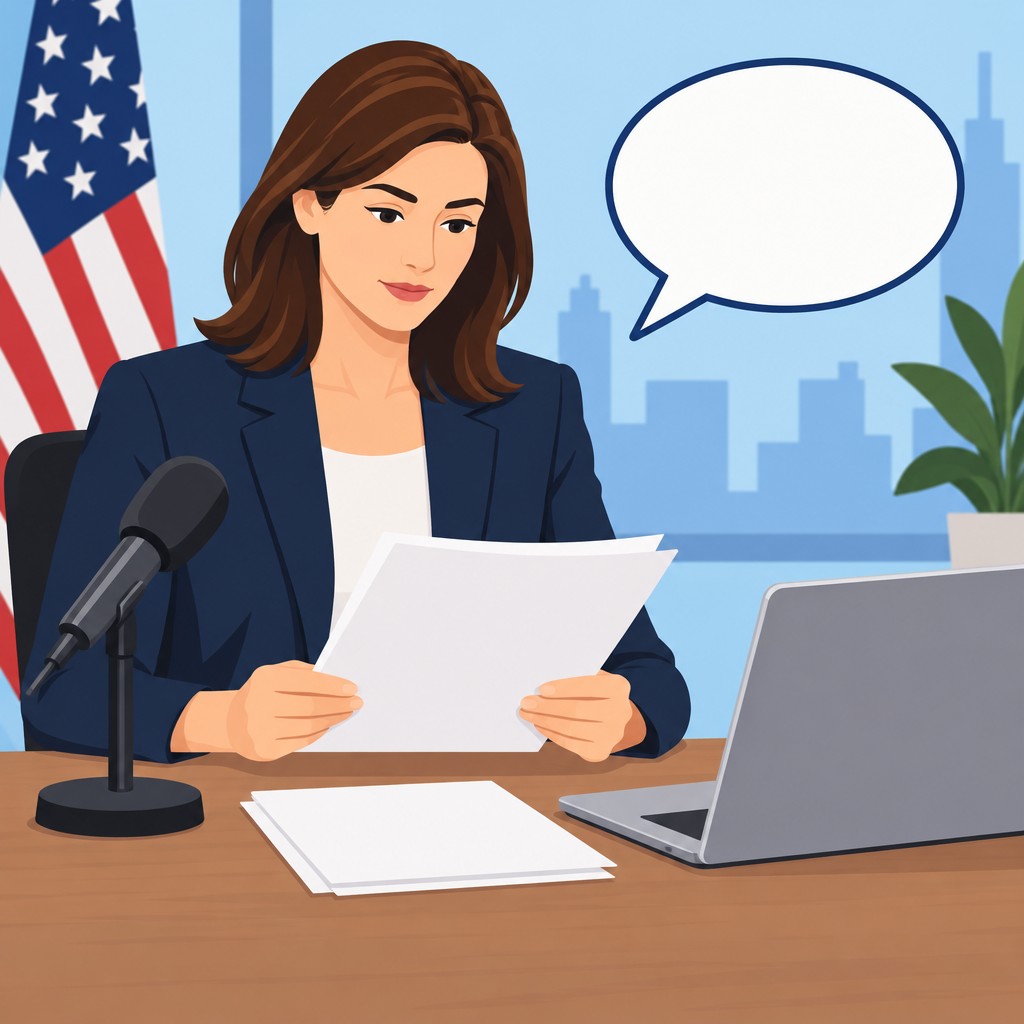
Books for Writing Media Materials
Effective writing supports successful media relations.
Media relations specialists create press releases, pitches, and other materials for journalists.
These resources address style, clarity, composition, and digital content creation.
- The Associated Press Stylebook presents standards for style and usage.
- It helps professionals maintain consistency in media communications.
- On Writing Well by William Zinsser explains fundamental principles of nonfiction writing.
- The book emphasizes clarity and simplicity.
- Everybody Writes by Ann Handley examines writing’s importance in the digital age.
- It provides practical guidance for creating content.
- The Elements of Style by William Strunk Jr. and E.B. White explains English style and composition.
- Its rules support readable and effective content.
Together, these books provide a strong foundation for media writing.
They also help professionals understand effective press releases and pitches.
Clear Communication in Media Relations
Clear communication plays a central role in media relations.
Transform Your Career Today
Unlock a personalized career strategy that drives real results. Get tailored advice and a roadmap designed just for you.
Start NowJournalists and media outlets receive many press releases each day.
Therefore, concise messages must attract attention and communicate information quickly.
- First Impressions Count because concise messages create strong initial impact.
- They can encourage journalists to explore the content further.
- Time Constraints affect journalists who often work under tight deadlines.
- Clear information helps them work efficiently.
- Accurate Message Delivery reduces the risk of misinterpretation.
- Accuracy strengthens relationships with media professionals.
- Retention of Information improves when readers receive brief and clear messages.
- Better retention supports coverage and audience engagement.
Furthermore, clarity improves the likelihood of media coverage.
Concise writing also helps audiences understand and remember key information.
These principles make media communication more efficient and reliable.
Editing and Proofreading Media Content
Editing and proofreading help media materials appear polished and professional.
They also improve clarity before professionals share their work.
Several practical techniques can strengthen the final version.
- Take a Break after writing to create distance from the material.
- A brief pause helps writers return with fresh eyes.
- Read Aloud to identify awkward phrasing and unclear passages.
- This auditory check can improve overall clarity.
- Check for Consistency across the material’s style and tone.
- Consistent writing prevents confusion among readers.
- Use Editing Tools such as Grammarly and Hemingway to refine writing.
- Grammar and spell-check software can identify potential errors.
- Seek Feedback from a colleague or mentor.
- Outside perspectives often reveal opportunities for improvement.
- Focus on the Audience when selecting language and complexity.
- Audience awareness keeps the material relevant and accessible.
By applying these techniques, writers can make their media content more effective.
Careful review also supports more engaging communication.
Each editing step contributes to a stronger final message.
Continuous Improvement in Media Writing
Effective media relations requires continuous learning and skill development.
Media relations specialists must continue developing their writing and editing abilities.
Regular practice helps professionals develop a distinct writing style.
Additionally, responsive professionals use feedback to improve their approach.
They also adapt their methods as media environments evolve.
Greater proficiency builds confidence during conversations with media representatives.
Therefore, writers should prioritize clarity and deliver concise, powerful messages.
Reading, writing, and practicing together can strengthen media relations efforts.
Gain More Insights: Networking Tips for SEO Specialists
Successful media relations require a solid understanding of measurement and analytics.
Media relations specialists must track campaign effectiveness.
Measurement reveals what works and what needs improvement.
Books on Measuring Media Relations Campaigns
Reading provides a strong foundation for understanding measurement.
Several insightful books examine analytics in media relations.
These resources can strengthen your measurement knowledge and professional skills.
- “Measure What Matters” by Katie Delahaye Paine: Paine explains how metrics connect media efforts with organizational goals.
- “Public Relations Metrics” by David H. Martin: Martin examines qualitative and quantitative metrics for communication decisions.
- “Social Media Metrics” by Jim Sterne: Sterne explains how to track engagement and impact across social media.
- “The New Measurement Toolkit” by Tom Watson: Watson presents practical methods for assessing media impact.
Each book offers useful insights into evaluating media campaigns.
Furthermore, studying these resources improves your understanding of measurement.
Key Performance Indicators for Media Relations
Relevant key performance indicators help measure campaign success.
These indicators reveal how effectively your strategy performs.
Therefore, specialists should monitor several essential metrics.
- Media Coverage: Count articles featuring your brand and assess their quality and tone.
- Reach and Impressions: Estimate how many people saw your media coverage.
- Audience Engagement: Track social media shares, likes, and comments to measure audience interaction.
- Referral Traffic: Analyze website visits that result from media coverage.
- Sentiment Analysis: Evaluate whether coverage uses a positive, negative, or neutral tone.
Monitoring these indicators provides valuable campaign data.
In turn, that data supports informed decisions and strategic adjustments.
Effective measurement can strengthen relationships with media outlets and audiences.
Using Analytics to Improve Media Relations Strategies
Data and analytics now support many media relations decisions.
Specialists can apply these tools through several practical approaches.
First, define success with specific, measurable, achievable, relevant, and time-bound objectives.
- Collect Comprehensive Data: Use monitoring tools to track coverage, sentiment, and audience reach.
- Analyze Trends: Identify patterns in media engagement and adjust future campaigns accordingly.
- Evaluate Your Audience: Determine where audiences engage most and which topics interest them.
- Optimize Timing: Use audience activity patterns to select effective engagement times.
- Use A/B Testing: Compare headlines, formats, and channels to identify stronger approaches.
- Refine Messaging: Improve communications by studying messages that receive positive responses.
- Report and Adjust: Share findings with stakeholders and revise strategies when necessary.
These practices help specialists use data to improve media outreach.
Consequently, analytics can support stronger connections with journalists.
Continuous measurement also helps organizations improve their media strategies.
Transform Your Career Today
Unlock a personalized career strategy that drives real results. Get tailored advice and a roadmap designed just for you.
Start NowApplying Media Relations Reading to Professional Practice
These resources offer media relations specialists practical perspectives for stronger professional performance.
Together, they clarify media dynamics and strengthen communication with journalists.
Furthermore, continued reading helps professionals recognize industry trends and refine effective practices.
Regular study also sharpens essential skills for changing communication demands.
Consequently, lifelong learning helps specialists remain relevant and effective.
Professionals should apply these lessons during their daily media relations tasks.
For example, they can practice communication strategies, media planning, and crisis management.
Theory alone cannot ensure success because professionals must translate knowledge into consistent action.
Additionally, reflection helps specialists deepen their understanding of each lesson.
These reading resources can strengthen professional judgment and support more productive media interactions.
By applying new insights, specialists can pursue their professional objectives with greater confidence.
Ultimately, ongoing education and deliberate practice support sustained effectiveness in media relations.
Additional Resources
Google search results for Media Relations Specialist: Essential Reading List Media and Communication
Bing search results for Media Relations Specialist: Essential Reading List Media and Communication


