




Being a fish and game warden offers an exciting career for people passionate about wildlife and conservation.
Responsibilities of Fish and Game Wardens
Fish and game wardens enforce laws and regulations covering hunting, fishing, and other outdoor activities.
They patrol designated areas to ensure people follow these laws.
Additionally, they investigate violations and educate the public about conservation efforts.
Importance of Fish and Game Wardens in Conservation
Fish and game wardens help protect and conserve natural resources.
By enforcing regulations, they support sustainable wildlife populations and habitats.
They also prevent poaching, illegal fishing, and other activities that threaten biodiversity.
Becoming a Fish and Game Warden
Becoming a Fish and Game Warden requires education, training, physical fitness, and firearms proficiency.
These qualifications prepare candidates for conservation and law enforcement responsibilities.
Additionally, specialized and practical training helps new Wardens perform their duties effectively.
Education and Training Requirements
- Candidates need a high school diploma or GED equivalent before pursuing this career.
- Most employers prefer a bachelor’s degree in environmental science, wildlife management, or criminal justice.
- A related degree provides deeper knowledge of conservation principles and law enforcement practices.
- Wardens patrol extensive land and water areas, sometimes traveling on foot or by boat.
- Therefore, candidates need strong physical fitness for regular field duties.
- Firearms training and proficiency also remain essential because Wardens carry firearms during duty.
- Specialized programs may cover wildlife conservation, environmental law, search and rescue, and first aid.
- These programs develop the knowledge and skills required for effective job performance.
- After hiring, new Wardens typically complete on-the-job training with experienced officers.
- This hands-on experience teaches specific duties and responsibilities within the role.
Fish and Game Warden Duties
A Fish and Game Warden protects wildlife and supports the conservation of natural resources.
The role combines law enforcement, field patrols, investigations, and public education.
Wardens also need knowledge of local wildlife, laws, and regulations.
Enforcing Fishing, Hunting, and Boating Laws
Wardens enforce laws governing fishing, hunting, and boating activities.
They monitor these activities to encourage compliance with applicable regulations.
In addition, they help prevent excessive exploitation of wildlife resources.
Investigating Illegal Activities
Wardens investigate poaching, illegal hunting, and fishing violations.
They conduct interviews and gather evidence during these investigations.
They also work with other law enforcement agencies to prosecute offenders.
Patrolling Assigned Areas
Wardens conduct routine patrols throughout their assigned areas.
During patrols, they monitor wildlife habitats and enforce relevant regulations.
They also respond to reports of illegal activities.
Educating the Public About Wildlife Conservation
Wardens educate the public about wildlife conservation and natural resource protection.
They may conduct outreach programs and give presentations.
They also work with schools and community groups to raise conservation awareness.
You Might Also Like: Key Skills Needed to Be a Successful U.S. Marshal
Skills and Qualities Needed
Fish and game wardens need several skills to perform their responsibilities effectively.
These qualities support communication, outdoor work, legal knowledge, and practical judgment.
Together, they help wardens protect wildlife while supporting public safety.
- Strong communication skills
- Ability to work in outdoor environments
- Knowledge of wildlife and conservation laws
- Good decision-making and problem-solving skills
Strong Communication Skills
Fish and game wardens communicate with various individuals and groups.
They interact with the public, law enforcement agencies, and other wildlife officials.
Clear communication helps wardens convey information and build rapport with stakeholders.
As a result, effective communication supports efficient duties and encourages compliance with wildlife laws.
Ability to Work in Outdoor Environments
Fish and game wardens spend significant time in forests, rivers, and lakes.
They need physical stamina to work in varying weather conditions.
Comfort outdoors and appreciation for nature support success in this profession.
Additionally, wardens navigate challenging terrain and adapt to changing environmental conditions.
Knowledge of Wildlife and Conservation Laws
Wardens need knowledge of wildlife behavior, ecosystems, and conservation laws.
They use this knowledge to protect species and their habitats.
Understanding local, state, and federal regulations supports effective enforcement.
Transform Your Career Today
Unlock a personalized career strategy that drives real results. Get tailored advice and a roadmap designed just for you.
Start NowThis knowledge helps prevent poaching, illegal fishing, and habitat destruction.
Wardens also stay updated on new laws and regulations.
Good Decision-Making and Problem-Solving Skills
Fish and game wardens regularly encounter challenging situations.
They must think quickly and use sound judgment under pressure.
Strong decisions help wardens assess risks and prioritize tasks.
Problem-solving skills help them resolve conflicts and handle emergencies.
These abilities also support public safety and environmental protection.
See Related Content: Counterterrorism Specialist: Real-World Case Studies
Job Outlook and Salary
Many people consider this career because it combines wildlife conservation with employment and salary prospects.
Fish and game wardens support natural resource protection through essential conservation and enforcement work.
Consequently, job outlook and earnings remain important considerations for prospective candidates.
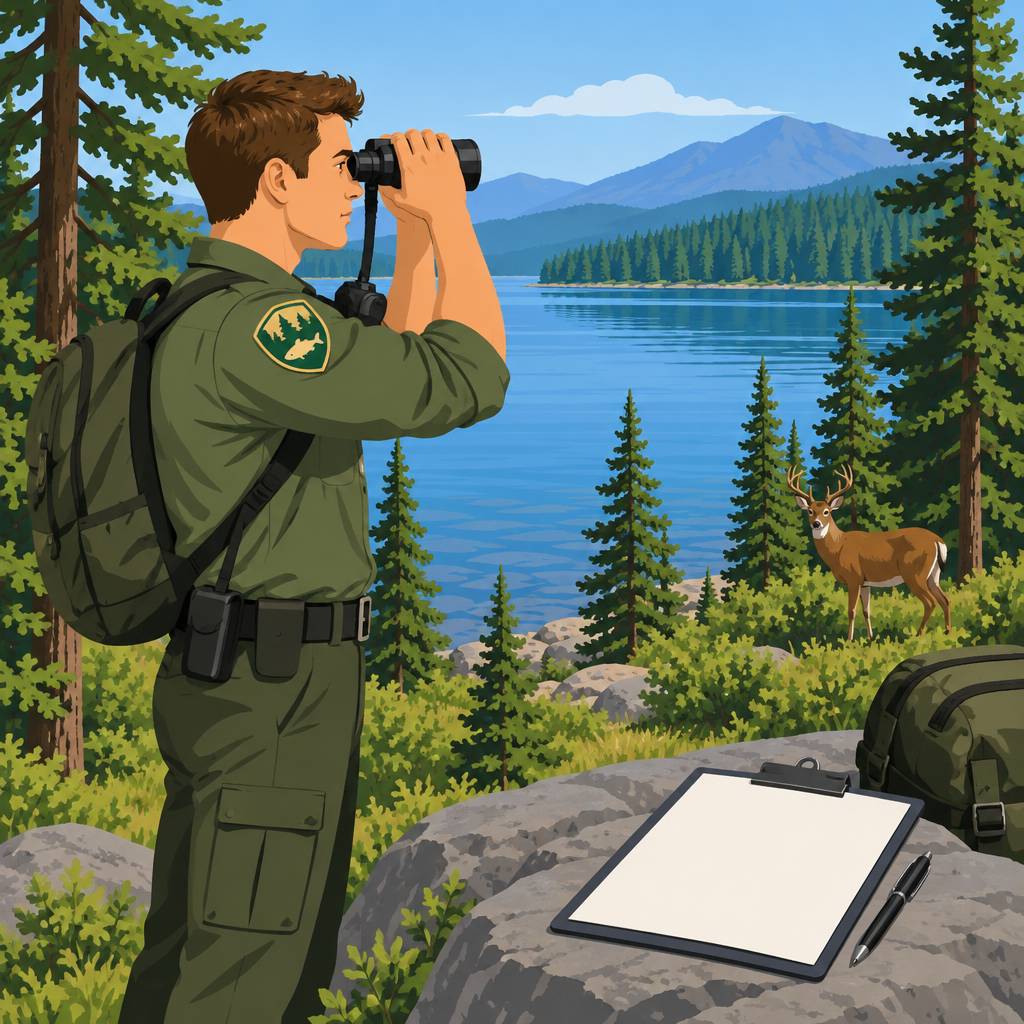
Projected Growth in the Field
The Bureau of Labor Statistics projects fish and game warden employment to grow 4% from 2019 to 2029.
This growth reflects continuing needs for wildlife conservation and wildlife regulation enforcement.
The projected pace matches average growth across all occupations.
Average Salary Range for Fish and Game Wardens
Fish and game wardens earn a median annual salary of around $57,500.
However, location, experience, and education can influence individual earnings.
Therefore, salary ranges can vary among fish and game warden positions.
Requirements for Entering the Field
State or federal agencies establish specific requirements for fish and game warden applicants.
Education, relevant experience, and agency training typically support the application process.
Applicants must also satisfy screening and fitness requirements before appointment.
- State or federal agencies set specific requirements for these positions.
- Candidates typically complete a degree in natural resource management, criminal justice, or a related field.
- Relevant work in wildlife conservation or law enforcement can benefit applicants.
- Applicants must pass a background check, physical fitness test, and drug screening.
- Successful candidates complete training at a state or federal wildlife agency.
Gain More Insights: Cybersecurity Specialist: Navigating Cyber Law and Policy
Becoming a fish and game warden requires careful preparation and commitment.
Several steps can help you pursue this career goal.
First, identify the qualifications and preparation your state requires.
Research State Requirements
Each state may establish different requirements for fish and game wardens.
These requirements can include education, training, and additional qualifications.
Therefore, research your state’s requirements before planning your career path.
Complete Education and Training
Most states require a bachelor’s degree in a related field.
Relevant fields may include natural resource management, wildlife biology, or criminal justice.
Additionally, law enforcement and conservation training can strengthen your qualifications.
Review your state’s standards carefully to confirm that you meet every requirement.
Apply for Open Positions
After completing the required education and training, begin searching for available positions.
Government websites and conservation organizations may publish relevant job opportunities.
Prepare a resume, cover letter, and other documents that applications require.
Then, submit your application materials for positions that match your qualifications.
Complete Background Checks and Interviews
Hiring processes commonly include background checks and interviews.
These steps help employers assess your qualifications and suitability for the position.
Provide honest, thorough information throughout the background check process.
Meanwhile, research common interview questions and practice your responses.
Dedicated preparation can help you pursue this rewarding and impactful career.
Transform Your Career Today
Unlock a personalized career strategy that drives real results. Get tailored advice and a roadmap designed just for you.
Start NowExplore Further: Campus Security Officer: Handling Fire Alarm Situations
Commitment to Wildlife Conservation
Becoming a Fish and Game Warden requires dedication and a passion for protecting wildlife.
The career also requires commitment to conserving natural resources.
For those who value nature, this work connects professional responsibility with environmental protection.
The Importance of Fish and Game Wardens
Fish and Game Wardens play a crucial role in enforcing wildlife laws.
They also help protect endangered species and conserve natural habitats.
Consequently, their work supports wildlife protection and responsible resource management.
Rewards of Pursuing This Career
People who love the great outdoors may find this career especially meaningful.
A desire to protect nature can motivate candidates to pursue this profession.
Furthermore, protecting wildlife and natural resources can make the work incredibly rewarding.
Resources for Career Information
Those interested in this career should explore reliable information about becoming a Fish and Game Warden.
Official state Department of Fish and Wildlife websites provide information about requirements and training.
They also describe opportunities available to Fish and Game Wardens.
Additional Resources
Google search results for How to Become a Fish and Game Warden Protective Services
Bing search results for How to Become a Fish and Game Warden Protective Services


