




Health Educators’ Role in Healthcare
Health educators play a crucial role in healthcare by providing necessary information to individuals.
They help bridge gaps by promoting preventive measures.
Without their guidance, healthcare disparities would persist.
Responsibilities of Health Educators
Health educators conduct workshops, create educational materials, and offer individual counseling sessions.
Through these efforts, they empower individuals to make informed health decisions.
Moreover, they advocate for health policies that benefit the community.
Bridging Gaps in Healthcare
Health educators address disparities in healthcare access and outcomes.
They work with diverse populations to promote health equity.
By educating vulnerable groups, they empower individuals to manage their well-being.
Education, Advocacy, and Community Engagement
This blog post explores how health educators help bridge gaps in healthcare.
It examines how health educators empower individuals through education.
It also highlights advocacy and community engagement as important approaches.
Education and Training of Health Educators
- To become a health educator, individuals typically need a bachelor’s degree in health education or a related field.
- Some employers may require a master’s degree for certain positions or advancement opportunities.
- Additionally, health educators often obtain certifications such as Certified Health Education Specialist (CHES).
- Continuing education remains crucial for health educators to understand current health issues and trends.
- Workshops, conferences, and webinars help health educators learn the latest research and strategies.
- Health educators can pursue advanced degrees or specialized training in public health or healthcare administration.
- Furthermore, networking with healthcare professionals and joining professional organizations can strengthen their knowledge and skills.
- Through ongoing education and training, health educators can improve outcomes for individuals and communities.
Healthy Behaviors and Personal Agency
Health educators promote exercise, balanced diets, and stress management to support healthier daily choices.
They also explain vaccinations and screenings as important preventive measures.
Consequently, clear guidance helps people recognize practical ways to protect their well-being.
Community Prevention and Health Awareness
Health educators provide information and resources that help individuals manage their health more confidently.
Furthermore, they encourage people to adopt healthy habits and make positive changes each day.
This support shifts attention from reactive treatment toward preventive care.
Community Collaboration and Inclusive Education
Health educators challenge misconceptions and encourage more informed views about health.
They collaborate with community organizations to address disparities and improve access to resources.
Moreover, they tailor educational programs to the needs of diverse populations.
Early Detection and Sustainable Prevention
Health educators develop preventive strategies that support early detection and intervention.
They explain risk factors, conduct screenings, and offer support for lifestyle changes.
These efforts can reduce chronic disease burdens and limit demand for expensive medical interventions.
Lasting Public Health Value
Disease prevention can lower healthcare costs by reducing the need for costly interventions.
Over time, healthier behaviors can support improved quality of life across the population.
Thus, prevention strengthens public health while reducing healthcare expenditures.
Find Out More: Educational Pathways to Becoming a Case Manager
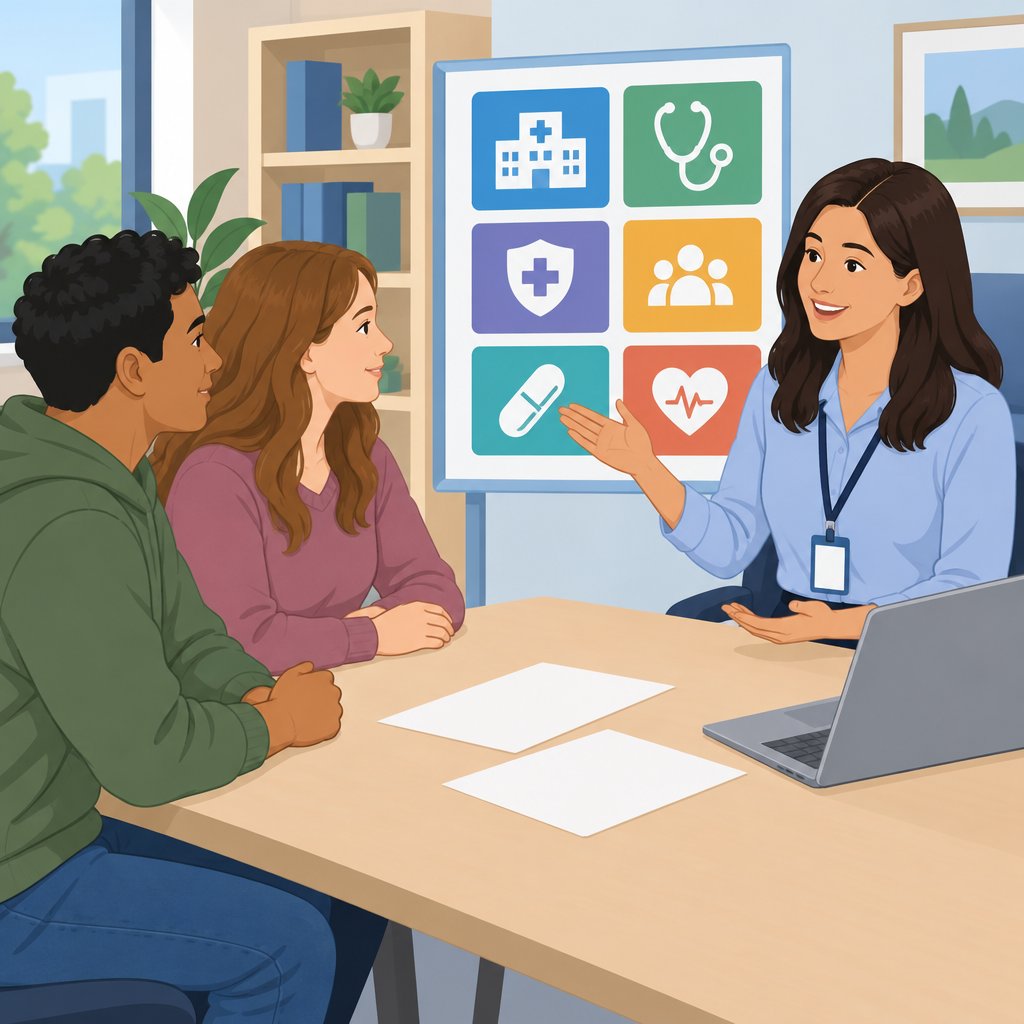
Health Educators in Community Outreach
Health educators connect underserved communities with healthcare providers and local support services.
They explain available resources clearly and help residents navigate healthcare systems.
Through outreach, educators strengthen community participation in decisions affecting local health.
Health Educators and Underserved Communities
Health educators serve as liaisons between community members and healthcare providers.
They address communication gaps that can prevent people from receiving appropriate services.
Additionally, educators tailor programs to cultural values, community concerns, and local needs.
This approach helps educators build trust and develop lasting relationships with residents.
As a result, community members may feel more comfortable seeking available healthcare services.
Health educators also advocate for health equity and social justice within underserved communities.
Their advocacy supports fair access to quality healthcare services for all individuals.
Community Outreach Programs Led by Health Educators
Mobile healthcare units bring screenings, vaccinations, and health education directly to underserved areas.
These units reduce access barriers for people who cannot easily reach healthcare facilities.
Transform Your Career Today
Unlock a personalized career strategy that drives real results. Get tailored advice and a roadmap designed just for you.
Start NowMeanwhile, health educators organize workshops and health fairs in community centers, schools, and local businesses.
Such events provide opportunities to share information and connect residents with available resources.
Peer education programs train community members to discuss health concerns with their peers.
Because peers understand local experiences, they can communicate health information in relatable ways.
Finally, partnerships with community leaders and local organizations can expand outreach efforts.
These collaborations help educators reach more residents and respond to community priorities.
Find Out More: How Gerontologists Support Aging Communities
Collaboration with Healthcare Professionals
Health educators collaborate with doctors, nurses, and other professionals to support comprehensive healthcare services.
They share educational resources and communication strategies with healthcare teams.
Together, these professionals address medical and educational needs for individuals and communities.
How Health Educators Work in Collaboration
First, health educators provide information and resources that strengthen patient education and support.
They also train medical staff in health promotion, disease prevention, and patient communication.
In addition, they help teams create customized materials and address language and cultural barriers.
- Health educators provide valuable information and resources to healthcare professionals, strengthening patient education and support.
- They conduct training sessions for medical staff on health promotion, disease prevention, and patient communication.
- Health educators help professionals develop customized educational materials that empower informed health decisions.
- They join care planning meetings and recommend education strategies that improve outcomes and treatment adherence.
- They collaborate with physicians and nurses to address language and cultural barriers in healthcare delivery.
Benefits of Interdisciplinary Teamwork
- Improved Patient Outcomes: Collaborative efforts improve patient education, treatment adherence, and health outcomes.
- Comprehensive Care: Healthcare professionals address patients’ medical and educational needs through comprehensive care.
- Enhanced Communication: Interdisciplinary teamwork fosters clear communication, coordinated care, and better patient experiences.
- Increased Efficiency: Shared responsibilities and expertise streamline healthcare delivery and optimize resources.
- Cultural Competence: Collaboration supports culturally sensitive services for patients from diverse backgrounds.
This collaboration bridges healthcare gaps and promotes wellness in individuals and communities.
Uncover the Details: Top Challenges for Community Outreach Coordinators
Health educators tailor culturally competent education and resources to specific populations.
They consider cultural perspectives when explaining health information and available services.
By examining social determinants of health, educators identify barriers that limit healthcare access.
They then design targeted interventions that respond to those barriers.
Additionally, educators advocate for equitable healthcare policies and services with community organizations, providers, and policymakers.
These partnerships address system-level obstacles affecting underserved populations.
Educators conduct workshops about preventive care and disease management.
They also explain healthy lifestyle choices to support informed healthcare decisions.
Furthermore, educators increase awareness of healthcare resources and available programs.
This guidance helps individuals locate appropriate services and quality care.
Through clinic and hospital partnerships, educators facilitate referrals for patients.
They also support patients while those patients navigate the healthcare system.
Meanwhile, technology and social media help educators share health information and connect people with relevant services.
Educators also conduct needs assessments before tailoring strategies for diverse populations.
Finally, evaluations help them determine whether educational approaches address identified needs.
You Might Also Like: Public Health Social Work: Continuing Education Resources
Technology in Health Education
Technology has changed health education programs in several practical ways.
Online platforms give individuals access to health information anytime and anywhere.
Interactive tools and telemedicine support engaging, personalized learning and remote health monitoring.
- Online platforms increase access to health information anytime and anywhere.
- Videos, quizzes, and simulations create more interactive learning experiences.
- Telemedicine supports personalized consultations and remote monitoring of health conditions.
Technology’s Impact on Health Education Programs
Technology expands health education beyond traditional settings.
Online platforms and social media can reach audiences globally.
Telemedicine reduces in-person visits and enables instant sharing of health information and guidelines.
- Online platforms and social media help educators reach wider audiences.
- Telemedicine reduces the time and expense associated with in-person visits.
- Technology enables real-time updates about health information and guidelines.
Online Platforms, Social Media, and Telemedicine
Online platforms provide health information through websites and mobile applications.
Social media supports health tips and awareness efforts.
Telemedicine provides virtual consultations, while wearable devices help patients share health metrics with providers.
Transform Your Career Today
Unlock a personalized career strategy that drives real results. Get tailored advice and a roadmap designed just for you.
Start Now- Websites and mobile applications offer information about various health topics.
- Twitter and Facebook help share health tips and raise awareness.
- Telemedicine offers virtual consultations with healthcare professionals.
- Wearable devices track health metrics and support better health management.
Importance of Evaluating Health Education Programs
Evaluation determines whether health education programs achieve their intended goals.
It also identifies areas where educators can improve program delivery and results.
Additionally, evaluation measures effects on individuals, communities, and public health.
Assessing Knowledge and Behavior Change
Evaluation measures knowledge and behavior changes among the target audience.
Educators can compare awareness, attitudes, and behaviors before and after interventions.
Consequently, these comparisons show whether educational activities achieved meaningful changes.
Monitoring Health Outcomes
Program evaluation tracks health outcomes linked to educational interventions.
Relevant indicators include disease prevalence, health behaviors, and healthcare access.
These measurements help educators demonstrate effects on individual and community well-being.
Enhancing Program Efficiency
Evaluation reveals the strengths and weaknesses of health education programs.
Educators can use these findings to make informed decisions about program improvements.
As a result, programs can optimize resources and achieve stronger outcomes.
Methods to Measure Health Educator Impact
Health educators use several methods to measure their effects on health outcomes.
These methods assess intervention effectiveness and inform future program development.
Together, quantitative and qualitative approaches provide a broader evaluation perspective.
Surveys and Questionnaires
Surveys and questionnaires can measure changes before and after health education programs.
They assess knowledge, attitudes, and behaviors among participants.
This quantitative information helps educators judge intervention effectiveness.
Observation and Documentation
Observation examines interactions between health educators and their audiences.
Documentation records how educators deliver materials and communicate information.
These qualitative details clarify engagement levels and communication effectiveness.
Focus Groups and Interviews
Focus groups and interviews gather participant feedback after program completion.
Participants can describe perceived benefits, challenges, and outcomes.
These qualitative methods reveal lived experiences within individuals and communities.
Data Analysis and Reporting
Educators analyze evaluation data to measure health education program impact.
They summarize important findings in clear reports for stakeholders and funders.
Clear reporting communicates program effectiveness and supports future decisions.
Using multiple evaluation methods helps educators improve public health outcomes.
These strategies also help educators demonstrate their contributions to community well-being.
Effective evaluation supports stronger interventions and helps address gaps in healthcare.
Health Educators and Equitable Healthcare
Health educators help connect people with healthcare systems by making essential information easier to understand.
They also encourage individuals to use preventive services and make informed decisions about their well-being.
Furthermore, their resources can strengthen health literacy across communities.
Health educators advocate for underserved populations that may face obstacles when seeking appropriate care.
Their advocacy supports fairer opportunities to access healthcare services.
By addressing social determinants of health, they help communities recognize conditions that influence health outcomes.
This work supports health equity and contributes to broader public health goals.
Therefore, communities benefit when they recognize and support the value of health education.
Public awareness can help sustain efforts that improve health outcomes for diverse members of society.
Collective support also enables health educators to continue strengthening healthcare access and community well-being.
Transform Your Career Today
Unlock a personalized career strategy that drives real results. Get tailored advice and a roadmap designed just for you.
Start NowAdditional Resources
Google search results for Health Educators: Bridging Gaps in Healthcare Social and Human Services
Bing search results for Health Educators: Bridging Gaps in Healthcare Social and Human Services


