




Introduction
Gerontology is the study of aging and its societal implications.
It plays a crucial role in supporting aging communities by addressing the specific needs of the elderly population.
Gerontologists are experts in healthcare, psychology, and social work.
They work collaboratively to enhance the quality of life for older adults.
Research and Data Collection
Gerontologists use research and data collection to understand aging populations.
This work helps them identify trends, issues, and effective strategies.
It also supports stronger responses to the needs of aging communities.
How Gerontologists Conduct Research
Gerontologists gather information through surveys, interviews, and observations.
They analyze collected data to identify patterns, correlations, and influencing factors.
Additionally, they collaborate with professionals, organizations, and institutions.
- Gerontologists use surveys, interviews, and observations to gather information.
- They analyze data to identify patterns and correlations.
- They work with other professionals to develop broader perspectives.
- They follow new research, technologies, and interventions.
How Data Collection Reveals Trends and Issues
Data collection allows gerontologists to track demographic changes within aging communities.
It also documents health conditions and changing social needs.
These findings reveal challenges and opportunities that affect older adults.
- Data helps track demographic changes among aging communities.
- It records health conditions and social needs.
- It highlights emerging challenges and improvement opportunities.
- It helps evaluate programs, policies, and interventions.
- Gerontologists use findings to develop evidence-based recommendations.
Research and data collection remain essential parts of gerontologists’ work.
These practices help gerontologists understand aging communities and respond to their needs.
Social and Psychological Support for Aging Individuals
Gerontologists offer social and psychological support that helps aging individuals navigate challenges and transitions.
Social support can strengthen relationships, reduce isolation, and improve quality of life.
Psychological support can promote coping, emotional expression, and mental health awareness.
Benefits of Social Support
Gerontologists provide social support through group therapy sessions, community events, and networking opportunities.
These activities help aging individuals interact with others who share similar experiences.
They also encourage belonging, connection, and community participation.
- Reduces feelings of loneliness and isolation
- Enhances social connections and relationships
- Provides a sense of belonging and community
- Improves overall well-being and quality of life
Benefits of Psychological Support
Gerontologists use evidence-based therapies and interventions to address the psychological needs of aging individuals.
These approaches include cognitive-behavioral therapy, mindfulness practices, and relaxation techniques.
Together, they support emotional well-being and help individuals manage life changes.
- Helps manage stress, anxiety, and depression
- Provides coping strategies for dealing with life changes
- Improves self-esteem and self-confidence
- Promotes emotional expression and mental health awareness
These forms of support contribute to the mental and emotional well-being of aging communities.
They empower individuals to lead fulfilling and satisfying lives as they age.
Explore Further: Top Challenges for Community Outreach Coordinators
Healthcare Management
Gerontologists manage healthcare needs in aging communities.
They specialize in older adult care and address this population’s unique challenges and needs.
They assess physical, mental, and emotional health to develop personalized treatment plans.
- Gerontologists coordinate care plans for aging individuals.
- Gerontologists advocate for quality healthcare services for aging communities.
They work closely with healthcare providers to align care plans with individual needs and concerns.
They work with policymakers, healthcare organizations, and advocacy groups to improve access to care.
They also seek increased funding for geriatric services and promote research on aging-related issues.
Consequently, older adults receive support and resources for healthy and fulfilling lives.
Delve into the Subject: Public Health Social Work: Continuing Education Resources
Advocacy and policy development help gerontologists support aging communities.
By representing older adults, gerontologists influence policies affecting individuals and communities.
These efforts address rights, needs, and opportunities for aging populations.
Advocacy for Aging Populations
Gerontologists champion older adults by ensuring that policymakers hear their concerns.
They raise public awareness, contact government officials, and promote policies supporting older adults.
Transform Your Career Today
Unlock a personalized career strategy that drives real results. Get tailored advice and a roadmap designed just for you.
Start NowAdditionally, their advocacy challenges barriers that can limit well-being among aging populations.
- Gerontologists advocate for quality healthcare access among aging populations.
- They promote affordable housing and supportive services for older adults.
- Gerontologists oppose ageism and discrimination against older adults.
- They seek better quality in long-term care facilities and services.
- Gerontologists support programs that strengthen social engagement and mental well-being.
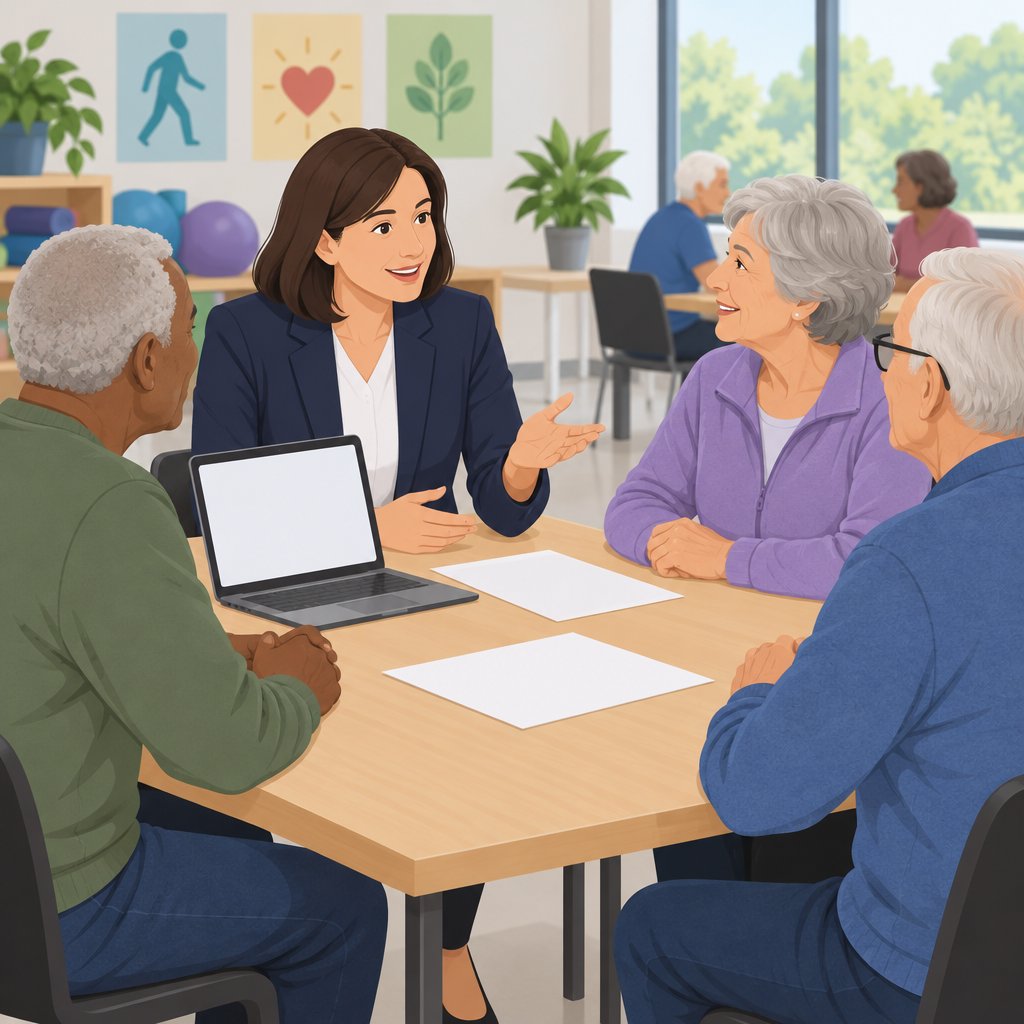
Gerontologists’ Influence on Aging Policies
Gerontologists use their expertise and research to shape decisions affecting older adults.
They share evidence-based recommendations with policymakers and participate in legislative discussions.
Furthermore, they collaborate with agencies, nonprofits, and community stakeholders to develop useful policies.
These partnerships help communities implement and evaluate policies that benefit older adults.
- Gerontologists provide policymakers with evidence-based recommendations about older adults’ needs.
- They collaborate with government agencies and nonprofit organizations on supportive policies.
- Gerontologists participate in legislative hearings and policy discussions.
- They identify service gaps and propose policy solutions.
- Gerontologists work with community stakeholders to implement and evaluate policies.
Delve into the Subject: Court Advocacy: Helping Clients Navigate Legal Systems
Community Engagement
Gerontologists engage aging communities by promoting inclusivity and participation through community initiatives.
They organize social events and activities around older adults’ interests and needs.
These gatherings help seniors socialize, build friendships, and enjoy meaningful activities that improve quality of life.
Additionally, gerontologists collaborate with local organizations and businesses to create age-friendly environments.
Such partnerships help aging individuals access resources and services that address their unique needs.
Strong community connections support older adults and strengthen their overall well-being.
Through regular conversations, gerontologists identify service gaps and advocate for stronger community support systems.
They also work with community leaders and stakeholders to increase awareness of aging communities’ needs.
As a result, older adults can gain greater visibility within local decisions and initiatives.
Listening to older adults helps gerontologists tailor programs and services to their preferences.
Moreover, partnerships among community organizations can create support networks for aging individuals who need assistance.
Community engagement can foster belonging and empowerment for older adults.
This collaborative approach promotes participation, inclusion, and support across aging communities.
Find Out More: How to Volunteer as a Victim Advocate
Education and Training for Gerontologists
Education and training programs equip aspiring gerontologists with essential skills and knowledge.
These opportunities prepare professionals to support aging communities effectively.
They also help improve the quality of life for older adults.
Available Educational Opportunities
Undergraduate programs introduce students to foundational concepts in aging studies.
Graduate programs provide advanced training through master’s and doctoral degrees in gerontology.
Certificate programs focus on specialized areas within gerontology.
- Undergraduate programs in gerontology offer foundational knowledge in aging studies.
- Graduate programs, such as master’s and doctoral degrees, provide advanced training in gerontology.
- Certificate programs offer specialized training in areas such as dementia care or elder abuse prevention.
Importance of Ongoing Training
Continuing education helps gerontologists remain current with research and best practices.
Professional development strengthens their skills and expands their expertise.
Specialized training helps professionals address challenges affecting aging populations.
- Continuing education ensures that gerontologists stay current with the latest research and best practices.
- Professional development opportunities help gerontologists enhance their skills and expand their expertise.
- Specialized training helps gerontologists address challenges such as chronic conditions and healthy aging.
Consequently, education equips gerontologists to support aging communities more effectively.
Training also helps them contribute to better quality of life for older adults.
Gerontologists’ Contributions to Aging Communities
Gerontologists provide valuable expertise that improves the quality of life for older adults.
They address the distinct needs and challenges that aging communities experience.
Furthermore, their research and interventions strengthen healthcare, social support, and overall well-being.
By collaborating with professionals and community members, they develop holistic and sustainable solutions.
These efforts promote healthy aging and help older adults pursue fulfilling, meaningful lives.
Gerontologists therefore remain essential partners in supporting aging communities.
Additional Resources
Google search results for How Gerontologists Support Aging Communities Social and Human Services
Bing search results for How Gerontologists Support Aging Communities Social and Human Services


