




Importance of Health and Safety for Freight Handlers
Freight handlers manage heavy loads and machinery in demanding work environments.
Health and safety practices help prevent workplace accidents and injuries.
Therefore, handlers should follow clear procedures and remain aware of potential hazards.
Proper Lifting Techniques
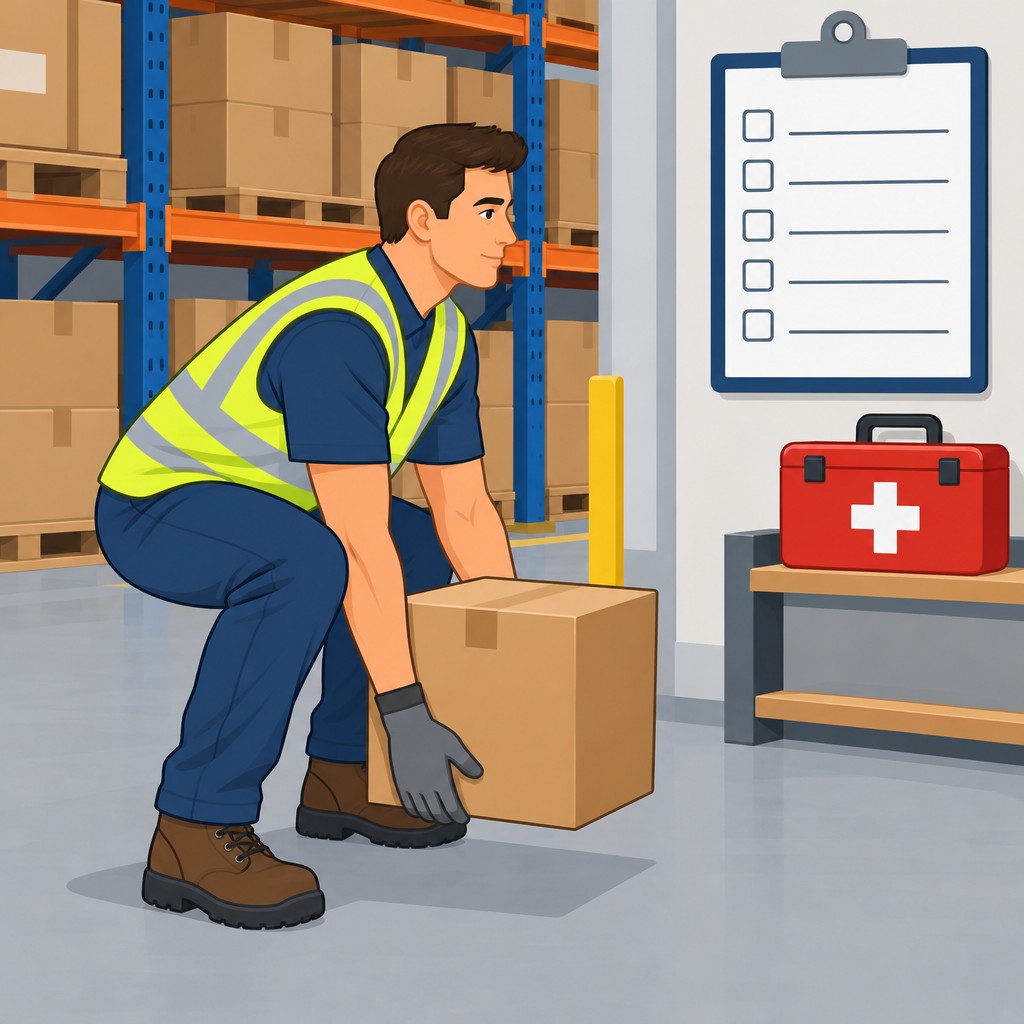
Handlers should lift with their legs rather than their backs.
This technique helps reduce strain during manual handling tasks.
Additionally, workers should use safe lifting practices whenever they move heavy loads.
Protective Gear for Freight Handling
Workers should wear gloves, safety goggles, and steel-toed boots.
These protective items help guard against potential workplace hazards.
Furthermore, handlers should use the appropriate gear for each task.
Hydration and Rest During Work
Handlers should drink plenty of water throughout their work periods.
Regular breaks can help prevent dehydration and fatigue.
Consequently, workers can maintain their focus and support safer performance.
Proper Equipment Maintenance
Workers should regularly check equipment before and during operation.
Routine maintenance supports safe and efficient equipment performance.
Moreover, handlers should address equipment concerns through established procedures.
Following Safety Protocols
Handlers should follow workplace safety guidelines and procedures.
These protocols help minimize the risk of accidents.
By following each requirement, workers can support a safer working environment.
Effective Workplace Communication
Clear communication helps colleagues coordinate freight handling tasks.
It also reduces misunderstandings that could create potential hazards.
Therefore, handlers should communicate important information clearly and promptly.
Alertness and Focus
Handlers should avoid distractions while completing their assigned tasks.
Maintaining focus helps workers recognize and respond to workplace hazards.
In addition, alert workers can reduce the likelihood of preventable accidents.
Reporting Unsafe Conditions
Workers should report unsafe conditions as soon as they notice them.
Prompt reporting helps address hazards before accidents occur.
Handlers should communicate these concerns through the appropriate workplace channels.
Safety Training Participation
Freight handlers should attend available training sessions.
Training helps workers stay updated on safety protocols and procedures.
As a result, employees can apply current safety practices more consistently.
Following these health and safety practices supports a safe and productive work environment.
Proper Lifting Techniques
Proper lifting techniques help freight handlers avoid strains and injuries.
Handlers should use safe methods when moving heavy objects.
These methods protect the body during demanding lifting tasks.
- Bend at the knees when lifting heavy objects.
- Use your legs instead of your back to lift heavy objects.
First, bend at the knees instead of bending your back.
This position distributes the weight evenly and reduces strain on your back muscles.
Next, engage your leg muscles by pushing through your heels.
Your legs provide power and stability while you lift heavy items.
Also, hold each object as close to your body as possible.
Keeping the load close improves balance and control while reducing strain on your back and arms.
Transform Your Career Today
Unlock a personalized career strategy that drives real results. Get tailored advice and a roadmap designed just for you.
Start NowMeanwhile, avoid twisting your body while carrying a heavy object.
Instead, pivot your entire body toward the direction you want to move.
Finally, take regular breaks when transporting heavy items over long distances.
Rest breaks reduce fatigue and help lower the risk of injury.
Following these techniques helps freight handlers handle heavy objects more safely.
Handlers should prioritize their health and well-being during every lifting task.
Personal Protective Equipment for Freight Handlers
Freight handlers should wear appropriate personal protective equipment while working.
This equipment supports safer handling and helps protect their health and well-being.
Therefore, handlers should select gear that matches hazards in their work areas.
- Gloves protect hands from cuts, bruises, and other handling injuries.
- Safety glasses protect eyes from flying debris, dust, and other work-area hazards.
- Steel-toed boots protect feet when heavy objects fall or drop accidentally.
Reasons PPE Supports Freight Handler Safety
PPE creates a barrier between handlers and workplace hazards.
It also reduces contact with harmful substances, chemicals, and sharp objects.
Additionally, many workplaces require PPE by law to protect employees.
- Protection against hazards reduces the risk of workplace accidents and injuries.
- Minimized exposure helps protect the body from harmful substances and sharp objects.
- Legal requirements support workplace safety and employee well-being.
- Injury prevention helps reduce serious consequences and long-term health issues.
Freight handlers should make PPE part of their daily work routine.
By using proper protective gear, they help create a safer environment for everyone involved.
Gain More Insights: Common Challenges Faced by Supply Chain Analysts
Regular Breaks and Hydration
Regular breaks help freight handlers prevent fatigue and dehydration during demanding work.
Without enough rest, workers may lose productivity and face greater accident risks.
Breaks also help the body recover and support focus throughout the workday.
Benefits of Regular Breaks
Rest periods reduce the chance of injuries caused by overexertion.
They also give workers time to recharge before resuming their tasks.
In addition, frequent breaks can reduce mental burnout and improve concentration.
- Take regular breaks to prevent fatigue and dehydration.
- Use rest periods to support productivity and reduce accident risks.
Hydration Practices During the Workday
Freight handlers should drink water regularly throughout the workday.
A reusable water bottle makes regular sipping more convenient.
Workers can also monitor urine color to identify possible dehydration.
- Choose water instead of sugary drinks whenever possible.
- Pale yellow or clear urine usually indicates proper hydration.
- Dark yellow urine may suggest that the body needs more fluids.
- Rest in shaded areas to help stay cool during breaks.
- Eat water-rich foods such as cucumbers, watermelon, and oranges.
Explore Further: Importance of Transportation Security Screeners in Airports
Safe Equipment Operation
Proper training supports safe equipment operation.
Forklifts and pallet jacks require trained operators.
Training helps freight handlers use this equipment responsibly.
Importance of Proper Training
- Training reduces the risk of accidents and injuries.
- Operators learn how to handle equipment correctly.
- Training helps operators comply with safety regulations.
Tips for Safely Operating Equipment
- Always inspect equipment before use to ensure it is in good working condition.
- Wear appropriate protective gear such as helmets, gloves, and safety shoes.
- Follow designated routes and speed limits to avoid collisions.
- Never overload equipment beyond its capacity to prevent tipping or malfunction.
- Communicate with team members using hand signals or radios when operating equipment.
- Avoid distractions such as using mobile phones while operating equipment.
- Keep a safe distance from edges, ramps, and other potential hazards.
- Stay alert and focused on the task at hand to react quickly to unexpected situations.
Freight handlers can safely operate equipment by following these tips and receiving proper training.
These practices reduce workplace accidents and injuries.
Explore Further: Transportation Analyst: Skills and Tools
Ergonomic Workspaces
Ergonomic workspaces help freight handlers prevent repetitive strain injuries.
These adjustments reduce physical strain during demanding tasks.
They also support safer movement and better comfort throughout the workday.
- Adjust workbench height to match the worker’s height and reduce back and shoulder strain.
- Provide adjustable chairs with proper back support to encourage good posture and reduce back injuries.
- Use anti-fatigue mats to reduce impact on the feet and lower body while workers stand.
- Organize tools and equipment within easy reach to minimize reaching and twisting movements.
- Encourage regular breaks and stretching exercises to promote circulation and reduce muscle tension.
By following these guidelines, freight handlers can reduce their risk of repetitive strain injuries.
Ergonomic workspaces also support better health and safety in the workplace.
Find Out More: Warehouse Supervisor: Essential Roles and Responsibilities
Communication and Teamwork for Freight Handlers
Freight handlers rely on effective communication and teamwork during daily operations.
Clear exchanges help teams coordinate tasks and protect everyone from preventable accidents.
Therefore, workers should communicate openly with coworkers, supervisors, and other team members.
Transform Your Career Today
Unlock a personalized career strategy that drives real results. Get tailored advice and a roadmap designed just for you.
Start NowImportance of Effective Communication
Effective communication helps freight handlers complete tasks efficiently and safely.
Without clear messages, mistakes can occur and cause accidents or injuries.
Moreover, shared information keeps everyone aligned with operational goals.
Effective Communication Practices
Freight handlers can strengthen teamwork by using practical communication habits.
These habits reduce misunderstandings and support better coordination during freight handling tasks.
Additionally, respectful communication helps teams address concerns before problems become serious.
- Use clear and concise language when sharing instructions or information.
- Avoid jargon or technical terms that may confuse other workers.
- Listen actively and ask questions when any detail remains unclear.
- Provide constructive feedback to improve communication and teamwork.
- Use radios, phones, and messaging apps to stay connected with team members.
- Maintain eye contact and use open gestures during important conversations.
- Share updates, collaborate on decisions, and address conflicts promptly and respectfully.
Team Communication Supports Safer Operations
Strong teamwork helps freight handlers prevent accidents and improve operational efficiency.
Open communication also creates a safer working environment for everyone involved.
By prioritizing clear communication, freight handlers can improve performance and support team well-being.
Health and Safety Priorities for Freight Handlers
Freight handlers should maintain health and safety priorities throughout their work.
Applying established safety practices can help reduce accidents and injuries.
These measures support a safer and healthier work environment.
Additional Resources
Google search results for Health and Safety Tips for Freight Handlers Transportation and Logistics
Bing search results for Health and Safety Tips for Freight Handlers Transportation and Logistics


