




Transportation Security Screeners in Airports
Transportation security screeners serve as vital personnel in airports.
They help maintain safety and security for travelers, passengers, and airline staff.
They detect and deter security threats while maintaining order throughout airport premises.
Additionally, their presence provides individuals with a sense of safety and security.
Passenger and Crew Safety Screening
- Screen passengers and luggage to keep dangerous items off aircraft.
- Use screening technology to detect potential threats before departure.
- Prevent terrorism and protect everyone traveling on the flight.
Transportation security screeners help protect passengers and crew members.
They thoroughly inspect passengers and luggage before boarding begins.
This proactive process helps create a secure environment for everyone onboard.
Additionally, screeners use X-ray machines, metal detectors, and other devices to identify prohibited items.
They remove detected threats before the aircraft takes off.
Furthermore, screeners focus on preventing terrorist acts through careful inspections.
By examining people and belongings, they can intercept potential threats before dangerous situations develop.
Compliance With Transportation Security Regulations
- Ensure passenger compliance with transportation security regulations.
- Enforce security protocols established by the Transportation Security Administration (TSA).
- Uphold regulations that protect national security and deter unlawful activities.
Transportation security screeners enforce requirements established by the Transportation Security Administration (TSA).
These requirements support national security and discourage unlawful activity within aviation.
Furthermore, screeners apply established protocols consistently during airport security operations.
They inspect checked baggage for prohibited items or substances that could endanger flights.
Screeners also monitor access points and verify identities within restricted airport facilities.
By following documented procedures, they help prevent unauthorized individuals from entering secure areas.
Consequently, careful enforcement strengthens regulatory compliance across the aviation industry.
Consistent adherence to these regulations supports secure and orderly air travel.
Uncover the Details: Transportation Analyst: Skills and Tools
Protecting National Security
Transportation security screeners help protect national security by monitoring suspicious behavior and activities in airports.
- They receive training to recognize abnormal behavior that could signal an airport security threat.
- Additionally, screeners observe passenger interactions to identify individuals who may pose national security risks.
- They also examine baggage and cargo for potential threats.
When screeners identify potential threats, they take swift action to reduce the risk.
- For example, they may conduct additional screenings, request law enforcement assistance, or alert other security agencies.
- Furthermore, screeners act quickly and decisively to prevent security breaches and incidents.
- They coordinate with the TSA and local law enforcement during security responses.
Cooperation among security agencies helps safeguard national security interests and support safe air travel.
- Security screeners share information and intelligence with other agencies to monitor potential threats.
- Consequently, agencies can identify and disrupt threats to national security more effectively.
- This collaboration creates layered protection for airports and the aviation industry.
Find Out More: Warehouse Supervisor: Essential Roles and Responsibilities
Crisis Management and Response
- Training in handling emergency situations and responding to security breaches
- Coordinating with law enforcement during emergencies or threats
- Maintaining order and safety during turbulent incidents
Transportation security screeners must respond calmly when emergencies disrupt normal airport operations.
They use established procedures to assess immediate risks and protect people nearby.
Additionally, they communicate important information while supporting an organized response.
These actions help limit confusion during security breaches and other turbulent incidents.
Training for Emergencies and Security Breaches
Screeners receive rigorous training for emergencies and security breaches.
Their preparation helps them identify potential threats and respond promptly.
They also learn to de-escalate tense situations and act decisively.
Coordination with Law Enforcement
During an emergency, screeners coordinate with law enforcement agencies.
They alert authorities and provide critical information about the situation.
This cooperation supports a swift, coordinated, and effective response.
Maintaining Order During Turbulent Incidents
Screeners help maintain order when unruly passengers or disruptive behavior create turbulence.
They respond quickly and apply appropriate measures to prevent further escalation.
As a result, they help protect people and reduce airport disruptions.
Effective crisis management remains an essential part of airport security work.
Through specialized training and communication, screeners help maintain a secure environment.
Their quick response supports passengers, airport staff, and other stakeholders during difficult incidents.
Transform Your Career Today
Unlock a personalized career strategy that drives real results. Get tailored advice and a roadmap designed just for you.
Start NowDiscover More: Best Workwear for Warehouse Associates: Top Picks
Customer Service and Communication
Transportation security screeners support passengers while maintaining efficient airport screening.
They also communicate procedures clearly, helping travelers understand and follow required security measures.
These service responsibilities promote a smoother experience for passengers.
- Passenger assistance
- Clear security procedures
- Guidance with security measures
Screeners guide passengers through the security screening process.
They assist travelers with disabilities, elderly passengers, and families with young children.
As a result, they help create a smoother and more efficient experience for travelers.
Screeners explain security protocols and requirements in a clear, concise manner.
Furthermore, they describe the necessary steps and regulations that travelers must follow.
This communication helps passengers understand the screening process and comply with security measures.
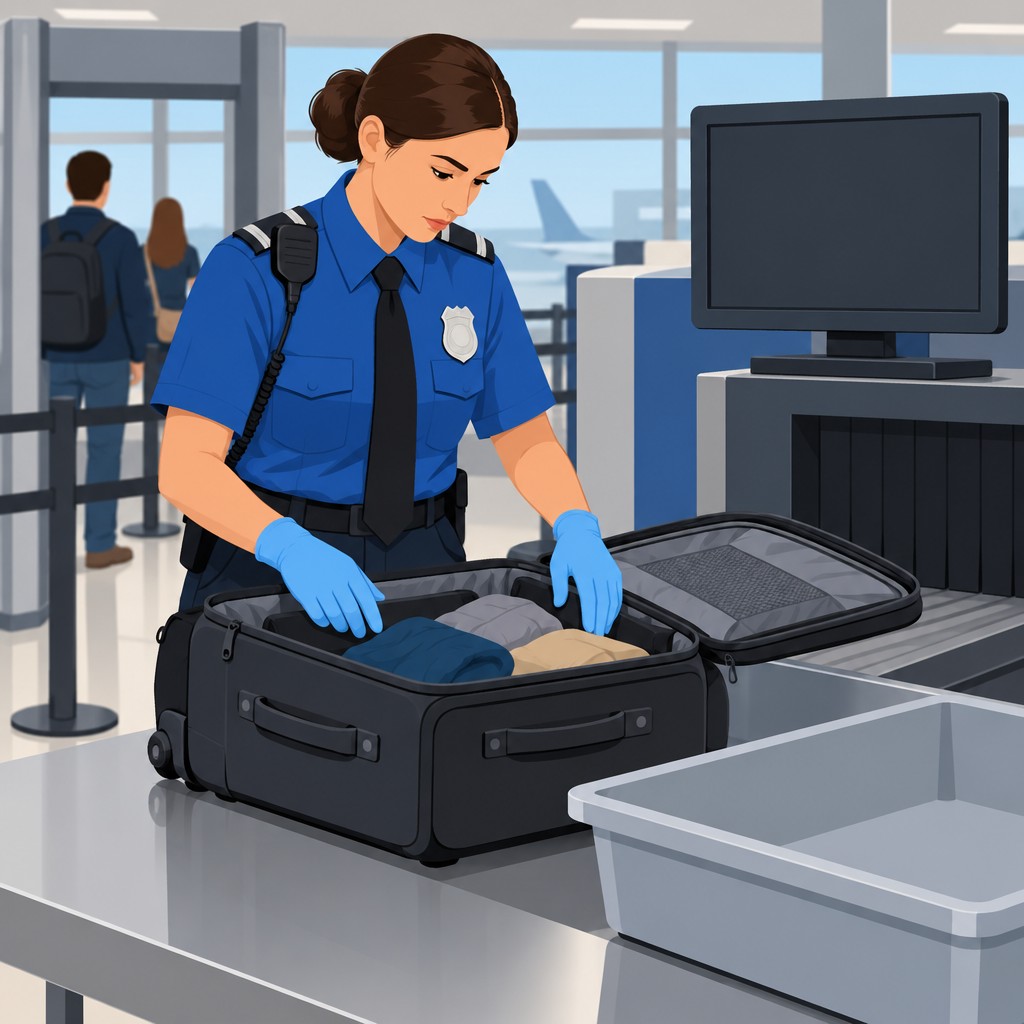
Screeners also help passengers remove items from carry-on bags.
They clarify rules for liquids and electronics during screening.
Additionally, they guide travelers through proper screening procedures.
Through effective communication and assistance, screeners support safety and efficiency at airports.
Their customer service helps passengers navigate required security measures with greater clarity.
Explore Further: Environmental Impact of Railroad Engineering
Professional Development and Training
Transportation security screeners need ongoing professional development to maintain current knowledge and practical skills.
Regular training helps them apply updated security protocols and procedures effectively.
Moreover, specialized instruction prepares them to address changing risks with confidence.
- Continuing education keeps screeners informed about current security protocols and procedures.
- Threat detection training helps screeners identify potential threats and suspicious behavior quickly.
- Specialized instruction strengthens decision-making during high-pressure situations.
- Ongoing training helps screeners adapt as security threats evolve within transportation.
This development equips screeners to perform their duties effectively and support airport security.
Resources That Support Airport Security
Airport security screeners provide a frontline defense against potential threats.
Their dedication helps safeguard travelers, passengers, crew members, and airline staff.
Moreover, their expertise supports safer and more secure airport operations.
Organizations should provide resources that support screeners’ training and professional growth.
Such investment can promote a safer and more secure travel experience for everyone.


