




Role of a Fish and Game Warden
Fish and game wardens enforce fishing, hunting, and trapping laws.
They protect wildlife through conservation work and law enforcement.
Their work combines wildlife conservation with law enforcement.
Job Duties and Responsibilities
- Wardens patrol designated areas to ensure compliance with wildlife regulations.
- They investigate reports of illegal hunting or fishing activities.
- Wardens educate the public about wildlife conservation.
- They conduct search and rescue operations for lost or injured hikers.
- Wardens collect wildlife population data for research purposes.
- They collaborate with other law enforcement agencies on wildlife-related cases.
Training and Qualifications
- Candidates need a bachelor’s degree in wildlife management or a related field.
- They must complete a state-approved training program.
- Physical fitness and firearms proficiency support their professional duties.
- Strong communication and problem-solving skills help them perform effectively.
- Knowledge of local flora and fauna strengthens their wildlife expertise.
Job Outlook
- The projected growth rate for fish and game wardens is 4 percent.
- Wildlife conservation priorities should keep demand for wardens steady.
- Job opportunities vary by state and location.
- Some regions experience higher demand than others.
- Advancement opportunities may remain limited because many wardens stay in their positions for extended periods.
Career Value in Wildlife Conservation
The role combines enforcement, conservation, public education, research, and rescue work.
Its projected growth rate and steady demand support continued interest in this career.
People passionate about wildlife and the environment may find this path rewarding and impactful.
Fish and Game Wardens perform several duties that protect wildlife and enforce conservation laws.
Their daily work supports wildlife management and promotes compliance with fishing and hunting regulations.
They also help preserve natural habitats by investigating activities that threaten wildlife populations.
Enforcing Fishing and Hunting Regulations
Fish and Game Wardens enforce fishing and hunting regulations established by wildlife management agencies.
They check licenses, monitor catch limits, and identify violations during their daily duties.
Additionally, they work to prevent illegal practices that could harm wildlife populations.
- Wardens enforce fishing and hunting regulations.
- They ensure that people follow wildlife management rules.
- They check licenses, monitor catch limits, and prevent illegal practices.
Patrolling Wildlife Areas
Fish and Game Wardens patrol wildlife areas to protect natural habitats.
During these patrols, they watch for poaching, littering, and habitat destruction.
Their presence helps deter illegal activity and supports the safety of wildlife populations.
- Wardens spend significant time patrolling wildlife areas.
- They monitor areas for poaching, littering, and habitat destruction.
- Patrols help deter criminal behavior and protect wildlife populations.
Investigating Illegal Wildlife Activities
Fish and Game Wardens investigate illegal activities connected to wildlife.
They gather information through surveillance, interviews, and undercover operations.
By addressing violations, they help maintain balance within ecosystems.
- Wardens investigate illegal wildlife activities.
- They may conduct undercover operations and surveillance.
- They interview people to gather evidence of wrongdoing.
These responsibilities allow Fish and Game Wardens to protect wildlife and enforce conservation laws.
Their work also supports compliance with fishing and hunting regulations.
Through patrols and investigations, they help preserve natural habitats and ecological balance.
Education Requirements
People pursuing fish and game warden careers must meet education and specialized training requirements.
These requirements help candidates develop knowledge for wildlife protection and conservation work.
Employers may set different standards, so applicants should review expectations for each position.
- A high school diploma or GED typically provides the minimum educational foundation for entry.
- Coursework in natural resource management, wildlife biology, or related subjects may strengthen an application.
- A bachelor’s degree in a relevant field can support career advancement.
Training and Certifications
Specialized training prepares wardens to handle wildlife law enforcement responsibilities.
Additional instruction develops practical skills for safety, investigations, and emergency response.
Certifications can also strengthen readiness for field-based duties.
- Many positions require completion of a wildlife law enforcement training program.
- Training may cover firearm safety, defensive tactics, and wildlife forensics.
- Boating safety, first aid, and CPR certifications may also support this role.
Education and training give aspiring wardens the foundation needed for conservation work.
They also build skills for protecting wildlife and preserving natural resources.
Meeting these requirements can help candidates prepare for successful careers as fish and game wardens.
You Might Also Like: Interview with an Experienced School Resource Officer
Fish and Game Warden Job Outlook and Growth Potential
Statistics indicate a promising future for fish and game wardens.
The projected growth rate for fish and game wardens is 4% from 2020 to 2030.
This rate matches the average for all occupations and suggests steady job opportunities.
- Budget constraints and population growth influence opportunities for fish and game wardens.
- Fluctuating local and state budgets can change openings for conservation efforts.
- Population growth may increase demand as more people participate in outdoor activities.
- State and local funding levels can affect available conservation positions.
- Steady growth should support job opportunities for fish and game wardens in coming years.
Learn More: Building a Career as an Independent Bodyguard
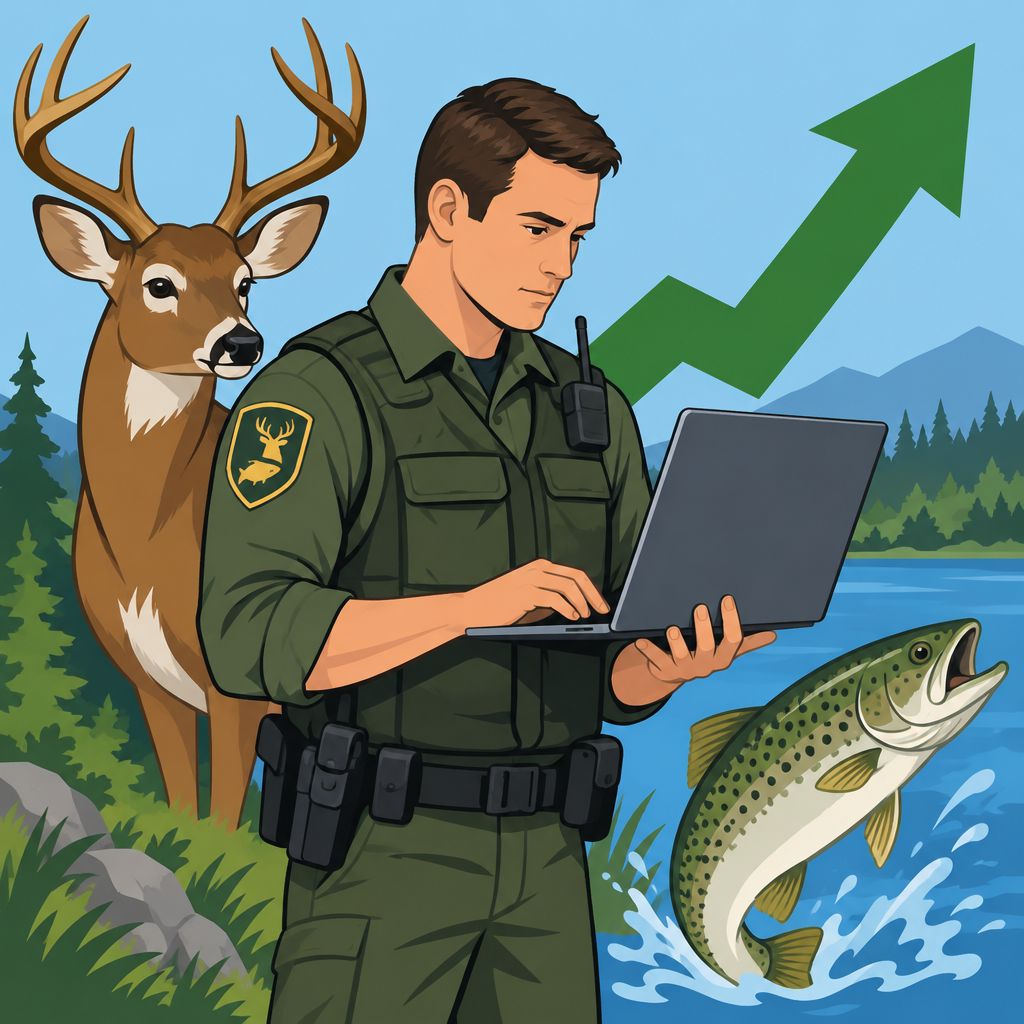
Salary and Benefits for Fish and Game Wardens
Fish and game wardens earn an average salary of around $57,500 per year.
Experience, location, and employer can affect individual pay.
Agencies may also provide benefits that support employee well-being and financial security.
Workplace Benefits and Professional Development
Health insurance helps wardens and their families afford medical care and treatments.
Retirement plans, including pensions or 401(k) accounts, help wardens prepare for their future.
Transform Your Career Today
Unlock a personalized career strategy that drives real results. Get tailored advice and a roadmap designed just for you.
Start NowPaid time off allows wardens to rest, recharge, and spend time with loved ones.
- Educational assistance may include tuition reimbursement for coursework related to job duties.
- Training opportunities help wardens improve expertise in law enforcement and wildlife conservation.
Training can also introduce updated techniques and technologies for workplace responsibilities.
Together, these benefits support financial stability and employee well-being.
The full package can support long-term career development and job satisfaction.
Find Out More: Difference Between Private Investigator and Detective
Work Environment for Fish and Game Wardens
Fish and Game Wardens typically work outdoors across forests, mountains, and bodies of water.
They often spend long hours patrolling assigned areas and enforcing fish and game laws.
Additionally, wardens may work alone or with small teams across extensive territories.
They travel long distances on foot, by vehicle, or by boat to reach remote locations.
Wardens also interact with the public during their regular duties.
They educate people about wildlife conservation, hunting regulations, and safe outdoor practices.
Risks and Challenges in the Field
Fish and Game Wardens may encounter dangerous wildlife while performing their duties.
For example, they may encounter bears, cougars, or venomous snakes.
Wardens study wildlife behavior to reduce the risk of dangerous encounters.
They must also respond safely when animals create immediate hazards.
In some situations, wardens may tranquilize animals or use other non-lethal methods.
Poaching presents another serious challenge for wardens and wildlife populations.
Poachers may hunt or fish illegally, threatening protected wildlife.
Wardens investigate suspected violations, gather evidence, and cooperate with law enforcement agencies.
These investigations can become dangerous when poachers carry weapons or act confrontationally.
Furthermore, environmental hazards can complicate fieldwork.
Wardens may work through extreme heat, severe cold, and changing weather conditions.
They need physical fitness and suitable equipment to manage demanding assignments.
Finally, wardens may navigate rough terrain, cross water, and work long field hours.
See Related Content: Preparing for the DEA Agent Fitness Test
Career advancement offers Fish and Game Wardens several opportunities to develop professionally.
Wardens can expand their responsibilities through specialized training, advanced education, and leadership roles.
These opportunities can strengthen their contributions to wildlife conservation and law enforcement.
Career Advancement Paths
Specialized training helps Fish and Game Wardens build expertise in focused areas.
Additionally, higher education can prepare wardens for broader responsibilities within natural resources management or law enforcement.
Experienced wardens can also pursue supervisory positions and guide other professionals.
- Fish and Game Wardens can study forensic science or wildlife management to strengthen their professional skills.
- Wardens can pursue advanced degrees related to natural resources management or law enforcement.
- Experienced wardens can become supervisors who oversee teams within their jurisdictions.
Promotion Opportunities
Promotion opportunities allow Fish and Game Wardens to assume greater authority within their agencies.
Some agencies also offer specialized units that support focused career development.
As wardens advance, they can manage operations, staff members, or defined geographic areas.
- A Fish and Game Warden can become a Chief Warden and oversee agency operations and staff.
- Wardens can seek positions in specialized units, including K-9 or marine enforcement units.
- A Regional Supervisor manages wardens and activities within a specific geographical area.
By pursuing these paths, Fish and Game Wardens can accept more responsibility within their agencies.
Furthermore, continued professional growth can help wardens contribute more effectively to conservation and enforcement efforts.
Current Job Outlook for Fish and Game Wardens
Fish and Game Wardens currently have a stable job outlook.
They play a crucial role in conserving wildlife.
Additionally, their work supports both environmental conservation and wildlife protection.
Growing Demand Through Environmental Conservation
Growing concern about environmental conservation continues to increase demand for Fish and Game Wardens.
Transform Your Career Today
Unlock a personalized career strategy that drives real results. Get tailored advice and a roadmap designed just for you.
Start NowThese professionals help address conservation priorities through their work.
As conservation receives greater attention, agencies may need more qualified candidates.
Potential for Future Job Growth
The field offers potential job growth as organizations emphasize wildlife habitat protection.
Protecting wildlife habitats creates continuing needs for conservation-focused professionals.
Therefore, prospective wardens may find opportunities as habitat protection remains important.
Government Investment in Wildlife Protection
Government agencies invest in wildlife protection initiatives.
Those initiatives can create additional opportunities for Fish and Game Wardens.
Furthermore, public investment reinforces the importance of conservation and enforcement work.
Rewards and Challenges of the Career
Fish and Game Warden work can present significant challenges.
However, the career can strongly reward people who value wildlife conservation.
It also suits individuals interested in combining conservation with law enforcement.
Additional Resources
Google search results for Fish and Game Warden Job Outlook Protective Services
Bing search results for Fish and Game Warden Job Outlook Protective Services


