



Introduction:
In the shipping and logistics industry, dock workers play a crucial role.
They ensure the smooth flow of goods.
Their job specializations encompass a wide range of tasks.
These tasks are essential for the efficient operation of docks.
General responsibilities of dock workers
Dock workers are responsible for safely moving cargo on and off ships.
They load and unload cargo from ships with care.
Dock workers use specialized equipment to transport goods efficiently.
These machines include forklifts and cranes.
Dock workers must follow safety protocols to prevent accidents and damage to cargo.
Specializations in the field of dock work
Container handling specialists unload and load shipping containers with precision.
Dock workers handling dangerous goods require specialized training.
Some dock workers specialize in handling perishable goods in refrigerated storage facilities.
Skills required for dock worker specializations
Specialized dock workers must pay close attention to detail.
They ensure accurate handling of goods at all times.
Physical fitness is often necessary for heavy lifting or working in challenging environments.
Specialized dock workers need to be skilled in operating specific machinery.
Training and education for dock worker specializations
Many dock worker specializations require hands-on experience to develop skills.
Some specializations may require certification to ensure competency.
Dock workers may need ongoing training to stay current with industry trends and regulations.
Career opportunities for specialized dock workers
Experienced dock workers may advance to supervisory roles overseeing dock operations.
Specialized dock workers can transition to coordinating transportation and logistics.
Some specialize in maintaining and repairing machinery used in dock operations.
Specialization in container handling
- Focus on handling and moving containers of varying sizes
- Importance of precision and organization in container handling
- Training and certifications required for this specialization
Container handling is a critical aspect of dock work.
It requires specific skills and expertise.
Dock workers specializing in container handling move containers efficiently.
They move containers of varying sizes from ships to storage yards or trucks.
This movement is essential for further transportation.
Focus on handling and moving containers of varying sizes
A key responsibility is to safely handle containers of different sizes.
This requires a high level of physical strength and coordination.
Dock workers must maneuver heavy containers without damage.
Whether handling small or large containers, workers must have expertise.
They ensure containers are placed securely and properly.
This prevents accidents or mishaps during transportation.
Importance of precision and organization in container handling
Precision is crucial to load and unload containers accurately.
Dock workers must pay attention to detail and follow protocols.
Following these protocols maintains efficiency and safety.
Organization is also key in container handling.
Workers track containers, their contents, and their destinations.
Proper organization helps avoid mix-ups and delays.
Delays in transportation could result in significant company losses.
Transform Your Career Today
Unlock a personalized career strategy that drives real results. Get tailored advice and a roadmap designed just for you.
Start NowTraining and certifications required for this specialization
Individuals need specific training programs to specialize in container handling.
Training covers container handling techniques, safety procedures, and equipment operation.
Certifications such as OSHA are essential for dock workers in this field.
IMDG certification is also important to demonstrate competence and industry adherence.
These certifications prove workers meet industry standards.
Success in this specialization requires physical strength, precision, and organization.
Proper training is vital to perform tasks safely and efficiently.
Dock workers with these skills ensure smooth flow of goods through the supply chain.
Explore Further: Role of Supply Chain Managers in Reducing Operational Costs
Specialization in hazardous materials handling
- Overview of handling dangerous goods on docks
- Importance of following safety protocols and regulations
- Training and certifications needed for handling hazardous materials
Overview of handling dangerous goods on docks
Dock workers specializing in hazardous materials handling play a crucial role.
They ensure the safe transportation and storage of dangerous goods.
These workers unload, load, and store hazardous materials such as chemicals.
Examples include flammable liquids and radioactive substances.
Workers must follow strict protocols and guidelines to prevent accidents.
They also ensure the safety of themselves and their coworkers.
Importance of following safety protocols and regulations
Handling hazardous materials poses risks to the environment and human health.
Dock workers must strictly adhere to safety protocols and regulations.
This adherence helps avoid accidents, spills, and exposure to harmful substances.
Failure to follow rules can lead to injuries and environmental damage.
There are also potential legal penalties for non-compliance.
By following established guidelines, workers minimize risks effectively.
They also maintain a safe working environment for everyone involved.
Training and certifications needed for handling hazardous materials
Dock workers specializing in hazardous materials handling must complete specific training.
This training ensures they have the knowledge and skills to handle dangerous goods safely.
Programs cover proper handling techniques and hazard identification.
They also include emergency response procedures and personal protective equipment use.
Workers need certifications such as Hazardous Materials Endorsements (HME) to work legally.
Investing in training and certifications enhances expertise and credibility.
Learn More: Dock Worker Duties: A Day in the Life on the Waterfront
Specialization in refrigerated cargo handling
Working with refrigerated cargo requires specialized skills to ensure perishable goods are handled safely.
These skills guarantee that perishable goods remain fresh throughout transportation.
Importance of maintaining proper temperatures for perishable goods
One critical aspect is maintaining proper temperatures for perishable goods.
Dock workers must monitor and adjust temperatures throughout the transportation process.
This vigilance helps keep goods fresh and safe for consumption.
Understanding of temperature control systems and equipment
Specialized knowledge of temperature control systems is essential for dock workers.
They must be familiar with refrigeration units and temperature monitoring devices.
Protocols for maintaining the required temperature range during transport are also vital.
Certification requirements for handling refrigerated cargo
Dock workers typically need specific certifications to handle refrigerated cargo competently.
These certifications include training on temperature control, unit maintenance, and emergency procedures.
They prepare workers to manage temperature fluctuations effectively.
Transform Your Career Today
Unlock a personalized career strategy that drives real results. Get tailored advice and a roadmap designed just for you.
Start NowDock workers with expertise in this area ensure safe and efficient transport of perishable goods.
They play a vital role in maintaining the quality and integrity of goods through the supply chain.
Delve into the Subject: Expediter’s Guide to Efficient Workflow Management
Specialization in bulk cargo handling
- Dock workers specialize in bulk cargo handling.
- They focus on loose items such as grains, coal, and ore.
- Proper storage and transport are crucial for safety and efficiency.
- Specialized training teaches proper techniques and equipment use.
- This specialization requires knowledge of cargo types and properties.
- Dock workers must operate machinery like conveyor belts and forklifts.
- Safety measures prevent accidents and protect workers.
- Efficient loading and unloading maximize productivity and reduce delays.
- Monitoring quality during storage and transport prevents damage and contamination.
- Effective communication and coordination ensure a smooth workflow.
- Constant training and skill updates keep workers competitive.
See Related Content: Physical Demands of Being a Dock Worker Explained
Specialization in Dock Supervision
When it comes to dock operations, having a skilled supervisor is essential to ensuring efficiency and safety.
Let’s delve into the specifics of this specialized role.
Overview of Supervisory Roles in Dock Operations
- Supervisors play a crucial role in overseeing the daily operations of the dock.
- They are responsible for managing a team of dock workers and ensuring that tasks are completed efficiently.
- Supervisors are also tasked with enforcing safety protocols to prevent accidents and injuries.
Responsibilities of Dock Supervisors
- Overseeing workers to ensure they are following proper procedures and guidelines.
- Scheduling tasks and assignments to maximize productivity and minimize downtime.
- Ensuring that safety protocols are followed to prevent accidents and injuries.
Training and Experience Required for Dock Supervision Roles
Individuals looking to pursue a career in dock supervision must possess a combination of training and experience to excel in this role.
- Many companies require a bachelor’s degree in a related field such as logistics or supply chain management.
- Previous experience working in a dock or warehouse setting is often required to understand the operational aspects.
- Training in safety protocols and procedures is essential to ensure the well-being of dock workers.
- Strong leadership and communication skills are necessary to effectively manage a team of workers.
Specialization in dock supervision is a vital component of efficient and safe dock operations.
By understanding the roles and responsibilities of dock supervisors, individuals can better prepare themselves for a career in this field.
Specialization in Crane Operation
Cranes operate crucially in dock operations.
This job specialization requires skilled workers.
Importance of Skilled Crane Operators in Dock Operations
- Efficient movement of cargo.
- Ensure safety of workers and cargo.
- Maximize productivity in dock operations.
Training and Certifications Needed for Operating Cranes
- Completion of crane operator training programs.
- Obtaining relevant certifications such as OSHA.
- On-the-job training and experience.
Risks and Challenges in Crane Operation on Docks
- Weather conditions affect crane operation.
- Proximity to water poses risks of accidents.
- Heavy machinery operation requires utmost caution.
Specializing in crane operation is essential for dock workers.
It ensures efficient and safe dock operations.
Proper training and certifications help operators excel.
Awareness of risks improves safety and productivity in the role.
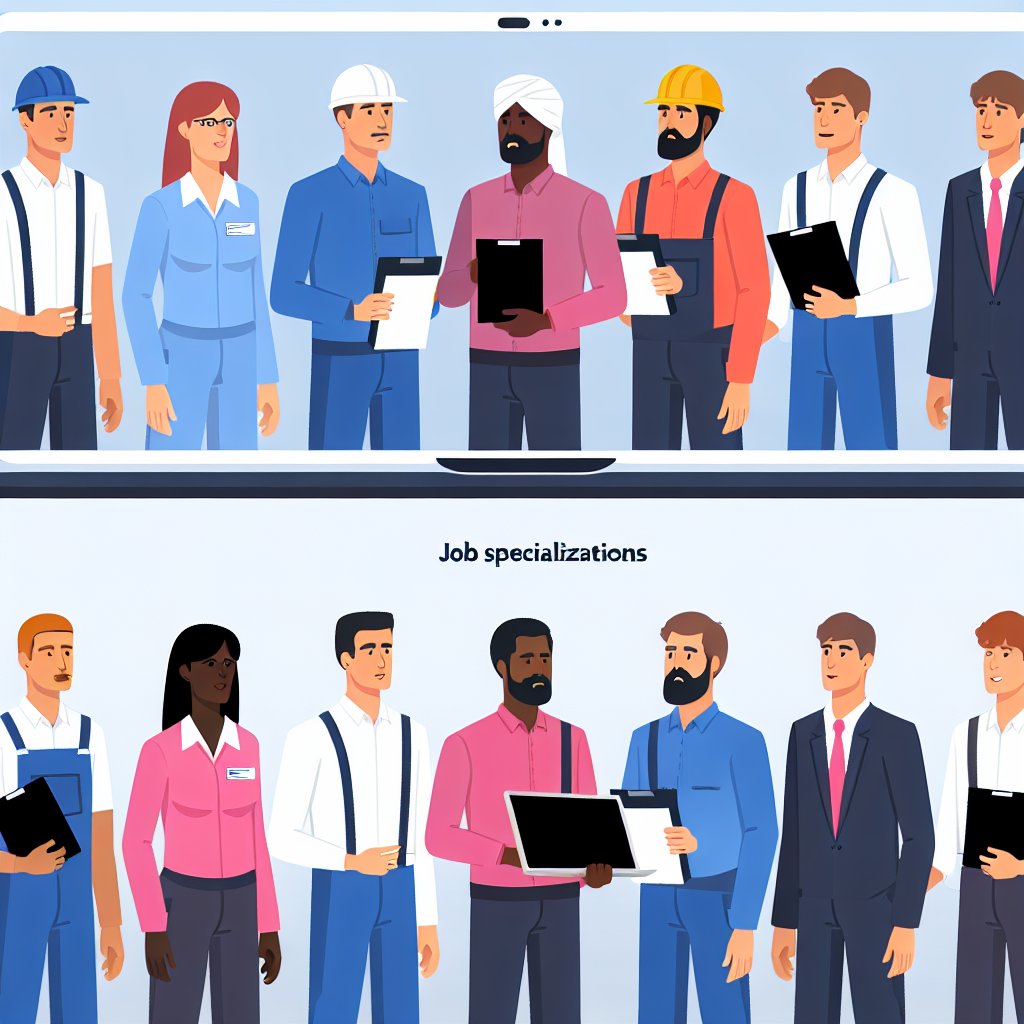
Exploring Job Specializations for Dock Workers
Dock workers have a variety of job specializations available to them.
Each specialization requires specific skills and expertise.
Cranes and Heavy Machinery Operators
Operating cranes and heavy machinery is a specialized skill.
This skill requires precision and attention to detail.
Cargo Handlers and Sorters
Cargo handlers and sorters organize incoming shipments.
They also categorize outgoing shipments accurately.
Logistics Coordinators and Planners
Logistics coordinators focus on optimizing goods flow at the dock.
Planners ensure efficient in and out movement of shipments.
Safety Inspectors and Compliance Officers
Safety inspectors ensure that safety standards are consistently met.
Compliance officers verify that all regulations are properly followed.
Inventory Control Specialists
Inventory control specialists manage stock levels carefully.
They track inventory movements and identify discrepancies.
Quality Assurance and Control Analysts
QA and QC analysts inspect goods to ensure quality standards are met.
Training, Certifications, and Experience
Specializing in dock work requires additional training.
Certifications and hands-on experience are essential in specialization.
Career Advancement Through Specialized Dock Work
Training and certifications enable career growth in dock operations.
Experience in a specific area enhances job opportunities and advancement.