




Introduction
Dairy products play a vital role in the American diet, offering many widely consumed options.
Milk, cheese, yogurt, and butter showcase the popularity of available dairy products.
However, fascinating science drives the development of these dairy products behind the scenes.
Dairy product development reflects centuries of human innovation and cultural change.
People gradually developed dairy practices that continue influencing food production today.
Origins of Dairy Product Consumption
- Early humans likely consumed dairy products after domesticating goats, sheep, and cows.
- Historical evidence suggests people consumed dairy products as early as 7000 BCE.
- These early practices established foundations for developing diverse dairy products.
Advancements in Dairy Farming and Processing
- As civilizations developed, communities also improved dairy farming and processing practices.
- Ancient Egyptians and Greeks significantly advanced dairy farming techniques.
- During the Middle Ages, structured farming increased milk yields and improved product quality.
Modern Technology’s Impact on Dairy Product Development
- Modern technology has transformed dairy product development during recent centuries.
- Pasteurization and refrigeration have improved dairy product safety and shelf life.
- Machinery and automation have streamlined processing, efficiency, and product consistency.
Dairy product history demonstrates continuous innovation across many generations.
Early consumption practices eventually supported increasingly advanced production methods.
Today, dairy products remain important to human nutrition and culture.
Nutritional Value of Dairy Products
Dairy products provide several essential nutrients that support health and well-being.
They can contribute calcium, protein, vitamins, and minerals to a balanced diet.
However, individual products provide different nutrient amounts and may require moderation.
- Dairy products provide calcium, which helps build strong bones and teeth.
- High-quality protein supports muscle growth, repair, and maintenance.
- Some dairy products contain added vitamin D, which supports calcium absorption and immune function.
- These foods provide vitamin B12, which supports nerve function and red blood cell formation.
- Dairy products contain potassium, which helps regulate blood pressure and fluid balance.
Health Benefits in a Balanced Diet
Calcium and vitamin D help build and maintain strong bones, which may reduce osteoporosis risk.
Protein supports muscle growth, repair, and recovery after exercise.
Additionally, potassium helps regulate blood pressure and fluid balance.
- Dairy products can support bone health by supplying calcium and vitamin D.
- Moderate dairy consumption can provide satiety and essential nutrients during weight management.
- Low-fat milk and yogurt can support heart health while limiting saturated fat intake.
- Their protein content helps repair muscle tissue and promote growth after exercise.
- These nutrients also support immune function, nerve function, and red blood cell production.
Therefore, regular dairy consumption can supply diverse nutrients that support important bodily functions.
Gain More Insights: Education Requirements for Animal Nutritionists
Role of Science in Dairy Product Development
Research and development help dairy companies create innovative products that meet changing consumer demands.
Scientists explore techniques and ingredients that improve dairy product quality and nutritional value.
Therefore, scientific knowledge supports product development throughout the dairy industry.
Research and Development in Dairy Products
Researchers study milk and its components to understand their properties.
They use this knowledge to manipulate ingredients and create new dairy products.
Additionally, scientists test ingredient combinations and processing methods for desired results.
Technology and Innovation in Dairy Product Quality
Technology supports dairy processing, manufacturing efficiency, and quality control.
Advanced filtration systems help manufacturers improve consistency during dairy product production.
Meanwhile, automation streamlines operations and supports reliable manufacturing processes.
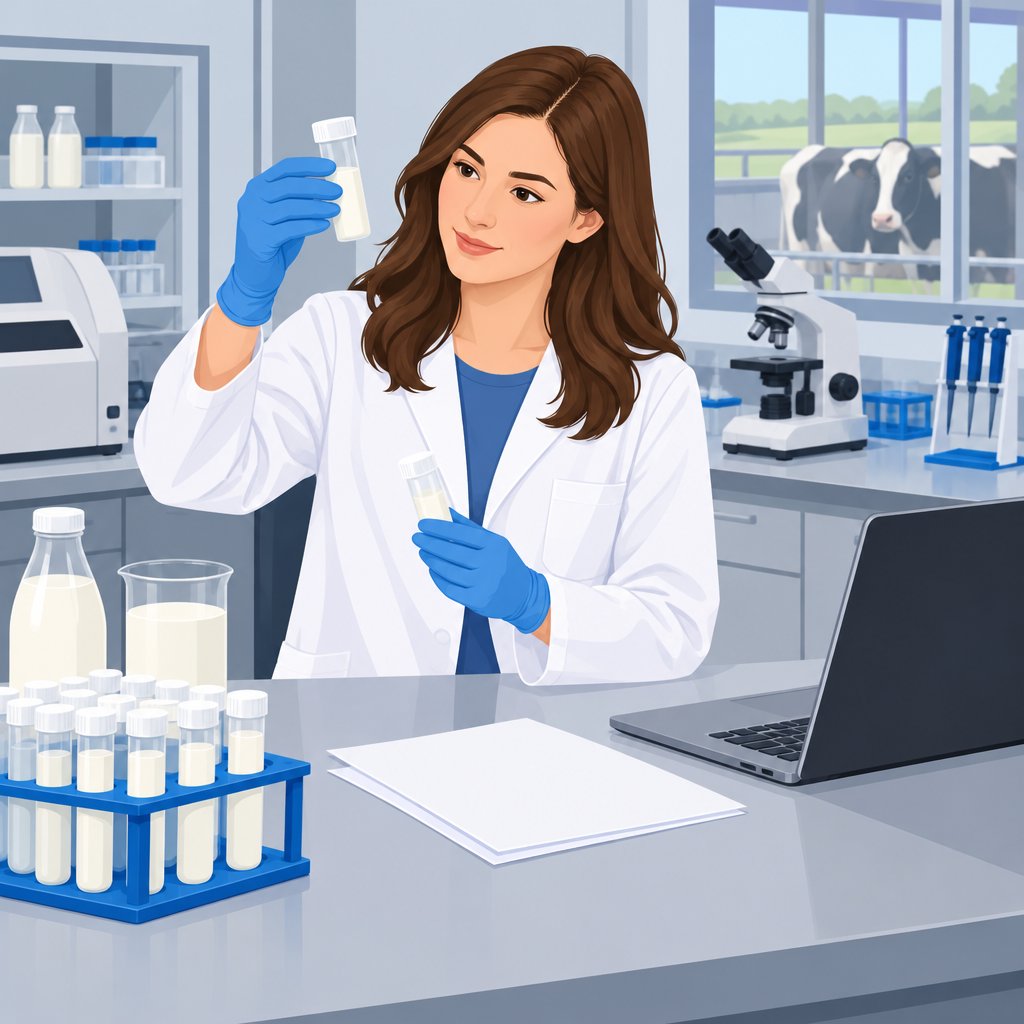
Collaboration Across the Dairy Industry
Successful product development requires collaboration among scientists, farmers, and manufacturers.
Scientists work with farmers to ensure that raw milk meets production standards.
Manufacturers use their input to develop dairy products that taste good and provide safety and nutrition.
Consequently, science helps the dairy industry respond to consumer preferences and market demands.
See Related Content: How to Secure Funding for Conservation Projects
Factors Influencing Dairy Product Development
When companies develop dairy products, several factors shape industry decisions.
Consumer preferences, sustainability concerns, and regulations strongly influence these decisions.
Companies must respond to these influences while pursuing product innovation.
Consumer Preferences and Market Trends
Consumer preferences strongly influence dairy product development.
For example, rising demand for plant-based alternatives encourages dairy companies to serve this growing consumer segment.
Meanwhile, health concerns encourage companies to develop low-fat and organic dairy products.
Social media and food bloggers also create trends that influence consumer choices.
Sustainability and Animal Welfare
Consumers also consider sustainability and animal welfare when choosing dairy products.
Consequently, many customers seek dairy products from responsible sources.
Dairy companies can reduce environmental impacts through waste reduction, energy efficiency, and responsible water management.
Transform Your Career Today
Unlock a personalized career strategy that drives real results. Get tailored advice and a roadmap designed just for you.
Start NowFurthermore, proper animal welfare practices help companies maintain consumer trust and loyalty.
Regulatory Requirements and Innovation
Regulations shape how companies develop, market, and sell dairy products.
Food safety, labeling, and quality standards establish important requirements.
Therefore, companies must ensure that products meet legal requirements and quality standards.
However, strict rules can create compliance challenges during innovation.
Companies must navigate these challenges while introducing new products to the market.
Delve into the Subject: Top Qualities of Successful Agricultural Quality Inspectors
Challenges in Dairy Product Development
Dairy product development involves several challenges.
Companies must balance innovation, consumer expectations, safety, and sustainability.
These priorities shape decisions throughout product development.
Market Competition
Furthermore, dairy brands compete with companies offering similar products.
Developers therefore need innovative products that stand out in the marketplace.
Unique product ideas can help companies respond to competitive pressure.
Changing Consumer Demands
Meanwhile, consumer preferences and market trends continue to change.
Developers must monitor current demands through thorough market research.
They also need to adapt quickly when consumer expectations shift.
Food Safety and Quality Control
Food safety and quality control remain essential throughout dairy production.
Contamination, spoilage, and improper handling can compromise product safety.
Therefore, companies must apply stringent controls across every production stage.
Environmental Impact
Dairy farming and processing can create substantial environmental impacts.
Water use, greenhouse gas emissions, and waste generation require careful management.
Companies must adopt sustainable practices to reduce dairy production’s environmental footprint.
Integrated Development Priorities
Successful development combines innovation, adaptability, quality control, and sustainability.
These practices help developers address consumer demands while maintaining product safety.
They also support responsible dairy production and stronger market performance.
Uncover the Details: Common Misconceptions About Agricultural Biotechnology
Future Trends in Dairy Product Development
Dairy product development continues to evolve as companies respond to changing consumer expectations.
New formulations, packaging methods, and digital tools are creating opportunities across the industry.
Plant-based alternatives are also influencing how dairy companies plan future products.
Innovations in Dairy Formulation and Packaging
Technology enables dairy companies to create products that address changing consumer demands.
Developers can combine functional ingredients with distinctive flavors to expand product choices.
Packaging teams are also exploring sustainable materials and smart packaging solutions.
- Advanced technology supports new dairy formulations and product concepts.
- Functional ingredients can help companies respond to specific consumer preferences.
- Unique flavor combinations allow developers to create more varied dairy products.
- Sustainable packaging materials can support changing environmental expectations.
- Smart packaging solutions are becoming more common within dairy product development.
Dairy Alternatives and Plant-Based Market Changes
Growing health and environmental awareness continues to increase interest in dairy alternatives.
Consumers are seeking options that they view as healthier and more sustainable.
This demand encourages traditional dairy companies to adjust their product development strategies.
- Almond milk is gaining attention among consumers seeking dairy alternatives.
- Soy yogurt provides another plant-based option within the expanding market.
- Coconut cheese adds variety to plant-based product choices.
- Plant-based growth may significantly influence future dairy industry decisions.
- Traditional dairy companies may innovate as consumer preferences continue changing.
Digital Technology and Data-Driven Product Development
Digital technology is changing how dairy companies develop, produce, and market their products.
Data analytics helps developers understand consumer feedback and identify specific product preferences.
Digital tools can also improve production efficiency and help companies reduce waste.
- Data insights help developers tailor products to consumer needs.
- Consumer feedback supports more targeted dairy product decisions.
- Digital systems can streamline production processes.
- Improved data use can support greater efficiency in product development.
- Analytics can help companies identify opportunities for future innovation.
Consumer Choices and Dairy Innovation
Dairy product development combines microbiology, chemistry, and food engineering to create products that meet consumer demands.
This scientific collaboration enables manufacturers to explore new flavors, textures, and potential health benefits.
Transform Your Career Today
Unlock a personalized career strategy that drives real results. Get tailored advice and a roadmap designed just for you.
Start NowConsequently, consumers can encounter more varied choices across the dairy marketplace.
Dairy products remain important in the American food industry.
Milk, cheese, yogurt, and ice cream provide flavor and texture in many dishes.
These products also offer options for consumers across different age groups.
Therefore, consumers should follow new research and technological developments in dairy production.
As companies introduce new products, shoppers can compare distinctive flavors and potential health benefits.
Learning about these changes helps consumers evaluate available choices more thoughtfully.
Consumers can use scientific knowledge when selecting dairy products.
For example, they may choose organic dairy or sample an unfamiliar cheese.
Such decisions can support personal preferences while encouraging continued industry growth.
By exploring dairy options, consumers can broaden their culinary experiences.
Meanwhile, informed purchasing can support innovation throughout the dairy industry.
Additional Resources
Google search results for The Science Behind Dairy Product Development Agricultural
Bing search results for The Science Behind Dairy Product Development Agricultural


