




Counseling in Domestic Violence Recovery
Domestic violence recovery presents challenges that require professional support.
Counseling plays a crucial role in addressing abuse’s physical, emotional, and psychological effects.
Survivors often face emotional and psychological challenges that hinder healthy progress.
However, counseling provides a safe space for survivors to process trauma.
It also helps survivors develop coping strategies and rebuild their self-worth.
Furthermore, counseling supports survivors as they reclaim their autonomy.
Professional therapists help survivors identify underlying issues connected to their experiences.
They also help survivors examine harmful patterns, beliefs, and emotional responses.
Through this process, survivors can better understand experiences that affect their well-being.
Additionally, counseling teaches survivors to establish healthy boundaries.
Survivors also develop stronger communication skills through therapeutic support.
These skills help survivors rebuild trust in themselves and others.
This healing process supports healthier relationships and helps break patterns of violence.
Ultimately, counseling gives survivors support, tools, and guidance for rebuilding their lives.
By seeking professional help, survivors can reclaim their power and pursue healing.
They can also create a future free from the pain of abuse.
Definition of Domestic Violence
Domestic violence involves physical, emotional, psychological, or financial abuse within a relationship.
It can occur between intimate partners, family members, or household members.
Furthermore, its effects can persist and influence survivors in several ways.
Forms of Domestic Violence
Abuse can take several forms, and each form may affect survivors differently.
Some abusive behaviors cause immediate harm, while others create ongoing control.
Recognizing these patterns can clarify the experiences that survivors face.
- Physical Abuse: This includes hitting, slapping, punching, kicking, or causing other physical harm.
- Emotional Abuse: This uses manipulation, threats, and intimidation to control and isolate survivors.
- Psychological Abuse: This includes gaslighting, mind games, and constant criticism that erodes self-esteem.
- Financial Abuse: This controls access to money, employment, or resources, which can trap survivors.
Lasting Effects of Domestic Violence
Domestic violence can affect physical health, emotional well-being, relationships, and financial stability.
These effects may continue after the abusive relationship ends.
Additionally, survivors may need time and support while rebuilding their lives.
- Physical Health: Survivors may experience chronic pain, injuries, and long-term health issues.
- Emotional Well-being: Survivors may experience anxiety, depression, PTSD, and low self-esteem.
- Relationship Challenges: Survivors may struggle to form trusting and healthy relationships later.
- Financial Instability: Survivors may face financial difficulties after experiencing financial abuse.
Challenges During Recovery
Survivors may encounter several barriers while seeking safety and rebuilding their independence.
Fear, shame, isolation, and dependency can make changes difficult.
However, recognizing these barriers can help explain why recovery often takes time.
- Fear of Repercussions: Survivors may fear retaliation if they seek help or leave.
- Shame and Stigma: Survivors may feel embarrassed or judged for remaining in an abusive relationship.
- Isolation: Survivors may feel separated from friends and family because of controlling behavior.
- Dependency: Survivors may depend financially, emotionally, or physically on the abusive person.
Counseling Supports Healing and Recovery
Counseling gives survivors a safe space to address trauma and begin healing.
It also supports self-esteem, emotional processing, and healthier coping strategies.
Additionally, therapists help survivors regain agency and move forward with greater confidence.
- Addressing Trauma: Counseling helps survivors process trauma in a supportive, nonjudgmental environment.
- Rebuilding Self-Esteem: Counseling helps survivors restore self-worth, confidence, and control over their lives.
- Processing Emotions: Counseling provides space to express fear, anger, sadness, and shame safely.
- Developing Coping Mechanisms: Therapists teach practical skills for managing triggers, stress, and difficult emotions.
Counseling equips survivors with tools and support for healing and rebuilding their lives.
It also encourages survivors to prioritize well-being and cultivate positive relationships moving forward.
See Related Content: Key Skills for Crisis Intervention Specialists
Types of Counseling for Domestic Violence Survivors
Survivors can explore several counseling approaches during their recovery journey.
Each approach offers different ways to process experiences, emotions, and trauma.
Choosing a suitable option can help survivors address their individual needs.
- Individual therapy supports private emotional processing and personal reflection.
- Group therapy connects survivors with others who share similar experiences.
- Trauma-focused therapy addresses the emotional and psychological effects of abuse.
- Art therapy encourages creative expression when words feel difficult.
Individual Therapy for Personal Processing
Individual therapy gives survivors a private setting for discussing emotions and personal experiences.
Survivors can explore difficult feelings at a pace that feels manageable.
This approach allows the therapist to focus closely on each survivor’s needs.
Transform Your Career Today
Unlock a personalized career strategy that drives real results. Get tailored advice and a roadmap designed just for you.
Start NowGroup Therapy for Shared Support
Group therapy creates a supportive environment for survivors with similar experiences.
Participants may feel less alone when others understand their challenges.
Additionally, shared experiences can provide encouragement during the recovery process.
Trauma-Focused Therapy for Emotional Healing
Trauma-focused therapy helps survivors examine abuse-related emotional and psychological effects.
Therapy can help survivors understand how trauma affects their mental health.
Survivors can also develop coping strategies for managing difficult symptoms.
Art Therapy for Creative Expression
Art therapy gives survivors a creative way to express complex emotions.
Creating art can help people communicate feelings that words cannot capture.
This approach may suit survivors who find verbal expression challenging.
Uncover the Details: Life Skills Instructors and Mental Health Support
Counseling Techniques for Recovery
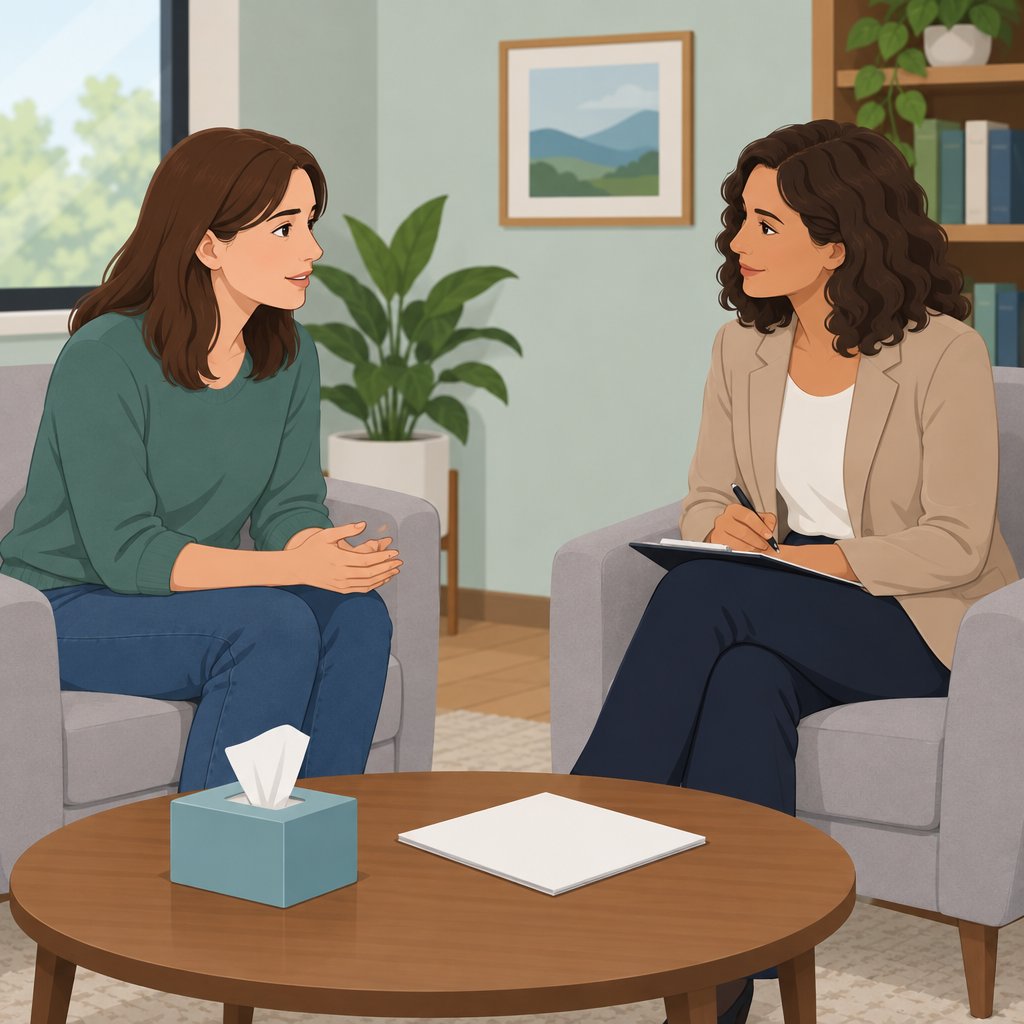
Counselors use several techniques to support survivors during domestic violence recovery.
These methods help survivors examine thoughts, express emotions, and develop healthier responses.
Each technique offers a distinct way to process experiences and encourage personal empowerment.
- Cognitive Behavioral Therapy helps survivors identify negative thoughts and behaviors.
- It also helps survivors replace those patterns with healthier ones.
- Narrative Therapy helps survivors reframe their experiences.
- This approach supports survivors as they create empowering personal narratives.
- Art therapy allows survivors to express emotions through creative activities.
Safe and Supportive Therapeutic Environments
A safe therapeutic environment helps survivors feel comfortable sharing their stories.
When survivors feel safe, they become more willing to discuss experiences and emotions.
A supportive counselor validates survivors and helps them feel heard and understood.
- Survivors can explore difficult feelings within a secure therapeutic space.
- This environment can support healing after domestic violence trauma.
These counseling techniques can empower survivors throughout their healing journeys.
Supportive therapeutic relationships can also help survivors move toward recovery.
Uncover the Details: Managing Stress: School Social Worker Self-Care Tips
Building Trust and Establishing Boundaries
Counselors help survivors rebuild trust in themselves and others.
Through therapy, survivors strengthen intuition and judgment affected by abuse.
Additionally, counselors guide survivors toward healthy boundaries that reduce future harm.
Healthy boundaries empower survivors to express needs and respond when others cross limits.
Counseling helps survivors recognize toxic behaviors and relationship patterns linked to domestic violence.
By noticing warning signs, survivors can take proactive steps to avoid recurring abuse.
Counselors provide a secure setting where survivors examine fears surrounding trust and boundaries.
Therapy helps survivors understand how trauma can affect trust and healthy relationships.
Meanwhile, survivors learn to distinguish healthy behaviors from unhealthy behaviors.
Counseling also encourages self-care and prioritizes well-being during boundary development.
These skills support survivors as they establish and enforce personal boundaries.
Find Out More: Housing Coordinators and Community Impact
Addressing Co-occurring Issues
Survivors may experience substance use, mental health concerns, and financial instability alongside abuse-related recovery needs.
These challenges can complicate recovery and affect daily decisions, relationships, and personal well-being.
Counseling can help survivors identify connected needs and plan practical steps toward greater stability.
- Substance abuse
- Mental health disorders
- Financial instability
Addressing Substance Abuse
Some survivors use substances to manage trauma and emotional distress.
Counseling creates space to examine substance use without judgment.
Survivors can develop healthier coping methods and pursue recovery at their own pace.
Supporting Mental Health
Domestic violence can contribute to depression, anxiety, post-traumatic stress disorder, and other mental health challenges.
Therapy can address each survivor’s mental health needs through appropriate support.
Furthermore, counseling can strengthen resilience while survivors process difficult emotions.
Transform Your Career Today
Unlock a personalized career strategy that drives real results. Get tailored advice and a roadmap designed just for you.
Start NowImproving Financial Stability
Leaving an abusive relationship can create serious financial uncertainty.
Counseling can help survivors build financial literacy and access available resources.
Consequently, survivors can make informed decisions that support independence and stability.
Using a Holistic Counseling Approach
Survivors are not defined solely by their experiences of domestic violence.
A holistic approach recognizes how different life factors interact during recovery.
Therefore, counseling should address the survivor’s broader circumstances alongside personal healing needs.
Recognizing Intersectional Factors
Survivors’ identities, backgrounds, and circumstances can shape their experiences of domestic violence.
These factors may also influence how survivors respond to counseling and recovery challenges.
Recognizing intersectionality allows counselors to provide more responsive and individualized support.
Coordinating Integrated Care
Counselors can collaborate with mental health professionals and substance abuse specialists.
Financial advisors and other experts can address additional needs affecting survivors’ stability.
Integrated care connects these services and supports a more comprehensive recovery process.
Through personalized counseling, survivors can address co-occurring issues while pursuing healing and restoration.
This coordinated support can empower survivors to make informed choices about their recovery.
Support Systems and Resources
Strong support systems help survivors navigate recovery.
Friends, family, support groups, and community organizations can provide emotional, psychological, and practical assistance.
These resources can help survivors feel heard, understood, and valued.
- Friends and Family: Supportive relatives and friends can listen, offer comfort, and provide practical assistance.
- Support Groups: Support groups give survivors a safe place to share experiences and connect with others who understand.
- Community Organizations: Community organizations can offer counseling, safety planning, legal guidance, and other support services.
Survivors can also access specialized services through hotlines, shelters, advocates, and legal assistance.
These resources can address immediate safety needs and support longer-term rebuilding.
- Hotlines: Trained hotline professionals can provide crisis intervention, information, guidance, and referrals to local services.
- Shelters: Emergency shelters offer secure temporary housing, counseling, advocacy, and support for individuals and families leaving abuse.
- Advocacy Services: Advocates can help survivors access resources, navigate legal systems, and develop safety plans.
- Legal Assistance: Legal aid organizations and pro bono attorneys can assist with protective orders, child custody arrangements, and other remedies.
Using these resources can help survivors find assistance that matches their circumstances.
Supportive services can help survivors heal, recover, and rebuild their lives.
Survivors can choose resources that support safety, stability, and personal growth.
Counseling and Survivor Empowerment
Professional counseling gives survivors a secure setting to process trauma and strengthen coping skills.
Furthermore, trained counselors provide guidance, validation, and support throughout the healing journey.
Survivors can use this support to regain control and make choices that reflect their needs.
Counseling also helps survivors understand emotional responses connected to abuse.
With professional guidance, they can set boundaries and recognize healthier relationship patterns.
These skills can support safer decisions and more stable connections.
Moreover, counseling can help survivors rebuild self esteem and develop confidence in their abilities.
Seeking help represents a brave step toward personal autonomy and renewed well being.
Over time, survivors can use learned strategies to manage emotions and pursue meaningful goals.
Counseling supports a future in which survivors can live with greater confidence and freedom from abuse.
This process can become transformative when survivors receive consistent, respectful professional support.


