




Impact of Community Health Workers on Healthcare Access
Community health workers are individuals who serve as bridges between communities and healthcare services.
Healthcare access remains crucial for timely and appropriate medical care.
Community health workers significantly improve healthcare access in underserved communities.
They provide culturally competent care, education, and support to people facing healthcare barriers.
By engaging community members, they identify healthcare needs and connect individuals with available resources.
Furthermore, these workers empower individuals to manage their health and well-being.
They also help people navigate healthcare systems and address social determinants of health.
Studies show that community health worker involvement produces better health outcomes.
Additionally, these workers reduce healthcare disparities and improve care quality throughout communities.
Their work supports preventive care, chronic condition management, and responses to public health concerns.
Ultimately, community health workers expand healthcare access and promote health equity.
Definition and Roles of Community Health Workers
Community Health Workers are frontline public health workers trusted by the communities they serve.
They often come from the same communities and understand local cultures, beliefs, and needs.
They provide health education, support, and advocacy for underserved populations.
Training and Qualifications
CHWs complete training that prepares them to perform their responsibilities effectively.
Training programs differ according to each setting and the tasks assigned to CHWs.
Common training areas include health education, communication skills, and basic medical knowledge.
CHWs also learn to help community members navigate available resources.
Many CHWs earn certification or accreditation from reputable organizations.
These credentials demonstrate their competence and commitment to community service.
Regional requirements vary, but employers may seek a high school diploma or equivalent.
Relevant healthcare or community outreach experience may also support qualification.
A passion for helping others remains an important quality for this work.
Cultural Competence in Community Health Work
Cultural competence helps CHWs respect the beliefs, practices, and traditions of each community.
By demonstrating respect, CHWs build trust and establish meaningful relationships with community members.
Those relationships support effective health promotion and disease prevention efforts.
Culturally competent CHWs can tailor their interventions to meet diverse population needs.
They can address language barriers and limited trust in healthcare systems.
They can also recognize differing health beliefs when supporting community members.
These practices can improve health outcomes and encourage healthcare use among marginalized communities.
Through their knowledge and service, CHWs make valuable contributions to public health.
Community health workers improve healthcare access in underserved communities.
Their community connections help them address barriers that limit access to quality healthcare services.
They also support individuals as they seek preventive and ongoing care.
Increased Preventive Care Services
Community health workers promote regular check-ups, screenings, immunizations, and other preventive measures.
They explain why preventive care matters and encourage individuals to take proactive health steps.
As a result, community members receive clearer guidance about maintaining their health.
Trust and Communication in Underserved Communities
Some underserved communities experience limited access because of mistrust or cultural barriers.
Community health workers help healthcare providers communicate more effectively with local residents.
Additionally, their understanding of community needs supports stronger trust and more accessible care.
Transform Your Career Today
Unlock a personalized career strategy that drives real results. Get tailored advice and a roadmap designed just for you.
Start NowSupport for Chronic Condition Management
People with chronic conditions often need continuing education, resources, and treatment support.
Community health workers help them navigate healthcare services and follow their treatment plans.
This support can strengthen health management and help individuals access needed care.
Through these activities, community health workers address barriers that affect healthcare access.
They also advocate for improved health outcomes among individuals in underserved communities.
Uncover the Details: Measuring Success as a Community Outreach Coordinator
Community Health Workers address practical barriers that can prevent people from receiving quality healthcare.
They support underserved individuals as those individuals communicate with providers and manage healthcare needs.
Through advocacy and education, CHWs help people access appropriate care more effectively.
Language Barriers
Language differences can create misunderstandings during medical appointments.
For example, limited English fluency may affect how patients understand diagnoses, treatments, and medications.
CHWs help patients and providers communicate clearly despite language differences.
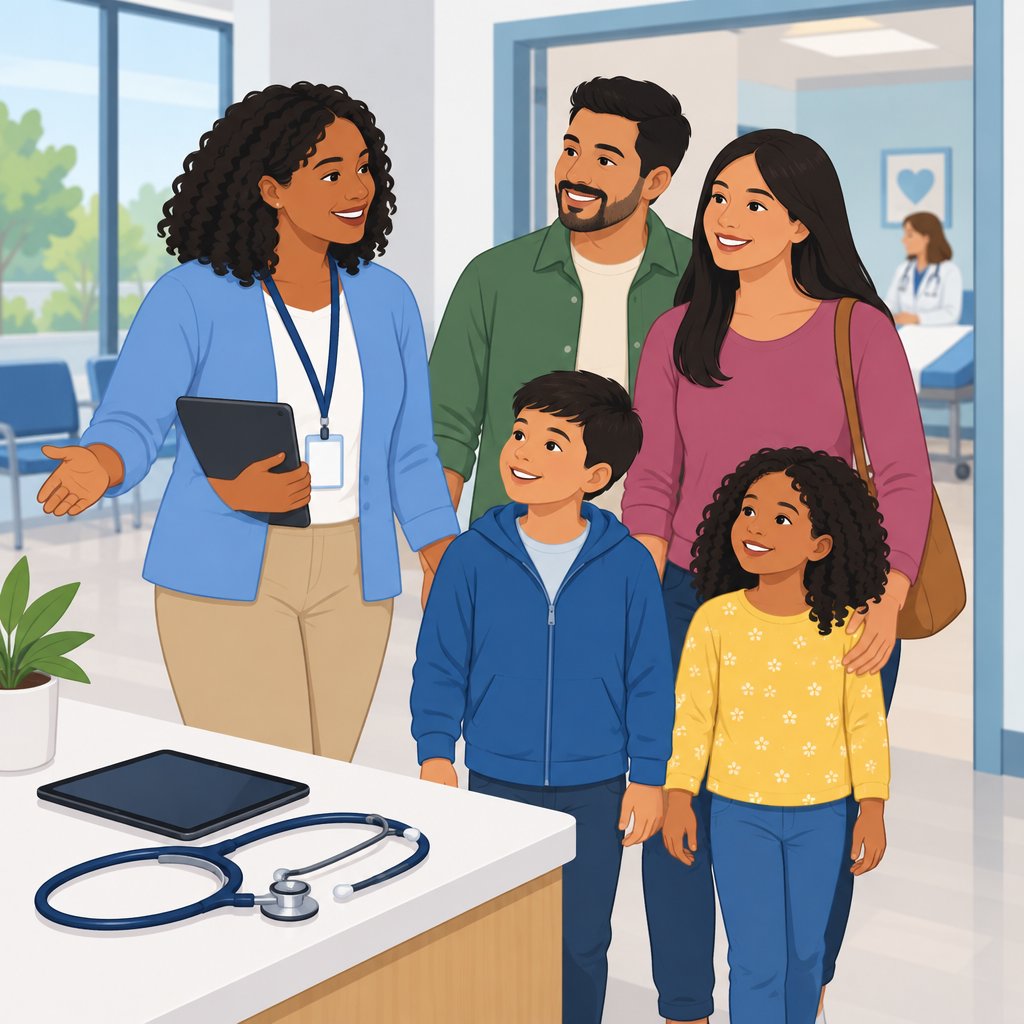
- CHWs act as cultural brokers between healthcare providers and non-English-speaking patients.
- They provide interpretation during medical visits and explain diagnoses, treatment options, and medications.
- As a result, patients can communicate more effectively and receive needed care.
Transportation Challenges
Transportation problems can prevent people from reaching healthcare facilities.
These challenges often affect people in rural areas and low-income communities.
Consequently, missed appointments can delay treatment and other necessary care.
- CHWs coordinate transportation services for patients who cannot easily reach healthcare facilities.
- They arrange shuttle services, public transportation vouchers, or volunteer drivers.
- Therefore, patients can attend appointments on time and receive timely medical care.
Health Literacy Support
Limited health literacy can make medical information difficult to understand.
Patients may also struggle to follow treatment plans or navigate healthcare services.
CHWs make healthcare information clearer and help individuals participate in health decisions.
- CHWs provide education about health conditions and available treatment options.
- They explain how to access services, enroll in insurance plans, and navigate medical processes.
- By improving understanding, CHWs help individuals make informed health decisions.
See Related Content: How to Find Mental Health Technician Jobs
Case Studies: Success Stories
Community health workers play a crucial role in healthcare access.
They support people across various communities.
The following examples show their significant impact.
- Rural Village in Africa: Community health workers provide essential services to underserved populations.
- Inner-city Neighborhood in the US: Community health workers bridge healthcare gaps for marginalized communities.
- Indigenous Community in South America: Community health workers promote culturally sensitive healthcare practices.
Testimonials from Beneficiaries
Individuals who benefited directly have shared their experiences.
These testimonials describe support from community health workers.
The stories highlight vaccination, chronic care, and healthcare navigation.
- Maria, Single Mother: “Thanks to the community health worker, my children received timely vaccinations and screenings.”
- John, Elderly Resident: “The community health worker helped me manage my chronic condition and provided emotional support.”
- Sofia, Immigrant: “I navigated the complex healthcare system with help from the community health worker.”
You Might Also Like: Integrating Medication in Substance Abuse Treatment
Challenges Faced by Community Health Workers
- Burnout due to high workload
- Limited resources and support from healthcare systems
- Overcoming stigma and building trust within communities
Community health workers play a crucial role in improving healthcare access and outcomes within underserved communities.
However, several challenges can affect their effectiveness and well-being.
These challenges include heavy workloads, limited support, and difficulties building community trust.
Burnout Caused by Heavy Workloads
High workloads create one of the major challenges for community health workers.
These workers often manage multiple responsibilities while supporting many patients with limited resources.
As a result, demanding schedules can cause physical and emotional exhaustion.
Without adequate support, exhaustion may reduce their ability to maintain consistent care quality.
Limited Resources and Healthcare Support
Community health workers often operate in environments with limited tools, medications, and technologies.
Consequently, resource shortages can hinder their ability to meet community healthcare needs effectively.
Healthcare systems may also provide insufficient training, supervision, and mentorship.
Without proper guidance, workers may struggle to address complex health concerns within their communities.
Building Trust and Addressing Community Stigma
Community health workers help connect healthcare providers with underserved communities.
Nevertheless, some community members may question their qualifications and abilities.
Workers can build trust by engaging community leaders and listening carefully to residents’ needs.
Transform Your Career Today
Unlock a personalized career strategy that drives real results. Get tailored advice and a roadmap designed just for you.
Start NowThey should also demonstrate empathy and cultural sensitivity during every interaction.
Healthcare systems can strengthen community care by addressing burnout, resource shortages, and stigma.
Uncover the Details: Developing a Community Health Worker Program
Future Directions for Community Health Workers
Community health worker programs show strong potential for broader implementation in communities needing additional support.
Moreover, mobile applications and telemedicine can help workers reach more people and provide better care.
Additionally, growing recognition of their healthcare role supports policies that empower community health workers.
Therefore, expansion, technology integration, and policy advocacy can strengthen their contributions to underserved populations.
Sustaining Community Health Worker Programs
Community health workers connect marginalized communities with healthcare services.
They provide culturally competent care and address social determinants of health.
Therefore, communities should support and advocate for expanded community health worker programs.
Advancing Equitable Healthcare Access
Investment can broaden healthcare access for underserved populations.
Such investment can also help reduce health disparities.
Meanwhile, community health workers improve health outcomes and help create healthier communities.


