




Casino Dealer Responsibilities
A casino dealer manages table games.
The dealer ensures fair play in a casino.
The role remains crucial because the dealer represents the casino to customers.
Origins of the Casino Dealer Role
Early gambling establishments gradually developed a need for dedicated dealers.
Initially, card players took turns acting as dealers during gambling games.
As casinos became more formalized, the dealer role began to evolve.
Consequently, casinos hired professional dealers to support fair and smooth gameplay.
- Card players initially took turns acting as dealers during early gambling games.
- Formalized casinos gradually changed how dealers supported gambling activities.
- Professional dealers helped casinos maintain fairness and smooth gameplay.
This development marked a significant shift in the gambling industry.
The next section examines the training and skills modern casino dealers require.
Development of Dealer Training Programs
As casinos became more popular, they recognized the need for trained and skilled dealers.
Consequently, casinos introduced formal training programs for aspiring dealers.
These programs equipped dealers with skills for managing table games effectively.
Formal Training Programs for Casino Dealers
- Casinos began establishing in-house training programs for aspiring dealers.
- These programs taught table game rules, proper shuffling, and accurate dealing techniques.
- Additionally, dealers learned to manage disputes and respond to unruly customers.
- The training prepared dealers for the casino floor’s fast-paced and demanding environment.
- Over time, casinos made these programs more standardized and rigorous.
- Some casinos also partnered with accredited institutions to offer certification programs.
Requirements and Skills for Certified Dealers
- Requirements vary by casino, but aspiring dealers commonly meet several basic criteria.
- Most casinos require a high school diploma or equivalent.
- Applicants must also meet the minimum age requirement of 18 years.
- Dealers need strong mathematics skills to calculate payouts and maintain transaction accuracy.
- Furthermore, effective communication helps dealers interact professionally with players and colleagues.
- Dealers must maintain focus during long shifts because errors can cause significant casino losses.
Proper training and certification support a more professional gaming experience.
They also help casinos prepare dealers for demanding table game environments.
You Might Also Like: Developing Leadership Skills in Fitness Centers
Impact of Technology on the Casino Dealer Role
Technology continues to reshape casino dealer duties and workplace expectations.
Electronic games and automated systems now influence how dealers support casino gameplay.
As a result, dealers must understand digital tools alongside traditional gaming procedures.
Transition to Electronic Games
Casinos have expanded beyond physical card games into electronic gaming formats.
Dealers now oversee digital card games played on electronic devices.
This transition requires them to operate interfaces and monitor gameplay carefully.
- Physical card games no longer represent the only format dealers oversee.
- Electronic platforms may require dealers to operate touch-screen interfaces.
- Dealers must monitor several electronic games at the same time.
- When technical problems arise, dealers may need to identify and troubleshoot them.
Automated Dealers and Virtual Reality
Automated dealers use electronic devices to deal cards and monitor gameplay.
These systems can support faster games and reduce dealing errors.
Meanwhile, virtual reality gives players a more immersive and interactive experience.
- Automated dealers can operate without direct human intervention.
- Their use can streamline the gaming process.
- Virtual reality places players and dealers in a simulated environment.
- Dealers can interact with players through that virtual setting.
These developments require dealers to learn electronic gaming platforms and virtual reality tools.
Technology has therefore broadened the skills that modern casino dealers use during gameplay.
Delve into the Subject: Creating a Memorable Dining Experience
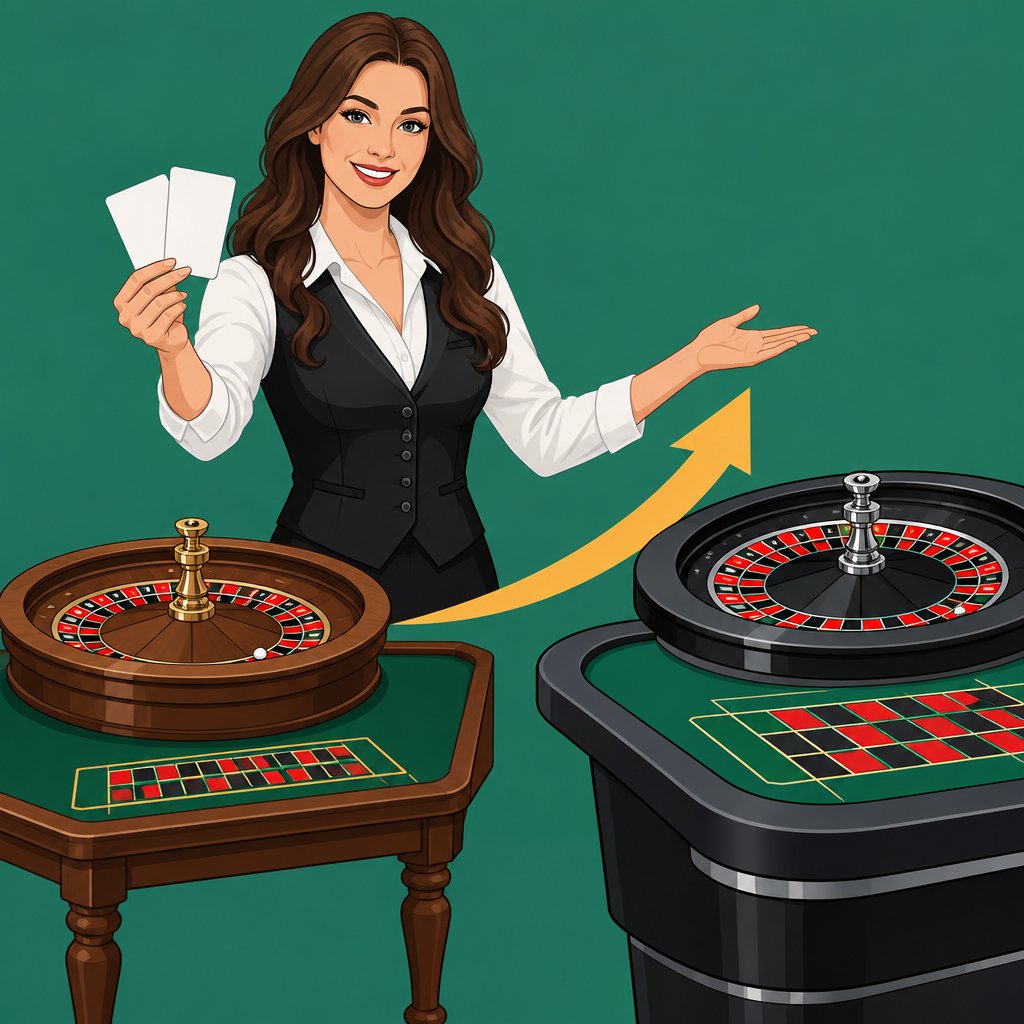
Diversity in the Casino Dealer Profession
The casino dealer profession has become more diverse over time.
More women and minority professionals now enter the industry.
This shift creates challenges and opportunities for underrepresented groups.
Growth of Female and Minority Representation
Historically, men dominated casino dealing roles.
Recently, more women have entered the casino dealer profession.
Greater diversity has also created more opportunities for minority groups.
- Female dealers now bring additional perspectives to the profession.
- Minority dealers contribute to a more inclusive workplace.
- The changing workforce continues to broaden representation within casinos.
Challenges and Opportunities for Underrepresented Dealers
Despite progress, female and minority dealers still encounter workplace stereotypes.
They may also face discrimination and unequal advancement opportunities.
Many casinos now support diversity initiatives that help dealers develop their careers.
- Underrepresented dealers can demonstrate their skills and challenge workplace barriers.
- Diversity initiatives can provide resources that support professional success.
- A more inclusive workforce creates new opportunities within the profession.
The industry’s growing diversity introduces new perspectives and supports broader opportunities.
Although challenges remain, casinos continue moving toward a more inclusive workforce.
You Might Also Like: Health and Safety Training for Amusement Park Attendants
Role of the Dealer in Promoting Responsible Gambling
Dealers play a crucial role in promoting responsible gambling within the casino environment.
Transform Your Career Today
Unlock a personalized career strategy that drives real results. Get tailored advice and a roadmap designed just for you.
Start NowThey interact directly with players and can identify signs of gambling-related concerns.
Therefore, dealers help support a safer and more enjoyable experience for all patrons.
- Training for recognizing problem gambling behaviors
Dealers receive training to recognize warning signs of problem gambling.
They watch for excessive betting, chasing losses, or visible distress during play.
- Policies supporting fair play and customer safety
Dealers ensure that games follow established rules and operate fairly.
They also prevent cheating, collusion, and other unethical conduct.
These actions help protect the integrity of the game.
Moreover, dealers protect customer safety and well-being during gameplay.
They intervene when they observe harassment, violence, or other misconduct among players.
By following these standards, dealers help create a safer gaming environment.
Learn More: Career Growth Opportunities for Financial Advisors
Future Trends in the Casino Dealer Profession
Technology continues to advance rapidly, and casinos will adapt their dealer roles accordingly.
Artificial intelligence may reshape casino operations, dealer efficiency, player analysis, and customer experiences.
Meanwhile, immersive formats may encourage casinos to redesign how dealers interact with players.
- Incorporation of new technologies such as artificial intelligence
- Shift towards more interactive and immersive gaming experiences
Artificial Intelligence in Casino Dealership
Artificial intelligence could significantly change how casinos operate and how dealers support games.
Dealers may use AI tools to manage games more efficiently and analyze player behavior.
These systems could also help casinos detect fraud and support fair gameplay.
Additionally, real-time data and predictive analytics may help dealers make better decisions.
As a result, dealers could spend more time engaging customers and creating welcoming environments.
Interactive and Immersive Gaming Experiences
Players increasingly seek unique experiences that make gaming more engaging and memorable.
Therefore, casinos may introduce virtual reality, augmented reality, and other advanced technologies.
These tools can create interactive games and attractions that enhance the broader gaming environment.
Casinos are also investing in live dealer games that connect players with real dealers online.
This format adds personal interaction and makes gaming more dynamic for participants.
By expanding immersive options, casinos can attract broader audiences and encourage continued participation.
Consequently, dealers can develop their roles while delivering more engaging service to customers.
The Enduring Value of Ethical Casino Dealers
The casino dealer role evolved from simple card distribution into a skilled and professional position.
Skilled dealers help maintain gaming industry integrity and support fair play for every player.
Furthermore, ethical and competent dealers remain essential as the industry continues to grow and change.
Understanding this history highlights the hard work and dedication that professional dealers require.
The role’s evolution helped shape the modern gaming industry.
Additionally, skilled and ethical dealers create safer and more enjoyable experiences for casino patrons.
Looking ahead, the casino dealer role will remain vital to the gaming industry’s future.
Additional Resources
Google search results for The History and Evolution of the Casino Dealer Role Service Industry
Bing search results for The History and Evolution of the Casino Dealer Role Service Industry


