




Camera Operators and Visual Storytelling
Camera operators shape storytelling across multiple industries.
They capture emotions, action, and atmosphere in films.
In television, live events, and documentaries, they provide engaging visuals.
Effective camera work translates screenplay ideas into visual narratives.
Framing, Focus, and Lighting
Poor framing distracts viewers from the main subject.
Operators should compose shots carefully, using techniques such as the rule of thirds.
They must verify focus before recording because blurry footage can weaken an otherwise strong scene.
Clear focus directs attention and conveys emotional depth.
Lighting control also affects clarity and professionalism.
Operators should assess available light and adjust it accordingly.
Movement and Audio Control
Operators must anticipate movement and track subjects effectively.
Otherwise, footage may become jerky and frustrating.
Regular practice helps operators follow action smoothly.
They should also monitor audio levels during every shoot.
Headphones help confirm sound quality while operators record.
Audio deserves as much attention as visuals.
Avoiding these mistakes helps operators strengthen their skills.
Consequently, careful camera work creates more compelling, professional visual narratives.
Equipment Quality and Production Results
Every successful camera operator understands that high-quality gear remains essential.
The right equipment can significantly improve any video production.
However, inferior equipment can produce disappointing results.
High-quality cameras capture crisp images, while inferior cameras may produce grainy footage.
This difference can affect audience engagement and overall satisfaction.
Benefits of High-Quality Cameras and Gear
Investing in reliable cameras and gear offers several benefits for video productions.
These benefits can improve both technical performance and creative control.
Therefore, operators should match their equipment choices to each production’s requirements.
- Enhanced Image Quality: High-quality cameras produce sharper images with better color accuracy.
- Improved Low-Light Performance: Reliable equipment maintains clarity and detail in low-light situations.
- Dynamic Range: Quality cameras preserve more detail in shadows and highlights.
- Lens Versatility: Interchangeable lenses provide greater creative control during production.
- Professional Appearance: High-end equipment helps productions appear more credible and polished.
- Reliable Performance: Durable gear performs more consistently under changing conditions.
When operators compromise on equipment, they may sacrifice these advantages.
Ultimately, their tools influence the production’s overall aesthetic and technical quality.
Equipment Effects on Production Quality
Equipment choices affect more than image quality.
They also influence sound, stability, workflow, editing, and long-term production value.
For that reason, operators should evaluate every part of their equipment setup.
- Sound Quality: Quality cameras often provide better audio options and microphone inputs.
- Stability: Reliable tripods and stabilization gear reduce distracting camera movement.
- Workflow Efficiency: Effective equipment supports smoother and more productive shooting workflows.
- Post-Production Compatibility: High-quality footage gives editors more flexibility during post-production.
- Long-Term Value: Durable equipment can reduce frequent upgrades and replacements.
Moreover, audiences often notice differences in production quality.
They may judge a video’s professionalism through its visual and auditory quality.
Inadequate equipment can create several practical and reputational problems.
- Poor Viewer Retention: Inadequate visuals can disengage viewers and encourage them to leave.
- Negative Brand Perception: Low-quality business videos can damage a brand’s reputation.
- Limited Creative Opportunities: Poor equipment can restrict advanced filming techniques.
- Increased Editing Time: Operators may spend extra hours correcting technical problems.
To address these problems, operators should prioritize equipment that supports their production goals.
This approach can improve quality while supporting stronger viewer engagement.
Guidelines for Selecting Camera Equipment
Sound equipment decisions begin with clear knowledge of each project’s needs.
Operators should compare performance, flexibility, durability, and compatibility before purchasing gear.
They should also consider how each accessory supports the complete production process.
- Research Brand Reliability: Choose brands known for consistent quality and dependable hardware performance.
- Consider Your Needs: Match equipment to documentaries, weddings, corporate videos, or other projects.
- Prioritize Versatility: Select cameras and lenses that adapt to different shooting environments.
- Invest in Accessories: Include essential accessories such as tripods, microphones, and lighting equipment.
- Test Before Buying: Try equipment beforehand when possible to assess its suitability.
Following these guidelines helps operators make informed equipment decisions.
Transform Your Career Today
Unlock a personalized career strategy that drives real results. Get tailored advice and a roadmap designed just for you.
Start NowThe right tools can support high-quality content that engages and captivates audiences.
Equipment Investment and Production Success
A high-quality equipment strategy can strengthen every video production.
Proper cameras and accessories improve technical performance and expand storytelling potential.
Prepared operators with suitable equipment can create polished productions that leave lasting impressions.
Framing and composition support effective visual storytelling.
They strongly influence how viewers perceive each scene.
Camera operators must carefully consider how they frame their subjects.
Poor framing can obscure the story and confuse the audience.
Meanwhile, appealing composition engages viewers and communicates emotions more powerfully.
Importance of Framing and Composition in Visual Storytelling
Framing guides the viewer’s eye toward the shot’s focus.
It can also increase a scene’s emotional weight.
Furthermore, composition influences how audiences feel about the visual material.
Visual storytelling depends heavily on composition to communicate themes.
- Establishing context: Good framing provides context and gives characters a sense of place.
- Emphasizing subjects: Effective composition highlights important elements within a scene.
- Conveying emotions: Suitable framing captures complex emotions more succinctly.
- Directing attention: Creative framing controls where viewers look within a shot.
Operators should also consider the rule of thirds.
This principle helps create balanced and interesting shots.
Many experienced operators use this technique to improve their imagery.
The rule of thirds divides the frame into three equal sections.
Placing key elements along these lines or intersections creates harmony.
Tips for Balanced and Visually Appealing Shots
Operators improve framing and composition through practice and awareness.
They should remain vigilant and mindful during every shoot.
The following techniques can help operators achieve stronger results.
- Use the rule of thirds: Divide the frame into a three-by-three grid.
- Position important subjects along the grid lines or their intersections.
- Establish foreground, midground, and background: Layering creates depth within the image.
- This approach makes the image feel more three-dimensional.
- Avoid centering everything: Centered compositions can appear static and less engaging.
- Off-center compositions can create tension or drama.
- Frame within a frame: Use natural elements such as windows or doorways.
- This technique guides the viewer’s eye and adds visual interest.
- Maintain balance: Distribute visual weight evenly across the frame.
- An unbalanced shot can create discomfort for viewers.
- Consider headroom: Allow enough space above a subject’s head.
- Excessive or limited headroom can weaken the composition.
- Use leading lines: Natural lines can guide viewers’ eyes toward the focal point.
- Practice with various lenses: Different lenses influence how framing works.
- Experiment with both wide-angle and telephoto lenses.
- Watch for background distractions: Cluttered backgrounds can distract viewers from the subject.
- Choose backgrounds that complement the frame.
- Seek different perspectives: Do not always shoot at eye level.
- High and low angles can create unique compositions.
Continuous practice enables operators to refine their skills.
They must remain adaptable to different environments and subjects.
An understanding of storytelling principles strengthens their effectiveness.
Creative framing improves the visual narrative and its overall message.
Light also plays an important role in composition.
Proper lighting enhances subject features while reinforcing the mood.
Operators should observe how changing light affects their framing.
This awareness supports more informed decisions about angles and settings.
Common Pitfalls in Framing and Composition
Camera operators often encounter common framing and composition problems.
Recognizing these problems helps operators avoid mistakes that weaken visual storytelling.
The following situations require careful attention during production.
- Too much headroom: Excessive space above a subject’s head reduces focus.
- Aim for headroom that feels balanced and natural.
- Ignoring background elements: Distracting backgrounds draw attention away from the subject.
- Always check which elements appear inside the frame.
- Using too many close-ups: Close-ups can create intimacy but excessive use reduces variety.
- Mix different shot types to maintain audience interest.
- Unstable shots: Shaky footage can disorient viewers and reduce professionalism.
- Use tripods or stabilizers to maintain steadiness.
- Rushed compositions: Taking time to frame a shot improves visual quality.
- Evaluate each frame carefully instead of rushing.
- Neglecting the environment: Surroundings contribute significantly to the story.
- Make sure the environment supports the intended message.
- Overcomplicating shots: Simple compositions can create stronger effects.
- Avoid placing too many elements inside one frame.
Operators should learn from every shoot to improve their practice.
Analyzing past performances supports continuous development.
Understanding framing and composition can transform an ordinary project.
With practice and reflection, operators can achieve measurable progress.
Stronger visuals reinforce storytelling and engage audiences effectively.
Learn More: Print Production Manager: Essential Software Tools
Camera Settings and Footage Quality
Camera operators often face challenges when adjusting camera settings.
Mastering these controls helps operators produce high-quality footage.
Transform Your Career Today
Unlock a personalized career strategy that drives real results. Get tailored advice and a roadmap designed just for you.
Start NowISO, aperture, and shutter speed each affect the final image differently.
Understanding Essential Camera Controls
ISO determines the sensor’s sensitivity to available light.
Higher ISO settings help in low light but can introduce visible noise.
Aperture controls incoming light and influences the image’s depth of field.
- ISO: This setting determines the sensor’s sensitivity to light.
- A higher ISO works well in low light but can introduce noise.
- Aperture: This setting controls the amount of light entering the lens.
- It also affects depth of field and influences how much appears sharp.
- Shutter speed: This setting dictates how long the sensor receives light.
- A fast shutter captures motion sharply, while a slow shutter creates blur.
Together, these controls shape exposure, motion rendering, and image detail.
Why Accurate Settings Matter
Correct settings support both still photography and video production.
Inadequate adjustments can damage footage and restrict creative choices.
Operators should evaluate each setting before recording a new scene.
An excessively high ISO can turn a beautiful scene into a grainy image.
An unsuitable shutter speed can also spoil fast-paced action sequences.
Frequent Errors in Camera Settings
Camera operators sometimes overlook important adjustments during production.
These oversights can create inconsistent exposure, noise, or motion blur.
A structured process helps operators prevent avoidable setting errors.
- Setting the ISO too high: Operators may increase ISO to compensate for low light.
- Use additional lighting or adjust aperture and shutter speed instead.
- Neglecting aperture changes: Ignoring aperture adjustments can create inconsistent exposure.
- Changing aperture also affects depth of field between scenes.
- Using an incorrect shutter speed: Some operators forget the 180-degree shutter rule.
- This guideline suggests using a shutter speed twice the frame rate.
- Fiddling with settings in poor light: Twilight can encourage rushed adjustments.
- Assess the light carefully and adjust settings before filming.
- Forgetting to reset settings: Operators may carry settings into a new environment.
- Check every setting before beginning another shot.
Practical Methods for Reliable Adjustments
A structured approach can reduce mistakes during changing production conditions.
Preparation gives operators more time to respond thoughtfully.
Visual monitoring tools also provide useful feedback during filming.
- Familiarize yourself with your camera: Read the manual and practice regularly.
- Understanding the controls supports faster adjustments in varied environments.
- Practice before filming: Conduct practice shoots in different lighting situations.
- This experience builds confidence and improves adjustment skills.
- Use histogram and waveform monitors: These tools help visualize exposure.
- Adjust settings according to the displayed visual information.
- Develop a checklist: Create a list of settings to review before filming.
- A checklist helps operators begin each shot with suitable settings.
- Review and analyze: Examine footage after filming to assess your choices.
- Identify effective adjustments and improve future practices.
Building Long-Term Camera Proficiency
Understanding camera settings requires continued practice and focused learning.
Regular experimentation helps operators recognize how adjustments affect footage.
Professional guidance can also strengthen technical confidence.
- Join workshops: Participate in workshops or online courses about camera settings.
- Engaging with other enthusiasts can support practical learning.
- Watch tutorials: Online tutorials explain many specific camera settings.
- Practice the techniques demonstrated in those tutorials.
- Network with professionals: Experienced operators can offer useful insights.
- Ask questions and seek advice when appropriate.
- Experiment: Test different settings under varied lighting conditions.
- Experimentation reveals how adjustments affect the footage.
- Stay updated: Camera technology and techniques continue to evolve.
- Learning about new features helps operators maintain sharp skills.
Consistent Settings for Stronger Footage
Proper camera adjustments separate acceptable footage from stronger footage.
Mastering ISO, aperture, and shutter speed expands creative control.
Recognizing common mistakes helps operators avoid preventable problems.
Continuous practice and equipment familiarity can improve videography results.
Confident operators understand their gear and prepare before every shot.
With patience and perseverance, camera skills can continue to develop.
See Related Content: Case Studies: Successful Web Design Projects Explained
Many camera operators overlook lighting’s importance in their footage.
Ignoring lighting conditions can reduce video quality.
Proper lighting can enhance emotions and create a mood.
Conversely, poor lighting can wash out colors and erase details.
How Lighting Shapes Footage Quality
Lighting plays a crucial role in determining the quality of every shot.
Proper lighting affects exposure, color accuracy, and a scene’s visual appeal.
Therefore, camera operators should understand how lighting changes their footage.
- Exposure: The right amount of light keeps subjects clear and visible.
- Color Accuracy: Good lighting reveals true colors, while poor lighting creates unnatural tones.
- Mood Creation: Dramatic lighting can evoke suspense, while bright lighting can suggest joy.
- Depth and Texture: Shadows and highlights add dimension, while flat lighting appears lifeless.
- Focus and Attention: Focused lighting guides viewers, while harsh lighting can distract them.
These effects demonstrate why lighting deserves careful attention.
Camera operators must recognize and respond to changing lighting conditions.
Otherwise, poor lighting may weaken a project’s storytelling.
Practical Ways to Adapt to Lighting Conditions
Camera operators must adapt quickly to different lighting situations.
Fortunately, practical adjustments can improve footage across many environments.
These techniques help operators manage light while preserving their creative goals.
- Use Adjustable ISO Settings: Increase ISO in low-light situations because it makes the sensor more sensitive.
- Optimize Shutter Speed: Adjust shutter speed to suit the lighting and reduce motion blur.
- Utilize ND Filters: Use neutral density filters to maintain wider apertures in bright environments.
- Employ Artificial Lighting: Add LEDs or softboxes in darker settings to fill shadows.
- Position Your Subject Wisely: Place subjects near favorable natural light sources whenever possible.
- Experiment with Angles: Change camera angles to find more effective lighting positions.
- Monitor White Balance: Adjust white balance to prevent overly warm or cool colors.
- Practice Lighting Techniques: Study three-point lighting to create depth and even illumination.
- Revise Composition: Modify the composition to use available light creatively.
By applying these techniques, operators can handle diverse lighting scenarios more confidently.
Transform Your Career Today
Unlock a personalized career strategy that drives real results. Get tailored advice and a roadmap designed just for you.
Start NowAdaptation remains essential when operators face difficult lighting conditions.
Common Misconceptions About Lighting
Many camera operators hold misconceptions about lighting.
Recognizing these assumptions can help operators avoid preventable footage problems.
Each situation requires thoughtful decisions rather than automatic reliance on one lighting approach.
- Natural Light Is Always Best: Natural light can look beautiful, but bright sunlight creates harsh shadows.
- More Light Equals Better Quality: Excessive light can overexpose footage, so balance remains essential.
- Indoor Lighting Is Unmanageable: Operators can enhance indoor spaces with suitable lighting tools.
- Lighting Is Not Important for Video: This belief ignores the importance of visuals in storytelling.
Challenging these misconceptions supports more effective lighting decisions.
Camera operators should recognize lighting’s role in communicating through video.
Lighting Skills That Strengthen Production Results
Lighting significantly affects the quality of every video.
Camera operators should recognize its importance and adapt their approach.
Ignoring lighting can remove details, damage colors, and flatten visual depth.
Following practical guidelines can improve footage and strengthen storytelling.
Developing lighting skills requires practice and careful observation.
Experimenting with different settings and tools can produce better results.
Mastering lighting can elevate a camera operator’s craft and future productions.
Discover More: Broadcast Technician: Importance of Precision
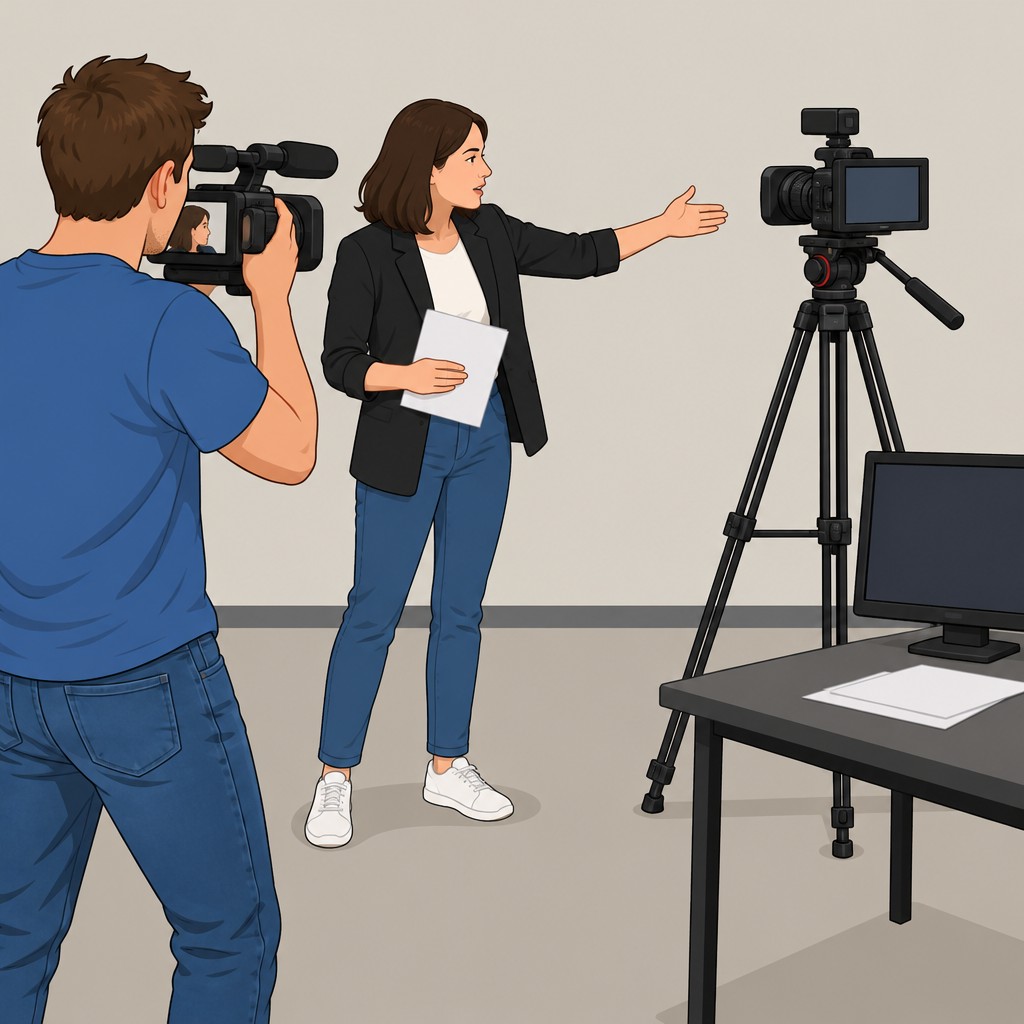
Importance of Maintaining Focus Throughout the Shot
Focus remains essential in videography and photography.
It directs attention toward the subject and strengthens the story.
However, inconsistent focus can distract viewers from important content.
As a result, viewers may struggle to engage with the material.
Maintaining sharp focus provides several important benefits.
- Enhanced Visual Clarity: A focused image gives the audience clear visual information.
- Improved Storytelling: Sharp focus guides attention toward important elements.
- Professional Presentation: Consistent focus demonstrates preparation and technical control.
- Better Depth Perception: A clearly focused subject creates a more dynamic sense of depth.
- Reduced Viewer Distraction: Stable focus helps viewers remain immersed in the action.
When focus shifts unexpectedly, it interrupts the narrative flow.
Consequently, viewers may feel confused or disconnected from the subject.
This inconsistency can weaken the message and reduce the footage’s effectiveness.
Techniques for Achieving and Maintaining Sharp Focus
Effective focus requires practice, preparation, and suitable camera techniques.
First, learn how your camera handles different focus modes.
Then, select the method that best matches the subject’s movement.
- Use Focus Modes: Explore single-point, dynamic, and face-detection modes.
- Activate Focus Peaking: Use highlighted focus areas to improve manual precision.
- Choose Manual Focus: Manual control helps manage unpredictable movement.
- Set a Focus Point: Select the subject’s focus point before recording.
- Manage Depth of Field: Understand how aperture changes the range of sharpness.
- Record Test Shots: Test footage confirms whether focus supports your creative plan.
- Use Follow Focus Devices: These tools support smooth focus adjustments during movement.
- Practice Timing: Anticipate subject movement and adjust focus at the right moment.
- Remove Distractions: Reduce frame clutter so important details receive attention.
- Use a Tripod: Camera stabilization reduces shake and supports steadier focus.
- Adjust Lighting: Adequate illumination makes focus easier to judge and maintain.
- Review Footage: Examine completed shots to identify focus improvements for future projects.
Each technique supports more reliable focus during production.
Furthermore, regular practice helps the camera operator respond with greater confidence.
Over time, these methods can improve consistency across different shots.
Common Challenges in Focus Management
Even careful preparation cannot remove every focus challenge.
Therefore, camera operators should recognize conditions that make focus less reliable.
Early recognition allows faster adjustments during recording.
- Moving Subjects: Motion can make it difficult to keep the subject sharp.
- Low-Light Conditions: Limited illumination can reduce focus accuracy and consistency.
- Shallow Depth of Field: A narrow sharpness range leaves less room for movement.
- Camera Shake: Unsteady handling can create unwanted movement within the shot.
- Focus Shifts: Changes in distance or lens position can alter sharpness.
Understanding these obstacles strengthens focus management in the field.
Additionally, awareness helps the operator choose suitable adjustments more quickly.
This preparation supports steadier results when conditions change.
Practical Methods for Continuous Improvement
Consistent practice remains necessary for improving focus management.
However, deliberate review can make each practice session more productive.
Use the following methods to develop stronger focus habits.
- Attend Workshops: Participate in training focused on camera operation and focus control.
- Watch Tutorials: Study demonstrations that explain different focus techniques.
- Seek Constructive Feedback: Ask peers to evaluate your focus management.
- Collaborate with Others: Share focus strategies with other camera operators.
- Evaluate Your Work: Review previous projects and identify opportunities for improvement.
- Experiment Regularly: Test different approaches to discover which methods suit your work.
These activities gradually improve effectiveness as a camera operator.
Moreover, feedback reveals weaknesses that personal review may overlook.
With continued effort, focus management becomes a more dependable production skill.
Transform Your Career Today
Unlock a personalized career strategy that drives real results. Get tailored advice and a roadmap designed just for you.
Start NowFocus Management as a Core Production Skill
Mastering focus supports clear and effective visual communication.
Inconsistent sharpness can distract viewers and weaken the intended message.
For that reason, apply suitable techniques and address challenges through regular practice.
Each practice opportunity can refine control over changing focus conditions.
Ultimately, consistent focus helps audiences remain engaged with the footage.
Find Out More: Using Data to Drive Media Relations Decisions
Understanding the Director’s Vision
Effective communication remains vital during filmmaking.
It helps every crew member understand the production’s direction.
Therefore, camera operators must understand the director’s vision before filming begins.
Benefits of Understanding Creative Intent
Understanding the director’s vision benefits the entire crew.
It helps camera operators capture essential shots accurately.
Consequently, clear creative direction supports a cohesive final product.
- Creative alignment: Camera work can support the director’s artistic goals.
- Shot clarity: Clear direction helps operators compose effective shots.
- Set efficiency: Understanding intent can reduce unnecessary reshoots.
- Better collaboration: Open communication encourages teamwork and creativity.
- Flexible responses: Operators can adjust when directors change their approach.
Communication Practices for Film Sets
Effective communication supports smooth collaboration throughout production.
Camera operators should discuss creative expectations before filming starts.
They should also remain receptive to adjustments during each shooting day.
Pre-Production Meetings
Hold meetings before filming begins.
Discuss the director’s vision and clarify the project’s creative goals.
Also, confirm each person’s responsibilities before production starts.
Visual Aids
Visual aids can reduce misunderstandings among crew members.
Use storyboards and shot lists to explain the director’s expectations.
Reference images can also establish a shared mood and visual style.
Open Questions
Ask questions whenever the director’s instructions seem unclear.
Questions show engagement and help prevent later misunderstandings.
Furthermore, open dialogue makes feedback easier to share.
Communication Systems
Establish a clear communication system before filming begins.
Use walkie-talkies or headsets when the crew needs immediate updates.
Ensure everyone understands the agreed communication procedures.
Regular Check-Ins
Schedule regular check-ins with the director and crew.
Briefly review the production’s progress during these conversations.
Then, make adjustments whenever the situation requires them.
Responding to Feedback
Remain open to feedback from the director.
Constructive criticism can strengthen a camera operator’s skills.
Use that feedback to align future work more closely with the director’s vision.
Non-Verbal Communication
Pay attention to the director’s non-verbal cues.
Body language may reveal satisfaction or concern during a scene.
Respond appropriately to show attentiveness and flexibility.
Professional Relationships
Build strong professional relationships with the director and crew.
Comfortable working relationships can make communication more direct.
As a result, a positive environment can support creative cooperation.
Documenting Key Discussions
Keep written records of important production discussions.
Transform Your Career Today
Unlock a personalized career strategy that drives real results. Get tailored advice and a roadmap designed just for you.
Start NowNotes help everyone maintain the same understanding of the director’s vision.
Sharing those records can reduce confusion when ideas change.
Daily Production Reflection
Hold a brief reflection session after each shooting day.
Discuss successful practices and identify areas for improvement.
Finally, adjust communication methods to support future collaboration.
Clear communication helps camera operators align their work with the director’s vision.
These practices improve teamwork and encourage a productive filming environment.
They also help the crew respond effectively as production needs evolve.
Camera operations require careful preparation before production begins.
Without planning, operators may miss opportunities and capture weak footage.
Therefore, camera operators should prioritize pre-production work for every project.
Pre-Production Planning Supports Successful Camera Operations
Pre-production establishes a strong foundation for the entire project.
It also helps camera operators plan visuals, coordinate tasks, and reduce production delays.
Additionally, preparation allows the crew to address creative and technical concerns early.
- Scout locations: Select sites that support the project’s vision and encourage creative framing.
- Create shot lists: Record every required shot to maintain consistency and save production time.
- Study the script: Analyze the story to identify important shots and visual requirements.
- Collaborate with the director: Discuss angles, movements, and other details before filming begins.
Location Scouting Strengthens Visual Planning
Location scouting strongly influences the visual direction of a production.
Visiting a location early helps operators visualize shots and recognize potential challenges.
Furthermore, careful scouting supports stronger storytelling through intentional site selection.
- Visit locations in advance: Observe each space before filming to plan practical camera positions.
- Check lighting conditions: Consider natural light changes and determine whether artificial lighting is necessary.
- Assess sound factors: Identify echoes, outside noise, and other conditions that could affect audio quality.
- Explore angles and compositions: Test different viewpoints and document promising framing options.
Shot Lists Organize Production Requirements
A shot list organizes the work required for each scene.
It also gives the crew a shared reference during production.
Moreover, a detailed list helps operators protect essential shots when time becomes limited.
- Break down the script: Divide each scene into specific shots, angles, movements, and focus requirements.
- Number the shots: Arrange the planned shots clearly to reduce confusion during filming.
- Include shot descriptions: Record equipment needs, lenses, stabilization tools, and other relevant details.
- Prioritize key shots: Identify narrative essentials and give them appropriate attention during production.
Coordination Keeps Production Moving
Effective planning helps camera operators manage production responsibilities with less stress.
A realistic schedule gives the crew time for setup, rehearsals, and filming.
Meanwhile, coordination across departments keeps expectations and timelines clear.
- Develop a shooting schedule: Allow sufficient time for setup, rehearsals, and filming activities.
- Coordinate with other departments: Share timelines and expectations to support unified production work.
- Prepare backup equipment: Keep replacement gear available to reduce interruptions caused by equipment failure.
- Conduct a technical run-through: Test camera, sound, and lighting equipment before filming starts.
Flexibility Helps Crews Manage Change
Even thorough preparation cannot prevent every production challenge.
Flexible operators can respond to changes without losing sight of the project’s goals.
They also use team input and alternative plans to address unexpected circumstances.
- Accept necessary changes: Adjust the script when revisions improve the production.
- Adapt to unforeseen circumstances: Prepare alternative plans for weather and other disruptions.
- Encourage creative input: Invite crew members to suggest useful ideas and practical solutions.
- Trust your team: Rely on each member’s skills and contributions during challenging situations.
Preparation Elevates Final Production Quality
Preparation gives camera operators a clearer path through production.
Scouting, shot lists, coordination, and flexibility all contribute to more organized filming.
Ultimately, consistent preparation helps operators produce stronger results, regardless of their experience level.
Why In-Camera Craft Matters
Post-production can refine footage, but it cannot repair every mistake captured during filming.
Operators who capture strong material reduce editing pressure and preserve creative choices.
Therefore, in-camera discipline supports efficient production and protects the intended experience.
- Preserved quality: In-camera mistakes often become more noticeable during editing.
- Greater efficiency: Strong footage saves valuable time during post-production.
- Authentic creativity: Real moments can create effects that editing cannot reproduce.
- Controlled costs: Fewer corrections can reduce production expenses.
- Visual consistency: Careful operators maintain a coherent look across the project.
Problems Caused by Excessive Post-Production Reliance
Editors can improve footage, yet they cannot fully restore its original atmosphere.
Excessive corrections may also force editors to reinterpret the intended creative direction.
Meanwhile, long editing sessions can exhaust teams and encourage rushed decisions.
- Reduced authenticity: Added effects may make natural moments feel artificial.
- Changed creative intent: Editors may reshape material beyond the original vision.
- Technical limits: Software cannot completely restore severely damaged images or audio.
- Team fatigue: Excessive editing hours can weaken judgment and concentration.
- Skill dependency: Constant software reliance can weaken independent camera judgment.
Practical Ways to Reduce Editing Demands
Operators can reduce post-production demands by making deliberate decisions during every take.
They should evaluate each result immediately instead of postponing every correction.
This approach keeps production responsive and limits avoidable problems later.
Live Monitoring During Production
Live monitoring gives operators immediate information about the image and recorded sound.
A reliable viewfinder helps operators assess details before they approve a take.
Transform Your Career Today
Unlock a personalized career strategy that drives real results. Get tailored advice and a roadmap designed just for you.
Start NowHeadphones can reveal unwanted noise while the crew still has time to respond.
- Check the image: Review each frame for unwanted distractions or visual problems.
- Monitor sound: Listen for background noise, distortion, or missing audio.
- Invite feedback: Encourage immediate comments about delivery and composition.
Continuous Development of Camera Skills
Camera operators should keep developing their technical and creative abilities.
Workshops can introduce practical methods that improve confidence during production.
Online tutorials can also demonstrate techniques that operators can practice independently.
- Attend workshops: Learn from structured demonstrations and practical exercises.
- Study tutorials: Explore new methods through focused online lessons.
- Build professional connections: Exchange advice and insights with other operators.
Post-production remains valuable, but operators should not depend on it for basic shot quality.
Careful in-camera decisions preserve authenticity, improve efficiency, and protect the project’s creative direction.
By monitoring results and practicing consistently, operators can deliver footage that needs fewer corrections.
Reliable Camera Operation Requires Consistent Discipline
Camera operators must control several factors that influence production quality.
Although strong visuals matter, muffled or distorted audio can weaken the finished production.
Therefore, operators should monitor sound carefully throughout every shoot.
They should also prepare a clear shot list before filming begins.
A shot list helps operators capture necessary angles and avoid wasting production time.
Additionally, operators should inspect batteries, memory cards, and other equipment before each shoot.
A dead battery or limited memory can disrupt an important scene.
Camera movement also requires deliberate control and consistent practice.
Unsteady hands and erratic movements can distract viewers from the action.
Tripods and gimbals can help operators create smoother, more stable footage.
Furthermore, operators should use framing and depth to give scenes greater visual dimension.
These techniques can strengthen storytelling and maintain viewer engagement.
Continuous learning helps operators address weaknesses and develop more reliable techniques.
Regular practice and experimentation allow them to refine their skills over time.
Moreover, feedback from peers can reveal areas that require improvement.
By combining preparation, technical control, and ongoing education, operators can improve their performance significantly.
Additional Resources
Google search results for Common Mistakes Made by Camera Operators Media and Communication
Bing search results for Common Mistakes Made by Camera Operators Media and Communication


