




Broadcast Technicians in Media
Broadcast technicians play a crucial role in the media landscape.
They ensure the seamless delivery of audio and visual content.
This profession requires technical knowledge and practical skills.
They manage and maintain equipment used in radio and television broadcasting.
What Broadcast Technicians Do
A broadcast technician operates the technology behind radio and television programs.
These professionals handle equipment such as cameras, microphones, and transmission systems.
As a result, they help deliver high-quality sound and images during broadcasts.
Their expertise directly influences viewers’ and listeners’ experiences.
Technical Responsibilities in Media Production
Broadcast technicians support productions in studios and remote locations.
They set up and operate equipment for live events and recorded programs.
Moreover, these technicians work closely with producers and directors.
They understand the creative vision while applying technical solutions to achieve it.
When problems arise, technicians troubleshoot them during broadcasts.
Quick problem-solving skills help maintain smooth operations.
Thus, they manage tasks ranging from setting levels to controlling video feeds.
Their work ensures that audiences receive messages accurately and in real time.
Precision During Broadcasts
Precision guides every task a broadcast technician performs.
A small mistake can create significant problems during a live broadcast.
For instance, incorrect audio levels can distort sound and frustrate viewers.
Likewise, audio and video synchronization issues can disrupt the viewing experience.
Technicians operate equipment accurately to prevent these problems.
They regularly calibrate and maintain their tools to ensure strong performance.
Furthermore, attention to detail keeps every broadcast element properly aligned.
Ultimately, a broadcast’s success depends heavily on the technician’s precision.
Their work shapes how audiences perceive media quality.
Therefore, broadcast technicians remain the unseen professionals behind captivating programs.
Importance of Technical Skills
Technical skills define a broadcast technician’s capabilities.
Mastering these skills helps technicians achieve excellence in broadcasting.
Furthermore, technicians need hard and soft technical skills to operate effectively.
Key Technical Skills Required
Broadcast technicians apply several technical skills during production and transmission.
These abilities help technicians manage equipment, content, signals, and compliance requirements.
Additionally, technical knowledge supports consistent performance across different broadcasting environments.
- Audio Engineering: Technicians mix sound and manage microphones, mixers, and sound processors.
- Video Production: Technicians use cameras and editing software to create high-quality visual content.
- Signal Transmission: Technicians manage broadcasting antennas, signals, and transmission paths.
- Equipment Maintenance: Technicians maintain and troubleshoot equipment to support optimal performance.
- Networking Skills: Technicians understand network infrastructures, IP protocols, and data transmission.
- Software Proficiency: Technicians use broadcasting software for editing and production tasks.
- Regulatory Knowledge: Technicians follow broadcasting regulations, legal standards, and relevant guidelines.
Enhancing Broadcast Quality through Precision
Precision in technical work directly influences broadcast quality.
Technicians who notice small details create clearer audio and stronger visual presentations.
As a result, careful technical work improves how audiences experience broadcasts.
- Sound Clarity: Precise audio engineering reduces noise and balances sound levels for listeners.
- Image Sharpness: Careful camera settings, framing, and focus create engaging visual content.
- Signal Integrity: Accurate signal management supports strong reception and helps prevent disruptions.
- Editing Accuracy: Precise editing creates seamless transitions and polished final products.
- Equipment Calibration: Regular calibration maximizes equipment performance and supports reliable results.
- Feedback Implementation: Technicians analyze recordings to identify improvements and strengthen future broadcasts.
Examples of Technical Skills Contributions
Real-world broadcasting situations show how technical skills support successful production.
In each situation, precision helps technicians control sound, images, timing, or equipment.
These applications demonstrate how technical decisions shape the audience’s experience.
Live Sports Broadcast
During live sports broadcasts, technicians adjust microphones and sound levels carefully.
This work helps audiences hear commentators and crowd reactions distinctly.
Transform Your Career Today
Unlock a personalized career strategy that drives real results. Get tailored advice and a roadmap designed just for you.
Start NowConsequently, clear audio makes viewers feel more connected to the action.
News Reporting
During breaking news reports, technicians quickly prepare cameras and check video feeds.
They adjust camera angles and lighting to create compelling visuals.
Therefore, viewers receive crucial information through clear and impactful images.
Television Show Production
During television production, editors refine programs during the post-editing process.
They manage timing, transitions, and sound mixing with specialized software.
As a result, careful editing raises the show’s overall professionalism.
Radio Show Broadcasting
In radio broadcasting, technicians adjust audio levels to improve listening quality.
They focus on clarity so listeners can follow the content easily.
Thus, audio engineering expertise makes radio programs more engaging.
Special Events Coverage
Special events require technicians to manage multiple cameras and audio feeds simultaneously.
They coordinate these elements to maintain smooth coverage throughout the event.
This coordination gives viewers an immersive experience without technical glitches.
Technical Precision Shapes Broadcast Success
Precision remains central to successful broadcasting.
Technicians who master their craft create high-quality experiences for audiences.
Ultimately, technical skills influence sound, visual storytelling, and audience engagement.
As the industry evolves, continued technical development will remain important to broadcasting’s future.
Precision forms the foundation of quality in broadcasting.
Every broadcast technician helps ensure that the final product meets demanding standards.
Therefore, careful attention to detail supports clear, reliable, and professional delivery.
Attention to Detail in Broadcast Quality
Every broadcast element contributes to the audience’s overall experience.
Audio, video, and graphics depend on the precision that technicians provide.
Even a small error can significantly change how viewers perceive the broadcast.
Technicians manage sound levels, video feeds, and equipment functionality throughout each production.
By prioritizing detail, they strengthen the broadcast’s complete presentation.
How Small Errors Affect Broadcasts
Minor mistakes can create serious problems during a broadcast.
Consequently, technicians must monitor every adjustment, cue, and display carefully.
Consistent attention helps preserve the program’s flow, clarity, and credibility.
- Audio Levels: Missed adjustments can cause feedback or muffled sound, distracting viewers and weakening the message’s impact.
- Video Feed: A misconfigured feed can produce pixelation or distortion, reducing the broadcast’s visual appeal.
- Timing Errors: Missed transition cues can create awkward pauses or abrupt changes that interrupt immersion.
- Content Delivery: Incorrect graphics or data can misinform audiences and weaken the broadcast’s credibility.
Each detail contributes to the broadcast’s larger presentation.
When technicians manage those details carefully, they produce a more polished result.
Practical Ways to Improve Precision
Technicians can develop practical habits that improve accuracy during broadcasts.
These methods encourage consistent preparation, focused work, and continuous improvement.
Moreover, disciplined routines help reduce avoidable mistakes during live production.
- Develop Checklists: Create tailored checklists for equipment setup and broadcast procedures.
- Practice Active Listening: Understand instructions from directors and producers before acting.
- Maintain Equipment Regularly: Schedule routine maintenance to reduce equipment-related errors.
- Conduct Dry Runs: Organize rehearsals that reveal problems before the main broadcast.
- Seek Feedback: Ask peers and supervisors to identify strengths and improvement areas.
- Stay Organized: Keep workspaces tidy so technicians can find equipment easily.
- Limit Multitasking: Concentrate on one task to reduce oversights and improve focus.
- Utilize Technology: Use precision tools and software to monitor broadcast elements.
- Continue Education: Follow industry developments to improve methods, skills, and accuracy.
Sustaining Excellence Through Precision
Technicians must cultivate a mindset that values every broadcast detail.
Conscious habits and regular practice can improve the quality of each production.
By minimizing errors, technicians protect the integrity of the message delivered to audiences.
Reliable execution also strengthens viewers’ trust in the broadcast.
Discover More: Using Data to Drive Media Relations Decisions
Equipment Maintenance
Broadcast equipment requires scheduled care to support dependable audio and video performance.
Maintenance teams can identify wear before small faults disrupt production.
Transform Your Career Today
Unlock a personalized career strategy that drives real results. Get tailored advice and a roadmap designed just for you.
Start NowConsistent upkeep also protects costly equipment and supports uninterrupted operations.
Effects of Poorly Maintained Equipment on Broadcasts
Poorly maintained equipment can degrade the audience experience during live or recorded broadcasts.
Loose connections may produce static, muffled audio, or intermittent signal loss.
Meanwhile, video faults can create frozen frames, blur, or visible glitches.
Sudden failures can halt production and increase repair costs.
These disruptions may frustrate viewers and weaken confidence in the broadcaster.
They can also make it harder to satisfy advertisers and sponsors.
Strategies for Effective Equipment Maintenance
Technicians can use structured practices to keep broadcast equipment ready for service.
A clear maintenance schedule helps teams plan inspections around periods of heavy use.
Detailed records reveal recurring problems and support timely corrective action.
- Establish a Maintenance Schedule: Schedule regular checks and record each completed task.
- Conduct Routine Inspections: Examine cables, connectors, and other components for visible damage.
- Use High-Quality Lubricants: Apply suitable lubricants to moving parts when required.
- Keep Equipment Clean: Remove dust and debris to reduce overheating and malfunction risks.
- Train Personnel: Provide continuing training on equipment operation and troubleshooting practices.
- Document Maintenance Activities: Record completed work to track equipment history and recurring faults.
- Monitor Environmental Conditions: Check temperature and humidity to support stable equipment performance.
- Utilize Diagnostic Tools: Use software and probes to locate problems efficiently.
These practices improve operational efficiency and help maintain consistent broadcast quality.
Furthermore, shared maintenance responsibilities encourage accountability across the broadcasting team.
Regular care remains essential because broadcasting technology continues to change.
By prioritizing maintenance, teams can protect equipment, broadcasts, and professional credibility.
Find Out More: Broadcast Technician: Role in Studio Operations
Problem-Solving Abilities
In broadcast technology, precision and problem-solving abilities work together.
Broadcast technicians face challenges that demand quick thinking and effective solutions.
They need technical knowledge and strong troubleshooting skills.
These abilities help them resolve issues during demanding broadcast operations.
Importance of Problem-Solving Skills
Problem-solving supports reliable operations throughout the broadcast industry.
Technicians handle equipment failures, signal issues, and setup challenges each day.
When problems occur, prompt diagnosis and repair can reduce downtime and costly delays.
- Minimizing Downtime: Quick resolutions reduce interruptions during broadcasts.
- Enhancing Efficiency: Fast troubleshooting maintains workflow and productivity.
- Quality Control: Immediate fixes help technicians maintain high-quality broadcasts.
- Cost-Effectiveness: Reduced downtime saves money for stations and media companies.
Precision in Problem-Solving
Precision strengthens every stage of problem-solving in broadcasting.
Technicians must examine details carefully before selecting a solution.
Even a small oversight can create larger operational problems.
- Accurate Diagnosis: Careful analysis helps technicians identify an issue’s root cause.
- Tailored Solutions: Clear understanding supports specific and practical repairs.
- Minimized Errors: A precise approach reduces additional complications.
- Faster Recovery: Focused troubleshooting helps restore normal operations quickly.
Common Problems Encountered by Broadcast Technicians
Broadcast technicians encounter several technical problems during their work.
Recognizing these challenges shows why precise troubleshooting remains necessary.
Each issue requires careful testing, clear reasoning, and an appropriate response.
- Audio or Video Signal Loss: Technicians must determine whether transmission equipment or cables caused the problem.
- Equipment Malfunction: Technicians assess components methodically to locate the fault.
- Network Connectivity Issues: Technicians map the network and distinguish software faults from hardware problems.
- Environmental Interference: Weather conditions can affect signals and require careful equipment adjustments.
- Software Configuration Issues: Exact configuration knowledge helps technicians correct digital broadcasting errors.
How Precision Leads to Effective Solutions
Precise troubleshooting helps technicians find effective solutions quickly.
Each step requires careful thought, planning, and attention.
A structured process improves clarity while technicians investigate technical issues.
- Step-by-Step Approach: A systematic process helps technicians analyze each part of a problem.
- Documentation: Accurate records help technicians resolve similar issues more quickly.
- Collaboration: Precise communication helps team members understand responsibilities and coordinate solutions.
- Use of Technology: Diagnostic tools help technicians collect data and examine problem patterns.
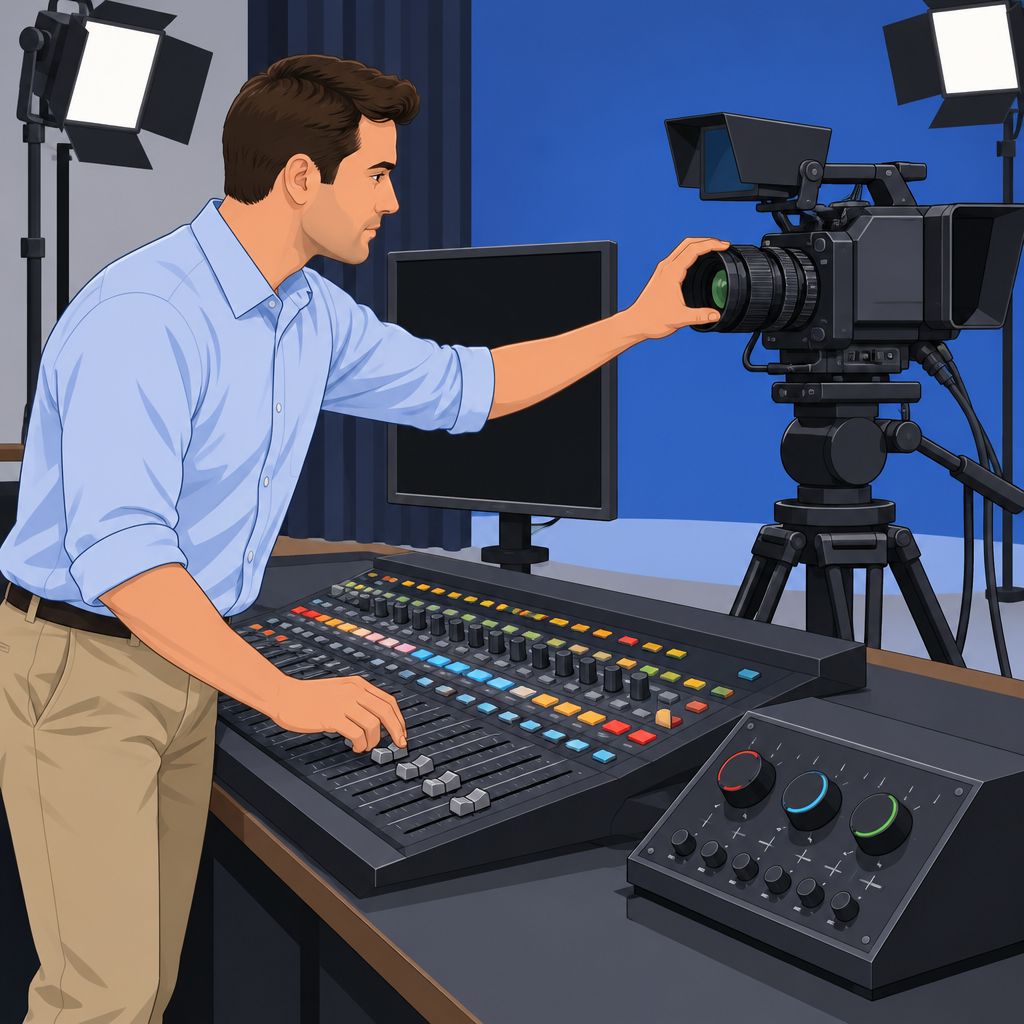
Operational Value of Precise Troubleshooting
Broadcast technicians help maintain seamless operations by addressing technical problems effectively.
Their precise diagnoses support quick solutions and protect broadcast quality.
As technology evolves, stronger problem-solving skills will help technicians manage increasingly complex challenges.
A precise approach can minimize disruption and improve operational efficiency.
Uncover the Details: The Impact of Social Media on Photography Careers
Collaboration in Broadcasting
Broadcasting depends on collaboration among specialized professionals.
Sound engineers, video editors, and other team members contribute essential skills.
When professionals coordinate effectively, they improve the quality and consistency of each broadcast.
Furthermore, precise communication helps teams reduce mistakes and deliver polished programs.
Transform Your Career Today
Unlock a personalized career strategy that drives real results. Get tailored advice and a roadmap designed just for you.
Start NowEvery team member relies on others to support a successful production.
Benefits of Collaborative Broadcasting
Collaboration strengthens creativity by bringing different experiences and viewpoints together.
As a result, teams can develop more effective responses to production challenges.
Understanding each role also helps professionals coordinate their responsibilities more smoothly.
Clear communication builds trust, which helps teams remain cohesive during demanding broadcasts.
Moreover, shared responsibility supports faster responses when unexpected issues affect a program.
Team members can then act together and limit disruption to the broadcast.
Clear Communication Across Production Teams
Broadcasting requires accurate exchanges about audio, visuals, timing, and production tasks.
Even a small misunderstanding can create an incorrect cue or missed camera angle.
Therefore, team members should listen carefully and confirm important instructions.
Clarifying intentions reduces assumptions and keeps everyone aligned throughout production.
Regular briefings also help teams share updates and prepare for upcoming responsibilities.
Additionally, status checks give professionals opportunities to identify confusion before it affects the broadcast.
Concise communication allows each person to understand current priorities and changing requirements.
Practices That Strengthen Team Collaboration
Broadcasting teams can strengthen cooperation by adopting intentional workplace practices.
These practices clarify expectations, encourage participation, and support dependable coordination.
They also help teams create a more supportive environment during demanding productions.
- Establish Clear Roles: Define every member’s responsibilities to reduce overlap and organize production tasks.
- Encourage Open Dialogue: Invite questions and suggestions so team members can raise concerns comfortably.
- Use Technology: Apply project management tools to organize assignments and monitor progress.
- Build Team Relationships: Use collaborative activities to strengthen trust and cooperation among colleagues.
- Set Shared Goals: Create common objectives that align individual efforts with production needs.
- Give Constructive Feedback: Combine positive recognition with practical guidance to improve team performance.
- Schedule Regular Meetings: Hold consistent discussions to review progress, challenges, and achievements.
- Respect Different Opinions: Consider varied perspectives because they can support creative solutions.
- Remain Flexible: Adapt responsibilities when changing conditions require quick adjustments.
- Recognize Contributions: Acknowledge individual efforts to strengthen morale and encourage continued cooperation.
Collaboration’s Impact on Broadcast Quality
Strong collaboration gives broadcast teams a reliable foundation for high-quality productions.
When professionals communicate with purpose, they coordinate their work more effectively.
Consequently, teams can focus more attention on delivering engaging and consistent content.
Shared accountability also encourages members to support one another throughout each production.
In a fast-moving industry, cooperative teams can adjust while maintaining clear direction.
Ultimately, purposeful teamwork helps broadcasting professionals achieve stronger results together.
Gain More Insights: How to Grow Your Email List with Engaging Content
Professionalism in Broadcasting
Professionalism shapes the reputation and effectiveness of broadcast technicians.
Technical skill alone does not define success in this field.
Technicians must pursue excellence through every action.
Their conduct influences how audiences view them and their broadcasting organizations.
Consistent professionalism strengthens station credibility.
That credibility supports lasting relationships with audiences and sponsors.
Precision and Professional Reputation
Precision guides how technicians approach their responsibilities.
Careful professional conduct shows commitment to the craft.
That commitment can influence a technician’s standing within the industry.
Professional consistency also helps protect a technician’s reputation.
A strong reputation can attract better job opportunities and collaborations.
However, careless actions can trigger public relations disasters.
Such incidents may harm both personal and organizational reputations.
During a live program, timing or setup errors can disrupt the audience’s experience.
Those errors may result from incomplete assessments or skipped procedural checks.
Consequently, a station could lose viewers and sponsors over time.
Transform Your Career Today
Unlock a personalized career strategy that drives real results. Get tailored advice and a roadmap designed just for you.
Start NowProfessional Behaviors for Broadcast Technicians
Professional behaviors create trust, respect, and efficiency in broadcasting.
Technicians should communicate clearly with colleagues, producers, and clients.
They should also manage schedules, appearance, ethics, learning, and responsibility.
- Reliable Communication: Technicians should share information clearly because unclear messages can escalate errors on air.
- Timeliness: Technicians should meet deadlines and arrive promptly to protect broadcast schedules.
- Presentation: Appropriate attire, cleanliness, and neatness can demonstrate respect for the job and audience.
- Problem-Solving Skills: Technicians should respond calmly and quickly when unexpected broadcast issues arise.
- Team Collaboration: Technicians should coordinate respectfully with team members to support consistent broadcasts.
- Continuous Learning: Ongoing education helps technicians understand changing technologies and industry trends.
- Accountability: Technicians should acknowledge mistakes, avoid blame, and focus on practical solutions.
- Work Ethics: Technicians must follow ethical guidelines and act with integrity in broadcasting.
- Adaptability: Technicians should remain flexible when broadcasts present unforeseen circumstances.
Professionalism and Broadcasting Careers
Professional conduct can determine a technician’s long-term career sustainability.
Technicians who uphold these values can strengthen their reputations and their organizations’ credibility.
Ultimately, professionalism supports quality programming, satisfied audiences, and successful industry partnerships.
Precision Sustains Broadcast Excellence
Precision sustains dependable broadcasting and shapes how audiences experience audio and visual content.
Broadcast technicians apply this standard throughout each transmission.
Moreover, accurate diagnostics help them locate faults before disruptions grow.
Careful preparation also supports consistent performance during demanding broadcasts.
Every connection, calibration, and adjustment requires deliberate attention.
Even a minor settings error can interrupt an entire broadcast.
Therefore, technicians should verify their work before transmission begins.
Consistent accuracy strengthens professional credibility and demonstrates commitment to quality.
This mindset helps technicians uphold high standards across their craft.
Aspiring and current technicians can build this habit through consistent practice.
Additional Resources
Google search results for Broadcast Technician: Importance of Precision Media and Communication
Bing search results for Broadcast Technician: Importance of Precision Media and Communication


