




Broadcasting and Studio Operations
Broadcasting shapes today’s media landscape.
It enables communication and knowledge sharing worldwide.
As audiences evolve, broadcasting technology continues to advance.
Importance of Technical Roles in Studio Operations
Technical professionals support content creation and transmission.
They maintain quality and reliability across broadcasts.
Behind each engaging program, skilled technicians manage complex equipment.
They also address potential issues quickly.
Their expertise helps deliver seamless viewer experiences.
Broadcast Technician Responsibilities
A broadcast technician supports essential studio operations.
These professionals manage equipment for recording and transmitting content.
They set up cameras, lighting, and microphones.
Additionally, they maintain those devices throughout production.
They ensure signals reach audiences without interruption.
Technical Problem Solving and Collaboration
When problems arise, broadcast technicians troubleshoot issues rapidly.
They minimize downtime and maintain composure during live broadcasts.
Furthermore, they collaborate with producers, directors, and other crew members.
Together, they translate creative visions into technical executions.
This teamwork strengthens production quality and viewer engagement.
Technicians also recommend equipment for specific projects.
Ongoing Technical Development
Broadcast technicians must follow technological advancements.
They regularly upgrade their skills through training and workshops.
This education helps them use new software and hardware.
It also supports innovative solutions in their work.
Their expertise strengthens studio operations and audience experiences.
Understanding the Role of a Broadcast Technician
Broadcast technicians support the smooth operation of many media productions.
They manage technical elements involving audio, video, lighting, and signal transmission.
Their work helps audiences receive clear and engaging broadcasts.
This section explains their responsibilities, skills, qualifications, and specializations.
Definition and Primary Responsibilities
A broadcast technician sets up and operates equipment for radio and television broadcasts.
These professionals maintain audio, video, and lighting systems.
Consequently, their efforts support high-quality media productions.
Their primary duties include the following responsibilities.
- Technicians set up broadcasting equipment before each broadcast.
- They test equipment to confirm that every system functions correctly.
- They monitor broadcasts for audio and video quality.
- Technicians adjust equipment according to program requirements.
- They troubleshoot technical problems during live broadcasts.
- They maintain an inventory of technical equipment.
- Technicians coordinate with production staff during broadcasts.
- They follow safety standards while handling equipment.
Fast-paced environments require technicians to remain calm under pressure.
They work with production teams to execute complex programs efficiently.
As a result, viewers receive broadcasts with consistent technical quality.
Key Skills and Qualifications Required
Broadcast technicians need technical knowledge, creativity, and careful attention to detail.
Successful technicians combine practical abilities with strong communication skills.
Furthermore, adaptability helps them respond to changing technologies.
Essential skills for broadcast technicians include the following abilities.
- Technical Proficiency: Technicians must understand audio, video, and lighting equipment.
- Problem-Solving Skills: They diagnose and resolve technical issues quickly.
- Attention to Detail: Careful equipment handling improves production quality.
- Communication Skills: Clear communication strengthens teamwork during productions.
- Adaptability: Technicians learn new technologies and production techniques.
- Time Management: Effective prioritization keeps broadcasts on schedule.
- Creativity: Innovative solutions can improve production quality.
Many broadcast technicians hold an associate degree or bachelor’s degree in a related field.
Transform Your Career Today
Unlock a personalized career strategy that drives real results. Get tailored advice and a roadmap designed just for you.
Start NowRelevant programs may focus on broadcasting technology, audiovisual production, or engineering.
Additionally, media production experience and internships can improve job prospects.
Specializations Within Broadcasting
Broadcast technicians can specialize in particular areas of media production.
Each specialization requires distinct knowledge and practical abilities.
Therefore, specialists can focus their careers on preferred technical responsibilities.
Common broadcasting specializations include the following roles.
- Audio Technicians: They capture and mix sound for broadcasts.
- Video Technicians: They operate cameras and maintain visual quality.
- Lighting Technicians: They arrange equipment to create desired visual effects.
- Transmission Technicians: They support accurate signal transmission.
- Maintenance Technicians: They repair and maintain broadcasting equipment.
- Graphics Technicians: They create and insert graphics during broadcasts.
Audio technicians apply sound engineering principles during production.
Meanwhile, video technicians operate cameras and use video editing software.
This division of labor supports broadcasts designed for audience preferences.
Emerging Technologies and Career Development
The broadcasting industry continues to evolve through new technologies and platforms.
These changes influence how producers create and deliver content.
Broadcast technicians must track industry trends to remain effective.
Important developments include the following changes.
- Digital broadcasting technology continues to receive increased use.
- Streaming services and on-demand content continue to grow.
- Virtual and augmented reality increasingly support broadcast production.
- Four-K and eight-K video continue to improve broadcast quality.
- Remote production capabilities continue to expand.
Lifelong learning helps technicians keep pace with these developments.
Professional development can strengthen their technical knowledge and career opportunities.
Ultimately, adaptable technicians can support high-quality productions in a changing industry.
Becoming a broadcast technician requires focused education, technical practice, and creative problem-solving.
Relevant studies help you understand broadcasting principles and prepare for daily technical responsibilities.
Therefore, combining academic learning with practical training can strengthen your foundation for this career.
Academic Degrees Related to Broadcasting Technology
Several degree programs prepare students for broadcast technician careers.
These programs develop knowledge of production, communication, equipment, and media practices.
Additionally, each option offers a different balance of theory and hands-on learning.
- Bachelor of Science in Broadcasting: This program usually covers audio and video production techniques.
- Bachelor of Arts in Communications: This degree focuses on communication theories and media ethics.
- Bachelor of Science in Film and Television Production: Students learn film technology and production skills.
- Associate Degree in Broadcasting: This two-year program often emphasizes hands-on experience.
These degrees build skills in audio engineering, video editing, and equipment operation.
Many programs also cover media law and ethics, which explain important industry regulations.
As a result, graduates can approach modern broadcasting demands with broader preparation.
Relevant Certifications and Technical Training Programs
Certifications can strengthen your qualifications and demonstrate commitment to professional standards.
Employers may recognize credentials that confirm technical knowledge and specialized broadcasting abilities.
Technical training programs also provide focused instruction for specific workplace responsibilities.
- Certified Broadcast Technologist (CBT): This certification focuses on technical knowledge across broadcasting systems.
- Certified Broadcast Network Technician (CBNT): This program emphasizes networking skills within broadcasting settings.
- Certified Television Operator (CTO): This certification designates proficiency in television operations and equipment.
- Audio Engineering Society (AES) Certifications: These certifications validate skills in audio engineering and production.
Trade schools and community colleges may offer practical technical training programs.
These programs provide experience with industry-grade equipment and commonly used broadcasting technologies.
Consequently, focused training can help students enter the workforce more quickly.
Importance of Hands-On Experience and Internships
Hands-on experience helps aspiring technicians connect classroom concepts with real workplace situations.
Internships provide opportunities to learn daily procedures from experienced broadcasting professionals.
Educational institutions often encourage students to pursue internships during their studies.
- Television Stations: Interns assist with production, camera operation, and audio control rooms.
- Radio Stations: Interns may support audio editing, scriptwriting, and on-air announcements.
- Film Production Companies: Interns learn about camera work, lighting, and sound design.
- Online Media Outlets: Interns support multimedia production, video editing, and live streaming.
These placements deepen understanding of broadcast operations and reinforce technical skills.
They also create networking opportunities with professionals who understand the industry.
Furthermore, professional connections may lead to job offers or valuable recommendations.
Staying Current in the Broadcasting Industry
Broadcasting continues to change as new technologies influence production and distribution methods.
Continuous education helps technicians remain competitive in this evolving field.
Professionals should attend workshops, seminars, and conferences focused on broadcasting technology.
Transform Your Career Today
Unlock a personalized career strategy that drives real results. Get tailored advice and a roadmap designed just for you.
Start Now- Society of Broadcast Engineers (SBE): This organization offers resources, certifications, and professional networking.
- National Association of Broadcasters (NAB): This organization hosts conferences and provides industry news.
- Audio Engineering Society (AES): This organization supports audio engineering education and innovation.
Professional organizations provide resources, tools, and opportunities for exchanging ideas.
Engaging with other professionals can reveal useful practices and emerging technical approaches.
By continuing to learn, technicians can adapt to new tools and workflows throughout their careers.
A relevant degree, recognized certification, and practical experience create a strong career foundation.
Ongoing education then helps technicians respond effectively to future changes in broadcasting.
Discover More: The Impact of Social Media on Photography Careers
Daily Responsibilities and Tasks
Broadcast technicians support the smooth operation of a broadcasting studio.
They manage technical details that help productions maintain consistent quality.
Each day requires precision, attention to detail, and practical technical skill.
Daily Operations in a Broadcasting Studio
Technicians usually arrive before other staff members begin their work.
They review the day’s schedule and prepare equipment for planned activities.
As a result, early preparation helps the team organize each production.
- Setting up and testing equipment
- Coordinating with producers about broadcast goals
- Checking the safety of technical equipment
- Adjusting lighting and sound for production quality
- Rehearsing with hosts and crew before broadcasts
Throughout the day, technicians monitor the production and help maintain its schedule.
Meanwhile, they communicate closely with directors and producers.
Their technical input can influence the overall quality of the broadcast.
Equipment Setup and Maintenance
Equipment setup remains a daily priority for broadcast technicians.
They work with cameras, microphones, lighting systems, consoles, and control panels.
Before production begins, technicians test the equipment and confirm proper operation.
- Installing cameras, microphones, and lighting systems
- Configuring broadcast consoles and control panels
- Testing audio levels and video feeds
- Calibrating video feeds for clarity and color
- Performing preventive maintenance on equipment
Technicians inspect cables and connections for frays, shorts, and disconnections.
Regular maintenance helps reduce the risk of downtime during broadcasts.
When they find problems, technicians replace faulty parts or recalibrate equipment.
Furthermore, technicians continue learning about new tools and technical methods.
They attend workshops and training courses when necessary.
This education helps them meet industry standards and improve their effectiveness.
Troubleshooting Technical Issues During a Broadcast
Even careful preparation cannot prevent every technical problem during a broadcast.
Technicians respond quickly when unexpected issues affect production.
They use troubleshooting skills to protect broadcast quality and continuity.
- Audio disruptions or feedback
- Video signal loss or degradation
- Camera failures and other equipment malfunctions
- Lighting inconsistencies affecting production quality
- Software crashes or freezes during streaming
When problems occur, technicians often follow a checklist to diagnose them.
This methodical process helps them isolate the source of an issue.
After identifying the problem, they apply the most appropriate solution.
If a reset fails, they may replace the affected equipment.
During live broadcasts, technicians must remain calm and communicate clearly.
They can guide on-screen talent when audio or other technical problems occur.
Clear communication helps minimize disruptions for viewers.
Experienced technicians often recognize warning signs before problems become serious.
Therefore, they can prepare responses that support uninterrupted broadcasts.
Proactive Collaboration and Continuous Improvement
Technicians take proactive steps to prevent future technical problems.
They conduct thorough equipment checks before each broadcast.
They also create maintenance schedules that support reliable equipment performance.
Additionally, technicians update colleagues about equipment status and possible risks.
Transform Your Career Today
Unlock a personalized career strategy that drives real results. Get tailored advice and a roadmap designed just for you.
Start NowThis communication supports teamwork in fast-paced production environments.
After broadcasts, technicians participate in debriefs with other team members.
During these discussions, they review successful decisions and possible improvements.
Feedback encourages ongoing learning and helps the team adapt.
Consequently, collaboration can make production teams more cohesive and effective.
Broadcast technicians handle setup, maintenance, troubleshooting, and communication throughout each production.
Their active involvement helps studios deliver smooth broadcasts that keep audiences engaged.
Although demanding, this work remains an important part of modern media production.
See Related Content: How to Grow Your Email List with Engaging Content
Studio collaboration supports efficient broadcast operations.
Each team member contributes specialized expertise to the production process.
Consequently, technicians help transform creative plans into polished broadcasts.
Collaboration with Producers, Directors, and On-Air Talent
Broadcast technicians communicate regularly with producers, directors, and on-air talent.
These working relationships influence production quality and workflow efficiency.
Therefore, technicians must understand each role and communicate clearly.
- Producers: Technicians coordinate equipment needs and technical schedules with producers.
- Producers: They also align technical plans with the production’s creative goals.
- Directors: Technicians make real-time adjustments according to directors’ instructions.
- Directors: They help maintain suitable camera angles, lighting, and sound quality.
- On-air Talent: Technicians discuss microphone setups and visual requirements with on-air talent.
- On-air Talent: They explain equipment use so talent can perform comfortably and effectively.
Teamwork and Communication in the Studio
Teamwork and communication directly affect production quality and efficiency.
Moreover, technicians must share information accurately during demanding situations.
Shared objectives help every team member coordinate decisions and responsibilities.
- Clear Communication: Technicians explain technical details clearly to prevent misunderstandings.
- Clear Communication: Regular meetings help teams establish consistent communication practices.
- Shared Goals: Team members coordinate their work around common production objectives.
- Shared Goals: Technicians align their decisions with the broader production requirements.
- Problem-Solving Skills: Technicians work with colleagues to identify and resolve production issues.
- Problem-Solving Skills: A coordinated response helps teams implement solutions efficiently.
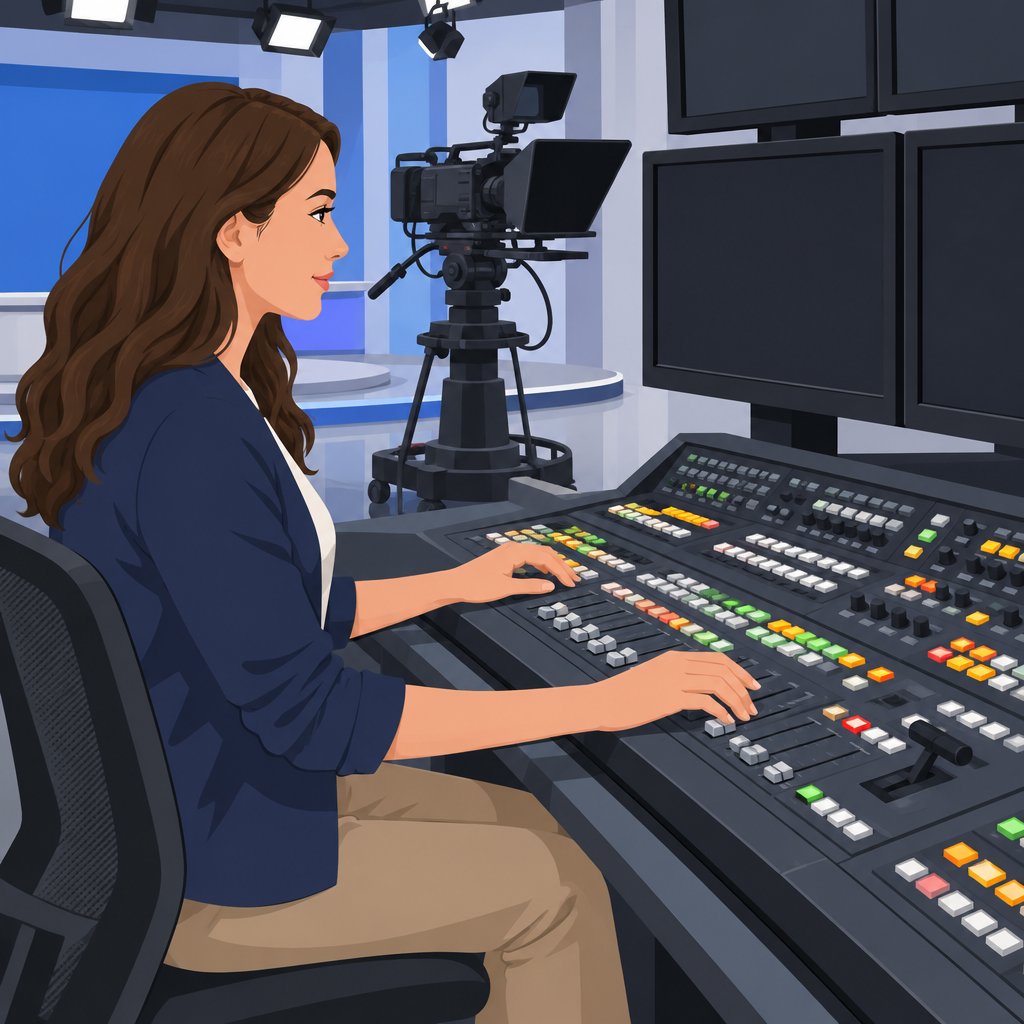
Projects Requiring Cross-Role Collaboration
Many broadcast projects depend on close coordination among several studio roles.
Each project creates different technical demands and communication needs.
As a result, technicians adjust their work to support the production’s format.
- Live Events: Technicians coordinate infrastructure with producers and directors during live events.
- Live Events: They troubleshoot technical issues while the broadcast continues.
- Television Shows: Technicians support rehearsals and technical adjustments for scripted television shows.
- Television Shows: They coordinate blocking, lighting, and sound with the director.
- Documentaries: Technicians work with producers to gather stories and maintain production quality.
- Documentaries: They protect the documentary’s integrity through careful audio and video work.
- Commercials: Technicians coordinate with directors under tight schedules.
- Commercials: They help achieve the intended visual style and meet client expectations.
Technology That Supports Studio Collaboration
Technology gives studio teams practical ways to communicate and coordinate their work.
These tools also help technicians monitor performance and respond quickly.
However, teams must use technology alongside clear human communication.
- Software Tools: Project management software keeps team members informed about progress.
- Software Tools: These systems clarify assignments and organize production tasks.
- Real-Time Monitoring: Technicians monitor performance and communicate necessary adjustments to directors.
- Real-Time Monitoring: Quick responses help maintain the production’s flow.
- Instant Messaging Platforms: Teams use messaging platforms to report urgent technical issues.
- Instant Messaging Platforms: Timely messages support faster problem resolution.
Training for Stronger Collaborative Performance
Continuous training helps technicians collaborate more effectively with studio colleagues.
Regular development also keeps their technical knowledge current.
Furthermore, shared learning can strengthen confidence, trust, and communication.
- Technical Skills Training: Technicians study current equipment and production technology.
- Technical Skills Training: Regular practice prepares them for collaborative technical decisions.
- Team-Building Exercises: Studios use group activities to develop cooperation and trust.
- Team-Building Exercises: These activities can improve communication and operational efficiency.
- Communication Workshops: Workshops teach technicians and colleagues to express ideas clearly.
- Communication Workshops: Shared communication skills support a more productive studio environment.
A broadcast technician contributes more than technical knowledge to studio operations.
By collaborating with producers, directors, and on-air talent, technicians support successful productions.
Effective communication, shared goals, useful technology, and ongoing training strengthen that contribution.
Discover More: How to Stay Updated with the Latest Video Editing Trends
Technological advances continue to reshape broadcasting and studio work.
Digital tools now influence production methods, equipment management, and content delivery.
Therefore, broadcast technicians must develop adaptable skills and maintain current technical knowledge.
Digital Advances in Broadcasting Techniques
Digital technologies have transformed how studios produce, manage, and deliver broadcast content.
These tools streamline workflows and reduce the time technicians spend managing physical media.
Consequently, technicians can devote more attention to content quality and reliable studio performance.
- Digital workflows improve efficiency by simplifying production processes.
- High-definition and ultra-high-definition formats improve the viewer experience.
- Technicians must adjust their methods to support higher output standards.
- Avid Media Composer and Adobe Premiere Pro support advanced editing techniques.
- Automation reduces human error during broadcast monitoring.
- Cloud storage provides remote access to project files.
- Remote access also supports collaboration across different locations.
These developments require technicians to continue learning throughout their careers.
Moreover, technicians who use digital tools effectively can support smoother studio operations.
Maintaining Current Equipment and Software Skills
The broadcasting landscape changes quickly as manufacturers and software developers introduce new tools.
Transform Your Career Today
Unlock a personalized career strategy that drives real results. Get tailored advice and a roadmap designed just for you.
Start NowTechnicians therefore need current knowledge to provide dependable technical support.
Regular learning also helps them use equipment safely, efficiently, and accurately.
- Updated industry knowledge can strengthen a technician’s career opportunities.
- Familiarity with current equipment can improve production quality.
- Knowledge of newer techniques supports faster troubleshooting.
- Current skills help technicians respond to changing client expectations.
- Technology-focused events can create networking opportunities with industry peers.
Technicians can pursue training sessions, online courses, and industry publications.
Furthermore, technical forums encourage knowledge sharing and collaborative learning.
Implementing New Broadcast Technologies
Broadcast technicians help studios introduce new technologies and replace outdated systems.
Their practical expertise can support a smoother transition between different technical environments.
They also connect technical planning with the daily needs of production teams.
- Technicians install new equipment and configure compatible system settings.
- They train staff members to operate unfamiliar equipment and software.
- They test new systems thoroughly before live operation begins.
- They troubleshoot problems and fine-tune system performance during testing.
- They schedule maintenance and diagnostic checks to prevent failures.
- They assess new systems and recommend practical improvements.
Strong problem-solving skills help technicians respond quickly when new systems create unexpected challenges.
Because technicians often handle initial equipment problems, their expertise remains essential during implementation.
Building Adaptability for Broadcasting’s Future
Technological innovation will continue changing the broadcasting industry.
Technicians who monitor these developments can remain prepared for evolving studio requirements.
Continuous learning allows them to maintain professional standards while using newer systems.
Adaptable technicians can also contribute more effectively to their studios.
Ultimately, broadcasting depends on both capable technology and skilled professionals.
Investing in knowledge and adaptability can help technicians support the industry’s continuing development.
Explore Further: Legal Aspects Every Publishing Rights Manager Should Know
Career Opportunities and Advancement
Broadcast technicians support the media landscape through reliable audio and visual presentations.
They can pursue varied career paths while developing specialized technical skills.
Furthermore, professional networks can help technicians discover advancement opportunities.
Potential Career Paths for Broadcast Technicians
Broadcast technicians can choose several career paths that expand their knowledge and responsibilities.
Each path allows professionals to focus on specific production or equipment skills.
For example, technicians may consider the following roles.
- Audio Engineer: This professional manages sound quality and production effects.
- Video Technician: This specialist manages video equipment and editing software.
- Studio Manager: This manager oversees studio operations and supports efficient workflows.
- Broadcast Engineer: This engineer maintains and repairs studio broadcasting equipment.
- Field Technician: This technician prepares broadcast equipment for live events.
- Master Control Operator: This operator monitors broadcast signals for proper transmission.
- Post-Production Technician: This technician edits and refines audio and video content.
These roles often overlap, so professionals can build broad technical expertise.
As technology changes, new positions may emerge across media production.
Therefore, technicians should monitor industry trends and continue developing relevant skills.
Growth Opportunities Beyond Traditional Broadcasting
Broadcast technicians can advance within traditional broadcasting or apply their skills elsewhere.
They can pursue specialized training, management roles, freelance projects, or consultancy work.
Additionally, related industries can provide new ways to use their technical experience.
- Skill Development: Technicians can pursue certifications or advanced specialized training.
- Management Positions: Experienced professionals can oversee teams and production operations.
- Freelance Opportunities: Independent work can provide experience across various projects.
- Consultancy Roles: Consultants can help organizations improve their production quality.
- Diverse Industries: Technicians can work in corporate video production or educational media.
- Remote Work: Professionals can explore remote production and online streaming opportunities.
Moreover, virtual and augmented reality can create additional opportunities for adaptable technicians.
Professionals can shift into related fields by applying their existing production knowledge.
Continuous learning helps technicians align their abilities with evolving media technologies.
Networking and Professional Organizations for Career Development
Networking helps broadcast technicians build relationships and identify potential career opportunities.
Professional organizations also provide resources, training, certifications, and industry connections.
Technicians can explore the following organizations and community activities.
- Society of Broadcast Engineers: SBE offers resources, networking, and technician certifications.
- National Association of Broadcasters: NAB provides educational resources and industry events.
- International Association of Broadcast Manufacturers: IABM connects media technology professionals.
- Association for Computing Machinery: ACM supports technology advancement and professional networking.
- Women in Broadcasting: This organization supports women in broadcasting and media.
- Local Meetups and Workshops: These activities encourage community-based professional networking.
Through these groups, technicians can expand their connections and strengthen their professional knowledge.
Many organizations offer workshops, seminars, and mentorship programs for developing professionals.
By staying engaged, technicians can support long-term growth through learning and networking.
Broadcast technicians keep studio operations running smoothly.
They manage complex equipment while protecting transmission quality.
However, the profession also brings demanding schedules, technical pressure, and changing employment conditions.
Transform Your Career Today
Unlock a personalized career strategy that drives real results. Get tailored advice and a roadmap designed just for you.
Start NowChallenges That Shape Broadcast Technician Work
Broadcast technicians face several obstacles during daily operations.
These challenges require flexibility, concentration, and a willingness to keep learning.
Understanding these pressures can help aspiring technicians prepare for the profession.
- Technical complexity: Broadcasting technology changes constantly, so technicians must learn new systems quickly.
- Long hours: Broadcast schedules often include nights, weekends, and other irregular working periods.
- High pressure: Live programs give technicians little time to correct unexpected technical problems.
- Physical demands: Technicians may lift equipment or work in cramped spaces during production.
- Job security: Industry changes can affect stability, making adaptability and reskilling increasingly important.
Rewards That Balance the Professional Demands
Despite these difficulties, broadcast technicians can gain meaningful professional satisfaction.
They contribute technical expertise while helping creative teams deliver successful productions.
Furthermore, continued learning can create opportunities for specialization and advancement.
- Strong demand: Skilled technicians can find opportunities as media organizations continue their digital shift.
- Creative involvement: Technicians work with directors and producers to support creative decisions.
- Professional growth: Experienced technicians can pursue supervisory roles or specialized technical positions.
- Job satisfaction: Solving a problem during a live show can create a strong sense of accomplishment.
- Networking potential: Industry connections can support future employment and collaborative opportunities.
Insights from Experienced Broadcast Professionals
Industry professionals describe both the pressure and satisfaction associated with broadcast work.
Their experiences show how technicians respond to changing tools, urgent problems, and uncertain schedules.
These perspectives also reveal the personal rewards that can accompany demanding assignments.
Mark’s Experience with Technical Change
Mark has worked in broadcasting for more than a decade.
He explains that new software and systems appear frequently.
Mark considers continuing education essential for maintaining his career.
“The technology changes so fast in this industry.”
“Staying updated is essential.”
He has completed courses, online training, and workshops to strengthen his technical knowledge.
Jessica’s Experience with Live Events
Jessica specializes in live event broadcasting.
She must solve problems quickly while programs remain on air.
Although the environment creates stress, she values the excitement and shared achievement.
“There is nothing like the adrenaline rush of a live show.”
“You have seconds to solve problems, but that thrill makes it worthwhile.”
Jessica feels satisfied when her work contributes to a successful broadcast.
Tom’s Experience as a Freelance Technician
Tom works as a freelance broadcast technician.
Freelancing gives him flexibility, but consistent work remains difficult to secure.
Each assignment helps him learn different techniques and serve varied clients.
“Freelancing gives me flexibility.”
“Every position teaches me something new.”
Tom also values the connections he builds through each new opportunity.
Professional Resilience in Broadcast Work
Broadcast technician work combines technical responsibility with unpredictable professional demands.
Technicians can manage these demands by remaining adaptable and pursuing relevant training.
The profession can provide fulfillment when technicians solve problems and support successful productions.
Future Directions for Broadcast Technicians
Broadcast technicians help studios deliver smooth, high-quality programming.
They manage cameras, microphones, mixing consoles, and other complex equipment.
Without their expertise, technical problems can interrupt production and disrupt programming.
Technological advances continue to reshape the broadcasting profession.
Therefore, technicians must learn new tools, methods, and digital workflows.
They also need to understand audience needs across broadcast and streaming platforms.
Meanwhile, interactive content will expand their technical responsibilities.
Growing content creation will increase demand for skilled technical professionals.
Digital integration can further enhance the viewing experience.
Additionally, diverse production teams will require strong communication and collaboration.
New technicians can explore varied roles throughout this dynamic field.
Internships and entry-level positions provide practical insight into studio work.
Furthermore, networking with industry professionals can reveal potential opportunities.
Online courses and workshops help technicians maintain current skills.
Continuous learning will support excellence as broadcasting evolves.
Additional Resources
Google search results for Broadcast Technician: Role in Studio Operations Media and Communication
Transform Your Career Today
Unlock a personalized career strategy that drives real results. Get tailored advice and a roadmap designed just for you.
Start NowBing search results for Broadcast Technician: Role in Studio Operations Media and Communication


