




Internet of Things Ecosystems
IoT ecosystems comprise interconnected devices that communicate and share data.
These devices range from smart home appliances to industrial sensors.
Building an effective IoT ecosystem requires seamless integration and dynamic interactions.
An efficient ecosystem enhances user experience and optimizes resource management.
Benefits of Managing IoT Ecosystems
Effective management helps devices function harmoniously.
Poorly managed ecosystems create data silos and inefficient operations.
Strong management improves operational efficiency and reduces costs.
Additionally, a well-structured ecosystem increases security and supports scalability.
As businesses adopt IoT technology, strong ecosystems become increasingly important.
They also encourage innovation and create new revenue streams.
Furthermore, these ecosystems improve data analytics capabilities and support informed decision-making.
Developer Responsibilities in IoT Ecosystem Development
Developers create and maintain IoT ecosystems.
They design scalable architectures that support diverse devices.
Moreover, developers ensure that different protocols communicate seamlessly.
Strong coding practices produce reliable and secure applications.
Developers also implement robust APIs that facilitate data exchange.
These APIs enable third-party integrations and expand ecosystem capabilities.
Continuous testing helps developers identify vulnerabilities and fix bugs before deployment.
Regular updates keep systems secure and improve their functionality.
Developers also focus on user experience and intuitive applications.
They consider functionality and aesthetics during the design phase.
Collaboration remains essential when developers build IoT ecosystems.
They coordinate with hardware engineers and data scientists.
Open communication encourages innovation and improves problem-solving.
Engaging end-users helps developers understand their needs more clearly.
This feedback loop drives iterative improvements and keeps ecosystems relevant.
Developer expertise shapes ecosystem functionality, security, and user experience.
As IoT technology evolves, developers will continue driving innovation.
Understanding IoT Ecosystems
An IoT ecosystem represents a network of interconnected devices.
These devices collect, exchange, and analyze data in real-time.
They interact seamlessly with users, applications, and other devices.
This synergy enhances the overall functionality of IoT solutions.
IoT ecosystems drive innovation across industries, including healthcare and agriculture.
Components of IoT Ecosystems
IoT ecosystems consist of several integral components.
Understanding these components supports effective development and management.
- Devices: Physical elements include sensors, actuators, and smart appliances.
- Sensors: Sensors detect environmental changes, including temperature, humidity, and motion.
- Networks: Networks facilitate communication through wireless or wired connections.
- Cloud Platforms: Cloud platforms store, process, and analyze data from IoT devices.
Interconnectivity and Data Flow in IoT Ecosystems
Interconnectivity forms the backbone of IoT ecosystems.
Devices communicate through various protocols and technologies.
This communication creates a robust flow of data.
Therefore, developers must understand this flow when designing IoT solutions.
- Data Collection: Devices collect data through sensors.
- Data Transmission: Devices transmit collected data across networks.
- Data Processing: Cloud platforms clean, sort, and analyze transmitted data.
- Data Storage: Cloud databases store processed data securely and accessibly.
- Data Analysis: Analytics tools generate insights and predictions from stored data.
- Data Utilization: Insights guide decisions and improve operational efficiency and user satisfaction.
Each component and stage supports the ecosystem’s functionality.
Transform Your Career Today
Unlock a personalized career strategy that drives real results. Get tailored advice and a roadmap designed just for you.
Start NowTogether, they create an interconnected web that drives innovation.
Consequently, developers need to understand their intricate relationships.
Future Directions for IoT Ecosystems
IoT ecosystems will continue expanding as the technology evolves.
This interconnected network will support smarter solutions across various sectors.
Comprehensive knowledge empowers developers to shape future IoT innovations.
Project Requirements and Objectives
First, clarify your project requirements and objectives before building the IoT ecosystem.
Clear goals guide each decision throughout development and implementation.
Additionally, defined objectives help teams evaluate progress, costs, timelines, and expected results.
- Define the Problem: Identify the specific challenges that your project should address.
- Set Clear Objectives: Establish measurable goals that reflect timelines, costs, and desired outcomes.
- Understand User Needs: Engage potential users to learn about their needs and expectations.
- Consider Regulatory Requirements: Investigate applicable laws and regulations before implementing the project.
- Evaluate Technology Trends: Monitor current IoT developments to identify relevant opportunities.
Hardware and Software Component Selection
Next, select hardware and software that support reliable performance and compatibility.
Suitable components should match project needs while supporting secure communication and dependable operation.
Furthermore, platform and language choices should reflect the use case and team capabilities.
- Identify Hardware Requirements: Choose sensors, actuators, and devices that meet project requirements.
- Assess Compatibility: Confirm that hardware components communicate through suitable protocols and interfaces.
- Evaluate Development Platforms: Consider AWS IoT, Google Cloud, or Azure IoT for software development.
- Choose Programming Languages: Select Python, Java, or C++ according to team skills.
- Consider Security Features: Require strong security measures to protect data throughout the system.
Device and Platform Integration
Effective integration connects devices and platforms within one interoperable ecosystem.
Consequently, consistent communication improves efficiency, usability, and data exchange across connected components.
Teams should test integrations carefully and monitor performance under varied conditions.
- Establish Communication Protocols: Define MQTT, CoAP, or other suitable protocols for device communication.
- Support Interoperability: Use standardized protocols so devices from different manufacturers can work together.
- Implement APIs: Create application programming interfaces that support integration and data exchange.
- Conduct Rigorous Testing: Check connectivity, response times, and reliability under various conditions.
- Monitor Performance: Track speed, efficiency, and uptime using suitable monitoring tools.
Scalable and Flexible Ecosystem Design
A scalable and flexible architecture allows the ecosystem to accommodate changing needs.
Meanwhile, modular components simplify upgrades, replacements, and future additions.
Cloud services and automation can also support growth while reducing management effort.
- Architect for Scalability: Design the system to accommodate future device growth.
- Implement Modular Design: Use modular components to simplify upgrades and replacements.
- Use Cloud-Based Solutions: Apply cloud services for scalable data storage and processing.
- Automate Management Tasks: Use automation tools to reduce manual scaling activities.
- Plan Future Integration: Prepare the ecosystem for additional technologies and systems.
Building a Sustainable IoT Foundation
Successful IoT development depends on careful planning, suitable components, and effective integration.
Scalable architecture helps the ecosystem respond to future requirements and user demands.
Therefore, each planning decision contributes to a sustainable system that serves present and future needs.
Gain More Insights: Importance of Security in Cloud Architecture
Managing an IoT ecosystem requires a robust strategy.
This strategy covers monitoring, maintenance, data management, security, and compliance.
Each area supports a seamless and reliable user experience.
Monitoring and Maintaining Devices and Networks
Monitoring devices and networks supports the health of an IoT ecosystem.
Consistent maintenance helps devices perform as intended and reduces disruptions.
Teams can use several practices to maintain reliable device and network performance.
- Real-Time Monitoring: Implement systems that track device performance and network reliability.
- Alert Systems: Configure alerts for device failures and unusual activity.
- Regular Diagnostics: Schedule diagnostic checks to identify issues before they escalate.
- Remote Management Tools: Use remote tools to access and control devices from anywhere.
- Firmware Updates: Apply firmware updates regularly to reduce security risks.
A consistent monitoring routine can extend device longevity.
Furthermore, proactive maintenance keeps networks efficient and limits downtime.
These practices can improve user satisfaction across the ecosystem.
Managing Data and Applying Analytics
Data management forms the operational core of an IoT ecosystem.
Efficient handling becomes essential when many devices generate information.
Effective strategies help teams transform collected data into useful insights.
- Data Collection Strategies: Collect necessary data while limiting unnecessary storage costs.
- Data Storage Solutions: Select scalable storage options that support accessibility.
- Data Processing Techniques: Streamline processing to produce actionable insights quickly.
- Analytics Tools: Use machine learning and artificial intelligence to strengthen analysis.
- Visualization Practices: Present complex data through clear and useful visualizations.
Comprehensive data management strengthens decision-making.
It also reveals patterns involving user behavior and device performance.
Additionally, analytics can guide marketing strategies and product development.
Strengthening Security Protocols and Practices
Security remains a major concern across the IoT landscape.
Strong protocols protect devices, data, and user trust.
Developers should combine preventive controls with prepared response procedures.
- Device Authentication: Require strong authentication measures for connected devices.
- Data Encryption: Encrypt data during transmission and storage.
- Regular Vulnerability Assessments: Identify and address potential threats frequently.
- Access Control: Limit access according to user roles and responsibilities.
- Incident Response Plans: Prepare procedures for managing security breaches effectively.
These measures can significantly reduce security risks.
Transform Your Career Today
Unlock a personalized career strategy that drives real results. Get tailored advice and a roadmap designed just for you.
Start NowMoreover, a secure environment strengthens user confidence.
Security therefore supports the long-term sustainability of an IoT ecosystem.
Meeting Regulations and Industry Standards
Regulatory compliance remains essential for IoT developers.
Requirements differ according to region and device type.
Developers can use structured practices to manage these responsibilities effectively.
- Understand Regulatory Requirements: Research relevant local, national, and international IoT laws.
- Standards Certifications: Seek recognized certifications, including ISO or IEC certifications.
- Data Protection Policies: Align policies with requirements such as GDPR or HIPAA.
- Documentation Practices: Record processes, policies, and compliance procedures thoroughly.
- Continuous Review: Review compliance practices and update policies regularly.
Strong compliance practices can reduce legal risks and strengthen trust.
Users value ecosystems that prioritize transparency and ethical standards.
Compliance can also support a positive brand image.
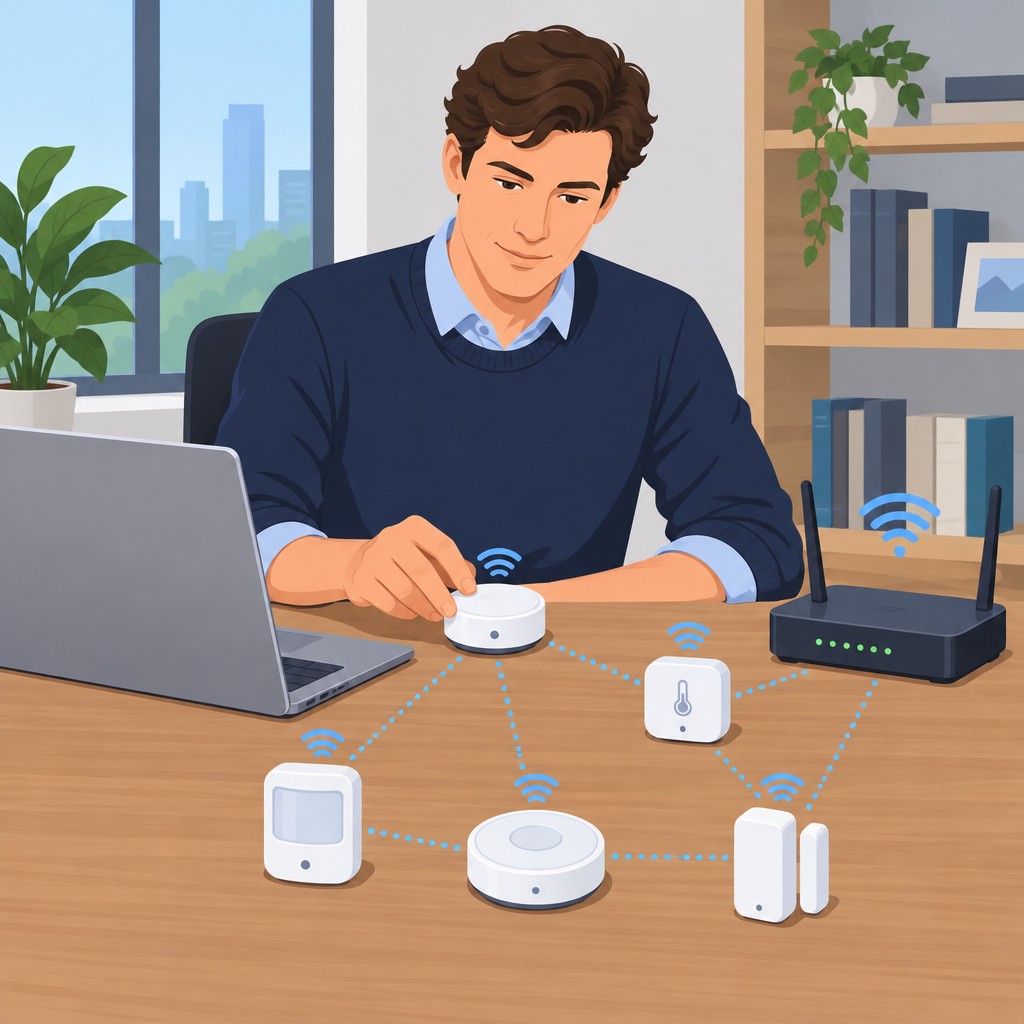
Building Sustainable IoT Operations
Effective IoT management requires attention to several connected responsibilities.
Monitoring, data management, security, and compliance each influence system performance.
Developers who manage these areas can create stronger and more adaptable applications.
Ongoing attention also supports innovation and user engagement.
You Might Also Like: Information Security Analyst: Remote Work Opportunities
IoT developers use many tools and technologies to build efficient and scalable solutions.
These resources support device development, management, communication, and data processing.
Each component contributes specific capabilities to an effective IoT solution.
Popular IoT Development Platforms
Choosing a suitable development platform establishes an important foundation for each IoT project.
Different platforms provide distinct features for connectivity, security, management, and analytics.
Therefore, developers should match platform capabilities with their project requirements.
- IoT Core provides a lightweight operating system for connecting IoT devices securely.
- It supports automatic updates, remote management, and built-in data protection features.
- Microsoft’s Azure IoT Suite supports secure connections, device management, analytics, and machine learning.
- Azure also supports multiple programming languages for application development.
- AWS IoT supports device connectivity, messaging, storage, and real-time responses to device events.
- The platform also connects with other AWS services to extend application functionality.
Programming Languages for IoT Development
Developers can select from several programming languages when building IoT applications.
Device capabilities and project objectives often influence that selection.
Meanwhile, each language offers different advantages for development, hardware control, and data processing.
- Python offers readable syntax, extensive libraries, and useful frameworks for IoT development.
- Developers often use Python for prototypes, complex algorithms, and data analysis tasks.
- C provides efficient, low-level control for resource-constrained IoT devices.
- However, C requires deeper knowledge of programming concepts and hardware manipulation.
- Java offers platform independence, networking libraries, and data processing capabilities.
- Its broad device support and community assistance benefit IoT application development.
Device Management and Monitoring Tools
Effective device management helps IoT systems maintain reliable performance.
Monitoring tools also help developers identify issues before they increase downtime.
Additionally, management solutions support secure device operation throughout the device lifecycle.
- IoT Hub connects devices with cloud services and supports two-way communication.
- It enables commands, data exchange, security controls, reliable messaging, and device monitoring.
- MQTT provides lightweight messaging for low-bandwidth and unreliable networks.
- Its publish-subscribe model simplifies communication between devices and applications.
- Device management solutions support provisioning, firmware updates, monitoring, and lifecycle administration.
- These solutions help devices operate securely and efficiently.
Protocols for IoT Data Transmission
IoT systems rely on communication protocols to exchange data between devices, servers, and applications.
Each protocol addresses different requirements involving network conditions, device resources, and communication patterns.
Accordingly, developers should choose protocols that support their intended data transmission needs.
- HTTP provides widely supported web communication, but it can consume significant device resources.
- Therefore, HTTP may not suit every low-power IoT use case.
- CoAP supports communication between resource-constrained devices over low-power networks.
- It provides multicast requests and a RESTful interface similar to HTTP.
- MQTT uses lightweight messaging for limited-bandwidth and mobile network environments.
- Its simple publish-subscribe model can support low-power IoT communication.
Successful IoT development requires careful selection of platforms, languages, management tools, and communication protocols.
When combined appropriately, these components help developers create robust and efficient IoT solutions.
Find Out More: Application Support Analyst: Handling Security Issues
As the Internet of Things expands, security must remain a priority for organizations and developers.
Secure IoT ecosystems protect sensitive data and maintain user trust.
Developers should incorporate these practices into every IoT development strategy.
Implementing End-to-End Encryption
End-to-end encryption protects data as it travels between devices.
This protection helps prevent unauthorized parties from intercepting communications.
Teams should apply encryption consistently across IoT environments.
- Employ Strong Encryption Protocols: Use established protocols such as AES, RSA, or ECC to strengthen security.
- Encrypt Data at Rest and in Transit: Protect stored data and transmitted data with encryption.
- Utilize Secure Key Management: Generate, store, and manage encryption keys through secure systems.
- Regularly Update Encryption Standards: Monitor encryption advances and update systems when necessary.
Regular Security Audits and Updates
Routine security audits help organizations identify weaknesses within IoT ecosystems.
Frequent updates also reduce exposure to known vulnerabilities.
Organizations should combine scheduled reviews with continuous security monitoring.
Transform Your Career Today
Unlock a personalized career strategy that drives real results. Get tailored advice and a roadmap designed just for you.
Start Now- Create a Security Audit Schedule: Set regular audit intervals for evaluating IoT system security.
- Employ Automated Security Tools: Use continuous monitoring tools to identify vulnerabilities or breaches quickly.
- Document Findings: Record vulnerabilities and solutions to build a useful security knowledge base.
- Apply Software Updates Immediately: Install security patches promptly to reduce exploitation risks.
Access Control and Authentication Mechanisms
Strong access controls limit who can use IoT devices and services.
Authentication mechanisms verify users before they access protected resources.
Organizations should regularly review permissions as responsibilities change.
- Use Strong Password Policies: Require complex passwords that discourage unauthorized access.
- Enable Two-Factor Authentication: Add another verification step before granting device access.
- Apply Role-Based Access Control: Assign limited permissions according to each user’s role.
- Regularly Review Access Controls: Update permissions when roles change or personnel leave.
Secure Firmware Updates for Devices
Secure firmware updates help protect devices from vulnerabilities caused by outdated software.
A reliable update process verifies each release before installation.
Organizations should make updates accessible while preserving their integrity.
- Design a Secure Update Process: Define how devices receive and install firmware updates.
- Authenticate Firmware Updates: Verify firmware signatures before applying updates.
- Provide User Notifications: Tell users when updates become available and explain secure installation steps.
- Automate Updates: Automate installations where practical to reduce unpatched devices.
Continuous User Education and Awareness
Security measures can fail when users lack awareness of common threats.
Ongoing education encourages safer behavior across organizations and connected-device users.
Clear communication also helps users report concerns before problems grow.
- Conduct Training Sessions: Hold regular sessions about threats and safe connected-device practices.
- Share Security Updates: Inform users about new threats and explain how to avoid them.
- Offer Comprehensive Resources: Provide documentation that explains IoT security practices.
- Encourage Feedback: Create channels for reporting security concerns and reviewing security measures.
Building secure IoT ecosystems requires diligence and a proactive approach.
These practices help developers minimize risks and maintain user trust.
Threats continue to evolve, so teams must stay informed and adapt their protections.
Ultimately, strong security protects sensitive data and improves the user experience.
Experienced developers and newcomers can use these principles as a foundation.
Integrating security throughout development helps teams build resilient IoT ecosystems.
Explore Further: Developing a Culture of Change in IT Organizations
Challenges in Building and Managing IoT Ecosystems
Building and managing Internet of Things (IoT) ecosystems involves various challenges that developers must address.
These challenges can hinder an organization’s ability to use IoT technology effectively.
Organizations must address interoperability, privacy, scalability, and legacy integration throughout development.
Interoperability Issues Between Devices and Platforms
Interoperability enables seamless communication among devices within an IoT ecosystem.
However, several barriers can prevent devices and platforms from working together effectively.
- Diverse Protocols: Different devices may use protocols such as MQTT, CoAP, and HTTP.
- Inconsistent Standards: No universal standards govern every IoT implementation.
- Vendor Lock-in: Devices from different manufacturers may restrict integration.
- Fragmented Ecosystems: Multiple platforms can make cohesive system design difficult.
Developers should support multiple protocols when designing interoperable IoT systems.
They should also adopt standardized frameworks that encourage communication across devices.
Data Privacy Concerns and Regulations
Connected devices increase the importance of strong data privacy practices.
Organizations must manage personal information carefully while meeting applicable regulatory requirements.
- Regulatory Compliance: Organizations must follow regulations such as GDPR and CCPA.
- User Consent: Developers may struggle to obtain consent for biometric and personal data.
- Data Breaches: Connected devices can expose sensitive information during cyberattacks.
- Encryption Gaps: Weak encryption methods can allow potential data leaks.
Developers should integrate data protection measures throughout the entire IoT architecture.
End-to-end encryption and regular security assessments can reduce the risk of breaches.
Teams should also monitor regulatory changes to maintain compliance.
Scalability and Performance Issues
IoT applications often face performance problems as device deployments expand.
Increasing device numbers can strain networks, storage systems, and processing resources.
- Network Congestion: Increased device traffic can slow data transmission.
- Data Management: Growing deployments create larger and more complex data volumes.
- Resource Limitations: Many devices have limited processing capabilities.
- Latency: Network delays can hinder real-time processing and responsiveness.
Cloud solutions can provide dynamic resource allocation as deployments grow.
Edge computing can reduce latency and lower the processing burden on central servers.
Combining cloud and edge resources helps developers support growth while maintaining performance.
Integration of Legacy Systems with IoT Infrastructure
Many organizations depend on legacy systems that cannot directly support modern IoT infrastructure.
Integration efforts must account for outdated technologies, isolated data, and incompatible hardware.
- Technical Debt: Outdated technology can complicate integration work.
- Data Silos: Existing databases may not communicate with IoT solutions.
- Incompatibility: Legacy hardware may not support newer protocols or standards.
- Resource Allocation: Upgrades and replacements require substantial time and budget.
Developers should assess existing architectures before selecting integration strategies.
Middleware can bridge communication gaps between legacy systems and modern IoT applications.
Gradual transitions can limit operational disruption during upgrades or replacements.
Strategic Priorities for IoT Ecosystems
IoT ecosystem development requires coordinated solutions across technical and organizational areas.
Interoperability, privacy, scalability, and legacy integration each influence long-term system performance.
Transform Your Career Today
Unlock a personalized career strategy that drives real results. Get tailored advice and a roadmap designed just for you.
Start NowBy addressing these challenges proactively, organizations can use IoT technology more effectively.
Strategic Priorities for Future IoT Development
Building and managing IoT ecosystems helps organizations maximize technological potential.
These ecosystems foster innovation, strengthen connectivity, and improve user experiences.
Developers must understand hardware and software components throughout this process.
First, developers should prioritize interoperability among devices.
When devices communicate seamlessly, systems operate more efficiently.
This compatibility reduces setup time and user frustration.
Consequently, well-managed ecosystems can increase customer satisfaction and loyalty.
Security remains a central concern in IoT development.
Therefore, developers must integrate robust protections from the beginning.
Encryption and regular updates can reduce vulnerabilities.
A secure ecosystem protects users’ data and builds trust.
Meanwhile, effective data management supports lasting ecosystem value.
Developers should establish suitable data collection and analytics strategies.
Useful insights can guide decisions and improve functionality.
This approach keeps ecosystems relevant and useful.
Additionally, developers should consider the user’s perspective.
Recognizing user needs can shape successful designs and functions.
Collaboration with developers and organizations can also fuel innovation.
Together, teams can create groundbreaking solutions.
Looking ahead, IoT ecosystems will continue advancing.
Edge computing can accelerate data processing and support faster responses.
This approach reduces latency and strengthens real-time decision-making.
Moreover, artificial intelligence and machine learning can personalize user experiences.
Developers should remain informed about evolving technologies.
Continuous learning and adaptation remain vital in this rapidly changing field.
Building and managing these ecosystems will require agility and foresight.
By embracing these principles, developers can help shape future IoT innovation.
Ultimately, connectivity, security, and user focus provide a strong foundation for future results.


