




Introduction
IT Compliance Officers ensure that information technology systems follow regulatory requirements.
These professionals safeguard organizational data while aligning IT practices with laws and standards.
They also identify vulnerabilities that could threaten data security and compliance.
Risk management supports effective IT compliance.
It involves assessing risks that could affect an organization’s IT infrastructure.
By identifying and reducing these risks, IT Compliance Officers protect sensitive information.
This approach also helps maintain regulatory compliance.
Furthermore, it builds trust among stakeholders, clients, and regulatory bodies.
This guide presents risk management practices for IT Compliance Officers.
You will learn to recognize risks and evaluate their potential impact.
You will also learn strategies for mitigating identified risks.
These practices can strengthen your risk management efforts.
The Importance of Risk Assessment
Risk assessment begins the risk management process.
It allows IT Compliance Officers to identify and analyze organizational risks.
These risks may include data breaches, compliance violations, and data integrity losses.
After identifying risks, evaluate their likelihood and potential impact.
Categorizing risks helps organizations prioritize areas requiring immediate attention.
This focused approach supports efficient resource allocation.
It also improves the protection of organizational assets.
Implementing Risk Mitigation Strategies
After assessing risks, implement appropriate mitigation strategies.
Develop a risk management plan for each identified risk.
The plan should detail specific actions for addressing those risks.
Additionally, regular training and awareness programs reinforce compliance measures.
Finally, continuously monitor and review risk management practices.
Keep current with changing regulations and emerging threats.
This ongoing vigilance keeps the compliance framework robust and effective.
Responsibilities of an IT Compliance Officer
An IT Compliance Officer manages technology governance and regulatory obligations.
The role extends beyond monitoring technical protocols.
These professionals coordinate governance, risk, and compliance activities across the organization.
- Regulatory Compliance: Ensure adherence to laws such as GDPR, HIPAA, and PCI DSS.
- Policy Development: Create and maintain IT policies aligned with applicable regulations.
- Risk Assessment: Conduct regular assessments to identify vulnerabilities.
- Audits and Reporting: Perform internal audits and report the organization’s compliance status.
- Training and Awareness: Develop staff training programs addressing compliance issues.
- Incident Response: Oversee responses to compliance-related incidents and breaches.
- Stakeholder Communication: Communicate with regulatory bodies and internal stakeholders.
Business Value of Regulatory Compliance
Regulatory compliance protects organizations from avoidable legal and operational consequences.
It also strengthens customer confidence when companies protect privacy and security.
Furthermore, consistent compliance practices can improve operational efficiency and reduce uncertainty.
- Legal Protection: Following laws reduces the risk of legal action.
- Consumer Trust: Strong compliance practices encourage customer confidence.
- Competitive Advantage: A compliance-focused reputation can distinguish an organization within its market.
- Operational Efficiency: Structured compliance processes can streamline business activities.
- Risk Mitigation: Compliance initiatives help organizations identify and manage potential risks.
Risk Management Strategies for Compliance
Effective risk management must reflect an organization’s specific compliance requirements.
The compliance officer evaluates threats, prioritizes responses, and supports informed decisions.
Regular communication helps employees respond consistently when new threats emerge.
- Risk Identification: Recognize threats that could affect compliance.
- Risk Assessment: Evaluate each risk’s likelihood and potential impact.
- Risk Mitigation: Implement measures that reduce identified risks.
- Monitoring: Review the effectiveness of risk management measures continuously.
- Reporting: Maintain transparent reporting channels for stakeholders.
Building a Sustainable Compliance Culture
Organizations should embed compliance responsibilities into everyday operations.
Comprehensive training helps employees understand their individual obligations.
Meanwhile, continuous monitoring allows teams to adapt when regulations change.
As businesses evolve, compliance officers must adjust risk management strategies accordingly.
This ongoing approach supports ethical practices and protects organizational interests.
Transform Your Career Today
Unlock a personalized career strategy that drives real results. Get tailored advice and a roadmap designed just for you.
Start NowPotential Risks in IT Compliance
IT Compliance Officers must recognize risks from regulatory, operational, technological, third-party, financial, and reputational sources.
These risks can affect information systems, business processes, finances, and stakeholder trust.
Therefore, organizations should identify applicable risks before developing effective mitigation strategies.
- Regulatory Risks: Organizations may face severe penalties when they fail to follow laws and standards.
- Operational Risks: Process failures and human errors can cause outages, breaches, and business disruptions.
- Technological Risks: Rapid advancements can outpace compliance measures, while legacy systems may lack required capabilities.
- Third-Party Risks: Vendors and partners can introduce weaknesses when they fail to meet compliance standards.
- Financial Risks: Non-compliance can create penalties, litigation costs, revenue losses, and higher insurance premiums.
- Reputational Risks: Compliance failures can damage public perception and weaken relationships with clients.
Each organization faces a different combination of compliance risks.
Consequently, compliance teams should tailor their assessments to organizational circumstances.
Organizational Effects of Non-Compliance
Non-compliance can harm an organization through financial, operational, and reputational consequences.
These effects can continue long after an initial compliance failure.
Organizations should therefore understand the possible consequences of ignoring compliance obligations.
- Financial Consequences: Fines, litigation costs, and lost revenue can place significant pressure on operations.
- Operational Disruptions: Audits can redirect personnel and resources away from core business functions.
- Loss of Business Opportunities: Clients may avoid partnerships with organizations that cannot demonstrate compliance.
- Reputational Damage: Public awareness of compliance failures can harm a brand’s image.
- Increased Oversight: Regulators may impose stricter requirements and monitor the organization more closely.
Regaining stakeholder trust after a compliance failure can require substantial time and effort.
Furthermore, recurring issues may increase scrutiny and complicate future business activities.
Benefits of Proactive Risk Mitigation
Proactive risk management helps organizations address weaknesses before they create serious compliance problems.
IT Compliance Officers support this process by coordinating timely assessments and corrective actions.
As a result, organizations can strengthen resilience while reducing avoidable disruption.
- Early Detection: Early risk recognition enables timely intervention before minor issues become major problems.
- Cost Savings: Prompt action can reduce penalties and other expenses associated with non-compliance.
- Enhanced Reputation: Strong compliance practices can support positive relationships with clients and partners.
- Improved Operational Efficiency: Streamlined processes can reduce bottlenecks and improve resource allocation.
- Regulatory Preparedness: Ongoing preparation can reduce disruption during audits and reviews.
- Risk Awareness Culture: Compliance awareness encourages employees to understand their responsibilities.
Moreover, proactive practices help organizations prioritize the most significant compliance concerns.
This approach allows teams to address potential threats before they affect operations.
Structured Methods for Identifying Risks
IT Compliance Officers need a structured process to identify and evaluate potential risks.
A consistent approach improves visibility across systems, departments, and external relationships.
Organizations can then use assessment results to strengthen their compliance programs.
- Conduct a Risk Assessment: Review current IT systems and evaluate their alignment with relevant regulations.
- Analyze Past Incidents: Examine previous breaches and regulatory issues to identify recurring weaknesses.
- Engage Stakeholders: Gather input from departments to develop broader risk awareness.
- Monitor Industry Changes: Track evolving regulations because new requirements can create additional risks.
- Evaluate Third-Party Vendors: Review partners and confirm that they meet relevant compliance expectations.
- Utilize Technology: Apply risk management software to support efficient identification and real-time monitoring.
Following these steps helps compliance teams identify risks efficiently.
Effective identification also creates a foundation for stronger mitigation efforts.
Organizations can improve resilience by assessing risks continuously and responding to changing requirements.
See Related Content: Role of IT Security Managers in Incident Response
Understanding Risk Assessment
Risk assessment systematically identifies and evaluates risks affecting an organization.
It helps organizations understand possible failures and their potential effects.
Organizations use assessment results to prioritize appropriate responses.
- Identify potential risks affecting information technology systems.
- Analyze each risk’s likelihood and consequences.
- Prioritize risks according to their implications.
Risk Assessment Process
A structured process helps organizations evaluate risks consistently.
The process connects risk identification with treatment and ongoing oversight.
Organizations should document decisions throughout every assessment stage.
Risk Identification
Organizations begin by identifying risks across information technology environments.
Teams evaluate systems, processes, and assets during this stage.
Stakeholder input and historical information can reveal recurring threats.
- Evaluate all information technology systems, processes, and assets.
- Consult stakeholders and staff about potential threats.
- Review historical data for incidents that may recur.
Risk Analysis
After identifying risks, organizations analyze their possible effects.
Teams estimate how likely each risk is to occur.
They also estimate the consequences of each realized risk.
- Assess the likelihood of each risk occurring.
- Estimate potential consequences when a risk materializes.
- Apply qualitative and quantitative evaluation methods.
Risk Evaluation
Risk evaluation determines which identified risks require significant attention.
Organizations compare analyzed risks against established acceptance thresholds.
A risk matrix can help teams visualize severity and likelihood.
- Establish thresholds for acceptable and unacceptable risks.
- Rank risks according to severity and likelihood.
- Create a matrix that displays risk levels clearly.
Risk Treatment
Organizations select treatment strategies after evaluating identified risks.
Each strategy should reflect the risk’s significance and available resources.
Decision-makers can avoid, mitigate, transfer, or accept a risk.
Transform Your Career Today
Unlock a personalized career strategy that drives real results. Get tailored advice and a roadmap designed just for you.
Start Now- Avoid risks by changing plans or removing their sources.
- Mitigate risks by implementing appropriate security measures.
- Transfer risks through insurance or outsourcing arrangements.
- Accept risks when mitigation costs exceed the risk’s value.
Risk Response Implementation
Organizations implement controls after selecting treatment strategies.
Clear responsibilities help teams coordinate risk management activities.
Training helps employees follow updated policies and procedures.
- Assign responsibility for risk management activities.
- Allocate resources for risk mitigation efforts.
- Train employees on new policies and procedures.
Monitoring and Review
Organizations must monitor controls after implementing risk responses.
Regular reviews show whether controls continue to work effectively.
Audits can verify compliance and identify necessary improvements.
- Continuously observe implemented controls and their effectiveness.
- Update assessments after organizational or environmental changes.
- Conduct periodic audits for compliance and effectiveness.
Why Organizations Review Assessments Regularly
Regular reviews help organizations respond to changes in their risk environment.
New threats can emerge and create previously unknown security gaps.
Organizational changes can also introduce new vulnerabilities.
- Monitor emerging threats to maintain organizational preparedness.
- Reassess vulnerabilities after organizational changes.
- Update compliance strategies when regulatory requirements change.
Without regular updates, outdated practices can leave gaps that threats exploit.
Effective Risk Assessment Practices
Effective assessments require broad participation across the organization.
Teams should combine human insight with consistent assessment methods.
Organizations can use metrics to evaluate their risk responses.
- Engage departments to develop a comprehensive risk landscape.
- Use automated tools to streamline assessments and improve accuracy.
- Address internal and external risks together.
- Encourage employees to report potential issues.
- Track mitigation success and risk impact through metrics.
Building Organizational Resilience Through Risk Assessment
Effective risk assessment procedures strengthen organizational resilience.
Organizations can manage risks through identification, analysis, evaluation, and treatment.
Ongoing monitoring supports security, compliance, and operational efficiency.
Delve into the Subject: Why Continuous Learning is Crucial for Systems Integrators
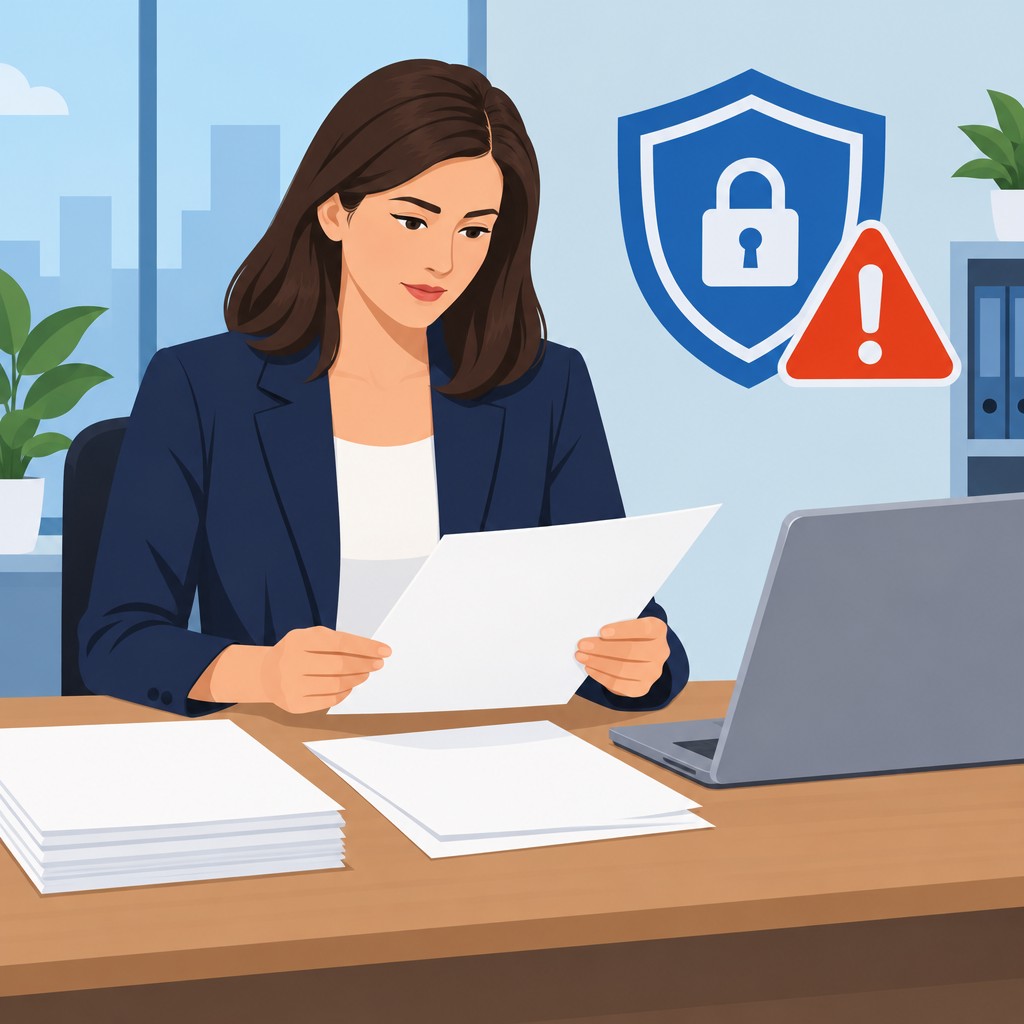
Risk management is a critical part of an IT Compliance Officer’s role.
Effective risk management helps organizations identify, assess, and mitigate information technology risks.
Robust strategies require a systematic approach that addresses organizational needs.
Officers must select suitable techniques and tools to manage risks effectively.
Core Techniques for Managing IT Risks
Organizations can choose from several risk management techniques.
Officers should tailor each technique to the organization’s specific circumstances.
The following approaches support practical and informed risk decisions.
- Risk avoidance changes plans to eliminate exposure to potential risks.
- Risk transfer shifts responsibility to another party through insurance or outsourcing.
- Risk mitigation reduces the likelihood or severity of a risk through protective measures.
- Risk acceptance acknowledges a risk and establishes a plan for managing it.
Tools That Support Risk Management
Effective tools simplify the process of identifying and assessing technology risks.
They also help officers track mitigation activities and maintain useful records.
Different tools address risk monitoring, vulnerability detection, incident response, and compliance management.
- Risk management software tracks risks through dashboards, reports, and centralized records.
- RSA Archer, LogicManager, and RiskWatch provide examples of risk management platforms.
- Qualys and Nessus scan systems for vulnerabilities that may affect compliance.
- Incident response plans define actions for containing breaches and communicating with stakeholders.
- MetricStream and ComplyAdvantage help centralize compliance records and monitor regulatory changes.
Best Practices for Sustaining Risk Controls
Strong practices improve an organization’s overall compliance posture.
Regular reviews help organizations recognize changing conditions within the IT environment.
Clear policies and employee awareness also reinforce consistent risk management.
- Conduct risk assessments quarterly or biannually to identify evolving concerns.
- Provide ongoing training that reduces human error and supports safer behavior.
- Create policies covering data protection, user access, and incident response.
- Document assessments and mitigation efforts to establish clarity and accountability.
Building a Comprehensive Risk Management Plan
A comprehensive plan gives the organization a structured method for addressing technology risks.
The plan should evolve as risks and compliance requirements change.
Each response should include clear actions, responsibilities, and timelines.
- Identify risks by working with departments to uncover potential areas of exposure.
- Assess risks by determining their likelihood and potential impact.
- Use a risk matrix to prioritize risks and guide response decisions.
- Develop mitigation strategies with specific actions, owners, and timelines.
- Monitor identified risks continuously and adjust strategies when necessary.
- Review and revise the plan to address new risks and regulatory changes.
Communication Practices for Risk Awareness
Effective communication supports cooperation and compliance throughout the organization.
Stakeholders need timely information about risks, responsibilities, and mitigation activities.
Open communication also encourages feedback and continuous improvement.
- Establish clear channels so employees know where to find risk information.
- Provide regular updates about emerging risks and mitigation efforts.
- Encourage feedback about risk management practices and improvement opportunities.
Strengthening Compliance Through Proactive Risk Management
Effective risk management helps IT Compliance Officers address potential risks strategically.
Appropriate techniques, tools, and documented plans support consistent implementation.
Clear communication keeps stakeholders aligned with their responsibilities.
Proactive management can strengthen compliance and help safeguard organizational data.
Transform Your Career Today
Unlock a personalized career strategy that drives real results. Get tailored advice and a roadmap designed just for you.
Start NowYou Might Also Like: Educational Pathways to Become a Machine Learning Engineer
Ongoing Risk Monitoring
Effective risk management requires continuous monitoring and proactive mitigation.
Organizations face many risks that can affect their compliance status.
Therefore, ongoing monitoring helps organizations maintain compliance with applicable regulations.
Risks change continually as technology, regulations, and markets develop.
Continuous monitoring helps organizations respond appropriately to those changes.
Early detection prevents compliance issues from becoming serious breaches.
Prompt action can also reduce potential legal consequences.
Regular assessments provide data that supports informed management decisions.
Additionally, monitoring strengthens employee awareness and encourages compliance-focused behavior.
Consistent monitoring can also increase confidence among clients, investors, and regulators.
- Dynamic risks: Technological, regulatory, and market changes continually reshape the organizational risk landscape.
- Timely detection: Early identification allows organizations to address compliance concerns before they escalate.
- Informed decisions: Current risk information helps management select effective compliance responses.
- Employee awareness: Regular monitoring encourages employees to recognize risks and follow established procedures.
- Stakeholder confidence: Consistent oversight demonstrates an ongoing commitment to compliance.
Strategies for Effective Risk Mitigation
Organizations should combine preventive controls with regular evaluation.
These measures help teams identify emerging threats and address weaknesses.
Furthermore, structured procedures create consistent responses across the organization.
Regular assessments reveal internal and external factors that could affect compliance.
Clear policies guide employees when they encounter identified risks.
Ongoing training equips employees to recognize and address compliance concerns.
Role-based access controls limit exposure to sensitive information.
An incident response plan supports swift action after a compliance breach.
Encryption protects sensitive information from unauthorized access.
Periodic audits provide evidence about the organization’s compliance position.
- Risk assessments: Conduct routine evaluations to identify emerging compliance risks.
- Policies and procedures: Create accessible requirements that address identified risks.
- Training programs: Provide continuing instruction about compliance responsibilities and warning signs.
- Access controls: Restrict sensitive information according to each employee’s role.
- Incident response: Define actions for addressing breaches quickly and consistently.
- Data encryption: Protect sensitive information by converting it into secure formats.
- Regular audits: Review compliance levels and clarify the organization’s current risk landscape.
IT Compliance Officers and Risk Monitoring
IT Compliance Officers help develop and apply risk mitigation strategies.
They connect compliance requirements with operational controls and monitoring activities.
They also help different teams maintain a coordinated approach to risk management.
Officers lead thorough assessments and prioritize risks according to potential impact.
They create and update policies that reflect regulatory requirements and accepted practices.
They coordinate training so employees understand the compliance environment.
They collaborate with information technology, legal, and management teams.
They implement monitoring systems that support timely risk evaluation.
They report risk information to management through clear and regular communication.
They also promote accountability by embedding compliance into daily practices.
- Assessment leadership: Officers gather information and rank risks by potential impact.
- Policy development: Officers maintain documents that support regulatory and organizational requirements.
- Training coordination: Officers organize instruction about compliance expectations and responsibilities.
- Team collaboration: Officers coordinate efforts among technical, legal, and management teams.
- Continuous monitoring: Officers use monitoring systems to identify potential issues promptly.
- Reporting: Officers communicate risk conditions so management can prioritize resources.
- Culture promotion: Officers encourage accountability throughout the organization.
Building a Resilient Compliance Program
Risk monitoring and mitigation require continuing organizational commitment.
Organizations must adjust their controls as risks and requirements evolve.
This adaptability supports compliance and strengthens protection against violations.
IT Compliance Officers provide leadership throughout this process.
Their work connects assessment, policy development, training, monitoring, and communication.
They also help create a workplace culture that values compliance and accountability.
A proactive approach protects compliance while supporting operational success.
Organizations should therefore prioritize continuous monitoring and structured mitigation strategies.
These practices help organizations navigate compliance challenges with greater resilience.
Transform Your Career Today
Unlock a personalized career strategy that drives real results. Get tailored advice and a roadmap designed just for you.
Start NowLearn More: ERP Consultant Work-Life Balance Tips
Organizations face many risks that can threaten operations and regulatory compliance.
A strong compliance framework helps organizations identify, assess, and manage those risks actively.
It also creates a consistent foundation for responsible decision-making and effective risk management.
Why Compliance Frameworks Matter
A compliance framework supports an organization’s broader risk management strategy.
Moreover, it connects compliance responsibilities with daily business activities and organizational priorities.
As a result, employees can manage compliance expectations more consistently across the organization.
- Enhances Accountability: A clear framework defines compliance roles and responsibilities for everyone.
- Standardizes Procedures: It establishes consistent procedures for managing compliance and related risks.
- Improves Efficiency: Streamlined processes reduce duplicated work and support better resource use.
- Facilitates Monitoring: The framework supports continuous monitoring and helps organizations identify risks promptly.
- Fosters a Culture of Compliance: A structured approach encourages ethical practices throughout the organization.
How Compliance Frameworks Improve Risk Management
A well-designed framework organizes important risk management activities.
It also helps teams share information, evaluate threats, and coordinate appropriate responses.
Furthermore, the framework aligns compliance activities with wider organizational goals.
- Centralizes Risk Data: A framework collects and organizes risk data in one accessible location.
- Facilitates Risk Assessment: It provides systematic criteria for evaluating risks and supporting informed decisions.
- Enhances Communication: Clear structures improve communication and collaboration among stakeholders.
- Promotes Integration: The framework connects compliance activities with business strategies and organizational objectives.
- Streamlines Reporting: Standardized reporting processes make compliance information clearer and easier to review.
Designing and Implementing a Compliance Framework
Organizations should tailor each framework to their specific needs, risks, and regulatory obligations.
Careful planning helps teams create practical policies and procedures.
Additionally, continuous review keeps the framework relevant as circumstances change.
Assessing the Current State
Begin by evaluating existing compliance processes and policies.
Next, identify gaps that could expose the organization to compliance risks.
Finally, review previous non-compliance incidents and apply the lessons learned.
- Conduct a thorough evaluation of existing compliance processes and policies.
- Identify gaps in current practices that may expose the organization to risks.
- Analyze previous non-compliance incidents to learn from past mistakes.
Defining Compliance Objectives
Clear objectives give the framework a practical direction.
These objectives should reflect organizational values and applicable regulatory requirements.
Measurable goals also help teams evaluate the framework’s effectiveness.
- Clearly define the outcomes that the compliance framework should achieve.
- Align objectives with organizational values and regulatory requirements.
- Set measurable goals for evaluating the framework’s effectiveness.
Involving Organizational Stakeholders
Stakeholder involvement brings varied perspectives into the framework design process.
Employee support also strengthens the organization’s culture of compliance.
Ongoing feedback helps the organization improve the framework over time.
- Engage key stakeholders to gather diverse insights during the design process.
- Secure employee support at every organizational level.
- Establish a committee that provides ongoing input and feedback.
Establishing Policies and Procedures
Clear policies explain compliance expectations and required procedures.
Accessible language helps employees understand and follow those requirements.
Confidential reporting channels also encourage employees to raise potential issues.
- Develop policies that clearly explain compliance expectations and procedures.
- Make policies accessible and understandable for all employees.
- Provide confidential guidelines for reporting potential compliance issues.
Investing in Compliance Training
Training helps employees understand their compliance responsibilities.
Practical scenarios connect compliance requirements with everyday work.
Regular updates keep training aligned with changing regulations and business practices.
- Implement comprehensive training programs for compliance matters.
- Use practical scenarios to explain compliance requirements clearly.
- Update training regularly when regulations or business practices change.
Implementing Monitoring Mechanisms
Monitoring mechanisms show whether employees follow established policies and procedures.
Regular audits can reveal weaknesses that require corrective action.
Technology can also automate monitoring and reporting when appropriate.
- Establish regular audits that evaluate compliance with policies and procedures.
- Use technology to automate monitoring and reporting where feasible.
- Encourage feedback that identifies areas requiring improvement.
Sustaining Continuous Improvement
Organizations should treat compliance as an ongoing process.
Regular reviews help teams update the framework when needs change.
Meanwhile, awareness of regulatory developments supports timely adjustments.
- Review the compliance framework regularly and update it when necessary.
- Stay informed about regulatory changes and recognized best practices.
- Adapt compliance activities as organizational risks and requirements evolve.
Building Sustainable Compliance Practices
A robust compliance framework strengthens organizational risk management.
Clear guidelines and procedures help teams manage risks more consistently.
Collaborative implementation supports lasting compliance across organizational operations.
Organizations should continue improving their frameworks as risks and regulations evolve.
Strategic Risk Management for IT Compliance Officers
Risk management plays a critical role within IT compliance.
It serves as both a regulatory requirement and a strategic organizational necessity.
Transform Your Career Today
Unlock a personalized career strategy that drives real results. Get tailored advice and a roadmap designed just for you.
Start NowFirst, Compliance Officers identify potential risks across IT environments.
They continuously evaluate vulnerabilities, threats, and regulatory changes.
This process enables targeted responses to emerging concerns.
Next, officers implement robust strategies that reduce identified risks.
They also encourage an active risk management culture throughout the organization.
Consequently, collaboration among IT, compliance, and business units supports comprehensive assessments.
Regular audits and assessments help confirm that existing controls remain effective.
Meanwhile, officers review processes and adapt strategies as threats evolve.
Effective communication also strengthens risk management efforts.
Clear messaging helps stakeholders understand their responsibilities for managing risks.
Furthermore, officers should engage stakeholders throughout the risk management process.
Training programs equip teams to recognize and respond to risks promptly.
Continuous education can reduce the likelihood of compliance breaches.
Through proactive management, officers help organizations navigate complex compliance and security requirements.
Their work also helps protect organizational reputations in an increasingly regulated environment.
Therefore, all Compliance Officers should adopt effective risk management strategies in their roles.
Additional Resources
Google search results for IT Compliance Officer's Guide to Risk Management Information Technology
Bing search results for IT Compliance Officer's Guide to Risk Management Information Technology


