Engaging Game Characters
Engaging game characters help captivate players and improve their overall gaming experience.
Memorable characters immerse players in game worlds and encourage emotional connections.
Strong character design also motivates players to continue exploring the story.
Character Development Principles
Well-developed characters combine meaningful personalities, distinctive appearances, and relatable behaviors.
Character progression gives players reasons to remain invested in each journey.
Furthermore, effective dialogue can make characters feel vivid, human, and memorable.
- Develop well-rounded personalities with backstories, strengths, weaknesses, and character arcs.
- Design unique appearances using distinct features, clothing, and accessories.
- Incorporate relatable traits, quirks, and behaviors that reflect real-life personalities.
- Create character progression that reflects player actions and decisions.
- Provide engaging dialogue that creates witty, emotional, or impactful moments.
Meaningful In-Game Interaction
Player-character relationships grow through dialogue choices, actions, and personalization options.
Character-driven quests reveal personal histories, goals, and relationships within the game world.
Emotional storytelling techniques can strengthen bonds between players and their favorite characters.
- Foster player-character relationships through meaningful choices and interactive actions.
- Implement character-driven quests connected to backstories, goals, and relationships.
- Create emotional connections through flashbacks, cutscenes, and in-game events.
These techniques help developers create immersive experiences that resonate with players.
Ultimately, character development, interaction, and emotional connection strengthen the entire game world.
Audience Demographics and Preferences
Understanding your target audience helps you create characters that match player expectations.
Begin by researching players’ ages, genders, interests, and preferences.
Then use surveys or focus groups to gather more audience insights.
- Research the age, gender, interests, and preferences of your audience.
- Use this information to tailor characters to specific likes and dislikes.
- Consider conducting surveys or focus groups to collect additional feedback.
Relatable Character Foundations
Relatable characters help players connect with the game’s narrative.
Give each character flaws and vulnerabilities to create a more human presence.
Additionally, let player choices influence character development and traits.
- Include backstory and motivations that make each character feel real.
- Give characters weaknesses that players can recognize and understand.
- Allow players to shape character development through meaningful choices.
Character Depth and Development
Character depth makes individuals more interesting throughout the game.
Unique personalities, quirks, and habits help distinguish one character from another.
Meanwhile, evolving relationships can introduce drama and intrigue.
- Create complex relationships that add tension and emotional interest.
- Give characters distinct personalities, quirks, and habits.
- Include character arcs that demonstrate growth and development.
Memorable Character Design
A character’s visual appearance strongly affects how players remember that character.
Distinctive features can help each design stand apart from the others.
Furthermore, consistent styling connects the characters to the game’s broader theme.
- Design characters with unique and eye-catching features.
- Choose colors, clothing, and accessories that strengthen visual appeal.
- Keep character designs consistent with the game’s theme and style.
Humor and Wit in Characterization
Humor can make characters more likable and entertaining for players.
Funny dialogue and unusual behavior can add energy to the game.
However, the humor should match the game’s tone and remain appropriate.
- Give characters funny dialogue, one-liners, or quirky behavior.
- Use wordplay, puns, or sarcasm to add wit and charm.
- Avoid using humor so often that it overwhelms the game’s tone.
Character Interactions and Relationships
Character interactions can deepen a player’s connection with the game world.
Friendships, rivalries, and alliances create varied social dynamics.
Meaningful conversations also give players more ways to engage with characters.
- Create opportunities for characters to form friendships, rivalries, or alliances.
- Include dialogue options for meaningful conversations.
- Use side quests or missions to explore character relationships.
Together, these strategies help characters resonate with players and strengthen the gaming experience.
Character Motivations and Personal History
A unique backstory explains a character’s motivations, decisions, and personal history.
Therefore, players can better understand why the character behaves in particular ways.
It also reveals the experiences that shape the character’s goals and choices.
For example, a fearless warrior may carry memories of difficult battles.
A tragic event could have shaped the warrior’s confident approach to danger.
Consequently, that history gives players a reason to empathize with the character.
Depth Through Conflicting Traits
However, a memorable character needs more than an understandable history.
Conflicting goals or values can create meaningful internal conflict.
Those tensions make the character feel more realistic and intriguing.
Additionally, a hidden past can influence present actions without explaining everything immediately.
Transform Your Career Today
Unlock a personalized career strategy that drives real results. Get tailored advice and a roadmap designed just for you.
Start NowThese layers give players more opportunities to understand the character’s behavior.
Explore Further: Benefits of Hiring a Data Warehouse Architect
Visual Design Foundations
Color, shape, and texture help characters stand out within the game world.
Meanwhile, visual choices should support each character’s personality and role.
This approach creates a cohesive design that feels believable and memorable.
- Use Color Strategically: Bright colors can suggest playfulness, while dark colors can suggest mystery or danger.
- Experiment With Shapes: Distinctive shapes can reflect a character’s abilities and backstory.
- Add Texture for Depth: Rough, scaly, smooth, and shiny textures can strengthen visual appeal.
Character Recognition and Animation
Strong proportions help characters appear balanced, realistic, stylized, or intentionally exaggerated.
Additionally, controlled detail keeps designs interesting without overwhelming players.
Designers should also support smooth animation and expressive movement from the beginning.
- Pay Attention to Proportions: Balanced proportions make the character easier to understand visually.
- Balance Detail and Simplicity: Combine useful details with clear, readable forms.
- Consider Animation Potential: Allow enough flexibility for expressive movement and interactions.
- Create Iconic Silhouettes: A distinctive outline should identify the character from a distance.
- Iterate and Refine: Test variations and improve designs through feedback.
Find Out More: Edge Computing Certifications Worth Pursuing in 2025
Compelling Dialogue for Game Characters
Strong dialogue makes game characters feel vivid, believable, and emotionally present.
It also reveals personality, priorities, emotions, and goals through natural interactions.
Careful dialogue design helps players understand characters without interrupting the game experience.
Character Knowledge and Speech Patterns
Study each character before writing their dialogue.
Define their personality, experiences, goals, and emotional responses.
These details guide their word choices, tone, rhythm, and reactions.
Consistent Character Voices
Keep every character’s speech consistent with their established identity.
A brave warrior may speak directly, while a sly thief may avoid clear answers.
Consistent voices protect immersion and help players recognize characters quickly.
Personality Revealed Through Dialogue
Let characters demonstrate their traits instead of merely describing them.
A shy character might hesitate, soften requests, or choose indirect language.
Meanwhile, a confident character might use decisive words and assertive statements.
Emotional Connections Through Conversation
Use dialogue to encourage empathy, sympathy, admiration, or anger.
Characters become more affecting when their words expose meaningful emotional stakes.
As players respond emotionally, they become more invested in the surrounding game world.
Subtext and Conversational Nuance
Effective dialogue communicates more than its literal wording.
Use pauses, omissions, indirect statements, and restrained emotions to suggest hidden meaning.
Subtle exchanges reward players who notice details beneath the spoken words.
Dialogue Shaped by Player Choice
Account for player decisions when planning character responses.
Different choices can change how characters speak, trust, or react to the player.
These responses make the game world feel more dynamic and responsive.
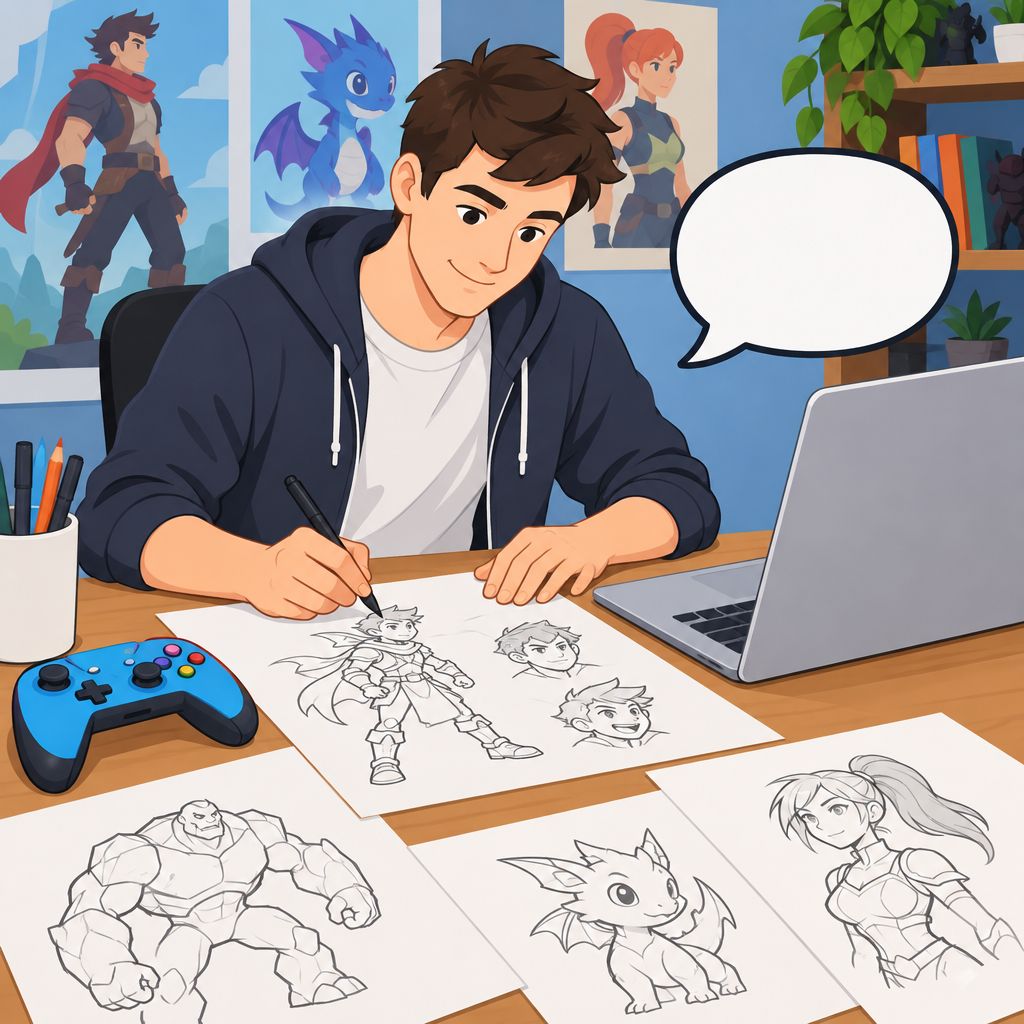
Humor and Wit in Character Exchanges
Humor can make characters more approachable, memorable, and relatable.
Use banter, clever remarks, or amusing situations when they suit the character.
However, keep the humor aligned with the game’s tone and emotional direction.
Flaws and Vulnerabilities in Speech
Perfect characters often feel distant and difficult to understand.
Give characters weaknesses, doubts, and conflicts that appear through their dialogue.
These imperfections create opportunities for players to recognize their humanity.
Dialogue Editing and Revision
Review every conversation after completing the initial draft.
Remove unnecessary wording and sharpen expressions that lack purpose.
Revision improves clarity, nuance, character consistency, and emotional impact.
Dialogue That Strengthens Game Characters
Thoughtful dialogue gives characters distinctive voices and understandable intentions.
Transform Your Career Today
Unlock a personalized career strategy that drives real results. Get tailored advice and a roadmap designed just for you.
Start NowIt also supports player choice, emotional investment, humor, tension, and discovery.
By revising carefully, writers can create conversations that players remember.
See Related Content: Network Architecture for Small vs. Large Businesses
Character Progression and Player Investment
Character progression helps players remain invested in a game character.
Growth creates a sense of accomplishment as players guide the character through the game.
Meaningful development also strengthens the connection between players and the character’s story.
Character Growth Through the Game
Let the character change as the game progresses.
Players notice growth when the character responds differently to experiences and challenges.
As a result, the character feels more connected to the player’s journey.
Player Choices and Character Development
Give players choices that influence the character’s development.
Those choices can affect the character’s journey and story arc.
Consequently, players gain greater agency over the character’s destiny.
Branching Storylines Shaped by Decisions
Branching storylines can change the narrative according to player decisions.
Different paths allow players to shape the character’s development.
This structure also gives players a more personal gaming experience.
Challenges That Test Character Growth
Introduce obstacles that push the character beyond familiar situations.
Moral dilemmas and difficult decisions can test the character’s development.
Meanwhile, conflicts can force the character to adapt and evolve.
Skills and Abilities That Improve
Character-specific skills can improve as players advance through the game.
Skill trees can provide abilities that players unlock over time.
These mechanics reinforce growth while also strengthening gameplay progression.
Consequences of Character Actions
Show how the character’s actions affect later events.
Clear consequences create a stronger relationship between decisions and development.
Therefore, players feel more responsible for the choices they make.
Uncover the Details: Building a Strong Business Intelligence Analyst Resume
Quirks and Mannerisms in Game Characters
Small quirks and mannerisms give game characters distinctive behaviors.
These details shape how players perceive and remember each character.
Moreover, consistent behaviors can make characters feel more relatable and human-like.
Benefits of Adding Quirks and Mannerisms
Quirks help players recognize characters quickly during gameplay.
They can also strengthen the emotional connection between players and characters.
Additionally, distinctive mannerisms add depth while helping characters stand apart.
- Make the character more memorable
- Create a deeper connection with players
- Add depth and complexity to the character
- Make the character stand out in a crowded field
Tips for Adding Quirks and Mannerisms
Start by observing real-life individuals for possible sources of inspiration.
Next, identify behaviors that reflect what makes the character unique.
Finally, connect each mannerism with the character’s backstory and motivations.
- Study real-life individuals for inspiration
- Think about what makes the character unique
- Consider the character’s backstory and motivations
- Keep the quirks and mannerisms consistent throughout the game
For example, a nervous character might always tap their foot.
Similarly, a happy character might hum a particular tune.
These small details can add depth and make characters more interesting.
However, creators should balance distinctive behaviors with the character’s broader personality.
Too many quirks can overwhelm players and distract from the character.
Conversely, too few quirks can leave the character feeling flat and one-dimensional.
Transform Your Career Today
Unlock a personalized career strategy that drives real results. Get tailored advice and a roadmap designed just for you.
Start NowTherefore, consistent mannerisms can help players remember characters after finishing the game.
Develop Relationships Between Your Characters
Building relationships between game characters creates engaging and immersive gameplay.
These connections can add depth to the story and make characters more relatable.
Clear relationships also help players understand each character’s role within the game.
- Establish clear connections: Define whether characters are friends, rivals, or family members.
- Create backstories: Give characters histories that explain their relationships and past interactions.
- Show interactions: Let players witness characters interacting throughout the game.
- Include dialogue: Use banter, arguments, and heartfelt conversations to reveal relationships.
- Build trust and loyalty: Show characters demonstrating trust and loyalty toward one another.
Use Relationships to Create Conflicts and Opportunities for Character Growth
Positive relationships can enhance the gaming experience.
Conflicts can add excitement and challenge the story.
These tensions can create opportunities for characters to grow.
- Introduce challenges: Present obstacles that characters must overcome together.
- Include betrayal: Use betrayal to create trust issues and change relationship dynamics.
- Encourage teamwork: Design challenges that require characters to work together.
- Show character evolution: Let characters learn from conflicts and challenges.
- Provide opportunities for redemption: Allow characters to repair relationships and learn from mistakes.
Testing and Iterating on Game Characters
- Playtest your game to gather feedback on the characters.
- Adjust the characters based on player reactions to improve their impact.
Testing and iterating on game characters supports thoughtful game development.
Player feedback reveals strengths and weaknesses in design, personality, and storyline.
Therefore, developers can refine characters until they feel engaging and impactful.
Organizing Playtests and Observing Reactions
Organize playtesting sessions with a diverse group of players.
Ask players to describe each character’s personality, emotions, and motivations.
Meanwhile, observe which characters attract attention and which characters seem boring.
Record player reactions during each session to identify noticeable patterns.
Collecting and Analyzing Player Feedback
Collect feedback after players finish each playtesting session.
Ask specific questions about every character’s strengths and weaknesses.
Also ask players which character changes could improve their experience.
Analyze the responses to identify repeated concerns and useful suggestions.
Use these patterns to decide which character elements require revision.
Implementing Changes and Testing Again
Implement character adjustments gradually and carefully.
Test each change to confirm its intended effect on player experience.
Afterward, run another playtesting session with the updated characters.
Continue gathering feedback until the character results meet your goals.
Consider requesting advice from professionals in game design and character development.
Their feedback can reveal opportunities to strengthen character development.
Maintaining Feedback Records and Learning
Remain open to feedback from players, testers, and industry professionals.
Treat constructive criticism as an opportunity to improve the characters.
Document feedback, implemented changes, and observed outcomes throughout the process.
These records can support future game development projects.
Celebrate successful improvements and recognize meaningful milestones.
At the same time, examine failures and challenges for useful lessons.
This process helps developers create compelling and memorable game characters.
Lasting Value of Character Design
A thoughtfully designed game character can strengthen the entire player experience.
Such characters also support storytelling and encourage players to care about what happens next.
Moreover, personal details can help players connect with a character’s journey.
Developers should therefore refine each character’s backstory, traits, and personality.
These elements can make the character feel more distinctive and memorable.
As a result, players may remain invested in the game’s world and return to its story.
This lasting connection can make the game more enjoyable and replayable.
For that reason, character development deserves careful attention throughout game creation.
Transform Your Career Today
Unlock a personalized career strategy that drives real results. Get tailored advice and a roadmap designed just for you.
Start NowAdditional Resources
Google search results for Tips for Creating Engaging Game Characters Information Technology
Bing search results for Tips for Creating Engaging Game Characters Information Technology