




IT Security Managers in Incident Response
Digital threats increasingly target organizations.
Therefore, IT security managers play a crucial role in incident response.
They use proactive measures to protect sensitive information and maintain business continuity.
Importance of IT Security Managers
IT security managers help organizations establish and maintain secure environments.
They develop cybersecurity policies and conduct risk assessments.
They also oversee incident response efforts when security incidents affect the organization.
Proactive Security Measures
These managers identify potential threats and vulnerabilities within organizational networks.
They monitor and analyze security events to detect emerging risks.
Consequently, they can mitigate risks before those risks escalate into cyber attacks.
Incident Response Responsibilities
When a security incident occurs, IT security managers lead the response effort.
They coordinate with internal teams and external stakeholders to contain the incident.
They investigate root causes and implement remediation strategies to prevent similar incidents.
Organizational Security Benefits
These responsibilities help protect an organization’s assets and reputation from cyber threats.
Timely incident response also helps the organization mitigate security risks.
Together, proactive security and effective response support a more secure organizational environment.
IT Security Managers in Incident Response
- IT security managers oversee cybersecurity incidents and direct response activities.
- They identify, contain, mitigate, and resolve breaches promptly.
- They coordinate responders, communicate with stakeholders, and support regulatory compliance.
Benefits of Prompt Incident Response
- Prompt response limits incident impact and helps prevent additional organizational damage.
- Effective response protects sensitive data, preserves reputation, and reduces financial losses.
- Timely action demonstrates cybersecurity commitment and strengthens trust with customers and partners.
Proactive Monitoring and Threat Detection
- Proactive monitoring helps managers detect threats and vulnerabilities before incidents escalate.
- Continuous monitoring reveals suspicious activity and unauthorized access attempts in real time.
- Threat detection tools help managers analyze and address potential threats efficiently.
These responsibilities make IT security managers central to effective incident response.
Their monitoring efforts help organizations address threats before they cause greater harm.
Their coordinated actions help protect organizations and minimize incident impact.
Developing Incident Response Plans
Organizations develop incident response plans by identifying potential threats and preparing suitable response strategies.
A well-defined plan helps teams respond effectively when cyber incidents affect organizational systems.
Furthermore, structured planning supports coordinated actions and reduces confusion during security events.
Key Steps for Creating Incident Response Plans
Effective planning begins with a clear understanding of organizational risks and possible cyber threats.
Response procedures should explain required actions for different incident types.
Regular reviews keep plans aligned with organizational needs and lessons learned.
- IT security managers conduct risk assessments to identify potential threats to the organization’s IT infrastructure.
- Teams develop step-by-step procedures for responding to various cyber incidents.
- Organizations designate communication channels and contact information for key personnel.
- Security teams regularly test response plans and update them using lessons learned.
Benefits of a Well-Defined Response Plan
A well-defined response plan helps organizations minimize the effects of cyber incidents.
Additionally, coordinated actions can reduce downtime and financial losses after security breaches.
Clear responsibilities help team members act promptly and strengthen the organization’s cybersecurity posture.
- The plan supports a coordinated and timely response to security breaches.
- Team members understand their roles and responsibilities during incidents.
- Prepared procedures help organizations respond proactively to potential threats.
IT Security Managers and Response Strategy
IT security managers oversee the development and implementation of incident response plans.
They collaborate with stakeholders to identify critical assets, vulnerabilities, and potential threats.
Moreover, they align response procedures with the organization’s IT infrastructure and operational requirements.
- They coordinate with IT teams to support practical response procedures.
- They conduct training and simulations to prepare teams for cyber incidents.
- They evaluate response strategies and make adjustments when necessary.
Gain More Insights: Why Continuous Learning is Crucial for Systems Integrators
Cross-Functional Collaboration in Incident Response
Cross-functional collaboration strengthens incident response for IT security managers.
Each department contributes distinct expertise and perspectives to the response process.
Together, these teams support a comprehensive and effective response to security incidents.
- IT security managers and other departments collaborate during incident response.
- Each team contributes unique expertise and perspectives to the response process.
- Working together helps teams respond comprehensively and effectively to security incidents.
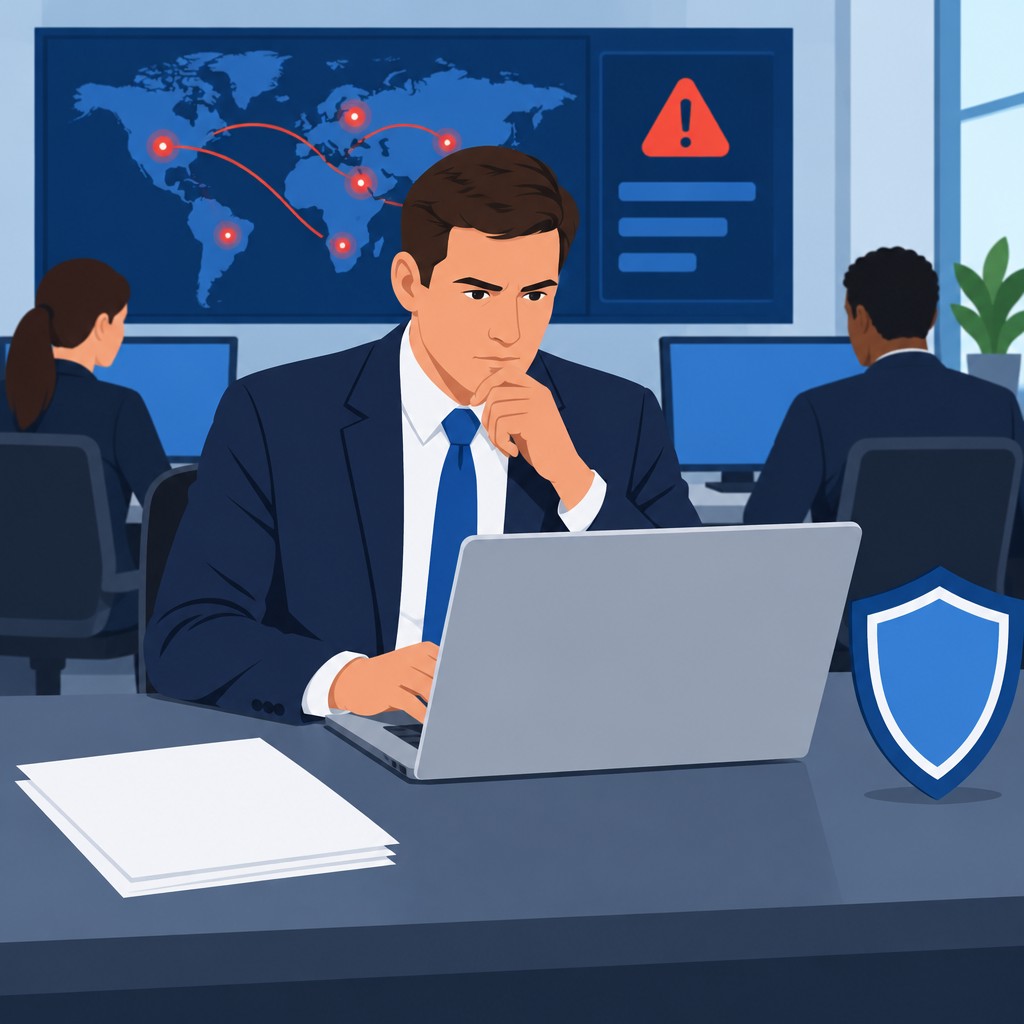
Communication and Coordination During Incidents
Clear communication keeps incident response activities aligned.
Timely information sharing reduces confusion during security incidents.
Coordination helps every participant understand current priorities and responsibilities.
- Teams use clear and timely communication during incident response.
- Effective coordination supports information sharing and aligns team efforts.
- Aligned efforts minimize confusion and keep everyone informed.
IT Security Managers Leading Cross-Functional Teams
IT security managers lead cross-functional teams during incident response.
They provide direction and establish priorities for participating teams.
They also allocate resources, foster collaboration, and guide everyone toward a shared goal.
Transform Your Career Today
Unlock a personalized career strategy that drives real results. Get tailored advice and a roadmap designed just for you.
Start Now- IT security managers play a pivotal role in guiding cross-functional teams.
- They establish priorities and allocate resources effectively.
- They foster collaboration and keep teams focused on a common goal.
Coordinated cross-functional work supports an effective response to security incidents.
IT security managers strengthen that response through collaboration, communication, and leadership.
See Related Content: Educational Pathways to Become a Machine Learning Engineer
Security Incident Detection and Analysis
IT security managers monitor networks, systems, and applications for unusual activity.
They investigate warning signs that could indicate unauthorized access or other security incidents.
Furthermore, they assess each incident to understand its scope, impact, and severity.
Incident Detection and Analysis Process
Detection begins when monitoring tools identify unusual patterns across organizational environments.
Afterward, managers collect relevant data and examine logs, alerts, and related activity.
They may also support forensic investigations while coordinating with response teams and legal counsel.
Tools Supporting Incident Detection
Organizations combine several technologies to identify suspicious activity and investigate potential incidents.
Each tool provides a different perspective on activity across networks, systems, and endpoints.
Together, these technologies help managers evaluate alerts and prioritize further investigation.
- Intrusion detection systems monitor network traffic for suspicious patterns or anomalies.
- Security information and event management tools collect, analyze, and correlate event data from multiple sources.
- Endpoint detection and response solutions provide visibility into endpoints and detect suspicious device activity.
IT Security Managers’ Assessment Responsibilities
IT security managers lead detection efforts and evaluate the significance of reported incidents.
They coordinate analysis activities and help teams determine appropriate response priorities.
Moreover, they improve detection capabilities through training, exercises, and ongoing review.
Gain More Insights: ERP Consultant Work-Life Balance Tips
Incident Containment and Mitigation
When a security incident occurs, teams must contain it quickly.
Swift action limits damage and prevents additional compromise.
IT security managers coordinate each response stage with relevant teams.
- Identification: IT security managers verify the incident’s nature and scope.
- Isolation: Managers disconnect affected systems from the remaining infrastructure.
- Containment: Response teams restrict attacker access and limit the incident’s impact.
- Eradication: Security teams remove malware, backdoors, and exploited vulnerabilities.
- Recovery: IT personnel restore affected systems and data to a secure state.
- Validation: Managers assess recovered systems for lingering threats and security gaps.
A timely response can minimize impact, reduce downtime, and prevent further data loss.
IT security managers orchestrate response activities and communicate with stakeholders.
They also coordinate internal teams, external partners, and law enforcement when necessary.
Leadership, technical expertise, and coordination skills help managers protect digital assets.
Learn More: Impact of Encryption on Cyber Forensics Investigations
Communication and Incident Reporting
Clear and timely communication supports effective incident response.
IT security managers coordinate communication throughout the response process.
They ensure that responders understand the incident, their responsibilities, and relevant developments.
- Emphasize clear and timely communication during incident response.
- Report incidents to senior management and relevant stakeholders.
- Produce incident reports and communicate response findings.
Furthermore, regular updates help manage expectations and prevent confusion among stakeholders.
By sharing accurate information, managers maintain trust and transparency during the response.
Incident reporting also supports accountability and informed decision-making.
IT security managers compile reports describing the incident, its impact, and the response actions.
These reports help senior management assess severity, response effectiveness, and required follow-up actions.
Moreover, managers communicate findings and recommendations after completing the response.
Key takeaways and lessons learned can help prevent similar incidents.
They can also strengthen the organization’s overall security posture.
Accurate reporting demonstrates leadership and expertise in incident management.
Prompt information sharing supports a proactive and robust response strategy.
Post-Incident Review and Continuous Improvement
Post-incident reviews help organizations evaluate response effectiveness and identify weaknesses requiring corrective action.
These evaluations also reveal process gaps that could contribute to similar incidents later.
Furthermore, documented findings help organizations strengthen future incident response efforts.
Transform Your Career Today
Unlock a personalized career strategy that drives real results. Get tailored advice and a roadmap designed just for you.
Start NowIT security managers guide these reviews because they understand response procedures and technical security issues.
- They analyze incident root causes and identify failures in processes or security controls.
- They propose practical solutions that address weaknesses discovered during evaluations.
- They document lessons learned and share them with relevant stakeholders.
- They update response strategies, procedures, and technologies as threats continue evolving.
Lessons learned prevent organizations from repeating mistakes during future security incidents.
Moreover, continuous improvement keeps incident response processes effective as the threat landscape changes.
IT security managers should regularly review response capabilities and implement approved improvement recommendations.
By seeking feedback and reviewing outcomes, managers can improve response efficiency and organizational readiness.
Strategic Incident Response Leadership
IT security managers ensure preparedness, coordination, and effective resolution during incident response.
They analyze vulnerabilities, oversee response plans, and coordinate teams to mitigate risks swiftly and efficiently.
Furthermore, incident response remains crucial to cybersecurity, placing IT security managers at the forefront of organizational defense.
Organizations must prioritize incident response to protect sensitive data, maintain business continuity, and uphold customer trust.
By empowering IT security managers and investing in robust strategies, organizations can strengthen resilience against cyber attacks.
Although prevention matters, effective incident response remains equally vital in today’s dynamic cyber landscape.
Organizations should remain vigilant, secure, and proactive.
Additional Resources
Google search results for Role of IT Security Managers in Incident Response Information Technology
Bing search results for Role of IT Security Managers in Incident Response Information Technology


