




Importance of Nuclear Security Certifications
Obtaining certifications is crucial for nuclear security officers.
These credentials demonstrate their expertise and skills in the field.
Additionally, demand for qualified professionals is rising.
Therefore, certifications are more valuable than ever.
Certifications from the National Nuclear Security Administration
The NNSA provides specialized certification programs for officers who secure nuclear facilities.
These programs address several responsibilities within nuclear security work.
They help officers develop knowledge for physical, digital, emergency, and material security duties.
Overview of NNSA Certification Programs
The programs cover physical security, cybersecurity, emergency management, and nuclear material control and accountability.
Each program addresses skills officers need when securing nuclear facilities.
Together, these areas support protection against unauthorized access, cyber threats, emergencies, and material diversion.
- This program strengthens officers’ understanding of access control, alarm systems, and perimeter security.
- This certification equips officers to protect nuclear systems from cyber threats.
- This training prepares officers to handle natural disasters, terrorist attacks, and other emergencies.
- This program emphasizes accurate tracking and management of nuclear materials.
Benefits of NNSA Certification
NNSA certifications can support officers’ professional growth within nuclear security.
They also demonstrate knowledge relevant to specialized security responsibilities.
Furthermore, the programs connect training with industry standards and continuing professional development.
- NNSA certifications provide recognition for officers’ expertise and skills.
- Certified officers may find better opportunities for advancement and higher-paying positions.
- The programs help officers stay updated on nuclear security trends and technologies.
- Participants can network with other professionals and expand their knowledge base.
- The certifications help officers follow industry standards and regulations.
These credentials help officers strengthen their capabilities and remain informed about nuclear security developments.
They can also support safer facility protection and broader global security efforts.
Certified Protection Professional (CPP) Certification
The Certified Protection Professional certification is a premier credential in security management.
ASIS International awards this certification to security professionals worldwide.
The CPP certification demonstrates knowledge of physical security, risk assessment, crisis management, and investigation techniques.
The credential supports nuclear security work by developing expertise relevant to critical infrastructure protection.
It also helps professionals prevent unauthorized access to nuclear facilities and respond effectively to security threats.
Employers in the nuclear industry value the expertise and credibility associated with CPP certification.
The certification demonstrates commitment to excellence and high security practice standards.
- The CPP supports nuclear security through physical security, risk assessment, crisis management, and investigation knowledge.
Additionally, CPP-certified nuclear security officers can pursue leadership and managerial opportunities.
- Employers may consider certified officers for leadership roles and managerial positions within nuclear security organizations.
Uncover the Details: Case Studies: Successful Security Consulting Projects
Certified Industrial Security Professional Certification
The Certified Industrial Security Professional (CISP) certification supports security professionals working in industrial settings.
Furthermore, it develops knowledge and skills for securing industrial facilities.
Nuclear security officers can apply this training when protecting industrial environments.
- Certification focus: CISP training addresses industrial facility security.
- Industrial security areas: The credential covers access control, surveillance, threat assessment, and emergency response.
- Value for nuclear security officers: The credential offers relevant preparation for officers in industrial settings.
- Enhanced expertise: Officers can strengthen their ability to secure industrial facilities.
- Career opportunities: The credential may support new employment opportunities in industrial environments.
- Regulatory knowledge: CISP training covers industry regulations and compliance requirements.
- Risk management: Officers can use this knowledge to manage security risks in industrial settings.
- Professional credibility: The credential demonstrates commitment to professionalism and continuing education in industrial security.
Consequently, CISP certification combines industrial security expertise, regulatory awareness, and career development for nuclear security officers.
You Might Also Like: The Future of K-9 Units in Law Enforcement
Physical Security Professional (PSP) Certification
- The PSP certification emphasizes physical security measures.
- It covers access control, perimeter security, and security force management.
- By earning this certification, nuclear security officers strengthen their knowledge and skills.
- Consequently, officers can secure nuclear facilities and assets more effectively.
- The certification demonstrates commitment to excellent physical security practices.
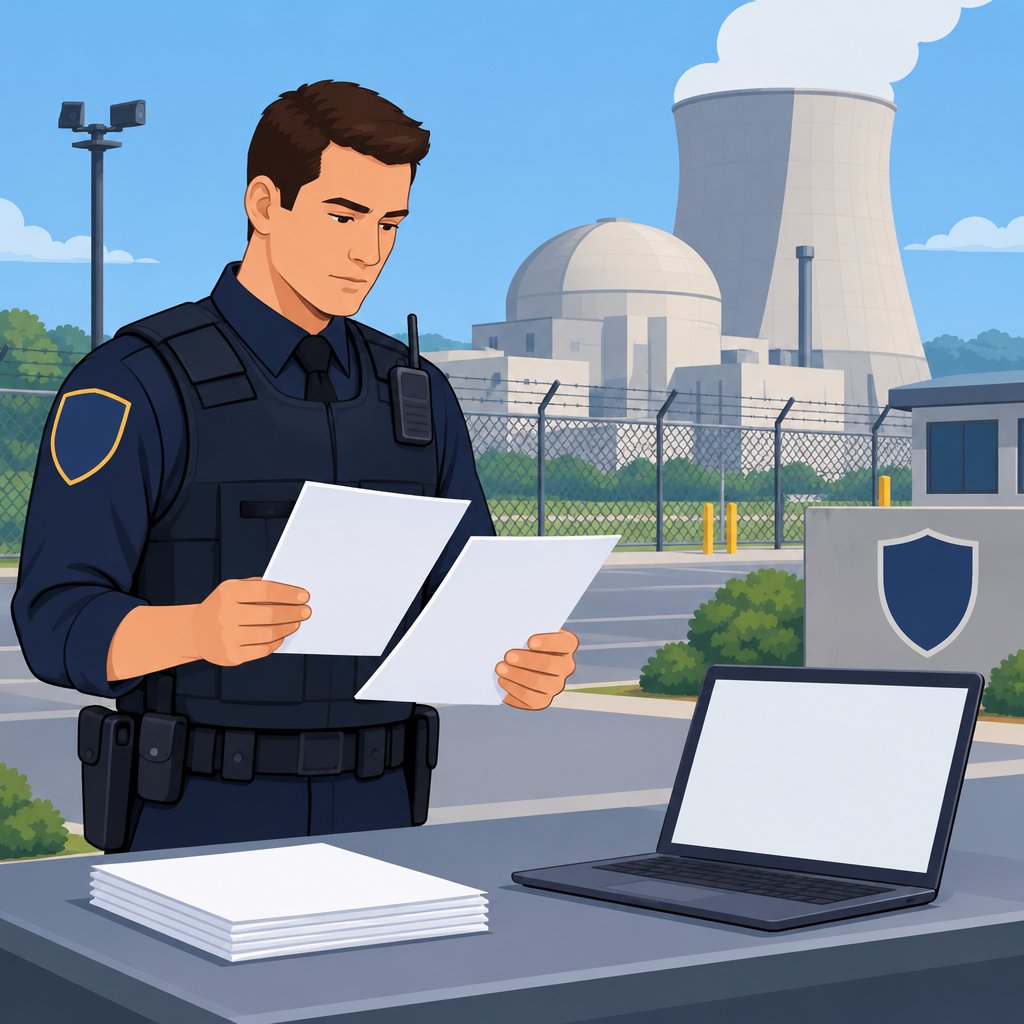
How PSP Certification Supports Nuclear Security Officers
- PSP certification provides comprehensive knowledge of physical security principles and best practices.
- Officers can assess security vulnerabilities and develop strategies to reduce risks.
- Furthermore, the certification teaches officers to implement measures based on industry standards.
- PSP certification holders gain a competitive advantage in the nuclear security job market.
- Employers recognize their expertise in protecting critical infrastructure and assets.
Delve into the Subject: Famous DEA Operations and Their Impact
Cybersecurity Certifications for Nuclear Security Officers
Cybersecurity now forms an important part of nuclear security.
Security officers must understand current threats to protect critical infrastructure.
They also need practical knowledge of defensive techniques and relevant security practices.
Relevant Cybersecurity Credentials
Several cybersecurity certifications address skills relevant to nuclear security responsibilities.
Each credential emphasizes different technical, management, or foundational capabilities.
Therefore, officers can select training that matches their experience and responsibilities.
- Certified Information Systems Security Professional covers risk management, cryptography, and security architecture.
- Certified Ethical Hacker develops offensive skills for identifying vulnerabilities in systems and networks.
- Certified Information Security Manager supports professionals who manage enterprise information security programs.
- CompTIA Security Plus introduces fundamental cybersecurity concepts for developing security expertise.
Maintaining Current Cybersecurity Knowledge
Cyber threats continue to evolve, while attackers develop increasingly sophisticated methods.
Consequently, officers who track current trends can improve their defensive preparation.
Regular training also helps them respond effectively to changing cybersecurity conditions.
- Officers can use current practices to support compliance with applicable regulations and standards.
- Certification training strengthens skills and knowledge for managing dynamic cyber threats.
- Professional development demonstrates commitment to continuous learning and improved security performance.
- Cybersecurity credentials can strengthen officers’ credibility and expertise within their organizations.
- Skilled officers contribute to stronger protection for sensitive nuclear information and critical infrastructure.
Find Out More: Correctional Officer Union Membership
Transform Your Career Today
Unlock a personalized career strategy that drives real results. Get tailored advice and a roadmap designed just for you.
Start NowEmergency Management Certifications
Emergency management certifications support nuclear security officers during crisis situations.
These credentials provide specialized training for handling emergencies effectively.
They also develop knowledge and skills for complex, high-stakes responses.
Types of Emergency Management Certifications
Several certifications address planning, hazard control, and operational continuity.
Each credential focuses on different responsibilities within emergency management.
Together, these certifications strengthen preparedness for nuclear security duties.
- The Certified Emergency Manager (CEM) credential demonstrates expertise in emergency planning, response, and recovery.
- The Certified Hazard Control Manager (CHCM) credential focuses on identifying and mitigating hazards.
- The Certified Business Continuity Professional (CBCP) credential supports continuity during disruptions and emergencies.
How Certifications Strengthen Emergency Response
Certified officers can apply structured methods when emergencies affect their facilities.
They can also coordinate actions among internal and external stakeholders.
Furthermore, their training supports hazard assessment, response planning, and readiness exercises.
- Officers can develop emergency response plans for facility-specific risks and vulnerabilities.
- They can implement communication and coordination protocols during crises.
- They can conduct drills and exercises to test personnel readiness.
- They can identify hazards, assess risks, and apply proactive mitigation measures.
- They can collaborate with emergency response agencies for coordinated crisis management.
Professional Development Through Recognized Certifications
Certifications support nuclear security officers as they develop their careers.
They strengthen professional skills and validate expertise within the nuclear security field.
Furthermore, ongoing certification efforts help officers remain aware of changing technologies and industry trends.
By earning respected credentials, officers demonstrate commitment to excellence and professional standards.
These qualifications can also support career advancement in the competitive nuclear security industry.
As security threats evolve, relevant certifications can help officers distinguish themselves professionally.
They can also provide a competitive advantage when officers pursue new career opportunities.
Therefore, nuclear security officers should invest in certifications recognized and respected throughout the industry.
Additional Resources
Google search results for Top Certifications for Nuclear Security Officers Protective Services
Bing search results for Top Certifications for Nuclear Security Officers Protective Services


