




Importance of the DEA Agent Fitness Test
The DEA Agent Fitness Test plays an essential role in the recruitment process.
It helps assess whether applicants possess the physical abilities required for demanding work.
Therefore, preparation should address the test’s physical expectations.
Physical Requirements and Expectations
DEA agents need strong physical fitness for several job-related tasks.
They may carry heavy equipment, run, and handle physically demanding situations.
Consequently, applicants should develop fitness that supports these physical demands.
Purpose of the Blog Post
This post provides practical guidance for preparing for the DEA Agent Fitness Test.
It focuses on training, test-specific practice, nutrition, hydration, and recovery.
Additionally, professional guidance can help applicants tailor their preparation.
Tips for Preparing for the Test
Begin with a regular routine that develops cardiovascular endurance, strength, and flexibility.
Then, practice movements that match the test requirements.
Finally, support training with proper nutrition, hydration, rest, and recovery.
- Start a regular workout routine focused on cardiovascular endurance, strength training, and flexibility.
- Practice running, push-ups, sit-ups, and agility drills that reflect the test requirements.
- Complete mock tests to become familiar with the test format and intensity.
- Stay hydrated and maintain a balanced diet to fuel training and test-day performance.
- Get sufficient rest and recovery so your body can heal and adapt.
- Seek guidance from fitness professionals to create a plan suited to your needs and goals.
DEA Agent Fitness Test Requirements
- Understand the different components of the DEA Agent Fitness Test.
- Review the physical challenges involved in each component.
- Meet or exceed the minimum performance standards.
Applicants should understand each test requirement before beginning their preparation.
This knowledge helps applicants tailor training toward the test’s physical demands.
The test evaluates abilities connected to essential DEA agent duties.
Physical Fitness Test
The physical fitness test measures overall strength, endurance, and flexibility.
Applicants typically complete push-ups, sit-ups, and a 1.5-mile run.
These exercises challenge muscular performance and sustained cardiovascular effort.
Tactical Firearms Training
Tactical firearms training evaluates firearm handling and target accuracy under pressure.
Applicants demonstrate marksmanship skills through shooting drills and different scenarios.
This component tests performance during demanding firearms exercises.
Defensive Tactics Training
Defensive tactics training assesses the ability to protect oneself and others.
Applicants practice handcuffing, defensive strikes, and control holds.
These techniques reflect potentially dangerous situations that agents may encounter.
Meeting the Required Performance Standards
The test presents physical challenges that reflect real-life field situations.
Applicants should train with intensity and focus to address these challenges.
Meeting or exceeding minimum standards supports effective and safe job performance.
Surpassing the requirements also demonstrates commitment and dedication to training excellence.
Customized Training Plan for the DEA Agent Fitness Test
Create a customized workout plan before preparing for the DEA Agent Fitness Test.
Such a plan helps you prepare physically for the challenge.
Also, adjust the plan as your fitness needs change.
Professional Fitness Guidance
- Seek guidance from a professional who understands the DEA Agent Fitness Test requirements.
- A qualified trainer can design a program that targets areas needing improvement.
- Choose someone with experience training people for similar physical tests.
Balanced Exercise Selection
- Include strength training, cardio, flexibility, and agility exercises in your workout plan.
- Build overall fitness to prepare for every aspect of the test.
- Target different muscle groups to improve strength and endurance.
Measurable Fitness Goals
- Establish measurable goals for each component of the DEA Agent Fitness Test.
- Set realistic targets that challenge you while remaining achievable through consistent effort.
- Track your progress regularly to confirm that you remain on schedule.
A customized plan can maximize your training efforts and improve your preparation.
Stay committed to the plan and maintain consistent effort.
Finally, make adjustments when necessary to continue progressing toward your fitness goals.
Delve into the Subject: Preparing for Wildland Firefighting Season
Focus on Cardiovascular Fitness
Cardiovascular fitness deserves focused attention during DEA Agent Fitness Test preparation.
This training supports performance during demanding test activities.
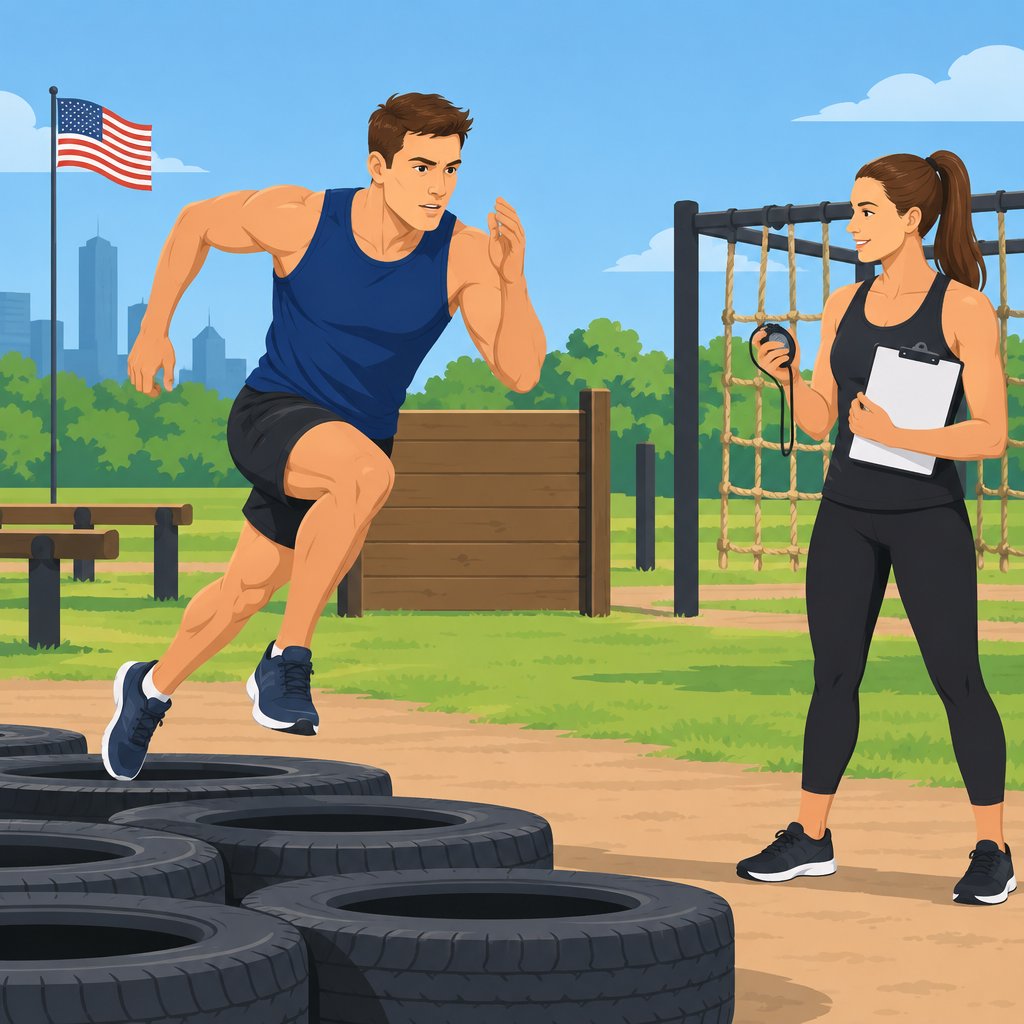
Specifically, running and obstacle courses place cardiovascular demands on participants.
Cardiovascular Demands of the Test
The running component may require a timed distance.
Therefore, participants must maintain a steady pace throughout the effort.
Transform Your Career Today
Unlock a personalized career strategy that drives real results. Get tailored advice and a roadmap designed just for you.
Start NowObstacle courses combine running, jumping, and agility movements that challenge cardiovascular capacity.
- Running: A timed distance requires participants to maintain a steady pace.
- Obstacle courses: Running, jumping, and agility movements challenge the cardiovascular system.
Suggested Cardio Exercises
Specific exercises can prepare you for these cardiovascular demands.
Combining several cardio activities can develop stamina and speed.
Additionally, varied training can support overall cardiovascular fitness.
- Interval training: Alternating intense activity with rest can improve stamina and speed.
- Running: Regular sessions can build endurance for the test’s running component.
- Cycling: Riding a bike improves cardiovascular fitness while placing less impact on joints.
- Swimming: Swimming provides a full-body workout that can enhance cardiovascular endurance.
Tips for Monitoring Heart Rate and Increasing Endurance
Track workout intensity to guide your cardiovascular training.
Next, vary effort levels to develop endurance and cardiovascular fitness.
Finally, increase workload gradually and train consistently to support progress.
- Use a heart rate monitor to gauge workout intensity and target heart rate zones.
- Train at different intensity levels to improve endurance and cardiovascular fitness.
- Progress gradually by increasing workout duration and intensity.
- Stay consistent by performing cardio exercises several times each week.
This approach can improve stamina, endurance, and performance during the DEA Agent Fitness Test.
See Related Content: Training Requirements for Fish and Game Wardens
Strength and Muscle Mass Development
Strength training is crucial for DEA agents.
It prepares them for lifting, carrying, and subduing suspects.
Therefore, targeted exercises can help agents build strength and muscle mass.
- Weightlifting exercises like squats, deadlifts, and bench presses target major muscle groups effectively.
- Additionally, proper form and technique help prevent injuries and maximize exercise effectiveness.
Gain More Insights: Fish and Game Wardens: Community Involvement
Agility and Flexibility in the Test
Agility and flexibility support effective movement during the DEA Agent Fitness Test.
These abilities help participants navigate obstacle courses and perform defensive tactics effectively.
They also help DEA agents move quickly and efficiently during challenging situations.
Exercises for Mobility, Balance, and Coordination
Targeted exercises can improve mobility, balance, coordination, foot speed, and reaction times.
Yoga develops flexibility and balance, which support performance during the test.
Plyometric and movement drills provide focused ways to practice agility and coordination.
- Yoga can improve flexibility and balance.
- Jump squats and box jumps can improve agility and coordination.
- Ladder drills and cone drills can develop fast feet and reaction times.
Importance of Stretching
A comprehensive stretching routine should support each workout.
Dynamic stretching before workouts prepares muscles for movement and may help prevent injuries.
Static stretching after workouts can increase flexibility and support muscle recovery and injury prevention.
Combining agility exercises with stretching techniques can improve physical performance during the Fitness Test.
Find Out More: Highway Patrol Contribution to Homeland Security
Specific Test Components
Breaking down each test component clarifies what the DEA Agent Fitness Test requires.
The 1.5-mile run measures cardiovascular endurance.
Sit-ups and push-ups assess muscular endurance, while agility exercises evaluate coordination and quickness.
- Break down each part of the DEA Agent Fitness Test.
- Examine the 1.5-mile run, sit-ups, push-ups, and agility exercises.
- Identify the physical abilities each component evaluates.
Regular Practice for Improved Performance
Consistent practice can improve performance and efficiency across the test components.
Set specific goals for each exercise and work toward them during regular training sessions.
Track progress to monitor improvement over time.
Drills and Mock Test Preparation
Drills and mock tests can strengthen preparation for the DEA Agent Fitness Test.
These simulations replicate test conditions and help you experience timing and intensity.
They can also reveal areas requiring additional attention.
Regular component practice can enhance overall performance and support test preparation.
Set realistic goals and maintain consistent training throughout your preparation.
Seek feedback from fitness professionals to guide your preparation effectively.
Healthy Diet and Hydration for Fitness Test Preparation
Performing well on the DEA Agent Fitness Test requires consistent attention to nutrition and hydration.
Nutritious foods support workouts, recovery, energy, and physical performance.
Proper hydration helps you train effectively and reduces the risk of dehydration.
- Fuel your body with nutritious foods that support energy and recovery.
- Build balanced meals with protein, carbohydrates, and healthy fats.
- Drink water before, during, and after workouts to support hydration.
Nutrition for Energy and Recovery
Nutritious foods provide the energy needed for physically demanding training sessions.
Transform Your Career Today
Unlock a personalized career strategy that drives real results. Get tailored advice and a roadmap designed just for you.
Start NowA healthy diet can also support recovery after workouts.
Consistent fueling may help reduce injury risk and support stamina during testing.
Balanced Foods for Daily Training
Include varied, nutrient-dense foods in your daily meals.
Choose protein from lean meats, poultry, fish, eggs, legumes, or tofu.
Support energy needs with whole grains, fruits, and vegetables.
Also include healthy fats from avocados, nuts, and seeds.
Balancing these macronutrients can help sustain energy throughout training and testing.
Hydration Before, During, and After Workouts
Drink water before workouts to begin training properly hydrated.
Take regular water breaks during testing or exercise to help prevent dehydration.
Continue drinking fluids afterward to rehydrate and replenish lost electrolytes.
Dehydration can contribute to fatigue and reduced physical performance.
Therefore, make hydration a regular part of training and test-day preparation.
Paying attention to nutrition and hydration can help you perform at your peak.
Rest and Recovery
Rest and recovery support physical health and well-being during DEA Agent Fitness Test preparation.
These practices help maintain training quality while supporting consistent physical readiness.
They also help reduce burnout, overtraining, and preventable training setbacks.
Importance of Rest Days
- Rest days help prevent burnout and overtraining.
- They allow the body to repair and rebuild muscle tissue.
- Skipping rest days can cause fatigue, lower performance, and increase injury risk.
Foam Rolling, Stretching, and Massage
Adding recovery techniques to your routine can help alleviate muscle soreness.
- Foam rolling can improve blood circulation and reduce muscle tightness.
- Stretching increases flexibility and range of motion, which lowers injury risk.
- Regular massage can support muscle recovery and reduce muscle tension.
The Importance of Sleep
Quality sleep supports muscle repair and growth.
During deep sleep, the body releases growth hormones that facilitate recovery.
- Lack of sleep can impair cognitive function, mood, and overall performance.
- Aim for 7-9 hours of quality sleep each night to optimize recovery.
Prioritizing rest and recovery can improve physical readiness for the DEA Agent Fitness Test.
It can also reduce the risk of burnout and overtraining.
Consistent Preparation for Test Readiness
Preparing for the DEA Agent Fitness Test requires dedication and consistency.
Commit to a regular workout routine and follow a healthy diet plan.
Successful preparation addresses cardiovascular endurance, muscular strength, flexibility, and body composition.
Hard work and perseverance help you achieve your fitness goals.
With determination and effort, you can overcome obstacles and excel in the DEA Agent Fitness Test.
Therefore, implement the suggested tips and strategies to prepare effectively for the test.
Consistency remains essential for achieving your fitness goals.
With the right mindset, these strategies can help you achieve your fitness goals and prepare effectively for the test.
Additional Resources
Google search results for Preparing for the DEA Agent Fitness Test Protective Services
Bing search results for Preparing for the DEA Agent Fitness Test Protective Services


