




Challenges Facing Cybersecurity Specialists
Cybersecurity specialists protect sensitive information and organizational data.
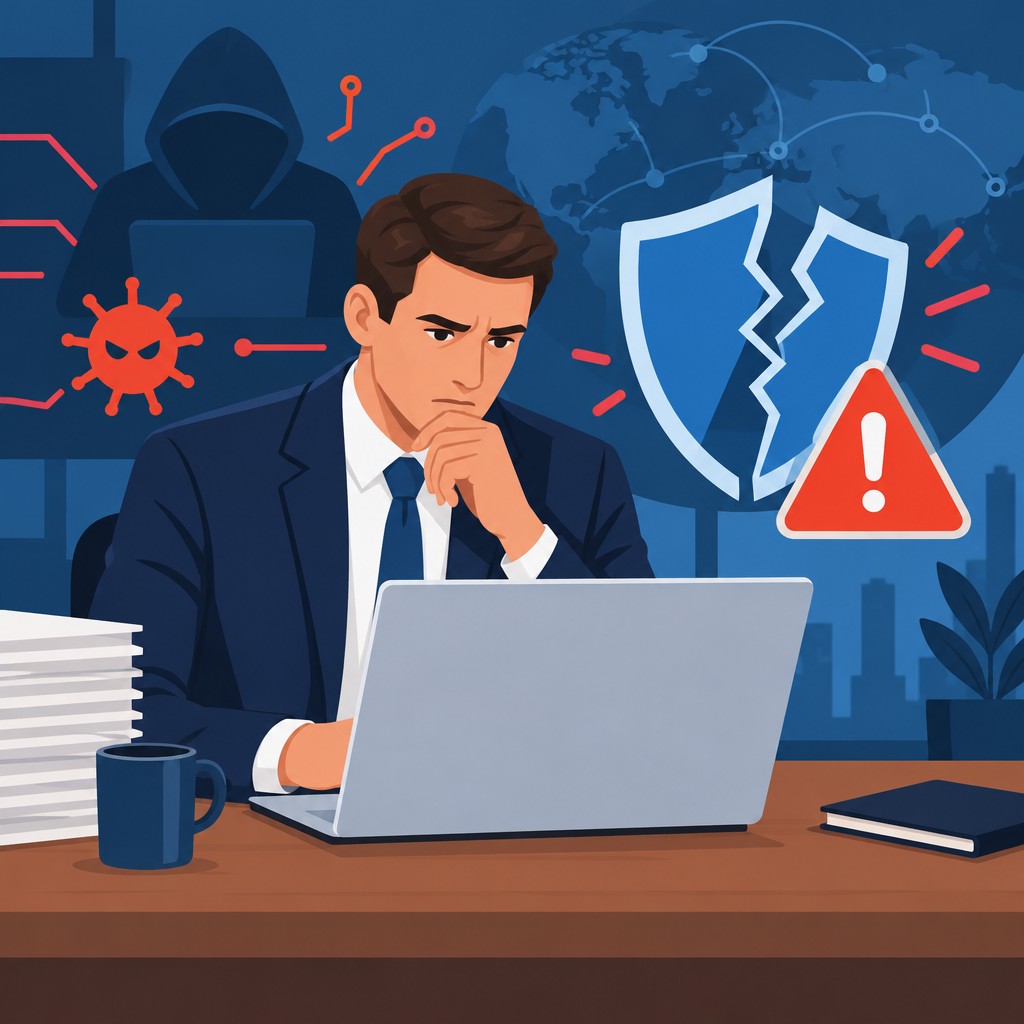
However, increasing cyber threats create complex challenges for these professionals.
Therefore, specialists must continually adapt their strategies and solutions.
Rapidly Evolving Threats
Cybersecurity specialists must monitor new tactics used by hackers and malware.
Meanwhile, cybercriminals continue developing increasingly sophisticated attacks.
As threats change, specialists must respond quickly with innovative solutions.
Shortage of Skilled Professionals
The cybersecurity industry faces a significant shortage of skilled professionals.
Consequently, organizations struggle to recruit qualified cybersecurity specialists.
They also find it difficult to retain talented employees who combat cyber threats.
Complex Regulatory Requirements
Cybersecurity specialists must follow numerous regulations and industry standards.
Meeting every requirement can overwhelm teams and consume valuable resources.
At the same time, specialists must protect organizational infrastructure effectively.
Insider Threats
Employees can unintentionally or deliberately compromise an organization’s security.
Such insider threats create significant risks for sensitive information and systems.
Therefore, specialists need continuous monitoring and careful detection processes.
Advanced Persistent Threats
Advanced persistent threats use sophisticated methods to target organizations.
These attacks can bypass traditional security measures and remain difficult to detect.
Accordingly, specialists must deploy advanced detection and response capabilities.
Limited Cybersecurity Awareness
Many individuals and organizations still underestimate cybersecurity risks.
As a result, they may delay implementing strong security measures.
Cybersecurity specialists must educate stakeholders about potential cyber risks.
Lack of Skilled Cybersecurity Professionals
Cyber threats and attacks have expanded quickly, while the supply of qualified cybersecurity experts remains limited.
Consequently, organizations struggle to find and retain specialists who can protect their networks and data.
This staffing shortage leaves organizations more vulnerable to attacks, data breaches, and other security incidents.
Additionally, limited staffing can make it harder for organizations to respond effectively when security problems occur.
Organizational Effects of the Professional Shortage
Organizations face greater exposure when they lack enough skilled professionals to manage cybersecurity responsibilities.
Furthermore, security incidents can affect sensitive information, organizational reputation, and financial stability.
These consequences demonstrate why organizations need sufficient cybersecurity expertise to strengthen their defenses.
- Organizations face an increased risk of cyber attacks.
- Security incidents can cause the loss of sensitive data.
- Cyber attacks can damage an organization’s reputation.
- Security incidents can create financial losses for organizations.
Ways to Strengthen the Cybersecurity Workforce
Organizations can address this challenge by developing stronger pathways into cybersecurity careers.
They can also work with educational institutions to help prepare more qualified professionals.
Meanwhile, awareness initiatives and competitive employment packages can support recruitment and retention efforts.
- Organizations can invest in training and development programs.
- They can collaborate with educational institutions.
- They can promote cybersecurity awareness.
- They can offer competitive salaries and benefits.
Understanding the Evolving Threat Landscape
Cyber threats constantly evolve, becoming more sophisticated and harder to detect or mitigate.
As a result, cybersecurity specialists must understand these changes to protect their organizations effectively.
Moreover, current threat awareness helps professionals anticipate potential risks and vulnerabilities.
- Cybersecurity specialists must monitor the constantly changing nature of cyber threats.
- Professionals should stay updated on the latest threats and trends.
- Organizations can share threat intelligence to stay ahead of emerging cyber threats.
Strategies for Staying Ahead of Cyber Threats
Threat intelligence sharing provides a valuable way to identify and address threats more effectively.
Organizations can collaborate and exchange threat information to improve their collective security efforts.
Additionally, threat intelligence platforms can provide real-time information about potential security risks.
Proactive network and system monitoring also helps specialists detect unusual activities.
Regular vulnerability scans can reveal security weaknesses before attackers exploit them.
Strong firewalls, encryption, and multi-factor authentication can reduce exposure to evolving threats.
Transform Your Career Today
Unlock a personalized career strategy that drives real results. Get tailored advice and a roadmap designed just for you.
Start NowFurthermore, employee training can strengthen cybersecurity awareness and reduce preventable risks.
By combining current intelligence, monitoring, technical controls, and training, organizations can improve their security readiness.
Gain More Insights: ICE Agent Training: What to Expect and Requirements
Complexity Across Modern IT Systems
Modern IT systems combine many interconnected devices, networks, and applications.
They often span cloud environments, IoT devices, mobile devices, and traditional on-premise infrastructure.
Furthermore, every component can introduce vulnerabilities that attackers may exploit.
These systems require a holistic security approach across the entire IT ecosystem.
- Modern systems connect numerous devices, networks, and applications.
- Cloud environments, IoT devices, mobile devices, and on-premise infrastructure often operate together.
- Each component can create potential weaknesses for cyber attackers.
- Effective protection must address every part of the IT ecosystem.
Challenges in Finding and Fixing Vulnerabilities
Cybersecurity specialists may struggle to identify weaknesses across complex environments.
The volume of devices and data allows vulnerabilities to remain unnoticed.
Moreover, traditional security measures may not adequately protect every system component.
Cyber attackers continually change tactics, so specialists must adapt their defenses.
- Complex environments make vulnerability identification difficult for cybersecurity specialists.
- Large amounts of data can hide weaknesses from security teams.
- Traditional measures may not provide sufficient protection for modern systems.
- Changing attack methods require specialists to update their security strategies.
Tools That Streamline Cybersecurity Work
Several technologies can simplify security operations.
Teams can combine monitoring, scanning, endpoint, network, and automation capabilities.
These tools help specialists detect weaknesses and respond to incidents more efficiently.
- SIEM systems monitor and analyze security events across an environment.
- Vulnerability scanners identify weaknesses before attackers exploit them.
- Endpoint protection platforms add another defense layer against cyber threats.
- Network security tools strengthen protection across connected systems.
- Automation tools streamline routine tasks and accelerate incident response.
Together, these capabilities help specialists protect complex systems against cyber threats.
Delve into the Subject: How to Conduct a Security Risk Assessment
Regulatory Compliance and Governance
Organizations must understand regulatory requirements that protect sensitive data and information.
These requirements come from governing bodies and industry standards.
Additionally, organizations need governance structures that support consistent compliance.
- Organizations must understand applicable regulatory requirements.
- They must address changing regulations and standards.
- They should develop strong compliance frameworks and governance structures.
Applicable Regulatory Requirements
Cybersecurity specialists prioritize compliance with requirements relevant to their organizations.
Organizations may follow GDPR, HIPAA, PCI DSS, and other applicable requirements.
Their obligations depend on business activities and the data they handle.
Failure to comply can result in severe penalties, including fines and legal actions.
Managing Regulatory Changes
Regulatory requirements continue evolving as technology advances and new threats emerge.
Regulators update standards to address changes in technology and security risks.
Therefore, cybersecurity specialists must monitor updates and maintain compliance.
This monitoring requires continuous attention and organizational resources.
Compliance Frameworks and Controls
A strong compliance framework helps organizations meet regulatory requirements effectively.
The framework should establish policies, procedures, and controls for compliance.
Consequently, organizations can streamline compliance efforts and reduce penalty risks.
A robust framework also strengthens the organization’s cybersecurity posture.
Governance Roles and Accountability
Organizations need governance structures that define compliance roles and responsibilities.
These structures assign accountability and coordinate compliance activities.
Furthermore, clear governance supports communication and informed decision-making.
It also encourages a culture of compliance across the organization.
Continuous Compliance Improvement
Effective governance aligns compliance activities with organizational goals and objectives.
It provides a foundation for adapting to changing regulatory requirements.
By combining regulatory awareness, structured controls, and accountability, organizations protect sensitive data effectively.
You Might Also Like: Salary and Benefits for Campus Security Officers
Insider Threats
Insider threats involve people within an organization who can access sensitive information.
Transform Your Career Today
Unlock a personalized career strategy that drives real results. Get tailored advice and a roadmap designed just for you.
Start NowThese threats can expose confidential data, damage systems, or support fraudulent activities.
Employees and contractors may misuse legitimate access for harmful purposes.
- Risks Posed by Employees and Contractors
Employees and contractors can leak confidential information or sabotage organizational systems.
They can also engage in fraudulent activities that harm the organization.
Therefore, organizations must address insider risks alongside external security threats.
- Challenges in Detecting and Mitigating Insider Threats
Detecting insider threats remains difficult because insiders often use legitimate system access.
Moreover, their actions can resemble routine workplace activity.
Consequently, security teams may struggle to distinguish misuse from normal work.
Organizations can mitigate these threats by monitoring behavior and reviewing suspicious access.
Regular audits can reveal unusual activity or unauthorized system use.
Security teams can then respond quickly and limit potential damage.
- Strategies for Preventing Insider Threats
Employee training raises awareness of cybersecurity responsibilities and insider threat risks.
Additionally, access controls restrict sensitive data to authorized personnel.
These controls limit who can view or modify critical information.
Regular monitoring and audits can expose unusual behavior or unauthorized access.
Organizations can respond promptly when these reviews identify potential security problems.
Using these strategies together strengthens organizational protection against insider threats.
Delve into the Subject: Roles and Responsibilities of an Emergency Management Director
Budget Constraints in Cybersecurity
Budget constraints challenge cybersecurity specialists.
Companies often allocate limited funds to cybersecurity initiatives.
These limits can weaken an organization’s security efforts.
- Companies often prioritize other business areas, leaving cybersecurity initiatives with limited resources.
- Budget constraints can prevent specialists from implementing necessary measures, leaving systems and data vulnerable to attacks and breaches.
- Specialists can prioritize key controls, use open-source tools, automate processes, and partner with managed security service providers.
These partnerships extend capabilities and provide specialized expertise without significant upfront investments.
Technological Change in Cybersecurity
Rapid technological change continually reshapes the cybersecurity landscape.
New tools can improve operations while creating vulnerabilities that cybercriminals may exploit.
Artificial intelligence, Internet of Things devices, and cloud computing introduce additional security considerations.
Adapting to Emerging Technologies and Threats
Cybersecurity specialists must adjust their strategies as technologies and threats continue developing.
Therefore, specialists need current knowledge to identify and address emerging security risks.
They must also monitor technological developments to remain prepared for changing cyberattacks.
Continuous Learning and Professional Development
Continuous learning helps cybersecurity specialists keep pace with an evolving technology landscape.
Professionals can attend training programs, obtain certifications, and participate in cybersecurity conferences.
Through professional development, specialists strengthen their ability to respond to new technologies and threats.
Consequently, ongoing education supports stronger preparation against changing cyberattacks.
Operational Challenges in Cybersecurity
Cybersecurity specialists confront daily pressures as attackers develop new methods for breaching organizational security systems.
Organizations also struggle to recruit and retain qualified professionals who can protect sensitive information.
Meanwhile, specialists must coordinate numerous security tools and technologies while tracking ongoing advancements.
Although insider activity creates additional risks, teams must monitor internal behavior without disrupting legitimate work.
Furthermore, limited cooperation between departments can delay vulnerability remediation and weaken organizational security.
Building Stronger Cybersecurity Practices
Organizations can strengthen their defenses by encouraging collaboration between cybersecurity teams and other departments.
Regular education helps specialists maintain relevant knowledge as security technologies and threats change.
Innovation also helps teams adapt their methods as attackers change their approaches.
Transform Your Career Today
Unlock a personalized career strategy that drives real results. Get tailored advice and a roadmap designed just for you.
Start NowWith adequate support, resources, and a strong security culture, organizations can protect assets and reduce potential harm.
Additional Resources
Google search results for Top Challenges Facing Cybersecurity Specialists Today Protective Services
Bing search results for Top Challenges Facing Cybersecurity Specialists Today Protective Services


