




Physical Fitness in Bodyguarding
Bodyguards protect clients from potential threats and dangers.
This high-risk profession demands excellent physical fitness.
Bodyguards need top physical condition to react quickly and effectively during dangerous situations.
Their strength, agility, and endurance can significantly influence the outcome of a threatening encounter.
Moreover, physical fitness helps bodyguards maintain alertness and focus during long surveillance and protection duties.
As a result, they can respond promptly to emerging threats or emergencies.
Physical conditioning also helps bodyguards perform duties without becoming fatigued quickly.
Therefore, they can maintain client security throughout their assignments.
A healthy body and mind support success in bodyguarding.
Physical fitness remains a professional requirement, not merely a personal choice.
It directly supports bodyguards as they protect clients in changing situations.
Physical Strength
Physical strength helps bodyguards handle dangerous situations and protect their clients.
It supports defensive actions, emergency responses, and client evacuations.
Additionally, strength helps bodyguards manage weapons and endure demanding assignments.
- Enhanced Ability to Defend: Strength enables bodyguards to overpower assailants and defend clients during attacks.
- Quick Response Time: It supports swift reactions when bodyguards face emergencies or sudden threats.
- Carrying Out Evacuations: During emergencies, strength helps bodyguards carry or support clients while moving them to safety.
- Handling Weapons: Strength helps bodyguards handle weapons proficiently and accurately when responding to threats.
- Endurance: It helps bodyguards stand for long hours and manage physical confrontations without compromising client safety.
Therefore, physical strength helps bodyguards fulfill their responsibilities and maintain client security.
Endurance Requirements for Bodyguards
Endurance is critical because bodyguards often stand for long hours while ensuring safety.
Bodyguards need stamina to remain active without showing signs of fatigue.
Strong endurance helps them stay focused, alert, and ready to respond during their duties.
- Bodyguards must stand or move for extended periods without showing signs of fatigue.
- Endurance helps bodyguards keep pace with clients during movements or events.
- Good endurance lets bodyguards respond quickly during emergencies without tiring.
- It helps them maintain focus and alertness throughout their duties.
- Endurance supports effective duties across varied environments.
Methods for Improving Endurance
Bodyguards can improve endurance through regular exercise.
Cardiovascular activities such as running or swimming develop sustained capacity.
Strength training can support muscular endurance during demanding tasks.
- Regular cardiovascular exercise, including running or swimming, can improve endurance.
- Strength training can enhance muscular endurance and reduce fatigue during tasks.
- Proper nutrition and hydration help sustain endurance during long shifts or demanding situations.
- High-intensity interval training and circuit workouts challenge endurance.
- Consistent training and conditioning can increase endurance for bodyguard duties.
Uncover the Details: Role of Counterterrorism Specialists in Homeland Security
Speed and Agility
Speed and agility help bodyguards respond quickly when threats or emergencies arise.
Physical fitness supports rapid movement and timely reactions during demanding security situations.
Together, these abilities help bodyguards act decisively while managing urgent circumstances.
Importance of Speed and Agility
In bodyguarding, swift reactions help address potential threats before situations worsen.
A bodyguard must move quickly and make split-second decisions under pressure.
Therefore, speed and agility support prompt, effective responses during high-pressure situations.
Enhancing Speed and Agility through Physical Fitness
Physical fitness improves a bodyguard’s speed and agility.
Cardiovascular training supports endurance and sprinting ability for short-distance movement.
Additionally, power-focused training develops the force needed for swift, efficient actions.
Training for Speed
Bodyguards can use focused drills to develop faster movement.
Sprint intervals improve rapid acceleration and short-distance response.
Agility ladder drills and plyometric exercises, including box jumps, develop explosive movement.
Consistent practice helps bodyguards react quickly to sudden threats.
Training for Agility
Agility helps bodyguards change direction and navigate obstacles effectively.
Cone drills, shuttle runs, and lateral movements develop controlled direction changes.
Consequently, these exercises improve responsiveness and adaptability across varied movement demands.
Benefits of Improved Speed and Agility
Improved speed and agility can shorten reaction time during unforeseen threats.
Swift movement helps bodyguards navigate crowds and tight spaces efficiently.
Transform Your Career Today
Unlock a personalized career strategy that drives real results. Get tailored advice and a roadmap designed just for you.
Start NowQuick responses make emergency handling more effective.
- Improved speed and agility can shorten reaction time during unforeseen threats.
- Swift movement helps bodyguards navigate crowds and tight spaces efficiently.
- Quick responses make emergency handling more effective.
- Bodyguards with quick reflexes and agility may build reputations for reliability and competence.
Speed and Agility in Effective Security Work
Speed and agility remain important elements of a bodyguard’s physical fitness.
Prioritizing these skills can improve responsiveness during urgent situations.
These capabilities support effective security work across changing circumstances.
Explore Further: Benefits of Diverse Teams in Security Consulting
Mental Well-being and Physical Fitness
When bodyguards train regularly, they support mental well-being alongside physical readiness.
Physical health can strengthen a positive mindset during demanding assignments.
Furthermore, exercise can reduce stress and support clearer decisions during high-pressure situations.
- Regular exercise can support bodyguards’ mental health.
- Physical workouts can encourage a positive mindset.
- Exercise can reduce stress during demanding situations.
- Lower stress can improve decision-making.
Bodyguards often face challenging, high-stress situations during their work.
Therefore, regular exercise can help them approach these situations with greater mental clarity.
Stress management matters because split-second decisions can influence safety outcomes.
Exercise releases endorphins, which can elevate mood and support overall well-being.
As a result, regular physical activity can help bodyguards approach duties with clarity and focus.
Moreover, physical fitness can support cognitive function, problem-solving, and strategic decision-making.
Quick thinking and calm reactions remain essential when bodyguards manage demanding responsibilities.
By prioritizing physical health, bodyguards can invest in resilience and mental stability.
They can then remain calmer, think critically, and react swiftly under pressure.
Explore Further: Specialized Units Within the DEA: Exploring Career Options
Professional Presence and Operational Efficiency
Physical fitness can strengthen a bodyguard’s confidence during professional duties.
It also supports upright posture, composed demeanor, and a professional appearance.
Consequently, these qualities can help bodyguards represent their role effectively.
Fitness helps bodyguards complete demanding responsibilities with greater efficiency.
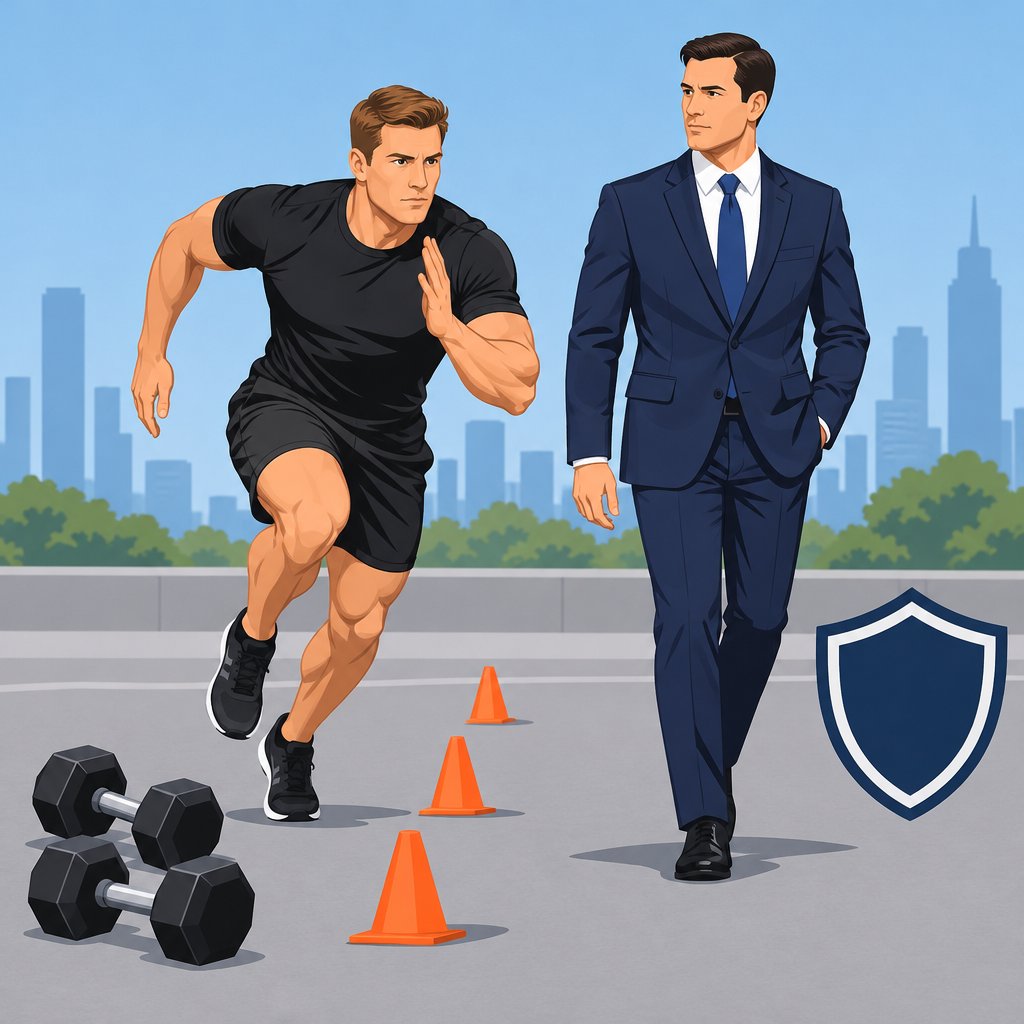
Teamwork and Adaptability During Assignments
Physical fitness can encourage bodyguards to cooperate effectively with their colleagues.
Fit and healthy bodyguards can support one another while fulfilling shared responsibilities.
Therefore, fitness can strengthen teamwork during demanding assignments.
Physical fitness helps bodyguards adjust when terrain or weather conditions change.
This readiness allows them to continue duties without compromising performance.
Furthermore, fitness supports preparation for unexpected challenges.
Readiness for Demanding Duties
Physical fitness helps bodyguards remain prepared for situations that may arise.
It enables them to fulfill their duties effectively and support client protection.
Regular exercise can also help bodyguards manage pressure during high-demand assignments.
Maintaining fitness allows bodyguards to approach their responsibilities with confidence.
Gain More Insights: Working with High-Risk Offenders
Team Collaboration in Bodyguarding
- Physical fitness helps bodyguards foster teamwork and cooperation during demanding assignments.
- When each member stays fit, teammates can rely on one another and coordinate their responsibilities.
- Moreover, fitness supports clear communication and precise coordination during team operations.
- Physically prepared teams can execute complex maneuvers smoothly while maintaining client security.
- Furthermore, fit team members can respond to emergencies and protect clients effectively.
- Fitness also helps bodyguards move efficiently when teams must address threats promptly.
- Additionally, shared fitness standards can strengthen trust during high-pressure situations.
- By training consistently, team members can build camaraderie and improve their collective performance.
Preventing Injuries
- Physical fitness helps bodyguards prevent injuries during physically demanding situations.
- Moreover, flexibility helps bodyguards react quickly and avoid injuries.
- Strength training prepares bodyguards to manage their job’s physical demands safely.
- Additionally, improved mobility helps bodyguards move efficiently across different situations.
- Regular exercise helps bodyguards maintain fitness and support effective client protection.
By developing flexibility, strength, and mobility, bodyguards can reduce their risk of injury.
Consequently, physical readiness helps bodyguards respond swiftly and serve their clients effectively.
Fitness Components for Bodyguard Duties
Physical fitness supports bodyguards as they manage demanding responsibilities.
Cardiovascular conditioning helps them pursue and apprehend potential threats.
Strength training prepares them for physical altercations and client protection.
Moreover, fitness supports quick reactions during dangerous situations.
Regular training helps bodyguards maintain the physical condition their duties require.
Transform Your Career Today
Unlock a personalized career strategy that drives real results. Get tailored advice and a roadmap designed just for you.
Start NowA fit bodyguard can focus on safety and security responsibilities.
Additionally, good fitness can improve mental alertness and decision-making.
Nutrition and Rest for Sustained Readiness
Proper nutrition gives bodyguards an essential foundation for regular training.
Likewise, sufficient rest helps them maintain optimal physical condition.
Together, these habits support consistent preparation for situations that may arise.
Bodyguards should prioritize exercise, nutrition, and rest throughout their professional routines.
Additional Resources
Google search results for Importance of Physical Fitness in Bodyguarding Protective Services
Bing search results for Importance of Physical Fitness in Bodyguarding Protective Services


