




Introduction:
- As a campus security officer, ensuring the safety of all individuals on campus is crucial.
- Conducting safety workshops is essential to educate students, staff, and faculty on security measures.
- This blog post aims to highlight the significance of safety workshops on campus.
- We will cover the role of a security officer, workshop benefits, content, and tips for effective workshops.
Role of a Campus Security Officer
- Responsibilities and duties of a campus security officer
- Importance of maintaining a safe and secure environment on campus
- Building relationships with students, staff, and faculty to promote safety
Responsibilities and Duties of a Campus Security Officer
A campus security officer plays a vital role in ensuring safety on campus.
They patrol the campus, respond to emergencies, and enforce rules and regulations.
Security officers monitor security cameras and investigate suspicious activities.
They report incidents to authorities and provide assistance when needed.
Importance of Maintaining a Safe and Secure Environment on Campus
Maintaining a safe and secure campus protects the well being of the community.
A campus security officer helps prevent crimes and accidents.
They also address other threats that could compromise campus safety.
Being vigilant and proactive creates a sense of security for learning and work.
A safe campus attracts students and faculty and supports the institution’s reputation.
Building Relationships with Students, Staff, and Faculty to Promote Safety
A key role for a campus security officer is building relationships.
They connect with students, staff, and faculty to share safety information.
By establishing trust and rapport, they can communicate safety protocols effectively.
Positive relationships help gather information and address security concerns.
Fostering relationships enhances collaboration and contributes to a safer campus.
Benefits of Safety Workshops for Students, Staff, and Faculty
Safety workshops increase awareness of potential threats on campus.
Additionally, they improve participant response during emergency situations.
They also enhance safety protocols and procedures across the campus.
Moreover, workshops build a sense of community and collaboration among participants.
- Increased awareness of potential threats on campus
- Improved response during emergency situations
- Enhanced safety protocols and procedures
- Building a sense of community and collaboration among participants
Topics that May be Covered in a Safety Workshop
Training topics inform participants about common and serious campus risks.
For example, workshops cover active shooter training and emergency preparedness drills.
They also teach cybersecurity, fire safety, and conflict resolution skills.
- Active shooter training
- Emergency preparedness drills
- Self-defense techniques and strategies
- Cybersecurity awareness and best practices
- Fire safety and evacuation procedures
- Drug and alcohol awareness and prevention
- Mental health and well-being resources
- Diversity and inclusion training
- Conflict resolution skills
- Campus resources and support services
Importance of Providing Practical and Relevant Information to Participants
Providing practical information empowers individuals to act proactively to protect themselves.
As a result, participants gain confidence in responding to diverse emergencies.
This practice fosters a culture of safety and preparedness across campus.
It also builds trust in the institution’s commitment to prioritizing security.
Participants can apply the knowledge and skills learned in real-life scenarios.
- Empowers individuals to take proactive steps to protect themselves and others
- Increases confidence in responding to different types of emergencies
- Fosters a culture of safety and preparedness on campus
- Builds trust in the institution’s commitment to prioritizing security
- Ensures that participants can apply the knowledge and skills learned in real-life scenarios
Discover More: Future Trends in Customs and Border Protection
Planning and Organizing Safety Workshops
Start planning by clarifying the workshop purpose.
Next, gather stakeholders who can contribute to the event.
Then, set realistic timelines and assign responsibilities.
- Identify goals and objectives for the workshop.
- Collaborate with other campus departments for support.
- Involve campus organizations in planning and organizing.
Steps Involved in Planning and Organizing a Safety Workshop
Define the target audience and identify their specific needs.
Set clear goals and objectives to guide the workshop design.
Allocate resources and establish a realistic budget for the event.
- Define the target audience and their specific needs.
- Set clear goals and objectives for the workshop.
- Allocate resources and establish a budget for the event.
- Develop a detailed agenda and timeline for the workshop.
- Identify potential speakers or facilitators for each session.
- Secure a suitable venue and necessary equipment for the workshop.
- Create promotional materials to attract participants.
- Implement registration procedures and collect necessary information.
- Set up evaluation methods to assess the effectiveness of the workshop.
- Finalize logistics and ensure everything is in place before the event.
Identifying Goals and Objectives for the Workshop
Clarify workshop aims to align content with participant expectations.
Use objectives to determine activities and assessment methods.
Ensure each objective is measurable and time bound when possible.
- Raise awareness about campus security measures and protocols.
- Provide practical tips and strategies for personal safety.
- Empower participants to take proactive steps to enhance security.
- Build a sense of community and solidarity among campus members.
- Strengthen partnerships between campus security officers and community.
Collaborating with Campus Departments and Organizations for Support
Collaboration enables pooling of resources and shared expertise.
Shared promotion increases visibility and can improve attendance.
Partnerships also create opportunities for ongoing support and cooperation.
- Access additional funding or resources to support the workshop.
- Increase visibility and attendance through shared promotional efforts.
- Gain expertise and perspectives from diverse stakeholders to enrich content.
- Create opportunities for ongoing partnerships beyond the workshop.
You Might Also Like: How to Prepare for K-9 Officer Training Academy
Transform Your Career Today
Unlock a personalized career strategy that drives real results. Get tailored advice and a roadmap designed just for you.
Start NowEngaging Participants
Here are strategies for engaging participants during safety workshops.
Use interactive activities to increase information retention.
Encourage discussion and feedback throughout each session.
- Strategies for engaging participants during safety workshops
- Utilize interactive activities and discussions to keep participants engaged
- Encourage active participation and feedback from attendees
Create Interactive Activities
Incorporate role-playing scenarios to simulate realistic situations.
Add group discussions and hands-on exercises to reinforce learning.
Active involvement helps participants retain and apply new skills.
Facilitate Discussions
Encourage open discussions to promote critical thinking.
Ask thought-provoking questions and share relevant examples.
Allow participants to express opinions and voice concerns.
Use Visual Aids
Incorporate slideshows, videos, and infographics to clarify concepts.
Visual aids help explain complex topics more clearly.
They also break up lectures and sustain participant focus.
Encourage Active Participation
Ask for attendee input at regular intervals.
Invite participants to share personal experiences in groups.
Participation fosters empowerment and responsibility for personal safety.
Solicit Feedback
Request feedback at the end of each workshop.
Use responses to assess understanding and format effectiveness.
Adjust future sessions based on participant suggestions and needs.
Workshop Outcomes and Application
Engaging participants increases the likelihood of retained knowledge.
When attendees implement skills, workshops produce practical improvements.
Apply these strategies to make workshops more meaningful and effective.
You Might Also Like: Correctional Officer Public Perception
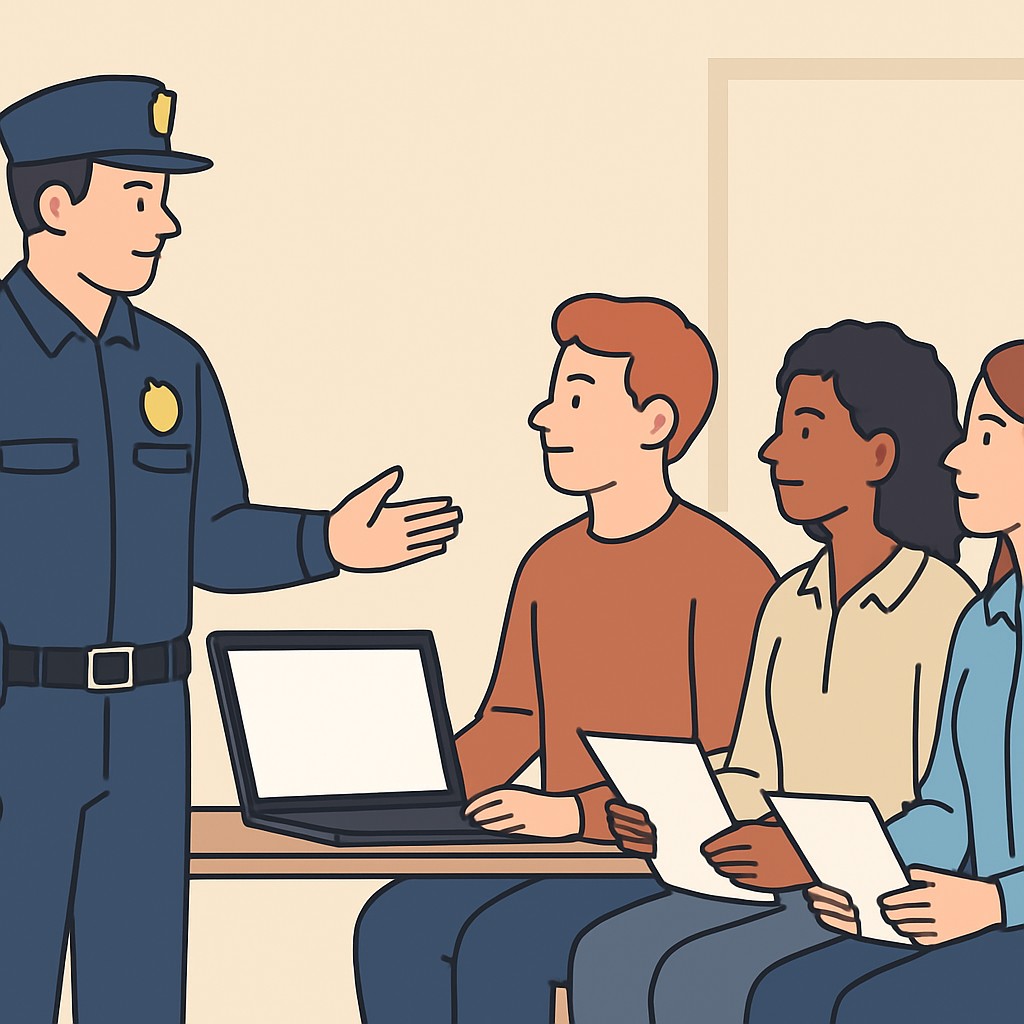
Addressing Campus Safety Concerns
Campus safety concerns affect students, staff, and visitors daily.
Open discussion helps communities recognize risks early and act.
This content outlines common issues, reporting steps, and available support.
- Discuss common campus safety concerns such as theft, vandalism, and assault.
- Provide guidance on reporting incidents and seeking assistance.
- Offer resources and support for individuals who feel unsafe on campus.
Common Safety Concerns on Campus
Theft often targets unattended items such as electronics and bicycles.
Vandalism includes graffiti and property damage that reduces campus comfort.
Physical assault remains a serious safety issue that needs reporting.
Reporting Safety Incidents and Seeking Help
Report incidents promptly to campus security or local law enforcement.
Use a campus hotline when available to ensure quick response.
Seek medical attention and emotional support after any incident.
Resources and Support Services for Individuals Who Feel Unsafe
Campus resources can connect individuals with counseling and victim advocacy.
Additionally, training programs can help individuals prepare for emergencies.
Emergency response teams and on campus support services offer immediate assistance.
See Related Content: TSA Officer Uniform and Equipment Essentials
Evaluating the Effectiveness of Safety Workshops
- Methods for assessing the impact of safety workshops on participants
- Collecting feedback from attendees to gauge satisfaction and effectiveness
- Making adjustments based on feedback to improve future workshops
Campus security officers should use multiple assessment methods.
Start with pre-assessments to capture baseline participant knowledge.
Then use post-assessments to measure learning gains.
Compare results to evaluate workshop effectiveness objectively.
Collect attendee feedback using surveys after each session.
Transform Your Career Today
Unlock a personalized career strategy that drives real results. Get tailored advice and a roadmap designed just for you.
Start NowAlso conduct short interviews or small focus groups when feasible.
Analyze feedback for satisfaction, clarity, relevance, and delivery.
Track attendance rates to assess reach and interest.
Monitor participant engagement during sessions for qualitative insight.
Furthermore, review incident reports after workshops for behavior changes.
Look for correlations between training and security incident changes.
Use findings to make targeted adjustments to workshop content.
For example, revise modules that show low post-assessment gains.
Consider modifying delivery methods to increase participant engagement.
Document changes and monitor their effects over subsequent sessions.
Repeat assessments regularly to ensure continuous improvement.
Sustaining Campus Safety Engagement
Campus security officers lead safety workshops that educate the campus community on basic safety measures.
Moreover, ongoing engagement in safety initiatives helps sustain awareness of best practices.
Therefore, supporting these initiatives encourages participation and strengthens the campus safety culture.
Finally, their dedication promotes a secure environment and deserves acknowledgement.
Additional Resources
Google search results for Campus Security Officer: Conducting Safety Workshops Protective Services
Bing search results for Campus Security Officer: Conducting Safety Workshops Protective Services