




Introduction
TSA officers play a crucial role in ensuring airport security.
They screen passengers and baggage to identify potential threats.
Their efforts help detect and prevent security risks.
Brief Overview of TSA Officers
TSA officers work on the front line of airport security.
They receive training to identify prohibited items, weapons, and dangerous materials.
Additionally, they use X-ray machines and body scanners to screen passengers and luggage.
Their primary focus remains the safety and security of travelers.
Importance of Sharing Real Stories from TSA Officers
Sharing their real stories helps the public understand their critical role.
These accounts reveal daily challenges, including difficult passenger interactions.
They also describe how officers identify suspicious behavior and respond to potential threats.
As a result, these experiences raise awareness of airport security’s importance and the dedication the work requires.
Experience with Difficult Passengers
Working as a TSA officer can present challenging interactions with passengers.
These interactions range from minor disagreements.
They can also become full-blown conflicts requiring careful navigation.
Examples of Challenging Passenger Interactions
Several situations can create challenges during passenger screening.
Passengers may refuse security protocols or become aggressive during a pat-down.
Others may make inappropriate comments or attempt to conceal prohibited items.
- A passenger refusing to comply with security protocols
- An individual becoming aggressive during a pat-down
- Someone making inappropriate comments towards an officer
- A passenger attempting to sneak prohibited items through security
Professional Responses to Difficult Situations
TSA officers remain calm and composed when they face challenging interactions.
They maintain professionalism while upholding security protocols.
Officers use their training and experience to de-escalate tense situations.
They rely on effective communication to encourage compliance and cooperation.
Communication and Conflict Resolution Skills
Communication and conflict resolution skills help TSA officers manage difficult passengers.
Officers explain security procedures while calmly addressing passenger concerns.
This approach can prevent conflicts from escalating.
Conflict resolution skills also help officers diffuse tense situations peacefully.
These skills support safety and security for passengers and staff.
They also contribute to a positive travel experience.
Professional conduct helps officers navigate challenging interactions while maintaining security standards.
Effective communication supports a safe traveling environment.
Discoveries of Prohibited Items
TSA officers regularly discover prohibited items in carry-on luggage.
These findings include knives, firearms, and liquids exceeding permitted limits.
Such discoveries demonstrate why officers must examine baggage carefully.
Prohibited Items Found in Carry-On Luggage
Officers encounter various prohibited items during carry-on luggage inspections.
For example, one passenger attempted to carry a loaded gun through security.
Additionally, officers find knives and liquids that exceed permitted limits.
Security Impact of Dangerous Item Discoveries
Discovering dangerous items directly affects airport security operations.
Each discovery highlights ongoing threats that could affect air travel.
Moreover, these findings encourage continued vigilance among security personnel.
Training and Procedures for Handling Prohibited Items
TSA officers complete rigorous training to identify different types of contraband.
They also follow specific procedures for handling, confiscating, and disposing of prohibited items.
Transform Your Career Today
Unlock a personalized career strategy that drives real results. Get tailored advice and a roadmap designed just for you.
Start NowBy following these protocols, officers help prevent potential threats and protect travelers.
Find Out More: U.S. Marshals' Role in Asset Forfeiture
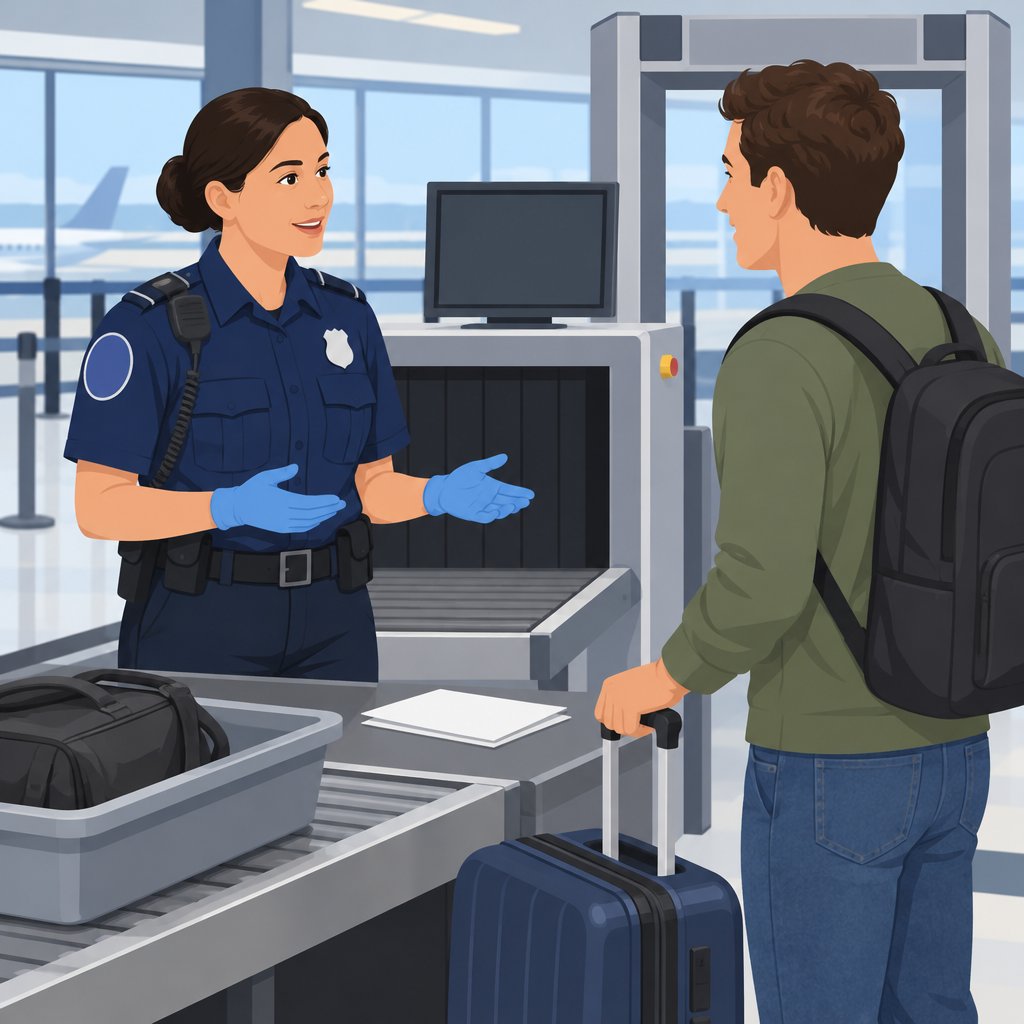
Interactions with Diverse Travelers
As TSA officers, we encounter travelers from all walks of life each day.
Moreover, interacting with people from diverse backgrounds provides valuable learning opportunities.
We meet people from various countries, languages, customs, and traditions.
Therefore, every interaction can broaden our understanding of the world.
- Experiences with travelers from different backgrounds and cultures
- It is fascinating to interact with individuals from diverse backgrounds and cultures.
- We meet people from various countries, with different languages, customs, and traditions.
- Every interaction provides a unique opportunity to learn and expand our horizons.
- Importance of cultural sensitivity and awareness in TSA officers’ interactions
- Cultural sensitivity is crucial in ensuring smooth and respectful interactions with passengers.
- We must remain mindful of differences in customs, beliefs, and communication styles.
- By staying culturally aware, we can avoid unintentional misunderstandings or offense.
- How TSA officers ensure fair and respectful treatment for all passengers
- Our primary goal is to treat every passenger with fairness, respect, and professionalism.
- We strive to provide a safe and smooth travel experience for all individuals.
- Regardless of background or appearance, all passengers deserve equal treatment and consideration.
- We uphold strict conduct standards to ensure consistent and unbiased treatment for everyone.
Find Out More: Highway Patrol vs. Local Police: Key Differences
Security Threats and Responses
TSA officers identify potential threats during passenger and baggage screening.
They follow established procedures to respond quickly and safely.
They also coordinate with other agencies when incidents require broader support.
- Real-life examples of security threats identified by TSA officers
- Protocols and procedures for responding to potential threats
- Collaboration with other law enforcement agencies during security incidents
Security Threats Identified During Screening
TSA officers encounter various security threats while screening passengers and their belongings.
For example, an officer may discover a concealed weapon inside a traveler’s carry-on bag.
Such a weapon could threaten passengers and the aircraft.
In another instance, an officer detected a suspicious substance during a routine bag check.
Further investigation identified the substance as potentially hazardous material.
Procedures for Responding to Potential Threats
TSA officers follow specific protocols when they identify potential security threats.
First, officers alert their superiors and begin the appropriate response procedures.
Depending on the situation, officers may evacuate the area or request additional support.
They may also conduct further screening to assess the potential threat.
Regular training helps officers maintain familiarity with current procedures and technologies.
Coordination During Security Incidents
TSA officers collaborate with other law enforcement agencies during security incidents.
They may work with local police, federal agencies, or international counterparts.
This cooperation becomes important when a threat extends beyond airport security.
Agencies share information and resources to coordinate their responses.
Through collaboration, each agency can contribute its respective strengths.
Gain More Insights: Parole Officer: Real Stories and Experiences
Emotional Toll of the Job
TSA officers manage emotional pressure while performing demanding screening duties.
Passengers may arrive anxious or agitated, which can make routine interactions emotionally draining.
Meanwhile, potential threats and rapid decisions can intensify that pressure.
Sources of Emotional Strain During Screening
Officers regularly navigate tense interactions while maintaining attention to safety procedures.
They must also respond carefully when screening creates disagreement or confrontation.
Additionally, disturbing discoveries or malicious intent can affect officers psychologically.
- Officers often encounter anxious or agitated passengers during screening.
- Potential security threats require rapid decisions under stressful conditions.
- Screening procedures can sometimes lead to confrontations with passengers.
- Disturbing items and malicious intent can create lasting psychological strain.
Mental Health Support and Self-Care
Self-care helps officers protect their mental well-being amid constant workplace pressure.
Professional support gives officers space to process difficult experiences and emotions.
Furthermore, open communication can reduce isolation and help prevent burnout.
- Officers should prioritize self-care while managing ongoing job demands.
- Mental health services can help officers process stressful experiences.
- Regular counselor or therapist check-ins can support emotional health.
- A supportive workplace culture can reduce isolation and burnout.
Practical Coping Strategies
Officers can use healthy routines to release tension after demanding shifts.
Peer support also creates connection by allowing colleagues to share similar experiences.
Finally, clear boundaries can strengthen emotional resilience and support work-life balance.
- Exercise, meditation, and hobbies can help officers decompress after work.
- Peer support can provide validation and strengthen workplace connections.
- Work boundaries can help officers maintain a healthier personal life.
- Mindfulness and deep breathing can help officers remain grounded under pressure.
Discover More: Famous Cases Solved by Private Investigators
Moments of Pride and Success
TSA officers perform challenging work that requires constant attention and responsibility.
Transform Your Career Today
Unlock a personalized career strategy that drives real results. Get tailored advice and a roadmap designed just for you.
Start NowSuccessful interventions can make their demanding duties feel worthwhile.
These examples show how officers support airport security and passenger safety.
Successful Interventions and Security Prevention
Officers use careful screening and quick decisions to address possible security concerns.
They also follow established procedures when they identify suspicious items or individuals.
Their actions can prevent dangerous situations from developing inside airports.
- At Hartsfield-Jackson Atlanta International Airport, an officer found a prohibited weapon during routine screening.
- At Los Angeles International Airport, an officer stopped illegal drugs from entering the airport.
- At Chicago O’Hare International Airport, an officer prevented a no-fly-list passenger from boarding.
Recognition of Officers’ Commitment
Recognition helps acknowledge the dedication officers show during demanding security situations.
Professional conduct and skilled responses can earn respect from colleagues and passengers.
Public appreciation also reminds officers that their efforts matter.
- A TSA awards ceremony recognized several officers for outstanding performance and dedication to duty.
- The recognized officers demonstrated professionalism and skill while handling various security situations.
- Passengers have expressed gratitude for officers’ commitment to keeping travelers safe.
Positive Effects on Airport Safety
TSA officers directly support safer airports through vigilance, training, and consistent procedures.
Their observations can help identify suspicious behavior and potentially dangerous items.
Quick, decisive actions can protect passengers and airport personnel during security incidents.
- Officers use their training and experience to recognize possible security threats.
- They help prevent dangerous items from entering airports through diligent screening.
- Their dedication strengthens airport security and supports safer journeys for passengers.
Recognizing TSA Officer Dedication
Sharing real stories from TSA officers raises awareness of the challenges they face each day.
Moreover, recognizing their dedication highlights the professionalism they bring to their demanding responsibilities.
As a result, readers can better appreciate their work maintaining safe travel experiences for everyone.
Additional Resources
Google search results for Real Stories from TSA Officers: Experiences on the Job Protective Services
Bing search results for Real Stories from TSA Officers: Experiences on the Job Protective Services


