




Introduction
- Disability Services Coordinators support people with disabilities in the community.
- Additionally, community resources provide necessary assistance to people with disabilities.
- However, coordinators face challenges when accessing these resources efficiently.
Government Resources
Federal and state governments offer programs that support individuals with disabilities.
Disability Services Coordinators can identify suitable programs and explain available assistance.
They can also help individuals understand eligibility rules and application requirements.
- Explore federal and state programs for disability services.
- Discuss eligibility criteria and application processes for government resources.
- Identify government-funded services that coordinators can use.
Federal Government Programs
Social Security Disability Insurance provides financial assistance to people unable to work because of disabilities.
Coordinators can explain SSDI eligibility requirements and support the application process.
Supplemental Security Income offers financial support to disabled individuals with limited income and resources.
Coordinators can help individuals determine whether they qualify for SSI benefits.
They can also guide applicants through the required SSI application steps.
Medicaid and Medicare provide healthcare coverage to eligible individuals with disabilities.
Coordinators can explain available coverage options and assist with enrollment.
State Government Programs
State governments offer additional services for individuals with disabilities.
Vocational rehabilitation programs help individuals prepare for and find employment.
These programs may provide vocational training, job placement, and related employment support.
Coordinators can connect individuals with services that support their employment goals.
States may also provide home and community-based services.
Examples include personal care assistance, transportation services, and housing assistance.
Coordinators can explain eligibility requirements and application procedures for these services.
Some states offer specialized programs for children with disabilities.
Early intervention and special education programs can support children’s development and education.
Coordinators can work with families to access appropriate services.
Eligibility and Application Processes
Each government program establishes specific eligibility criteria for applicants.
Coordinators should review those criteria with each individual.
They can help applicants determine whether they meet program requirements.
Eligibility decisions may consider documentation, income limits, and other factors.
Coordinators can explain how these factors affect access to assistance.
They should also identify documents required for each application.
Government applications may seem difficult for individuals with disabilities.
Coordinators can simplify the process by helping applicants complete forms.
They can gather necessary documentation and submit materials to the correct agencies.
Coordinators may also follow up with agencies about application progress.
This assistance helps applicants address process requirements more effectively.
Government-Funded Services
Government-funded services address financial, healthcare, employment, and daily living needs.
Coordinators can help individuals identify services that match their circumstances.
They can also support access to programs administered by federal and state agencies.
- Social Security Disability Insurance benefits.
- Supplemental Security Income benefits.
- Medicaid and Medicare healthcare coverage.
- Vocational rehabilitation services for employment support.
- Home and community-based services for daily living assistance.
- Early intervention services for children with disabilities.
- Special education programs for children with disabilities.
These resources can help individuals obtain essential support.
Coordinators can connect individuals with programs that address their specific needs.
They can also guide applicants through eligibility reviews and application procedures.
Community Non-Profit Organizations
National Disability Rights Network, Easterseals, and United Cerebral Palsy offer community disability services.
These organizations support individuals with disabilities through dedicated programs and advocacy.
They also help communities address disability-related needs.
Transform Your Career Today
Unlock a personalized career strategy that drives real results. Get tailored advice and a roadmap designed just for you.
Start NowServices Provided by Non-Profit Organizations
Non-profit organizations provide advocacy services that help individuals navigate the legal system.
Additionally, support groups connect people who face similar challenges.
Educational programs increase awareness and improve understanding of different disabilities.
Collaboration with Disability Services Coordinators
Disability Services Coordinators can establish partnerships with non-profit organizations.
Through referrals, coordinators can connect clients with specialized community services.
Furthermore, partners can host workshops, share resources, and exchange best practices.
Delve into the Subject: Mental Health Technician: Roles and Responsibilities
Healthcare Providers
Healthcare providers offer medical care, treatment, and support services tailored to each person’s disability-related needs.
Available services include physical, occupational, and speech therapy, rehabilitation programs, and mental health support.
These services help individuals address health needs while pursuing greater well-being and independence.
Coordinating Comprehensive Care
Disability Services Coordinators can collaborate with healthcare providers to support clients’ medical and non-medical needs.
For example, partners can share information, coordinate treatment plans, and address health concerns affecting individual well-being.
This collaboration can improve care coordination and help individuals achieve better health outcomes.
Together, coordinators and healthcare providers can create care plans that reflect each individual’s goals and treatment options.
A care plan also identifies support services needed to address specific health requirements.
Connecting Individuals With Specialized Support
Healthcare providers can connect individuals with specialized clinics, support groups, and other community resources.
These connections help individuals access appropriate care and manage their health more effectively.
Additionally, providers can help coordinators identify services that complement existing treatment and support plans.
Accessible and Continuous Healthcare
Healthcare providers can promote accessible and inclusive practices within their facilities.
They may provide wheelchair ramps, sign language interpreters, and accessible examination rooms.
These accommodations help individuals with disabilities access medical services more easily.
Providers also support transitions between pediatric and adult care or between hospitals and community-based services.
During these changes, providers can help individuals navigate services and maintain continuity of care.
Consequently, coordinated transitions can support individuals throughout their healthcare journeys.
Client Education and Professional Development
Healthcare providers can explain health conditions, treatment options, and self-care strategies to individuals with disabilities.
This education empowers individuals to participate actively in healthcare decisions.
It also helps them make informed choices and manage their health needs.
Meanwhile, coordinators can attend provider-led workshops, webinars, and conferences about disability-specific healthcare topics.
Continuing professional development helps coordinators strengthen their knowledge and skills.
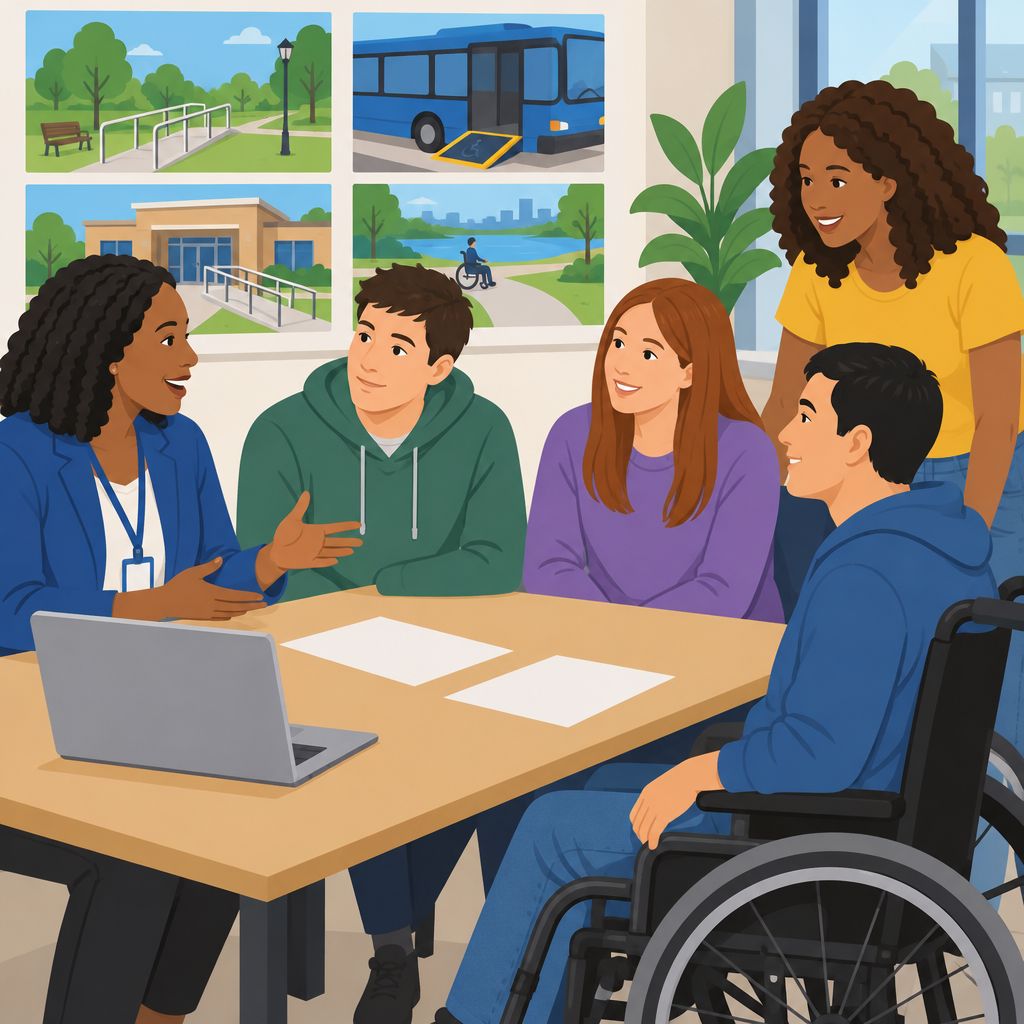
Collaborative Relationships With Healthcare Providers
Strong relationships with healthcare providers help coordinators advocate for clients’ health needs.
Regular collaboration also supports effective communication and coordinated care.
By building trusted partnerships, coordinators can strengthen the healthcare support available to their clients.
Uncover the Details: What Does a Housing Coordinator Do?
Educational Institutions
Educational institutions have expanded resources and accommodations for students with disabilities.
These accommodations help students access learning opportunities and pursue academic success.
Disability Services Coordinators connect students, faculty, and staff to appropriate educational support.
Resources and Accommodations Available
Schools and universities provide accommodations that address physical, sensory, and learning-related needs.
Students can work with disability services staff to identify suitable academic supports.
Faculty and staff help implement these supports within classrooms and campus settings.
- Accessible campus buildings include ramps and elevators for students with physical disabilities.
- Note-taking services support students with hearing impairments or learning disabilities.
- Extended exam time assists students with processing disorders or ADHD.
- Alternative textbooks and course materials support students with visual impairments.
- Sign language interpreters assist students who are deaf or hard of hearing.
Role of Disability Services Coordinators
Disability Services Coordinators advocate for students with disabilities within educational institutions.
Transform Your Career Today
Unlock a personalized career strategy that drives real results. Get tailored advice and a roadmap designed just for you.
Start NowThey help students receive equal access to educational opportunities and necessary accommodations.
They also work with faculty to implement accommodations throughout each student’s academic journey.
Successful Collaborations
Effective collaboration strengthens accessibility across classrooms, campus organizations, and student communities.
Faculty, staff, and students can share responsibility for creating inclusive learning environments.
These partnerships also promote awareness, advocacy, and meaningful connections for students with disabilities.
- Faculty can develop inclusive teaching practices that accommodate diverse learning styles.
- Campus organizations can promote disability awareness and inclusion.
- Disability services staff can train faculty and staff to support students with disabilities.
- Student groups can organize events and workshops about disability rights and advocacy.
- Mentorship programs can connect students with disabilities to successful alumni in their fields.
Gain More Insights: Working with Families as a Substance Abuse Counselor
Latest Advancements in Technology and Assistive Devices
Recent years have brought significant advances in technology and assistive devices for people with disabilities.
Smart home devices and wearable technology represent examples of these innovations.
These tools can improve daily experiences for individuals with disabilities.
Impact on Accessibility and Independence
Technology can improve accessibility for people with disabilities.
Assistive devices can help individuals navigate their environments more easily.
They can also support independent completion of everyday tasks.
Resources and Funding Options
Disability Services Coordinators can explore resources and funding options for their clients.
The Assistive Technology Act Program provides grants and loans for assistive technology purchases.
The provided resources include programs and organizations that coordinators can review.
- Assistive Technology Act Program
- National Institute on Disability and Rehabilitation Research
- Department of Veterans Affairs
Practical Role of Assistive Technology
Technology and assistive devices play a crucial role in improving lives for individuals with disabilities.
Disability Services Coordinators can use these resources to support access to assistive technology.
Staying informed about technology trends can help coordinators provide better services and support.
See Related Content: Mental Health Technician: A Career Overview
Legal Advocacy and Rights
Individuals with disabilities have legal rights and protections.
These protections promote equal opportunities and access to services.
Disability Services Coordinators help clients understand and exercise those rights.
Legal Rights and Protections
The Americans with Disabilities Act prohibits discrimination based on disability.
Section 504 of the Rehabilitation Act also prohibits disability-based discrimination.
Additionally, reasonable accommodations help individuals access education, employment, transportation, and public services.
- Individuals with disabilities receive protection under the Americans with Disabilities Act and Section 504 of the Rehabilitation Act.
- They can request reasonable accommodations to support equal access in various settings.
- Disability Services Coordinators educate clients about their rights and support them when asserting those rights.
Responsibilities of Disability Services Coordinators
Coordinators advocate for clients across education, employment, transportation, and public service settings.
They help clients address barriers and pursue appropriate legal protections.
Furthermore, coordinators connect clients with legal professionals when additional support becomes necessary.
- Disability Services Coordinators advocate for clients and help uphold their rights.
- They assist clients with filing complaints, requesting accommodations, and accessing legal resources.
- They collaborate with attorneys specializing in disability rights to support clients effectively.
Current Knowledge of Disability Rights
Disability Services Coordinators need current knowledge of disability rights laws and regulations.
Regular training helps coordinators recognize legal developments affecting their clients.
Advocacy organizations and government agencies also provide resources about current legal issues.
- Coordinators attend workshops, training sessions, and webinars on disability law.
- They use disability advocacy organization resources to remain informed about legal issues.
- They consult government agency resources when monitoring changes in disability rights protections.
By staying informed, coordinators advocate effectively and help clients access deserved legal protections.
Community Activities and Inclusive Participation
Community centers and recreational facilities often offer inclusive programs for individuals with disabilities.
These programs create opportunities for social engagement, physical activity, and personal well-being.
Disability Services Coordinators can identify activities that match each person’s interests and needs.
Professional and Online Community Connections
Networking with other disability services professionals can strengthen coordination and expand available support.
Additionally, collaboration with local businesses can encourage innovative solutions for individuals with disabilities.
Online disability-specific websites and forums can provide current information and useful resources.
By building these connections, coordinators can improve how they support individuals with disabilities.
Continued collaboration between coordinators and community resources can strengthen support across the disability community.
Transform Your Career Today
Unlock a personalized career strategy that drives real results. Get tailored advice and a roadmap designed just for you.
Start Now


