



Introduction
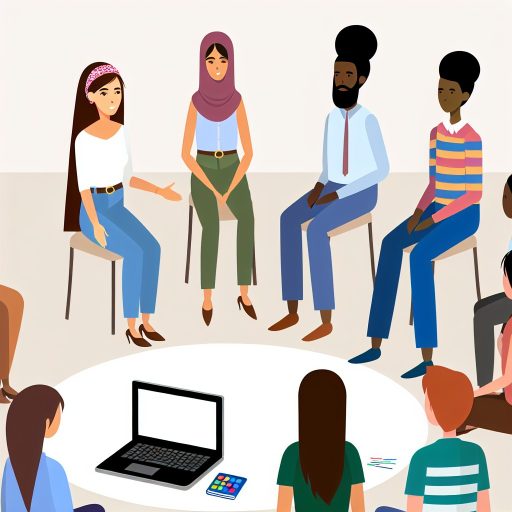
Social inclusion is crucial for creating a supportive and diverse community.
Life skills instruction encompasses a wide range of abilities that are necessary for daily living.
The focus of this blog post is to explore how life skills instruction plays a significant role in promoting social inclusion.
Brief Overview of the Importance of Social Inclusion
Social inclusion is about ensuring that all individuals, regardless of their background or abilities, feel valued and included in society.
It promotes diversity, equality, and respect among individuals, fostering a sense of belonging and acceptance.
Definition of Life Skills Instruction
Life skills instruction refers to the teaching of skills that are essential for daily living and functioning effectively in society.
These skills include communication, problem solving, decision making, critical thinking, and interpersonal skills.
How Life Skills Instruction Promotes Social Inclusion
Life skills instruction plays a crucial role in promoting social inclusion by equipping individuals with the necessary skills to navigate social interactions.
It helps individuals build relationships and contribute positively to their community.
These skills empower individuals to participate fully in society, fostering a sense of belonging and acceptance.
Developing life skills is crucial for promoting social inclusion in society.
These skills enable individuals to effectively interact with others.
They help navigate various social situations.
Importance of developing life skills
Life skills are essential for individuals to lead fulfilling lives.
These skills help individuals contribute positively to their communities.
By developing life skills, individuals become more self-reliant.
They become better equipped to handle everyday challenges.
Significance of life skills in daily interactions
Life skills play a vital role in shaping how individuals communicate.
They support problem-solving and empathy for others.
These skills are practical and essential for building strong relationships.
They foster a sense of belonging.
- Communication: Effective communication is key to expressing thoughts, emotions, and ideas clearly to others.
- Problem-solving: Being able to identify issues, brainstorm solutions, and make sound decisions is crucial in various aspects of life.
- Empathy: Understanding and sharing the feelings of others help in building empathy and fostering harmonious relationships.
Life skills instruction empowers individuals to engage meaningfully with others.
This empowerment promotes social inclusion.
Individuals can contribute positively to society through these skills.
Impact of Social Inclusion on Individuals
- Enhanced self-esteem: Individuals feel valued and respected through social activity participation.
- Improved social skills: Social interactions develop communication and interpersonal abilities.
- Broader support network: Social circles provide support during challenging times.
- Increased opportunities: Social inclusion opens doors to personal and professional growth.
Benefits of Being Included in Social Activities
- Sense of belonging: Inclusion nurtures connection with others.
- Positive mental health: Social engagement promotes well-being.
- Reduced feelings of isolation: Inclusion combats loneliness.
- Increased empathy: Diverse interactions foster understanding.
Consequences of Social Exclusion on Mental Health and Well-Being
- Negative self-perception: Exclusion causes feelings of inadequacy.
- Isolation and loneliness: Exclusion results in profound loneliness.
- Increased stress and anxiety: Lack of support exacerbates stress.
- Risk of depression: Prolonged exclusion raises depression risks.
Social inclusion is vital for psychological and emotional well-being.
Life skills instruction plays a pivotal role in promoting social inclusion.
Skills like communication, empathy, and teamwork enable individuals to engage effectively.
These skills help cultivate meaningful relationships within the community.
Prioritizing social inclusion creates more supportive environments where everyone thrives.
Explore Further: Case Management Certifications and Training Programs
Role of life skills instruction in promoting social inclusion
Life skills instruction plays a crucial role in promoting social inclusion.
It equips individuals with essential skills needed for successful social interactions.
These skills empower individuals to navigate social situations effectively.
They also foster an inclusive environment where everyone feels valued and accepted.
How life skills training prepares individuals for social interactions
- Effective communication skills are essential in fostering positive interactions with others.
- Conflict resolution skills enable individuals to navigate disagreements and maintain healthy relationships.
- Empathy and active listening skills help individuals understand and connect with others on a deeper level.
- Assertiveness skills empower individuals to express their needs and boundaries effectively.
- Decision-making and problem-solving skills enable individuals to navigate complex social situations.
Empowering individuals to build relationships and connect with others
- Building self-esteem and self-confidence are foundational in establishing meaningful connections with others.
- Networking skills help individuals expand their social circles and build a supportive community.
- Teamwork and collaboration skills enable individuals to work effectively with others towards common goals.
- Adaptability and flexibility are crucial in adapting to different social contexts and building diverse relationships.
- Cultural competence and diversity awareness prepare individuals to embrace and celebrate differences in others.
By providing life skills instruction, individuals receive the tools they need to thrive socially.
They also contribute to creating a more inclusive and accepting society.
Social inclusion becomes a reality when individuals build relationships, connect with others, and contribute positively to their social environments.
See Related Content: Best Practices for Documenting Domestic Violence Cases
When it comes to promoting social inclusion, life skills instruction plays a crucial role in empowering individuals.
It helps them develop the necessary tools to navigate social interactions and relationships effectively.
Transform Your Career Today
Unlock a personalized career strategy that drives real results. Get tailored advice and a roadmap designed just for you.
Start NowThrough a focus on tangible skills such as communication, empathy, problem-solving, and decision-making, individuals improve their abilities.
They can then connect with others, build meaningful relationships, and feel a sense of belonging and inclusion within their communities.
Case Studies
One inspiring example of life skills instruction is the story of Emily, a young woman with autism.
Emily initially struggled to communicate and connect with her peers.
Through targeted life skills training, she learned effective communication strategies and developed social skills.
She also built confidence in her interactions.
As a result, Emily formed friendships, participated in group activities, and felt a sense of belonging within her community.
Success Stories
Another success story is that of Michael, a man with intellectual disabilities.
Michael faced challenges in decision-making and problem-solving.
Life skills instruction targeting these areas helped him enhance his decision-making abilities.
He also improved his problem-solving skills and became more independent daily.
As a result, Michael secured employment, engaged in social activities, and felt included within his workplace and social circles.
Impact of Improved Social Skills
For individuals like Emily and Michael, improved social skills have been instrumental in their social inclusion journey.
They learned to communicate effectively and empathize with others.
They also navigated social situations more successfully.
This helped them build meaningful connections and foster relationships.
Ultimately, they experienced a sense of belonging within their communities.
Benefits of Life Skills Instruction
- Enhanced communication skills
- Improved problem-solving abilities
- Increased confidence in social interactions
- Greater independence in daily life
- Opportunities for employment and engagement
Life skills instruction plays a pivotal role in promoting social inclusion.
It equips individuals with tools needed to navigate social relationships and build connections.
This fosters a sense of belonging within their communities.
Through targeted training and support, individuals develop skills and confidence.
They then thrive in social settings and experience the benefits of inclusion firsthand.
Discover More: Promoting Housing Stability in Communities

One of the key challenges to social inclusion is the lack of necessary life skills.
When individuals lack essential life skills, they may struggle to navigate social settings.
- Poor communication skills can hinder meaningful interactions with others.
- Difficulty in managing emotions may lead to conflicts and misunderstandings.
- Limited problem-solving abilities can impede participation in group activities.
Addressing Factors That Hinder Individuals from Fully Participating in Social Settings
It is crucial to identify and address these barriers to promote social inclusion.
Life skills instruction plays a significant role in empowering individuals to overcome these challenges.
- Through effective communication training, individuals can express themselves clearly and assertively.
- Emotional intelligence programs help individuals regulate their feelings and understand others’ emotions.
- Problem-solving workshops equip individuals with strategies to navigate various social situations.
Role of Life Skills Instruction in Overcoming These Barriers
Life skills instruction provides individuals with the tools they need to thrive in social settings.
By acquiring essential life skills, individuals can build confidence and strengthen their social relationships.
- Improved communication skills foster better understanding and connection with others.
- Enhanced emotional intelligence promotes empathy, compassion, and effective conflict resolution.
- Mastering problem-solving skills enables individuals to overcome challenges and adapt to different social environments.
Uncover the Details: The Role of School Social Workers in Substance Abuse Prevention
Collaborative efforts for promoting social inclusion
When it comes to promoting social inclusion, collaborative efforts among various entities are crucial.
These collaborative efforts involve partnerships between schools, communities, and organizations working together to create a more inclusive society for all individuals.
Highlighting partnerships between schools, communities, and organizations
Schools play a significant role in promoting social inclusion by teaching life skills that are essential for individuals to thrive in society.
However, schools cannot do this alone.
They need the support of communities and organizations to create a more inclusive environment for all.
- Schools: Schools are where individuals learn crucial life skills that promote social inclusion.
- Communities: Communities play a vital role in fostering social inclusion by offering support and resources to individuals.
- Organizations: Organizations are instrumental in promoting social inclusion by providing opportunities for individuals to develop their skills and talents.
How working together can create a more inclusive society for all individuals
By working together, schools, communities, and organizations can create a more inclusive society that embraces diversity and promotes social inclusion for all individuals.
These collaborative efforts are essential for addressing barriers to inclusion and creating a more supportive environment for everyone.
- Collaboration: Working together allows schools, communities, and organizations to pool their resources and expertise to address the diverse needs of individuals.
- Awareness: Collaborative efforts raise awareness about the importance of social inclusion and the benefits it brings to society.
- Advocacy: Collaborative efforts also involve advocacy for policies and practices that promote social inclusion.
Importance of joint actions for inclusive societal development
Collaborative efforts among schools, communities, and organizations are essential for promoting social inclusion and creating a more inclusive society for all individuals.
By working together, these entities can address barriers to inclusion, raise awareness about the benefits of social inclusion, and advocate for policies that promote a more inclusive and equitable society.
Significance of Life Skills Instruction for Social Inclusion
By highlighting the significance of life skills instruction, we underscore the pivotal role it plays in fostering social inclusion.
Transform Your Career Today
Unlock a personalized career strategy that drives real results. Get tailored advice and a roadmap designed just for you.
Start NowIndividuals are urged to continuously cultivate their social skills to contribute to a more cohesive and inclusive society.
Additional Resources
Standards and Indicators for Cultural Competence in Social Work …
Ethical Standards – National Organization for Human Services