




Mental Health Technicians in Residential Care
Mental health technicians play crucial roles in residential care settings.
They support individuals with mental health disorders.
They help residents navigate daily challenges and pursue recovery.
Residential care settings benefit significantly from mental health technicians.
Their expertise and guidance can improve treatment outcomes and residents’ overall well-being.
This article explains their responsibilities, skills, qualifications, and impact.
Mental Health Technician Responsibilities
Mental health technicians support residents through daily care and structured therapeutic activities.
They coordinate with healthcare professionals while responding to residents’ changing needs.
Their consistent presence helps maintain a safe, supportive, and organized residential environment.
Providing Direct Care
Mental health technicians assist residents with bathing, dressing, eating, and other daily activities.
They promote comfort and dignity while helping residents complete necessary personal tasks.
Additionally, they monitor basic needs and respond promptly when residents require assistance.
Monitoring Resident Behavior
Mental health technicians observe residents closely to identify distress, agitation, or behavioral changes.
They use appropriate de-escalation techniques when situations become tense or potentially unsafe.
Early intervention allows staff to address concerns before they become more serious.
Administering Prescribed Medications
Mental health technicians administer medications according to instructions from authorized healthcare providers.
They verify each medication, dosage, and administration time before providing treatment.
They also monitor residents for adverse reactions and report concerns to nursing staff or physicians.
Facilitating Group Therapy Sessions
Mental health technicians may lead group sessions focused on coping skills, communication, and problem-solving.
These activities help residents practice social skills and examine personal behaviors.
Furthermore, structured discussions encourage residents to develop healthier ways to manage mental health challenges.
Supporting Individualized Treatment Plans
Mental health technicians collaborate with healthcare professionals on individualized treatment plans.
They attend treatment meetings, share observations, and discuss residents’ progress.
Their input helps the treatment team adjust care when residents’ needs change.
Documenting Resident Progress
Mental health technicians maintain accurate records of residents’ behaviors, progress, and treatment interventions.
They document vital signs, medication administration, observations, and significant condition changes.
Accurate documentation gives the treatment team information for informed care decisions.
Providing Emotional Support
Mental health technicians listen to residents and respond with empathy and understanding.
They validate residents’ feelings while offering reassurance during anxiety, depression, loneliness, or frustration.
Consequently, residents can feel safer expressing emotions within the residential environment.
Maintaining Safety and Security
Mental health technicians help maintain a safe environment by identifying hazards and completing safety checks.
They follow established protocols designed to protect residents and staff from harm.
During emergencies, they respond quickly to medical crises and behavioral disturbances.
Continuing Education and Training
Mental health technicians pursue ongoing education to strengthen their professional knowledge and skills.
They attend workshops, conferences, and other professional development opportunities.
Staying informed about mental health care supports consistent, high-quality service for residents.
Communication Skills
- Effective communication skills remain crucial for mental health technicians.
- These skills help technicians establish trust and rapport with residents.
- Good communication supports a positive therapeutic environment.
- Mental health technicians must listen actively to residents.
- They also need to understand and empathize with residents’ feelings and experiences.
Importance of Communication Skills
- Communication skills help create a safe and supportive environment.
- Residents feel heard and understood when technicians communicate effectively.
- Furthermore, technicians can clarify instructions and provide guidance through clear communication.
- Good communication reduces misunderstandings and conflicts in residential care settings.
- As a result, residents receive appropriate care and support for their mental health needs.
Building Trust and Rapport
- Effective communication builds trust between residents and mental health technicians.
- Residents become more likely to discuss their concerns in a supportive environment.
- Technicians demonstrate empathy and understanding through their communication.
- This approach helps residents feel valued and respected in residential care settings.
- Moreover, building rapport strengthens the therapeutic relationship between residents and technicians.
Contributing to a Positive Therapeutic Environment
- Good communication contributes to a positive and healing environment for residents.
- Residents feel safe and supported when they communicate openly with technicians.
- Communication skills help technicians de-escalate conflicts and manage challenging behaviors.
- Technicians can provide emotional support and validation through effective communication.
- Ultimately, a positive therapeutic environment promotes residents’ mental well-being and recovery.
Discover More: Addressing Substance Abuse Issues in Family Support Work
Crisis Management and De-escalation
Mental health technicians recognize signs that a resident’s crisis may escalate.
They intervene promptly to prevent situations from becoming more dangerous.
Additionally, technicians learn residents’ triggers and support practical coping strategies.
Transform Your Career Today
Unlock a personalized career strategy that drives real results. Get tailored advice and a roadmap designed just for you.
Start Now- Technicians collaborate with the interdisciplinary team to create crisis prevention plans.
- They continuously monitor and support residents who face increased crisis risks.
- Staff members work closely with residents to understand personal crisis triggers.
Maintaining Calm During Crises
Technicians maintain composure while addressing residents during stressful situations.
This calm approach creates stability and reassures residents during uncertain moments.
Furthermore, composure helps technicians think clearly and choose effective responses.
- Remaining calm helps technicians make sound decisions under pressure.
- Composed behavior gives residents a positive example for managing stress.
- A calm response supports a therapeutic environment where residents feel safe.
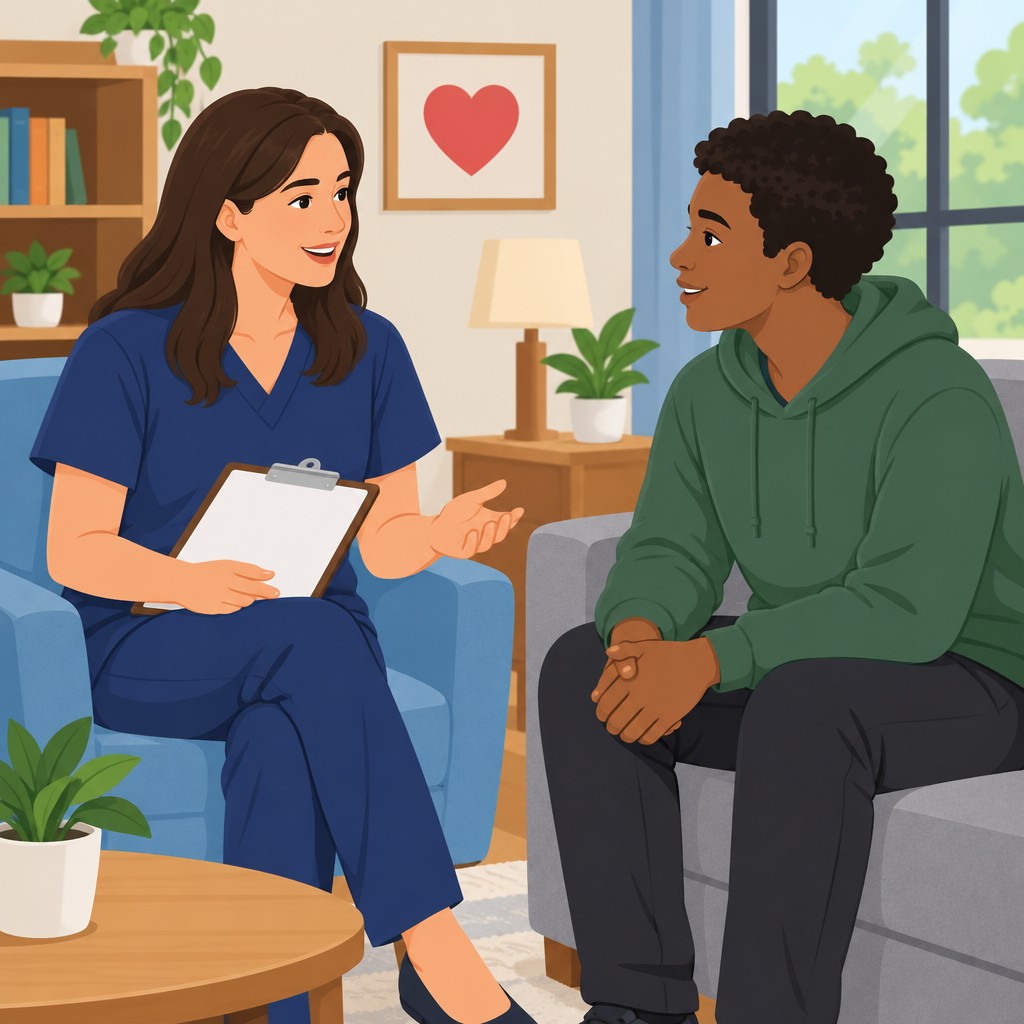
Therapeutic Communication Techniques
Technicians use active listening to understand residents’ emotions and immediate needs.
They also show empathy and compassion to build trust during difficult interactions.
Moreover, therapeutic communication helps residents feel heard and supported.
- Open-ended questions encourage residents to express themselves during crises.
- Reflecting feelings validates residents’ experiences and strengthens personal connection.
- Positive reinforcement and nonverbal cues can reduce tension during interactions.
Following Crisis Response Protocols
Technicians follow established procedures to provide consistent responses during crises.
Standardized protocols reduce errors and help prevent further escalation.
Regular training keeps technicians prepared to apply current crisis intervention practices.
- Technicians use trained crisis intervention techniques to promote safety.
- Consistent procedures give residents a greater sense of security and predictability.
- Protocol updates strengthen technicians’ preparedness and crisis management skills.
Mental health technicians support safe crisis intervention through calm actions, therapeutic communication, and established procedures.
These practices help technicians manage crises while supporting residents’ safety and well-being.
Uncover the Details: Life Skills Instruction: Building Self-Esteem and Confidence
Observation and Documentation
- Accurate observation and documentation remain crucial in residential care settings.
- Mental health technicians observe and document residents’ behaviors, moods, and responses.
- These records track progress and inform treatment plans.
- Additionally, observation helps technicians identify patterns, triggers, and potential risks.
- Documented behavioral changes help technicians assess intervention effectiveness.
- Furthermore, observation and documentation support communication among care team members.
- Proper documentation promotes continuity of care and accountability in treatment approaches.
- It also provides legal protection and evidence of the care provided.
- Accurate observations support effective treatment planning and evaluation.
Gain More Insights: Technology Tools for Housing Coordinators
Collaboration with a Multidisciplinary Team
- Mental health technicians collaborate while working in residential care settings.
- They work closely with therapists to implement treatment plans for residents.
- Additionally, collaboration with psychiatrists supports medication management for residents.
- They work with nurses to monitor residents’ physical health and address medical concerns.
- They also engage social workers who provide additional support and resources for residents.
See Related Content: How Victim Advocates Support Crime Victims
Support and Advocacy
Mental health technicians play a crucial role in advocating for residents’ needs and rights.
- They act as a bridge between residents and healthcare professionals, ensuring their voices are heard.
- By actively listening, mental health technicians identify residents’ unique needs and preferences.
- They collaborate with the treatment team to develop tailored care plans.
- These plans prioritize each resident’s well-being.
Additionally, mental health technicians provide emotional support, encouragement, and resources.
- They help residents achieve their treatment goals.
- They create a safe and nurturing environment for expressing feelings and concerns.
- Through active engagement and empathy, mental health technicians build trust and rapport.
- They empower residents to advocate for themselves and make informed care decisions.
- Mental health technicians educate residents about their rights.
- They ensure residents receive dignified and respectful treatment.
Professional Development and Training
Continual professional growth helps mental health technicians provide optimal care for residents.
Ongoing training keeps their practices current and supports effective care.
It also strengthens their ability to meet resident needs while following regulations and standards.
Importance of Ongoing Professional Development
Professional development helps technicians stay current with industry trends and best practices.
Additionally, it improves job performance and strengthens workplace effectiveness.
Furthermore, ongoing learning supports compliance, personal growth, and career development.
- Technicians stay current with industry trends and best practices.
- They improve job performance and workplace effectiveness.
- They enhance knowledge and skills to better meet resident needs.
- They maintain compliance with regulations and professional standards.
- They promote personal and career growth through continued learning.
Enhancing Skills, Knowledge, and Competencies
Technicians can build these competencies through structured learning and professional relationships.
Workshops and continuing education courses provide opportunities to strengthen relevant knowledge and skills.
Meanwhile, mentorship and peer learning encourage guidance, collaboration, and knowledge sharing.
- Technicians attend workshops, conferences, and seminars.
- They participate in continuing education courses.
- They seek mentorship and guidance from experienced professionals.
- They engage in peer learning and knowledge sharing.
- They join professional organizations and professional networks.
By investing in development, technicians improve their ability to provide high-quality care in residential settings.
Mental Health Technicians Support Resident Well-Being
Residential care depends on mental health technicians to support residents with mental health disorders.
They provide emotional support and assistance with daily activities.
Additionally, they intervene during crises to help protect residents’ well-being.
These efforts help create a safe, therapeutic environment where residents can pursue improved mental health.
Their presence supports recovery, stability, and quality of life within residential care facilities.
They remain valuable members of the care team, dedicated to resident well-being.


