




Introduction
Engaging health education content helps convey important health information effectively.
Today, readily available information makes captivating content especially important.
Informative health content helps individuals make better-informed decisions about their health.
It can also motivate people to adopt healthier lifestyles and behaviors.
Well-crafted health education content significantly increases audience engagement.
Additionally, engaging presentations can encourage positive behavior changes.
When content engages people, they pay attention, retain information, and act upon it.
Understanding Your Target Audience
Understanding your target audience helps you create health education content that resonates with readers.
First, identify age, gender, location, and socio-economic status.
This information helps you address topics that match your audience’s circumstances.
- Define your audience’s demographics, interests, and educational background.
- Research their preferred learning styles and platforms.
- Use these findings to tailor content to their needs and preferences.
For example, older adults may benefit from content about age-related health issues.
Next, examine audience interests, including fitness, nutrition, mental health, and chronic illnesses.
Relevant subjects can make your material more engaging and useful.
For instance, fitness-focused audiences may appreciate workout routines or healthy recipes.
Also, consider educational background when explaining health information.
Some readers understand medical terminology, while others need simpler explanations.
Research can help you present information clearly for different levels of understanding.
Additionally, identify how your audience prefers to learn.
Some people prefer visual materials, such as infographics or videos.
Others may prefer detailed articles or podcasts.
Therefore, match your format with their learning preferences.
Finally, identify the platforms where your audience spends time.
Social media users may respond to content on Facebook, Instagram, or TikTok.
Audiences seeking long-form material may prefer blogs or webinars.
Matching platforms with audience habits can increase engagement and reach.
Audience research provides a practical foundation for more relevant health education content.
Focus on Relevant and Up-to-Date Information
Relevant, up-to-date information strengthens health education content.
It also helps audiences receive accurate knowledge about health topics.
Additionally, current information improves content credibility and audience engagement.
- Stay updated on current health trends, research, and guidelines.
- Present accurate, evidence-based information clearly and understandably.
- Avoid outdated information and misleading health advice.
Health educators should monitor current research findings and professional guidelines.
This practice enables them to share information that reflects recent healthcare developments.
Consequently, audiences receive insights that remain timely and relevant.
Creators should research topics thoroughly before publishing health education content.
They should also verify information through reputable sources and validated data.
Clear explanations help audiences understand complex medical concepts.
Evidence-based content builds trust and demonstrates commitment to reliable health education.
Furthermore, accessible language encourages audiences to engage more deeply with the material.
Creators must fact-check information carefully before sharing it.
Outdated or inaccurate advice can negatively affect audience health and well-being.
Therefore, content should remain consistent with current scientific knowledge.
Transform Your Career Today
Unlock a personalized career strategy that drives real results. Get tailored advice and a roadmap designed just for you.
Start NowReliable information positions creators as trusted sources of health education.
As a result, audiences may show greater engagement, loyalty, and confidence.
Delve into the Subject: Addressing Behavioral Issues: School Social Worker Role
Using Visuals and Multimedia in Health Education
Visual aids can simplify complex health information and help audiences retain important points.
Therefore, use infographics, charts, and images to clarify the main message.
Choose designs that support understanding rather than distract from the information.
Videos: Create short videos that explain health topics or demonstrate healthy habits.
For example, videos can demonstrate exercises, cooking techniques, or medical procedures.
Additionally, visual demonstrations can make practical information easier to understand.
Social media: Share informative posts, articles, and videos on Facebook, Instagram, and Twitter.
These platforms can help health education content reach a broader audience.
Encourage followers to share useful content with their own networks.
Podcasts: Use podcasts to discuss health topics, interview experts, or share personal experiences.
Listeners can access podcasts conveniently while completing other activities.
Promote each podcast through social media to attract additional listeners.
Webinars: Host interactive online seminars that encourage real-time audience participation.
Use webinars to explore specific health topics and answer audience questions.
You can also conduct live demonstrations during these sessions.
Promote webinars through social media and email newsletters to attract participants.
Interactive content: Create quizzes, games, or slideshows to make complex information more digestible.
These formats can strengthen learning and support information retention.
Moreover, storytelling and real-life examples can make health content more relatable.
Experiment with different formats and platforms to identify what engages your audience.
Then, adjust your content strategy according to audience engagement and response.
Delve into the Subject: Developing Volunteer Appreciation Programs
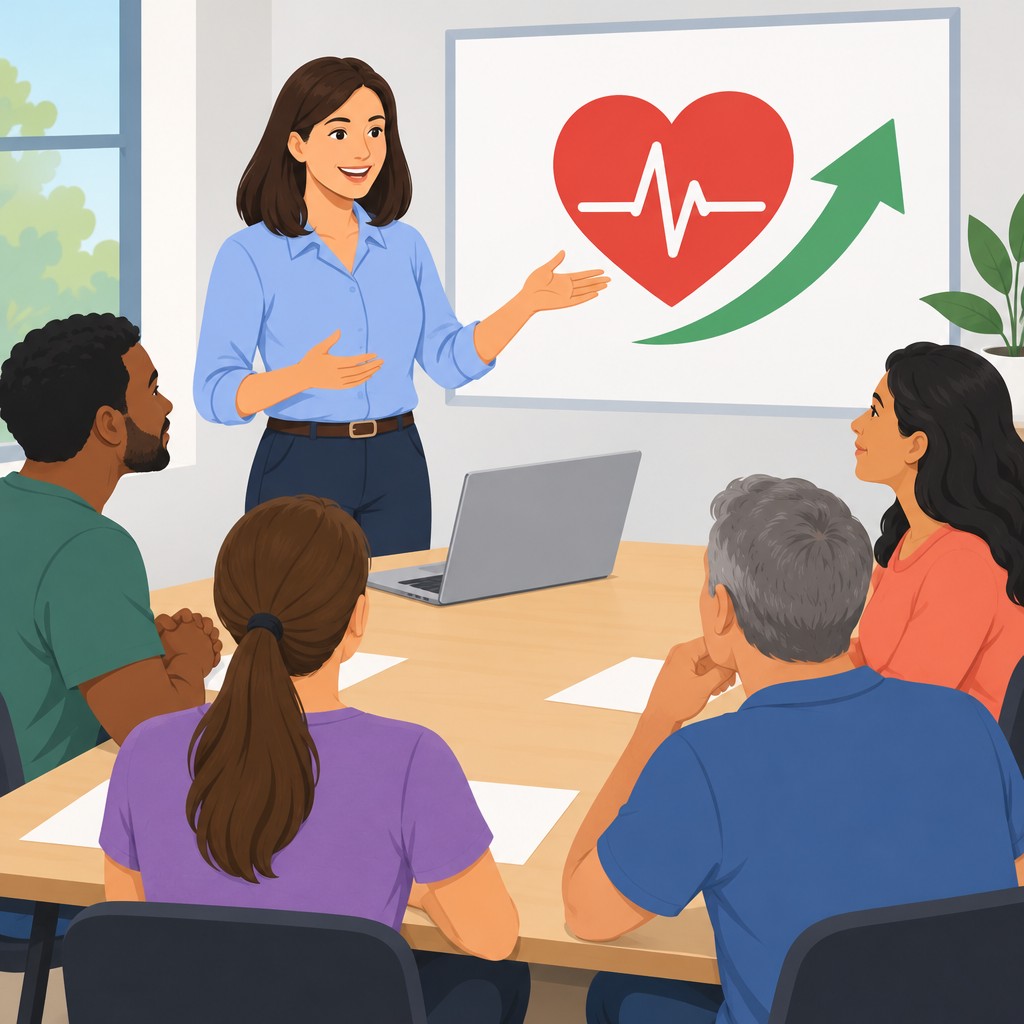
Storytelling in Health Education
Storytelling can make health education content more engaging, memorable, and impactful.
People often connect deeply with relatable and emotional stories.
These connections can encourage audiences to consider positive health choices.
Real Stories and Patient Experiences
Real-life stories can humanize information about different health issues.
Testimonials can show how people overcame challenges or benefited from health practices.
Case studies can present a patient’s journey in a relatable way.
Emotional Connections and Health Decisions
Health stories can illustrate how decisions affect individuals and communities.
Stories about unhealthy habits can make potential consequences feel personal.
Stories about positive changes can help audiences relate to useful information.
Storytelling Techniques for Clearer Content
A clear narrative structure can make complex health information easier to follow.
Characters can help readers connect with the experiences described.
Suspense can maintain attention while facts and statistics unfold.
Framing facts within a compelling story can make information more memorable.
Discover More: Technology and Youth Work: Leveraging Digital Tools
Interactive Participation in Health Education
Interactive health education content encourages audiences to participate actively in the learning process.
Transform Your Career Today
Unlock a personalized career strategy that drives real results. Get tailored advice and a roadmap designed just for you.
Start NowQuizzes, polls, and surveys can make educational experiences more engaging and participatory.
Discussion, feedback, and questions can also help audiences develop a stronger sense of community.
- Use quizzes to check understanding and encourage active participation.
- Add polls to invite opinions and maintain audience interest.
- Use surveys to gather feedback about the learning experience.
- Create discussion opportunities where audiences can share questions and feedback.
- Include user-generated content to encourage audience involvement.
- Share testimonials to present relatable experiences and perspectives.
These interactive elements help audiences engage directly with health education content.
Furthermore, audience questions and feedback can support ongoing conversations around health topics.
User-generated content can make educational messages more relatable and encourage people to share their experiences.
Testimonials can also strengthen trust by presenting real-life perspectives within the educational experience.
Therefore, combining participation, discussion, and shared experiences can create a more dynamic learning environment.
Delve into the Subject: Common Tools Used by Mental Health Technicians
Collaborating With Experts and Influencers
Partnering with health professionals, influencers, and organizations adds expertise and credibility to health education content.
These collaborators can introduce specialized knowledge and fresh perspectives.
Additionally, their participation can help your content reach broader audiences.
- Partner with health professionals, influencers, and organizations to strengthen content credibility.
- Feature guest experts through interviews, webinars, or guest blog posts.
- Use collaborators’ reach to expand your audience and enhance content authority.
Feature guest experts through interviews, webinars, or guest blog posts.
These formats give audiences diverse viewpoints and expert opinions.
Consequently, guest contributions can add depth and variety to your content.
Furthermore, collaborations can attract new followers and engage wider demographics.
By associating your brand with reputable experts, you reinforce content trustworthiness.
This approach supports reliable health education when accuracy and credibility matter.
Provide Actionable Steps and Resources
Actionable guidance helps audiences turn health information into practical changes.
Offer clear tips and strategies that support informed decisions about personal well-being.
Additionally, provide resources that help readers apply each recommendation.
- Offer practical tips, strategies, and resources that empower audiences to manage their health.
- Break complex health information into simple steps and guidelines that readers can follow.
- Include reputable sources, tools, and support networks that reinforce the guidance.
Simple instructions make health education easier to use in daily life.
Instead of technical jargon, explain each idea with direct and familiar language.
For example, share balanced meal planning tips rather than detailed calorie-counting explanations.
Readers can then connect the advice with choices they make each day.
Furthermore, resources can extend learning beyond the original content.
Direct audiences toward trustworthy websites, apps, or online communities when appropriate.
For stress management topics, mention meditation apps, relaxation techniques, or mental health hotlines as possible support resources.
These options give readers practical ways to continue their health education journey.
Clear next steps help audiences participate actively in their own well-being.
Strategies for Engaging Health Education Content
Creating engaging health education content requires careful planning and execution.
Storytelling techniques, visual aids, and practical tips can capture the audience’s attention.
Accuracy, relevance, and interactivity help health communication maintain credibility and encourage meaningful audience engagement.
Therefore, fact-check information and tailor content to your audience’s needs and interests.
Apply these tips and techniques to strengthen your health education efforts.
This approach can improve messaging impact and empower individuals to make informed health decisions.
Together, health educators can create engaging content that supports positive behavior change and better health outcomes.
Additional Resources
Google search results for How to Create Engaging Health Education Content Social and Human Services
Bing search results for How to Create Engaging Health Education Content Social and Human Services


