




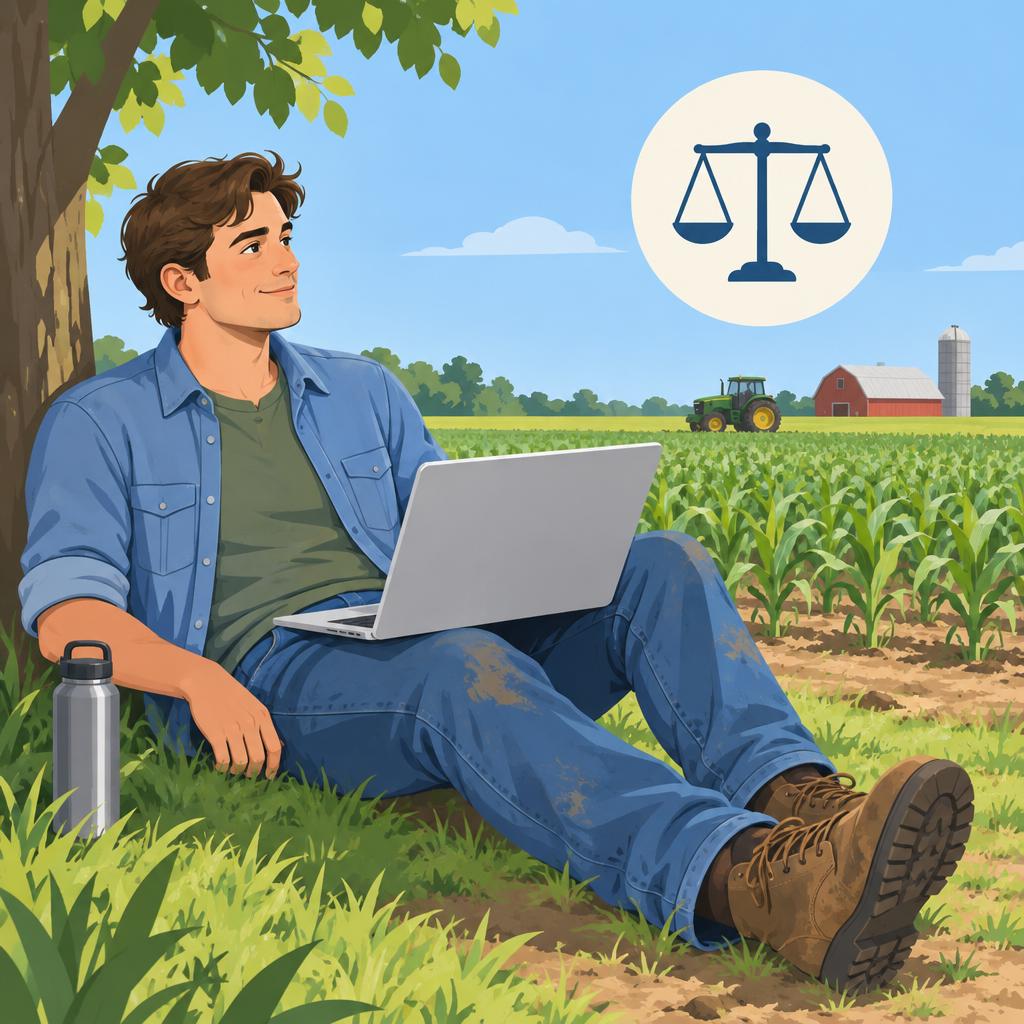
Agricultural laborers need work-life balance to support a healthy lifestyle.
They must balance job responsibilities with personal well-being.
However, demanding agricultural work often makes that balance difficult.
Benefits of Work-Life Balance for Agricultural Laborers
- Work-life balance helps agricultural laborers manage job responsibilities alongside personal needs.
- Additionally, balance supports physical health by lowering stress and reducing burnout.
- It also strengthens mental health by giving workers time to relax and recharge.
- Workers can spend quality time with loved ones when their schedules allow personal time.
- Furthermore, balanced workers often focus better and complete tasks more efficiently.
- Finally, strong balance can increase job satisfaction and reduce worker turnover.
Time Management Techniques
Time management helps agricultural laborers organize duties while protecting personal time.
- Prioritize tasks: List important duties first, then complete them before handling less significant work.
- Create a daily schedule: Set time blocks for work, personal activities, and regular breaks.
- Set clear boundaries: Manage expectations and decline extra tasks when they threaten personal time.
These techniques help agricultural laborers manage daily responsibilities with greater structure and consistency.
Delve into the Subject: Impact of Climate Change on Plant Diseases
Stress Management Strategies
Working in agriculture can be physically and mentally demanding, especially during busy farming seasons.
Stress management helps workers protect their well-being while handling demanding agricultural responsibilities.
Several practical strategies can reduce pressure and support a healthier daily routine.
Ways to Reduce Stress Levels
Simple adjustments can make demanding work feel more manageable.
A consistent routine helps workers organize responsibilities and reduce feelings of overwhelm.
Additionally, shared responsibilities and regular pauses can help workers manage daily demands.
- Establish a routine to organize responsibilities and reduce feelings of overwhelm.
- Delegate tasks by asking for help or assigning responsibilities to others.
- Take short breaks throughout the day to rest and recharge.
- Set realistic goals and prioritize duties to manage unfinished work.
Relaxation and Self-Care Techniques
Relaxation practices give workers opportunities to recover after demanding tasks.
Physical activity can support well-being, while mindfulness can calm the mind and body.
Furthermore, sufficient sleep and enjoyable hobbies can encourage meaningful recovery.
- Exercise regularly to help reduce stress and support overall well-being.
- Practice mindfulness through meditation or deep breathing exercises.
- Get enough sleep to remain rested and prepared for each day.
- Engage in hobbies that help you unwind after a long workday.
Support for Mental Well-Being
Support from trusted people can make stressful experiences easier to manage.
Family, friends, counselors, therapists, and support groups can provide understanding and perspective.
Seeking assistance can help workers address overwhelming stress and protect their mental health.
- Lean on family and friends by discussing your feelings with them.
- Consider professional help when stress becomes overwhelming.
- Join a support group to connect with people facing similar challenges.
- Practice self-care through journaling or enjoyable hobbies.
Managing stress supports health, productivity, and a more balanced life.
By using these strategies, agricultural workers can better cope with demanding work.
Gain More Insights: Challenges Faced by Plant Pathologists
Setting Boundaries Between Work and Personal Life
Farm work can make personal boundaries difficult to maintain.
Physical and mental separation helps workers protect time away from job duties.
Use the following practices to distinguish working hours from personal hours.
- Create a designated work area to distinguish work activities from personal time.
- Establish clear work hours and avoid extending them into personal time.
- Turn off work notifications and check messages only during selected times.
- Engage in personal hobbies to relax and recharge outside working hours.
Strategies for Unplugging During Off-Hours
Off-hours deserve protection from work-related responsibilities.
Clear availability rules help colleagues understand when you will respond.
Meanwhile, calming routines and personal plans can redirect attention toward life beyond work.
- Set boundaries with colleagues by communicating when you remain unavailable.
- Create a wind-down routine with activities such as walking or meditation.
- Limit work-related activities by avoiding emails and messages during off-hours.
- Plan activities with loved ones to shift attention away from work responsibilities.
Benefits of Clear Work and Personal Boundaries
Clear boundaries support both well-being and effective work.
Separating responsibilities can reduce stress and help prevent burnout.
Furthermore, protected personal time can strengthen relationships and support focused work.
- Improved mental health can result from separating work responsibilities and personal time.
- Increased productivity may follow when workers focus fully during designated work periods.
- Better work-life balance allows time for both professional duties and personal needs.
- Enhanced relationships can develop when workers prioritize time with loved ones.
Discover More: Plant Pathologists and Disease Resistance Breeding
Technology can help agricultural laborers complete tasks more efficiently.
It can also organize information, support coordination, and provide timely updates during farm activities.
However, workers should control technology use so digital tools do not extend work into personal time.
Technology for Efficient Agricultural Work
Farm management software can organize tasks and deadlines in one accessible location.
GPS tools can guide precise planting and harvesting activities.
Additionally, automation and connected devices can support repetitive work and provide current crop or livestock information.
- Farm management software can track tasks and deadlines.
- GPS technology can support precise planting and harvesting.
- Online scheduling tools can organize work activities more effectively.
- Automation can reduce the time required for repetitive tasks.
- Internet-connected devices can monitor crops and livestock in real time.
Digital Tools for Managing Tasks and Time
Task management apps can help workers arrange daily priorities and track progress.
Time tracking tools can show how workers spend their hours.
Weather and communication apps can help teams coordinate activities around changing conditions.
Transform Your Career Today
Unlock a personalized career strategy that drives real results. Get tailored advice and a roadmap designed just for you.
Start Now- Trello and Asana can organize daily tasks and priorities.
- Toggl and Harvest can monitor working hours.
- Weather forecasting apps can guide planning around weather conditions.
- Slack and Microsoft Teams can support team communication.
- QuickBooks and FreshBooks can help manage work-related expenses.
Limits That Protect Personal Time
Technology remains useful only when workers apply it with clear limits.
Work hours and notification settings can protect time away from job duties.
Furthermore, offline activities can help workers disconnect and relax after work.
- Workers should establish work hours and follow them consistently.
- Designated email periods can prevent constant work-related interruptions.
- Separate work and personal devices can strengthen digital boundaries.
- The “Do Not Disturb” feature can block notifications during personal time.
- Technology-free activities can help workers unwind and relax.
Used thoughtfully, technology can improve efficiency while supporting healthier separation between work and personal time.
Workers can therefore gain digital support without allowing technology to control their schedules.
See Related Content: How Quality Inspectors Ensure Compliance with Regulations
Establishing Healthy Habits
A healthy lifestyle includes proper nutrition and regular exercise.
Nutritious meals provide energy for physical labor.
Regular exercise helps workers stay physically fit.
- Start your day with a nutritious breakfast to fuel your body for a day of physical labor.
- Include a variety of fruits, vegetables, whole grains, and lean proteins in your meals.
- Stay hydrated throughout the day by drinking plenty of water, especially in hot weather.
- Limit your intake of sugary drinks, processed foods, and high-fat snacks.
- Make time for regular exercise, such as walking, cycling, or strength training, to stay physically fit.
Rest and Sleep Priorities
Getting enough rest requires workers to prioritize sleep.
A consistent sleep schedule supports regular rest.
A relaxing bedtime routine prepares the body for sleep.
- Establish a consistent sleep schedule by going to bed and waking up at the same time every day.
- Create a relaxing bedtime routine to signal to your body that it is time to wind down.
- Avoid caffeine, heavy meals, and screens before bed to improve the quality of your sleep.
- Invest in a comfortable mattress and pillows to ensure a restful night’s sleep.
- If possible, take short naps during the day to recharge and combat fatigue.
Benefits of Regular Breaks and Relaxation
Regular breaks give workers time to stretch and rest.
Scheduled downtime creates opportunities for hobbies, relationships, and relaxation.
Mindfulness and deep breathing can promote mental well-being.
- Take short breaks throughout the day to stretch, walk around, and give your mind a rest from work.
- Schedule regular downtime to engage in hobbies, spend time with loved ones, or simply relax.
- Practice mindfulness or deep breathing exercises to reduce stress and promote mental well-being.
- Consider incorporating yoga or meditation into your routine to improve flexibility and relaxation.
- Disconnect from electronic devices during breaks to fully rest and recharge your mind and body.
Finding Support Systems
A strong support system helps agricultural laborers manage work demands and personal responsibilities.
Support from peers, organizations, and mentors can provide practical guidance during difficult periods.
These connections also help workers address challenges within the agricultural community.
Connections with Peers
Reach out to agricultural workers who understand your experiences and workplace challenges.
Local agricultural groups can help you connect with people who share similar responsibilities.
Online forums also provide opportunities to exchange support and practical advice.
Employee Assistance Programs
Many agricultural organizations offer employee assistance programs for work-life concerns.
These programs may provide resources and support for various workplace or personal issues.
Use these services whenever they are available through your agricultural organization.
Mentorship within Agriculture
A mentor within the agricultural community can offer guidance about work-life balance.
Experienced mentors can share advice as you manage career responsibilities.
Their insights can support your decisions while you navigate agricultural work.
Resources for Agricultural Workers
Research available resources before challenges become difficult to manage.
Local organizations and agencies may provide assistance for agricultural workers.
Trusted people and professionals can also help you identify appropriate support.
Researching Available Resources
Take time to research assistance programs available to agricultural laborers in your area.
Look for organizations that specialize in supporting workers within the agricultural sector.
Agencies with agricultural experience may better understand the challenges you face.
Reaching Out for Help
Ask for help when work-related stress, financial difficulties, or personal issues arise.
Trusted friends and family members can provide encouragement during difficult situations.
Mental health professionals can offer additional support when personal challenges feel overwhelming.
Advocating for Better Work-Life Balance
Advocating for your needs can encourage healthier workplace expectations.
Clear communication helps supervisors and colleagues understand the challenges you face.
Practical boundaries can also protect time for personal activities and recovery.
Communicating Your Needs
Tell your agricultural organization when you need better work-life balance.
Transform Your Career Today
Unlock a personalized career strategy that drives real results. Get tailored advice and a roadmap designed just for you.
Start NowDiscuss workplace challenges with supervisors and colleagues openly.
Explain the support you need to maintain balance between work and personal life.
Maintaining Personal Boundaries
Establish clear boundaries between work responsibilities and personal time.
Avoid bringing work-related tasks home whenever possible.
Instead, make time for activities that help you recharge outside work hours.
Support systems, available resources, and personal advocacy can help agricultural laborers manage demanding work.
These approaches also help workers protect meaningful time away from agricultural responsibilities.
By seeking support, workers can strengthen their ability to manage work and personal needs.
Sustaining Well-Being Through Work-Life Balance
Work-life balance supports agricultural laborers’ long-term well-being.
Therefore, workers should treat self-care as an essential part of their daily lives.
Clear boundaries can help them protect personal time and reduce the risk of burnout.
Meanwhile, consistent attention to personal needs can support physical and mental health.
These choices can also help workers feel more fulfilled in their professional and personal lives.
Furthermore, a balanced routine may help workers maintain productivity without sacrificing satisfaction.
Each laborer can begin by making practical changes that fit personal circumstances.
Over time, those changes can encourage a healthier and more fulfilling lifestyle.
By valuing personal well-being, agricultural workers can strengthen both their daily lives and their work experience.
Additional Resources
Google search results for Work-Life Balance Tips for Agricultural Laborers Agricultural
Bing search results for Work-Life Balance Tips for Agricultural Laborers Agricultural


