




Introduction
Food Science Research: Food science research examines food composition, processing, and safety.
Importance: Food science research supports food safety, quality, and innovation in the evolving food industry.
Current Trends and Discoveries: Recent advancements in food science research have produced groundbreaking discoveries.
Core Objectives of Food Science Research
Food science research addresses challenges across the food industry.
It helps researchers understand food, improve production, and support safer food systems.
Additionally, researchers pursue practical solutions that strengthen quality, sustainability, and food security.
- Understanding food composition and properties
- Improving food processing techniques and technologies
- Enhancing food safety and quality
- Developing innovative and sustainable food products
- Addressing global food security issues
Interdisciplinary Foundations of Food Science
Food science connects biology, chemistry, physics, engineering, and nutrition.
These disciplines help researchers examine food from molecular structure through human health effects.
Moreover, collaboration lets scientists evaluate food properties, processing methods, nutrition, and safety together.
Food Scientists and Food System Improvement
Food scientists help protect consumers and improve the food supply.
They assess hazards, follow safety standards, and develop methods for detecting foodborne pathogens.
They also evaluate flavor, sensory qualities, and production practices to improve food quality and sustainability.
- Ensuring compliance with food safety regulations and standards
- Conducting risk assessments for potential production hazards
- Developing techniques to detect and reduce foodborne pathogens
- Improving food quality through flavor profiling and sensory analysis
- Promoting sustainable food production and processing practices
Research Contributions to Future Food Systems
Through research, food scientists drive innovation in safe, nutritious, and environmentally responsible products.
Their work addresses emerging challenges while supporting continued progress across food systems.
Consequently, scientific expertise helps shape future approaches to food production, safety, and sustainability.
Current Trends in Food Science Research
Food science research currently examines emerging ingredients, nutrition strategies, and technologies.
These trends respond to changing consumer interests and ongoing food industry needs.
Researchers continue developing practical approaches that improve food quality and nutritional value.
Plant-Based Proteins and Alternative Protein Sources
Plant-based proteins have gained popularity because of health and environmental concerns.
Meanwhile, researchers explore pulses, nuts, and seeds as alternative protein sources.
Food scientists focus on improving the taste, texture, and nutritional profile of plant-based proteins.
They are also developing innovative protein sources for the growing market.
Therefore, interest in plant-based proteins will likely continue rising in coming years.
Personalized Nutrition and Functional Foods
Personalized nutrition is gaining momentum as people seek customized diet plans.
Functional foods provide health benefits beyond basic nutritional requirements.
Researchers study individual nutritional needs and develop tailored dietary solutions.
Furthermore, nutrigenomics examines how genes interact with nutrients.
Consumer demand for wellness continues driving personalized nutrition and functional food research.
Food Microbiology and Food Biotechnology
Food microbiology examines microorganisms in food and their effects on safety and quality.
Researchers use microbiology findings to develop strategies that prevent foodborne illnesses.
Meanwhile, food biotechnology improves food texture, flavor, and shelf life.
Biotechnology also enhances nutritional value and supports the creation of biofortified foods.
Together, food microbiology and biotechnology support innovation throughout food science research.
Explore Further: Livestock Health Management Strategies
Discoveries in Food Science Research
Recent discoveries have changed how researchers process, package, preserve, and analyze food.
These breakthroughs have improved food quality and safety.
They have also created new possibilities for innovation and sustainability.
- Recent food processing techniques and technologies
- Breakthroughs in food packaging and preservation methods
- Innovative research in food chemistry and sensory analysis
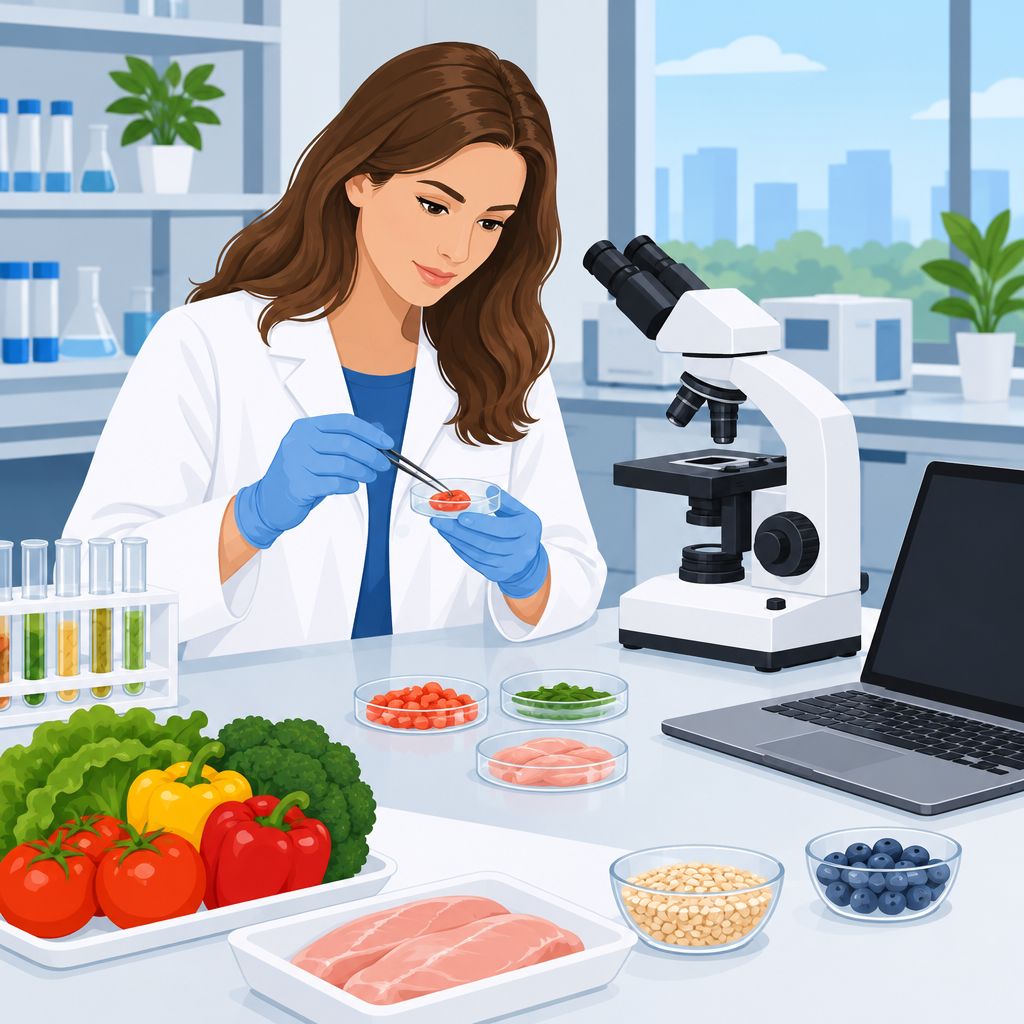
Recent Discoveries in Food Processing
Researchers have developed methods that extract nutrients more efficiently from food.
These methods also help preserve freshness and improve flavor and texture.
High-pressure processing provides a non-thermal approach for extending food shelf life.
Transform Your Career Today
Unlock a personalized career strategy that drives real results. Get tailored advice and a roadmap designed just for you.
Start NowThis technology preserves nutritional content while maintaining product quality.
It supports fresh juices, deli meats, and ready-to-eat meals.
Breakthroughs in Food Packaging and Preservation
Packaging innovations have helped extend the shelf life of perishable foods.
These advances reduce food waste and support improved food safety.
Nanotechnology has enabled antimicrobial packaging that inhibits harmful bacterial growth.
This approach helps preserve the freshness of fruits and vegetables.
Edible coatings made from natural ingredients also protect food from spoilage and contamination.
Innovative Research in Food Chemistry and Sensory Analysis
Food chemistry research examines how compounds interact within food products.
Sensory analysis evaluates how those interactions affect taste, aroma, and texture.
This research supports the development of healthier and more flavorful food options.
Studies of umami perception have identified compounds that enhance savory flavor.
These compounds may reduce the need for added salt or artificial flavor enhancers.
Consequently, this research may support lower sodium intake and improved nutritional profiles.
Future Directions for Food Innovation
Food science discoveries continue to influence how people produce and enjoy food.
These advancements support the search for sustainable and nutritious food options.
Researchers will continue exploring possibilities that shape the future food supply.
You Might Also Like: Common Misconceptions About Plant Pathology
Future Directions in Food Science Research
As food science research advances, several developments will influence future work and industry practices.
These developments include artificial intelligence, sustainability efforts, and genomics in food production.
Together, they can guide research toward more efficient and resilient food systems.
Potential Impact of Artificial Intelligence and Machine Learning
- Researchers can use AI and machine learning to streamline processes and analyze extensive datasets efficiently.
- These technologies can support new product development, production optimization, and food safety evaluation.
- Additionally, predictive analytics can identify consumer preferences, improve supply chains, and reduce food waste.
- Machine learning can also support personalized nutrition recommendations based on individual needs and preferences.
Growing Importance of Food Sustainability and Waste Reduction
- Population growth makes food sustainability and waste reduction increasingly important research priorities.
- Researchers are developing sustainable agricultural practices, reducing carbon footprints, and promoting circular economy models.
- They also aim to limit food loss during production, distribution, and consumption.
- Meanwhile, food sharing platforms and upcycling techniques offer innovative approaches to waste reduction.
Role of Genomics and Gene Editing in Food Production
- Genomics and gene editing are reshaping food production through crop improvement and disease resistance.
- Genomics research can identify traits linked to desirable characteristics, nutritional content, and environmental resilience.
- Gene editing techniques such as CRISPR/Cas9 may accelerate crop breeding and reduce pesticide dependence.
- Researchers can use genetic information to develop crops with improved nutrition and taste profiles.
These directions show how emerging tools can address global food challenges.
By combining technological progress with sustainability goals, researchers can support a more efficient food system.
This approach can help shape future food production while responding to changing global needs.
Delve into the Subject: The Importance of Pruning in Vineyards
Challenges in Food Science Research
Identifying key challenges helps the food science research community advance the field.
Food science researchers must keep pace with rapidly changing technology and innovation.
Meanwhile, they must protect food safety and quality within a globalized market.
- Keeping up with rapidly changing food technology
- Adapting to new trends in food science
- Ensuring food safety and quality in a globalized market
Ethical Considerations in Food Technology
Ethical questions about genetic modification require careful attention.
As technology advances, researchers assess potential risks and benefits in food production.
Therefore, regulators and scientists must balance innovation with consumer safety and health concerns.
- Debating the ethical implications of genetic modification
- Balancing innovation with consumer safety and health concerns
- Regulating the use of genetically modified organisms in food products
Collaboration and Funding for Food Science Research
Collaboration and funding help researchers address complex food science challenges.
Because resources remain limited, scientists must work with industry and government agencies.
Interdisciplinary research also supports work on food safety, sustainability, and nutrition.
- Promoting collaboration among scientists, industry, and government agencies
- Securing funding for research on food science and technology
- Supporting interdisciplinary research to address complex food science challenges
These challenges require coordinated action across the food science community.
Through collaboration and innovation, researchers can advance understanding of food science.
Find Out More: Agricultural Economists: Challenges and Opportunities
Food Science Research and Industry Progress
Food science research helps shape the food industry’s future.
It enhances food quality, safety, and sustainability.
Furthermore, current research helps consumers make informed decisions about the food they consume.
Society must support food science research to address food security and nutrition challenges.
Transform Your Career Today
Unlock a personalized career strategy that drives real results. Get tailored advice and a roadmap designed just for you.
Start NowContinued research also encourages innovative products that meet changing consumer preferences and health needs.
These developments can strengthen the food industry while supporting broader social progress.
Ultimately, food science research drives innovation and creates positive impacts throughout society.
Additional Resources
Google search results for Food Science Research: Current Trends and Discoveries Agricultural
Bing search results for Food Science Research: Current Trends and Discoveries Agricultural


