




Introduction
Biodiversity loss and climate change have intensified the need for conservation science jobs in public and private sectors.
Conservation science addresses environmental issues by studying and protecting ecosystems and wildlife.
Comparing public and private roles reveals different approaches to preserving the planet’s biodiversity.
Overview of Public Sector Conservation Science Jobs
Government agencies like the EPA, NOAA, and US Fish and Wildlife Service play crucial roles in conservation.
These agencies enforce environmental regulations and monitor wildlife populations.
They also conduct research that supports conservation efforts.
- Public sector projects address habitat restoration, pollution control, and endangered species conservation.
- These jobs offer security, retirement benefits, healthcare coverage, and career advancement opportunities.
Private Sector Conservation Science Jobs
Private sector conservation science jobs offer several pathways for professionals.
Environmental consulting firms, nonprofit organizations, and private companies support conservation efforts.
These workplaces provide varied projects involving research, planning, advocacy, and sustainable development.
Environmental Consulting Firms
- Consultants serve government agencies, corporations, and nonprofit organizations with environmental expertise.
- They assess environmental impacts, manage resources, support sustainable development, and address regulatory compliance.
- Additionally, consultants conduct field studies and develop conservation plans for natural habitats.
Nonprofit Conservation Organizations
- Nonprofit organizations protect and preserve wildlife, habitats, and ecosystems.
- They collaborate with government agencies, local communities, and other stakeholders on conservation projects.
- Professionals conduct research, advocate for conservation, provide education, and support community outreach.
Private Conservation Companies
- Eco-friendly businesses, sustainable development firms, and green technology companies employ conservation professionals.
- These companies develop solutions for environmental challenges, including renewable energy and waste reduction.
- As companies prioritize sustainability, they increasingly seek conservation science expertise.
Career Growth in the Private Sector
Private sector organizations offer diverse opportunities to create tangible environmental impacts.
Professionals may receive higher salaries and experience faster career progression than public sector employees.
Furthermore, dynamic organizations often emphasize innovation and efficiency in conservation efforts.
Professionals can choose consulting firms, nonprofit organizations, or private companies.
Each setting offers varied projects and initiatives that support meaningful conservation outcomes.
These roles also help professionals advance their careers while contributing to environmental stewardship.
See Related Content: How Agricultural Consultants Help with Risk Management
Public Sector Conservation Responsibilities
- Government conservation scientists research and implement programs for natural resource management.
- Meanwhile, they monitor ecosystem health through fieldwork and analyze data for conservation strategies.
- They also collaborate with government agencies, NGOs, and local communities.
- Furthermore, legal frameworks and environmental policies guide their decisions and regulatory responsibilities.
- Finally, conservation scientists help develop policies and advocate sustainable practices among decision-makers.
Public Sector Conservation Challenges
- However, funding constraints can limit the scope and effectiveness of public conservation efforts.
- Additionally, bureaucratic processes may delay decisions and restrict innovative conservation strategies.
- Conservation scientists must balance competing interests and priorities within complex government environments.
- Limited resources and staffing shortages can prevent agencies from addressing urgent conservation issues quickly.
- Public scrutiny and stakeholder pressure may also influence conservation priorities and government decisions.
- Despite these challenges, public conservation scientists protect biodiversity, natural resources, and sustainable development.
Discover More: Job Outlook for Agricultural Technicians
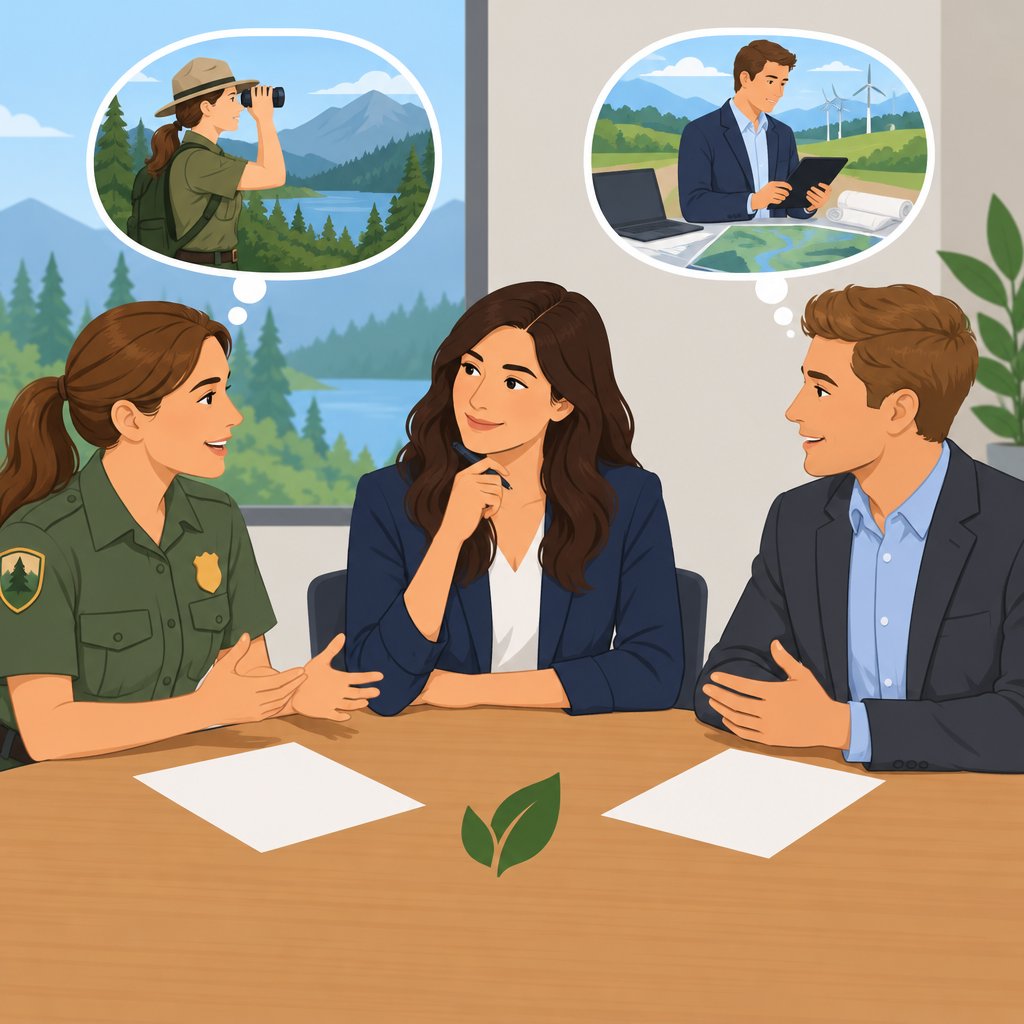
Private Sector Conservation Responsibilities
Private organizations provide conservation scientists with varied professional roles.
These professionals often focus on innovation, creativity, and efficient project delivery.
Additionally, private projects emphasize direct environmental impact and faster implementation.
Research and Development
Conservation scientists investigate techniques and technologies that can improve conservation outcomes.
They develop practical solutions for environmental challenges through focused research.
Moreover, interdisciplinary collaboration helps teams advance conservation efforts.
- Scientists conduct research to identify new conservation techniques and technologies.
- They develop innovative solutions for environmental challenges.
- They collaborate with interdisciplinary teams to advance conservation efforts.
Project Management
Project managers coordinate conservation initiatives from initial planning through final evaluation.
They balance schedules, budgets, resources, and project requirements throughout implementation.
Consequently, regular tracking helps teams identify progress and improve project results.
- Scientists oversee the planning, execution, and monitoring of conservation projects.
- They ensure projects meet deadlines and remain within budget constraints.
- They track progress and evaluate outcomes to measure project success.
Stakeholder Engagement
Conservation scientists build productive relationships with organizations and communities.
They coordinate with partners to combine resources and strengthen conservation initiatives.
Furthermore, community participation supports culturally sensitive and sustainable project decisions.
- Scientists build relationships with government agencies, NGOs, and local communities.
- They collaborate with partners to leverage resources and maximize conservation impact.
- They engage communities to support culturally sensitive and sustainable projects.
Policy Advocacy
Private sector conservation scientists support policies that advance sustainability.
They review legislative developments and assess their environmental implications.
Through policy engagement, they help decision-makers consider conservation priorities.
- Scientists advocate for policies that promote sustainability and conservation.
- They monitor legislative developments and provide input on environmental regulations.
- They work with officials to include conservation priorities in decisions.
Monitoring and Evaluation
Monitoring programs help scientists determine whether conservation initiatives achieve intended results.
Teams collect and analyze data about biodiversity and ecosystem conditions.
They then use evidence to refine strategies and improve future outcomes.
- Scientists develop monitoring programs to assess conservation effectiveness.
- They analyze data to measure project effects on biodiversity and ecosystems.
- They use evaluation results to make informed strategic decisions.
Business Development
Business development connects conservation expertise with new projects and partnerships.
Scientists prepare proposals that support funding requests for conservation initiatives.
They also negotiate agreements that advance organizational and environmental goals.
- Scientists identify opportunities for conservation projects and partnerships.
- They develop proposals and secure funding for conservation initiatives.
- They negotiate contracts and agreements with clients and stakeholders.
Communication and Outreach
Effective communication helps organizations explain conservation challenges and potential solutions.
Outreach activities connect conservation scientists with the public and other stakeholders.
Transform Your Career Today
Unlock a personalized career strategy that drives real results. Get tailored advice and a roadmap designed just for you.
Start NowEducation can encourage behavior changes that support a sustainable future.
- Scientists develop communication strategies that raise awareness about conservation issues.
- They engage audiences through events, campaigns, and social media.
- They educate stakeholders about conservation and encourage sustainable behavior.
Professional Impact in Private Organizations
These responsibilities create a dynamic range of conservation science opportunities.
Private organizations allow scientists to apply innovation through focused projects and efficient implementation.
As a result, conservation professionals can address environmental issues through direct project involvement.
See Related Content: Understanding Soil Types for Grape Growing
Skills and Qualifications Needed in the Public Sector
Public sector conservation roles require relevant academic qualifications.
Professionals also benefit from specialized knowledge in conservation fields.
Communication, teamwork, problem-solving, and ongoing training support success in these roles.
Required Academic Qualifications
- A degree in environmental science typically meets this qualification.
- A degree in biology can also meet this qualification.
- Specialized knowledge in forestry, wildlife biology, or conservation biology provides an advantage.
Communication, Teamwork, and Problem-Solving Skills
- Effective communication supports collaboration with colleagues and stakeholders.
- Teamwork helps professionals coordinate conservation efforts and complete projects successfully.
- Problem-solving skills help professionals address complex environmental challenges.
Professional Development and Training Opportunities
- Government agencies often provide ongoing training to strengthen employee skills.
- Workshops, seminars, and certifications can support professional development.
- Continuing education helps employees stay current with advances in conservation science.
Uncover the Details: Public Outreach: Entomologists Educating the Community
Skills and Qualifications for Private Sector Conservation Careers
Private sector conservation careers require technical expertise, business awareness, and strong professional relationships.
Relevant qualifications often include conservation training and demonstrated project management experience.
Project managers coordinate tasks, meet deadlines, and guide teams toward practical conservation goals.
Meanwhile, data analysis skills help professionals interpret evidence and support informed conservation decisions.
- Relevant qualifications include conservation training, project management experience, and data analysis skills.
- Networking connects professionals with stakeholders, industry peers, collaborators, and potential clients.
- Entrepreneurship encourages professionals to identify market gaps and develop innovative conservation solutions.
Additionally, networking can create opportunities for collaboration and future private sector projects.
Strong business acumen helps professionals understand market trends, financial planning, and strategic decision-making.
Effective client relations require clear communication, careful listening, and consistent delivery.
Professionals who understand client needs can build trust and support ongoing project relationships.
Furthermore, entrepreneurial thinking can help conservation scientists develop services that address unmet needs.
Independent research also allows professionals to explore ideas outside traditional academic or government settings.
Through independent studies, they can investigate conservation questions and contribute to scientific progress.
Combining technical knowledge, interpersonal ability, and initiative can strengthen private sector career development.
Career Considerations in Conservation Science
- Public sector jobs offer stability and benefits, while private sector jobs may provide higher salaries and faster advancement.
- Moreover, public and private organizations should collaborate to combine resources and expertise for stronger conservation results.
- Individuals should consider their career goals, priorities, and conservation values when choosing between public and private roles.
Additional Resources
Google search results for Public vs. Private Sector: Conservation Science Jobs Agricultural
Bing search results for Public vs. Private Sector: Conservation Science Jobs Agricultural


