




Conservation Scientists and Environmental Protection
Conservation scientists protect and preserve the planet by studying ecosystems, biodiversity, and natural resources.
They examine how human activities affect nature and develop strategies for sustainable conservation.
Their research reveals the delicate balance between natural systems and human interaction.
Consequently, their work supports the long-term health and vitality of the planet.
Education and Qualifications
Conservation scientists need appropriate education and qualifications to build strong professional foundations.
Academic training develops knowledge of ecosystems, natural resources, and environmental challenges.
Additionally, practical experience helps students apply classroom knowledge in conservation settings.
Bachelor’s Degree
- Employers typically require a bachelor’s degree in environmental science, biology, or a related field.
- This foundational education gives students a solid understanding of the natural world and ecosystems.
- Common courses include biology, chemistry, ecology, and environmental policy.
Master’s Degree or PhD
- Advanced conservation science positions often recommend a master’s degree or PhD.
- These degrees let professionals specialize in conservation biology or natural resource management.
- Graduate programs provide opportunities for research, fieldwork, and practical experience.
Relevant Coursework
- Coursework in ecology, conservation biology, and natural resource management remains essential.
- These subjects help students address environmental challenges and protect biodiversity.
- Fieldwork, internships, and research projects provide valuable practical experience.
Therefore, targeted education and practical training can support a successful conservation science career.
Experience and Skills
Conservation science requires practical experience, analytical ability, and strong communication skills.
These qualities help professionals address complex environmental issues.
Together, they support effective conservation work.
- Internships or volunteer work in conservation organizations
- Strong analytical and problem-solving skills
- Excellent communication skills for working with diverse groups
Internships and Volunteer Work
Internships and volunteer work offer valuable conservation science experience.
Established organizations provide hands-on opportunities in the field.
This experience shows you what the job entails and helps build valuable industry connections.
Look for opportunities with local environmental groups, research institutions, or government agencies.
Choose organizations that focus on conservation efforts.
Analytical and Problem-Solving Skills
Conservation scientists analyze data, identify trends, and develop solutions to complex environmental issues.
Strong analytical and problem-solving skills support success in this field.
You will interpret data, think critically, and develop innovative strategies.
These strategies help protect and preserve natural resources.
Communication Skills for Diverse Groups
Conservation scientists collaborate with government officials, community members, and environmental professionals.
Excellent communication skills help them convey ideas and build relationships.
These skills also support advocacy for conservation efforts.
Writing reports, giving presentations, and engaging in public outreach require clear communication.
Clear and persuasive communication can support positive impacts in conservation science.
Discover More: Understanding Loan Approval Processes in Agriculture
Networking and Building Connections
- Attend conferences and workshops related to conservation science.
- Join professional organizations such as the Society for Conservation Biology.
- Collaborate with other researchers and conservationists in the field.
Building strong professional connections supports a successful career in conservation science.
These relationships provide valuable insights, shared knowledge, and opportunities for meaningful collaboration.
First, attend conferences and workshops related to conservation science.
These events connect professionals, present current research, and encourage discussions about important conservation issues.
Additionally, joining professional organizations expands access to experts and practitioners committed to conservation work.
Such organizations often provide networking events, workshops, and resources that support professional development.
Furthermore, collaboration with researchers and conservationists can strengthen professional relationships.
Collaborators can share data, resources, and project responsibilities while contributing to conservation efforts.
Active engagement with the conservation community can expand knowledge, skills, and professional impact.
See Related Content: Understanding Plant Diseases and Pest Management
Research and Fieldwork
- Conduct research projects on biodiversity, habitat restoration, or wildlife conservation.
- Collect field data and monitor conservation efforts.
- Work with local communities to promote sustainable conservation practices.
Conservation scientists rely on research and fieldwork to understand ecological conditions.
These activities reveal threats to biodiversity and guide practical conservation strategies.
Scientists also collaborate with communities to support sustainable practices.
Conduct Research Projects
Conservation scientists conduct research on biodiversity, habitat restoration, and wildlife conservation.
Transform Your Career Today
Unlock a personalized career strategy that drives real results. Get tailored advice and a roadmap designed just for you.
Start NowThey gather data, analyze trends, and identify issues requiring attention.
This research clarifies relationships among species, ecosystems, and human activities.
Consequently, scientists develop strategies that protect endangered species and preserve valuable habitats.
Fieldwork for Data Collection
Conservation scientists collect data and monitor conservation efforts through fieldwork.
They observe wildlife, collect samples, and record environmental conditions.
These activities provide accurate information about ecosystems and species.
Population data, habitat assessments, and threat records help scientists evaluate conservation measures.
As a result, scientists can make informed decisions about future actions.
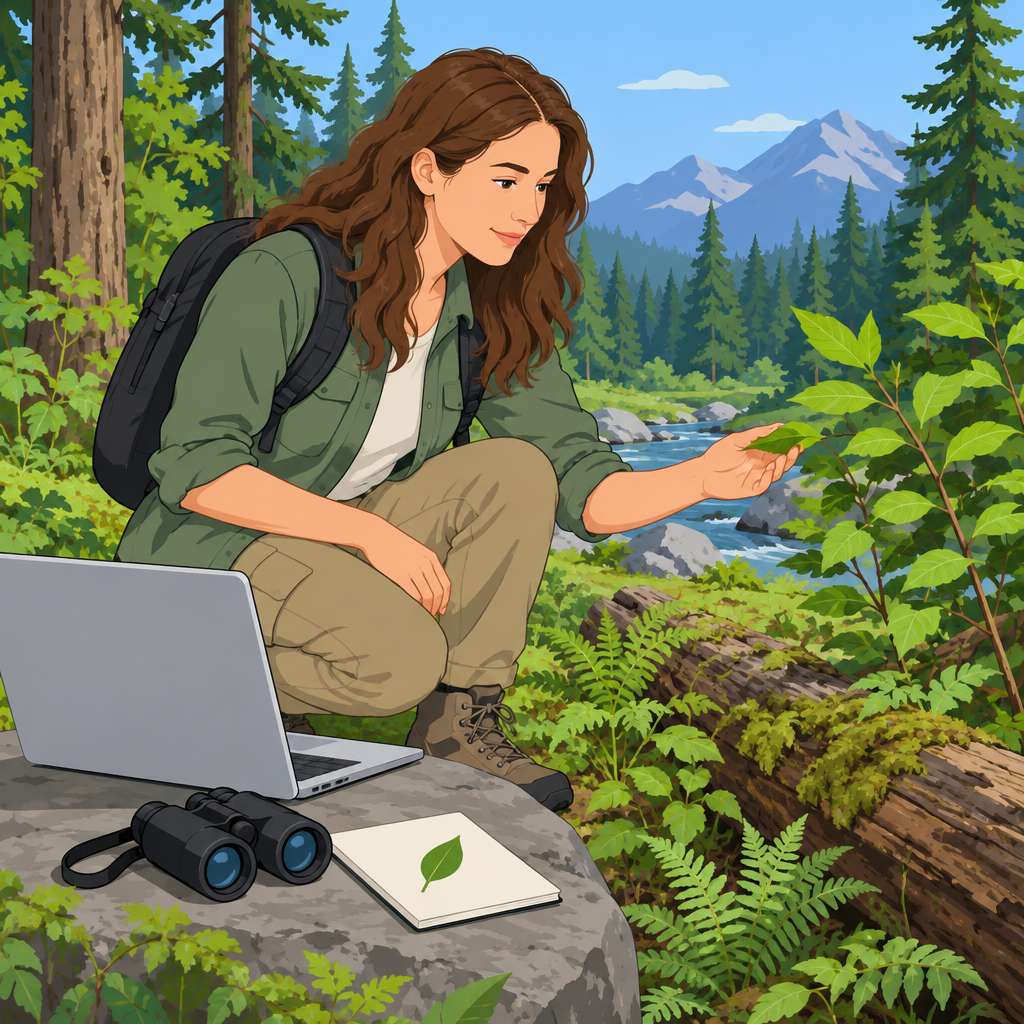
Work with Local Communities
Effective conservation depends on collaboration with local communities.
Scientists work with landowners, farmers, and indigenous groups on conservation initiatives.
These partnerships promote sustainable practices and increase awareness of environmental issues.
Community involvement helps scientists develop culturally sensitive, economically viable, and socially acceptable initiatives.
Furthermore, local knowledge can inform conservation strategies and strengthen community support.
Research, fieldwork, and collaboration enable scientists to protect biodiversity and restore habitats.
They also promote sustainable conservation practices across affected communities.
Uncover the Details: How to Succeed as a Quality Control Inspector in Farming
Job Opportunities and Career Growth
- Employment in government agencies, nonprofit organizations, research institutions, or consulting firms
- Advancement to senior research positions or management roles
- Specialization in marine conservation, climate change, or another focused area
Conservation science offers diverse roles across several sectors.
Professionals can work in government agencies, nonprofit organizations, research institutions, or consulting firms.
These settings provide different ways to apply conservation knowledge.
Additionally, experience can support advancement into senior research positions or management roles.
Experienced professionals may lead research teams, manage conservation projects, or oversee organizational operations.
Furthermore, specialists can focus on areas that match their interests and professional goals.
Possible areas include marine conservation, climate change, and biodiversity preservation.
This focused work allows conservation scientists to address specific environmental challenges.
Therefore, conservation scientists can build rewarding careers through dedication, experience, and focused expertise.
Explore Further: Top Tools Every Agricultural Laborer Should Have
Professional development helps aspiring conservation scientists stay current and advance their careers.
Several strategies can strengthen their knowledge, skills, and professional contributions.
Moreover, lifelong learning creates new opportunities to support conservation science.
Workshops, Seminars, and Learning Opportunities
- Attend conservation workshops and seminars to stay informed about current trends and practices.
- Participate in conferences and networking events to learn from other professionals and their experiences.
- Use online resources and webinars to expand your conservation science knowledge and skills.
Certifications and Specialized Training
- Pursue certifications in Geographic Information Systems or environmental policy to enhance your professional expertise.
- Choose specialized training programs that address specific areas of conservation science.
- Monitor technological developments and tools that can support your conservation science work.
Research Publication and Findings Presentation
- Conduct research projects and publish findings in scientific journals to contribute to conservation science knowledge.
- Present research at conferences and symposiums to share insights and receive expert feedback.
- Collaborate with colleagues and peers to gain new perspectives on conservation challenges.
Active professional development supports continued growth as a conservation scientist.
Sharing research findings also helps professionals make meaningful contributions to the field.
Preparing for Conservation Science Practice
Begin with a bachelor’s degree in environmental science, biology, or another related field.
An advanced degree, such as a master’s or Ph.D., can expand research opportunities and specialized conservation knowledge.
Hands-on experience through internships, volunteer work, or research assistant roles strengthens practical preparation.
Strong analytical and critical thinking skills help professionals assess environmental issues and design effective conservation strategies.
Maintaining Impact Through Continued Learning
Professionals can stay current by studying environmental trends, conservation techniques, and scientific advances.
Furthermore, conferences and research collaborations broaden knowledge and encourage connections with field professionals.
Fieldwork, data collection, and analysis enable scientists to contribute directly to conservation efforts.
These efforts help protect biodiversity, preserve ecosystems, and address pressing environmental challenges.
Consequently, conservation science can support a sustainable future for generations to come.
Transform Your Career Today
Unlock a personalized career strategy that drives real results. Get tailored advice and a roadmap designed just for you.
Start NowAdditional Resources
Google search results for How to Become a Conservation Scientist Agricultural
Bing search results for How to Become a Conservation Scientist Agricultural


