




Plant Disease and Pest Management
Understanding plant diseases and pest management supports effective agricultural production.
Farmers can identify, prevent, and control threats that harm their crops.
Plant diseases include fungal, bacterial, viral, and parasitic diseases.
- These diseases can reduce crop yields, cause economic losses, and result in complete crop failure.
- Additionally, insects, mites, and rodents can damage crops or spread diseases.
- Farmers should use crop rotation, resistant varieties, and integrated pest management strategies.
- Early detection helps prevent disease and pest spread while minimizing crop damage.
- Regular monitoring, timely interventions, and proper sanitation support effective management.
- Furthermore, knowledge of plant diseases and pests helps farmers protect crops and support food security.
- These practices also promote sustainable agricultural management.
Common Plant Diseases
Plant diseases such as powdery mildew, blight, and rust commonly affect gardens and farms.
These conditions can weaken plants and reduce their ability to grow.
Consequently, gardeners and farmers may encounter these diseases regularly.
Common Plant Disease Types
- Powdery mildew is a fungal disease that creates white powder on plant leaves.
- Blight results from various fungi and bacteria, causing dark spots on leaves.
- Rust is a fungal disease marked by orange-colored pustules on plant surfaces.
Symptoms of Common Plant Diseases
- Powdery mildew produces white powdery spots on leaves and may cause stunted growth.
- Blight causes dark spots, wilting, and eventual plant death.
- Rust creates orange pustules, yellowing, and premature leaf drop.
Effects on Crop Yields and Plant Health
These diseases can significantly reduce crop yields and weaken overall plant health.
Furthermore, affected plants become more susceptible to pests and environmental stressors.
As a result, disease can create additional challenges for maintaining healthy plants.
Recognizing Common Plant Pests
Aphids, caterpillars, and mites commonly damage crops and garden plants.
Watch for yellowing leaves, curled growth, holes, sticky residue, or fine webbing.
Untreated pests can reduce yields, stunt growth, spread diseases, or kill plants.
Identifying Specific Plant Pests
Inspect plants regularly to recognize pest activity before damage becomes severe.
Check new growth, leaf undersides, stems, flowers, and developing fruits carefully.
Early identification helps gardeners choose suitable management methods.
Aphids
- Aphids are small, soft-bodied insects that usually gather on new growth.
- They suck plant sap, which can cause stunted growth and distorted leaves.
- Honeydew on leaves may indicate aphids and can attract ants.
Caterpillars
- Caterpillars are butterfly and moth larvae that consume leaves, fruits, and flowers.
- Chewed leaves, skeletonized foliage, frass, and silk indicate their activity.
- Some caterpillars use camouflage or warning colors to avoid detection.
Mites
- Mites are tiny arachnids that suck sap from plant cells.
- Their feeding can create stippling, yellowing, or weakened leaves.
- Fine webbing often appears underneath leaves, especially during hot, dry conditions.
Managing Plant Pests
Integrated pest management combines several methods to protect plants.
Choose an approach that matches the pest and limits harm to beneficial organisms.
Monitor plants consistently so you can respond before infestations expand.
Cultural Controls
- Rotate crops to disrupt pest life cycles and reduce buildup in soil.
- Select pest-resistant varieties and maintain good garden hygiene.
- Remove infected plant parts and weeds to limit pest spread.
Mechanical Controls
- Handpick larger pests and place them in soapy water.
- Use row covers, screens, and sticky traps to exclude or capture pests.
- Prune infested parts and improve air circulation around plants.
Biological Controls
- Beneficial insects, including ladybugs and lacewings, prey on certain pests.
- Predatory mites can help control pest mite populations.
- Nematodes, fungi, microbial pesticides, and insecticidal soaps can target pests.
Chemical Controls
- Use pesticides only when necessary and follow label instructions carefully.
- Select products that target specific pests and protect non-target organisms.
- Rotate chemical classes to slow the development of pest resistance.
Maintaining Healthy Plants Through Regular Monitoring
Regular inspections help gardeners detect pest activity while populations remain manageable.
Combine preventive practices with suitable controls to protect crops and maintain plant growth.
Seek professional advice when pest problems continue despite consistent management efforts.
Delve into the Subject: How to Succeed as a Quality Control Inspector in Farming
Methods of Pest Management
-
Chemical control methods, including pesticides and herbicides
Pesticides control pests such as insects, weeds, and fungi.
They can manage pest populations effectively.
However, users should apply them cautiously to reduce environmental impacts.
Cautious use also limits potential harm to non-target organisms.
Herbicides specifically control weeds that compete with crops.
These weeds compete for water, nutrients, and sunlight.
-
Biological control methods using natural predators or parasites
Biological control uses living organisms to manage pest populations.
These organisms include predators, parasites, and pathogens.
Natural enemies can help keep pest populations in check.
For example, gardeners can introduce ladybugs to control aphids.
Aphids commonly damage garden plants.
-
Cultural control methods, such as crop rotation and resistant varieties
Cultural control changes agricultural practices to reduce pest populations.
These practices also reduce the chances of pest outbreaks.
Crop rotation follows a planned sequence of different crops.
This sequence disrupts pest life cycles and reduces population buildup.
Furthermore, resistant crop varieties can reduce chemical control needs.
These varieties naturally resist certain pests or diseases.
Explore Further: Top Tools Every Agricultural Laborer Should Have
Integrated Pest Management
Integrated pest management considers the entire ecosystem when controlling pests.
IPM focuses on preventing pest problems instead of simply reacting to them.
This approach combines biological, cultural, physical, and chemical tools.
How Integrated Pest Management Works
IPM integrates several control methods to manage pests effectively.
These methods work together within the surrounding ecosystem.
Therefore, IPM emphasizes prevention alongside carefully selected control measures.
Benefits of Integrated Pest Management
- IPM reduces pesticide use and minimizes environmental impact.
- It promotes natural enemy populations for long-term pest control.
- IPM helps prevent pests from developing pesticide resistance.
- It improves overall plant health and yield.
- IPM can remain cost-effective over the long term.
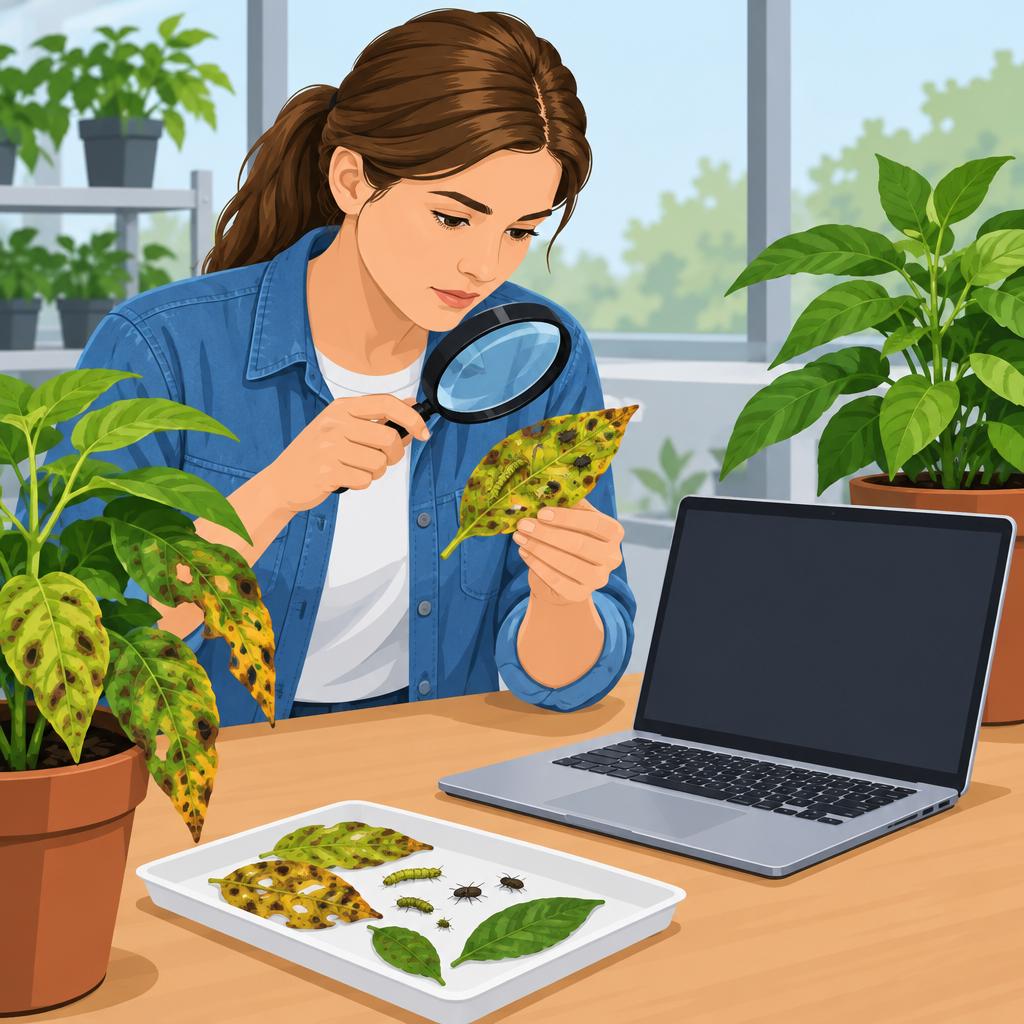
Developing an IPM Plan for Crops
- Identify pests in the area through regular scouting.
- Set action thresholds to determine when control becomes necessary.
- Implement a combination of prevention strategies.
- Monitor and evaluate results regularly.
- Adjust strategies according to feedback and results.
You Might Also Like: Innovations in Agricultural Science and Tech
Preventing Plant Diseases
Proper plant nutrition and healthy soil help prevent plant diseases.
Healthy plants can resist pathogens more effectively.
Gardeners can strengthen plant resistance through consistent preventive practices.
Techniques for Promoting Plant Resistance
Plant selection provides an important foundation for disease prevention.
Meanwhile, crop rotation helps break disease cycles.
Good spacing and hygiene also reduce conditions that spread diseases.
- Choose disease-resistant plant varieties
- Practice crop rotation to break disease cycles
- Provide proper spacing between plants to promote air circulation
- Implement good hygiene practices to avoid spreading diseases
Plant Care Practices That Limit Disease Spread
Regular care helps gardeners identify disease and pest problems early.
Cleaning tools and removing infected parts can limit further spread.
Additionally, careful watering and monitoring support healthier plants.
- Clean gardening tools and equipment regularly
- Remove and destroy infected plant parts immediately
- Avoid working with wet plants to prevent disease spread
- Monitor plants regularly for signs of diseases and pests
- Water plants in the morning to let foliage dry during the day
These preventive measures help gardeners reduce disease risks and manage pest infestations.
Transform Your Career Today
Unlock a personalized career strategy that drives real results. Get tailored advice and a roadmap designed just for you.
Start NowTherefore, prevention remains essential for maintaining healthy plants.
Learn More: Steps to Start Your Career as an Agricultural Consultant
Organic Pest Control Methods
Organic pest control uses natural alternatives instead of chemical pesticides.
These methods include companion planting and encouraging natural predators.
Gardeners and farmers can combine these approaches to manage pests sustainably.
Companion Planting and Natural Predators
Companion planting places compatible plants together to discourage pests.
For example, marigolds can help deter nematodes in gardens.
Meanwhile, beneficial insects can reduce harmful pest populations naturally.
Ladybugs, lacewings, and praying mantises feed on various harmful pests.
Therefore, these helpful insects can reduce the need for chemical treatments.
Benefits of Organic Pest Management
Organic methods avoid many harmful chemicals used in conventional pest control.
Consequently, they reduce risks to beneficial insects, wildlife, people, and ecosystems.
They also support more sustainable pest management over time.
Chemical pesticides can encourage pest resistance after repeated applications.
In contrast, organic methods help build healthier ecosystems with natural control mechanisms.
Implementing Organic Pest Control Strategies
First, select companion plants that work well together and discourage pests.
Research suitable plant combinations before arranging them in your garden or farm.
This proactive approach can help prevent infestations before they develop.
Next, provide habitats and food sources for beneficial insects.
Plant flowers, herbs, and native plants to attract helpful insect populations.
Also, avoid broad-spectrum insecticides that harm beneficial insects alongside pests.
Finally, monitor your garden or farm regularly for signs of pest damage.
Take prompt action when you notice developing pest problems.
Through consistent monitoring, natural methods can protect plants and support balanced ecosystems.
Monitoring Plant Health
Regularly inspecting plants helps gardeners identify diseases or pest infestations early.
Additionally, assess plant health by observing overall appearance, leaf color, and abnormal growth.
Look for spots, holes, discoloration, wilting, or other unusual changes that may indicate problems.
Tracking Pest and Disease Activity
- Use a journal or digital record to document plant health observations regularly.
- Take photos periodically to track changes in plant appearance or symptoms.
- Monitor weather conditions and their potential effects on plant health and pest activity.
- Keep a calendar for routine inspections and preventive treatments.
- Learn about common pests and diseases affecting your specific plants or region.
Therefore, proactive monitoring can help prevent severe damage and support a thriving garden.
Plant Health Depends on Proactive Management
Healthy gardens require early disease detection, preventive care, and suitable methods for managing pests.
Gardeners can reduce risks by combining observation, good practices, and organic control options.
These actions help protect plant health while limiting the effects of diseases and pests.
Recognizing Problems and Choosing Responses
Gardeners should understand common diseases, pests, warning symptoms, and available management strategies.
Early identification helps them respond before infections or infestations spread throughout the garden.
Furthermore, careful responses can preserve plant health and support more consistent growth.
The Value of Continued Monitoring
Regular monitoring reveals changes in plant appearance, including unusual symptoms caused by diseases or pests.
Vigilant gardeners can notice problems early and take prompt action.
Consequently, consistent observation helps prevent wider damage and supports effective pest management.
Building Resilient Garden Practices
Gardeners can maintain healthy plants through integrated pest management, biodiversity, and sound gardening practices.
These proactive steps combine prevention with appropriate responses to changing plant health concerns.
By staying informed and attentive, readers can manage diseases and pests more effectively.
Transform Your Career Today
Unlock a personalized career strategy that drives real results. Get tailored advice and a roadmap designed just for you.
Start NowAdditional Resources
Google search results for Understanding Plant Diseases and Pest Management Agricultural
Bing search results for Understanding Plant Diseases and Pest Management Agricultural


