




Agricultural Biotechnology and Food Production
Agricultural biotechnology uses genetic engineering to enhance crops and animals.
This technology helps increase food production for the growing global population.
Moreover, farmers face climate change and pest challenges.
Biotechnology offers solutions that improve crop resilience under these pressures.
Scientists can create crops resistant to pests, diseases, and extreme weather.
Consequently, modern farming can produce higher yields with fewer resources.
Benefits and Public Understanding
Additionally, biotech crops can reduce farmers’ need for chemical pesticides and herbicides.
However, agricultural biotechnology often faces misunderstandings and misconceptions.
Some people believe biotech crops harm human health, but scientific research has debunked this claim.
Another misconception says biotechnology benefits only large corporations.
In practice, small-scale farmers also benefit from this technology.
Therefore, public education can explain the science and dispel myths.
With better understanding, consumers can make informed food choices.
Agricultural biotechnology remains a valuable tool that revolutionizes modern farming practices.
It is a common misconception that agricultural biotechnology equals genetic modification.
However, the two fields differ in important ways.
Genetic modification changes an organism’s genetic makeup by introducing genes from another organism.
Researchers can use gene editing or genetic engineering to make these changes.
By contrast, agricultural biotechnology includes several techniques beyond genetic modification.
These techniques include the following methods.
- Marker-assisted breeding selects plants with desirable traits by using genetic markers.
- Tissue culture propagates plants from small tissue samples in a controlled environment.
- RNA interference suppresses the expression of specific genes in plants.
- Genome editing makes targeted DNA changes without introducing genes from another organism.
Therefore, genetic modification represents one part of agricultural biotechnology.
Understanding these methods reveals the field’s complexity and diversity.
Agricultural Biotechnology and Human Health
Many people worry that genetically modified organisms and other biotechnology products may harm human health.
However, rigorous testing and regulatory processes assess these products before they reach the market.
These safeguards help evaluate whether approved biotechnology products are safe for human use.
Rigorous Testing and Regulatory Processes
Developers conduct extensive testing before marketing agricultural biotechnology products.
Regulatory agencies such as the Food and Drug Administration closely scrutinize these products.
Assessments examine potential risks, benefits, allergenicity, toxicity, and nutritional content.
- Genetically modified corn has been deemed safe for consumption.
- Genetically modified soybeans have undergone rigorous testing and regulatory scrutiny.
- Golden rice contains added vitamin A and addresses nutrient deficiencies without identified health risks.
- Biotechnology-produced insulin provides a safe and effective treatment for diabetes.
These examples illustrate how testing and oversight support the safe use of biotechnology products.
Find Out More: Career Path: From Trainee to Pest Control Advisor
Agricultural Biotechnology and Environmental Sustainability
Some people believe agricultural biotechnology harms the environment.
However, biotechnology can support sustainable farming through several practical approaches.
These approaches can help farmers use resources more efficiently.
Environmental Benefits of Agricultural Biotechnology
Biotechnology can reduce chemical use by helping crops resist pests and diseases.
These traits may lower farmers’ reliance on harmful pesticides.
Biotech solutions can also improve soil health, nutrient absorption, and water retention.
- Farmers can reduce pesticide use with crops that resist pests and diseases.
- Improved soil health can support nutrient absorption and water retention.
- Drought tolerant crops can require less irrigation and conserve water resources.
- Resistant crops can help protect beneficial insects and wildlife.
- Higher yields and fewer chemical inputs can reduce agricultural greenhouse gas emissions.
Biotech Solutions for Lower Chemical Inputs
Farmers can apply several biotech solutions to reduce chemical inputs.
These solutions include engineered crops, biological products, and resource efficient technologies.
Additionally, each approach can address different environmental pressures.
- Bt cotton and Bt corn produce insecticides that reduce chemical insecticide sprays.
- Herbicide tolerant crops help farmers control weeds with fewer herbicide applications.
- Nitrogen efficient crops can reduce the need for synthetic fertilizers.
- Biopesticides come from natural sources and may reduce environmental harm.
- Precision farming technologies help farmers optimize resources through GPS equipment and drones.
Biotechnology’s Role in Sustainable Food Production
Agricultural biotechnology can support more sustainable food production systems.
Transform Your Career Today
Unlock a personalized career strategy that drives real results. Get tailored advice and a roadmap designed just for you.
Start NowBy improving resource efficiency, biotechnology can help farmers address environmental challenges.
Careful application can help balance productivity with environmental protection.
Delve into the Subject: The Role of Genetics in Seed Technology
A common misconception says biotech crops do not benefit small-scale farmers.
However, biotech crops can increase yields and profitability for small-scale farmers.
These benefits can improve farmers’ livelihoods and strengthen their communities.
How Biotech Crops Support Small-Scale Farmers
Biotech crops can resist pests and diseases, which may reduce farmers’ need for chemical pesticides.
Lower pesticide use can reduce costs and limit farmers’ exposure to harmful chemicals.
Other engineered traits can improve yields, drought tolerance, or nutritional content.
- These traits can help small-scale farmers produce more food under challenging conditions.
- Higher yields and profits can strengthen farmers’ livelihoods and communities.
- Farmers can reduce input costs while increasing their productivity.
- Drought-tolerant crops can support production when environmental conditions become difficult.
- Improved nutritional content can add value to crops produced by small-scale farmers.
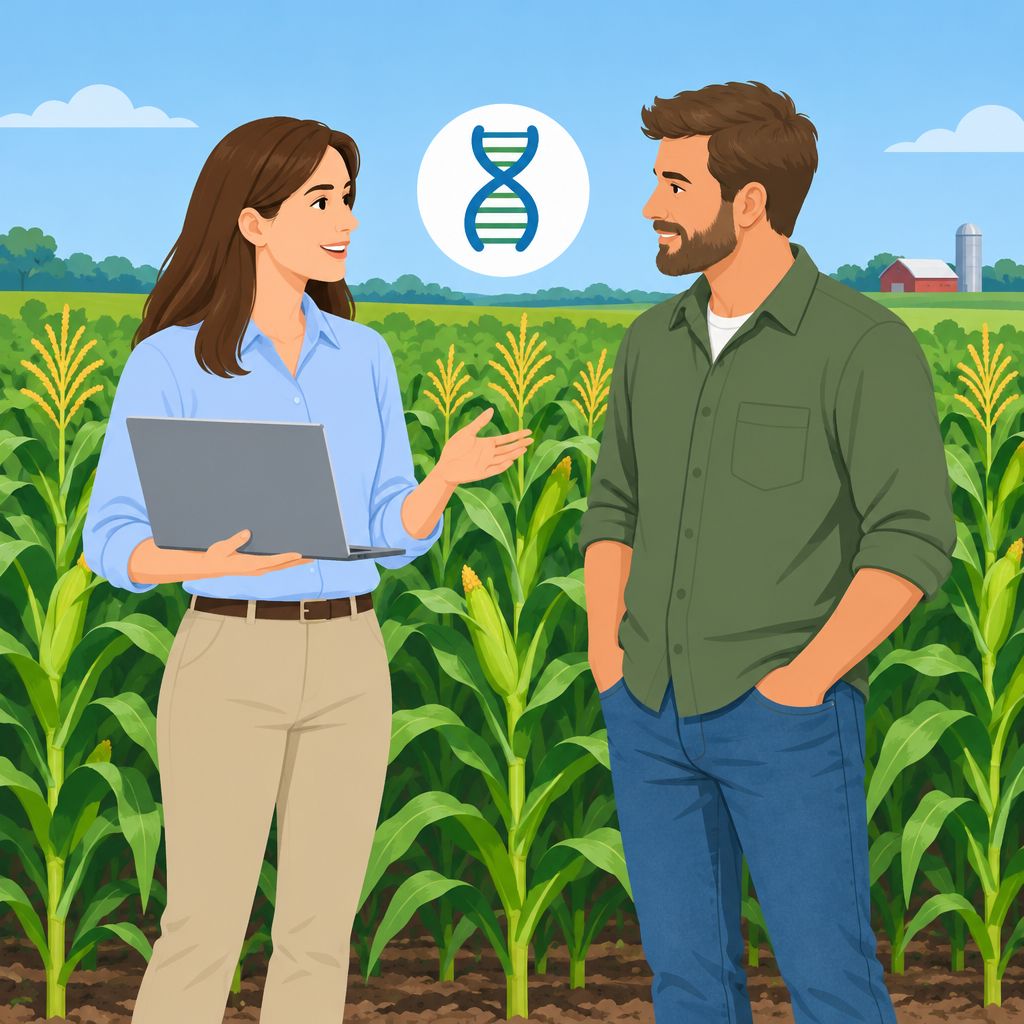
Examples of Small-Scale Farmers Using Biotech Solutions
Small-scale farmers in several countries have benefited from specific biotech crop varieties.
These examples show how crop traits can address pests, diseases, and drought.
Farmers can reduce losses, improve production, and sell higher-quality crops at market.
- In India, small-scale cotton farmers increased yields and incomes after adopting biotech cotton varieties.
- These farmers reduced input costs and improved productivity, helping them move out of poverty.
- In the Philippines, small-scale papaya farmers used biotech varieties resistant to ringspot virus.
- These farmers reduced disease-related losses and sold higher-quality fruits at market.
- In Africa, small-scale maize farmers improved yields and food security with drought-tolerant biotech maize.
Biotech crops can help small-scale farmers increase yields, profitability, and resilience.
Farmers can use these solutions to address pests, diseases, drought, and difficult growing conditions.
Expanding access to suitable biotech crops can support more sustainable small-scale agriculture.
You Might Also Like: Seasonal Trends in Agricultural Loan Applications
A common misconception claims that agricultural biotechnology causes biodiversity loss.
However, biotechnology tools can also help preserve biodiversity.
In fact, these tools can support conservation through several practical approaches.
How Biotechnology Can Help Preserve Biodiversity
- Genetic engineering can protect endangered species by introducing traits that improve their chances of survival.
- Biotechnology can produce crops requiring fewer pesticides, which reduces harmful chemicals in the environment.
- Additionally, biotechnology can improve soil health and fertility, supporting diverse and sustainable agricultural ecosystems.
Biotechnology Projects Supporting Conservation
- Genetic modification has increased resistance to pests and diseases in certain plant species, helping them thrive naturally.
- Furthermore, biotechnologists are developing drought-resistant crops that can withstand harsh environmental conditions.
- Biotech research also supports ecosystem restoration and the protection of endangered wildlife populations.
Therefore, agricultural biotechnology can support conservation and help preserve diverse ecosystems.
Gain More Insights: Pest Control Advisor: Role in Food Safety
Biotech Crops and Organic Agriculture
Many people believe biotech crops threaten organic agriculture.
However, these farming methods can coexist under clear regulations and standards.
Each approach can operate without compromising the other.
Coexistence of Biotech and Organic Agriculture
Organic farming emphasizes soil health, biodiversity, and ecological balance.
Meanwhile, biotech agriculture improves crop traits through genetic modification.
Clear standards help farmers maintain distinct production practices.
Complementary Benefits for Agriculture
These approaches can also support shared agricultural goals.
Biotech crops may reduce pesticide needs through insect-resistant varieties.
Organic practices can strengthen ecological management through rotations and natural pest control.
- Insect-resistant crops may reduce chemical pesticide use for farmers.
- Increased yields and disease resistance can support a stable food supply.
- Crop rotation and natural pest control can support biodiversity alongside improved crop traits.
- Drought-tolerant and nutritionally enhanced crops may improve food security.
Both systems offer distinct advantages and challenges.
Understanding their relationship can guide more sustainable agricultural choices.
Farmers, consumers, and the environment can benefit from resilient food production.
Agricultural Biotechnology for Small Farmers and Developing Countries
Agricultural biotechnology can support small farmers and developing countries.
These tools can improve crop yields, reduce production costs, and strengthen resilience.
They can also help communities respond to difficult environmental and agricultural conditions.
Benefits for Small Farmers
Small farmers often face limited resources, poor soil quality, and unpredictable weather.
Biotechnological solutions can address these challenges while supporting farm productivity.
Consequently, small farmers can strengthen their livelihoods and improve local food supplies.
Biotechnology Solutions for Small Farms
Several biotechnology solutions can help small farmers manage production challenges.
Transform Your Career Today
Unlock a personalized career strategy that drives real results. Get tailored advice and a roadmap designed just for you.
Start NowThese solutions can support reliable harvests during droughts, pest outbreaks, and nutritional shortages.
Furthermore, they can lower production expenses and reduce exposure to chemical pesticides.
- Drought-Resistant Crops: These varieties can grow in water-stressed environments and provide food and income during low rainfall.
- Pest-Resistant Crops: These crops can reduce chemical pesticide use while supporting higher yields and lower production costs.
- Nutrient-Enhanced Crops: These crops can provide additional nutrients and help communities address malnutrition and food insecurity.
Benefits for Developing Countries
Agricultural biotechnology can increase food security in developing countries.
It can also improve agricultural productivity and encourage economic growth.
As a result, developing nations may strengthen food self-sufficiency and reduce dependence on imports.
Biotechnology Solutions in Developing Regions
Developing regions can apply biotechnology to address nutritional, environmental, and livestock challenges.
These applications can protect food production and support vulnerable communities.
Moreover, they can help farmers protect their livelihoods and maintain food supplies.
- Vitamin-A Enriched Rice: Golden Rice contains added Vitamin A and may help address Vitamin A deficiency.
- Flood-Tolerant Rice: These varieties can withstand flooding and help protect rice production in vulnerable regions.
- Improved Livestock Vaccines: More effective vaccines can protect livestock from diseases and support small farmers’ livelihoods.
These applications can help communities overcome agricultural challenges.
They can also support more resilient and food-secure communities.
Therefore, biotechnology can contribute to sustainable agricultural development.
Public Perceptions of Agricultural Biotechnology
Many people mistakenly view agricultural biotechnology as harmful to human health.
Another misconception claims that biotech crops require more pesticides and may harm the environment.
Similarly, some people describe biotechnology foods as “frankenfoods” and consider them unsafe to eat.
People also question whether regulators properly assess genetically modified organisms for safety.
Finally, some critics believe biotechnology benefits large corporations rather than small-scale farmers.
Understanding these misconceptions helps readers consider biotechnology’s potential benefits in agriculture.
Moreover, accurate education can clarify its safety and possible contributions to farming.
Better public understanding can support informed discussions about sustainable farming practices.
Ultimately, agricultural biotechnology may contribute to increased food production and sustainability.
Therefore, continued learning can help people assess its role in agriculture’s future.
Additional Resources
Google search results for Common Misconceptions About Agricultural Biotechnology Agricultural
Bing search results for Common Misconceptions About Agricultural Biotechnology Agricultural


