




Introduction
Water conservation in irrigation is crucial for sustainable agriculture.
Efficient water use ensures food security.
Implementing water-saving techniques can help farmers save money.
These techniques also protect the environment.
Thesis: This blog will discuss the importance of water conservation in irrigation.
It will also explore ways to promote efficient water use in agriculture.
Overview of water usage in irrigation
Water is a crucial resource in agriculture.
Irrigation is the primary method of delivering water to crops.
Efficient irrigation practices can help farmers optimize water usage.
These practices also increase crop yields.
Explanation of how much water is used in irrigation globally
Globally, irrigation accounts for around 70% of total freshwater withdrawals.
This makes irrigation a significant consumer of water resources.
It is estimated that agriculture uses nearly 70% of the world’s available freshwater.
A large portion of this water is dedicated to irrigation.
Importance of water efficiency in agriculture
Water efficiency in agriculture is essential for sustainable food production.
It also ensures water security for future generations.
By adopting efficient irrigation techniques, farmers can reduce water waste.
They can also minimize the environmental impact of agriculture.
Improving water efficiency can lead to cost savings for farmers.
This approach helps mitigate the effects of water scarcity.
Impact of water scarcity on irrigation practices
Water scarcity can have a detrimental impact on irrigation practices.
This scarcity leads to reduced crop yields.
It also causes increased production costs for farmers.
As water resources become scarce, farmers face challenges in supplying enough water.
These challenges make it difficult to meet crop water demands.
Implementing water conservation measures becomes critical in this context.
Such measures help address the effects of water scarcity on irrigation practices.
Water conservation in irrigation plays a critical role in sustainable agriculture and food security.
By implementing efficient water management practices, farmers can achieve various benefits.
These benefits not only improve crop yield but also contribute to preserving water resources for future generations.
Benefits of Efficient Water Use on Crop Yield
One of the primary benefits of water conservation in irrigation is increasing crop yield.
By optimizing water use through techniques such as drip irrigation or sprinkler systems, farmers ensure crops receive the right amount of water.
Providing water at the right time results in healthier plants and improved growth.
Ultimately, this leads to higher yields.
Reduction of Water Waste and Cost Savings for Farmers
Water conservation helps minimize water waste, which is crucial in regions facing scarcity.
Farmers who employ water-saving technologies reduce overall water consumption.
Despite using less water, crops still receive adequate moisture for growth.
This approach benefits the environment and lowers farmers’ water bills, saving costs.
Ensuring Water Availability for Future Generations
Conserving water in irrigation ensures enough water will be available for future generations.
Transform Your Career Today
Unlock a personalized career strategy that drives real results. Get tailored advice and a roadmap designed just for you.
Start NowThe global population is rising, making water an increasingly scarce resource.
Wise management of water resources is essential under these conditions.
Efficient agricultural water use helps preserve this valuable resource for descendants.
Role of Water Conservation in Sustainable Food Supply
Water conservation in irrigation is more than good practice; it is a necessity for sustainability.
Maximizing crop yield while reducing water waste supports long-term agriculture.
Preserving water resources helps ensure a secure and sustainable food supply for future generations.
Uncover the Details: How to Handle Emergencies on the Farm
When it comes to water conservation in irrigation, there are several methods that can be implemented.
These methods ensure efficient use of this precious resource.
Drip irrigation systems and their advantages
Drip irrigation delivers water directly to the roots of plants.
This method minimizes evaporation and runoff.
It is highly efficient in water usage and reduces wastage significantly.
Advantages of drip irrigation include:
- Reduced water usage by up to 50% compared to traditional watering methods.
- Promotes healthier plants by delivering water and nutrients directly to the root zone.
- Decreased weed growth as water is targeted only at the plant roots.
- Prevents soil erosion by controlling the flow of water more effectively.
Soil moisture monitoring and smart irrigation technologies
Monitoring soil moisture levels is crucial to ensure plants receive just the right amount of water.
Smart irrigation technologies use sensors to detect soil moisture levels.
These technologies adjust watering schedules accordingly.
Advantages of soil moisture monitoring and smart irrigation technologies include:
- Prevents overwatering or underwatering of plants.
- Optimizes water usage by delivering water only when needed.
- Reduces water wastage by avoiding unnecessary watering cycles.
- Promotes water conservation by efficient use of resources.
Crop rotation and mulching techniques to reduce water usage
Crop rotation involves planting different crops in the same field in sequential seasons.
This helps maintain soil health and reduce water stress.
Mulching covers the soil with organic materials to conserve moisture and reduce evaporation.
Advantages of crop rotation and mulching techniques include:
- Improves soil structure and fertility by rotating crops.
- Reduces water stress by planting crops that have different water requirements.
- Conserves moisture in the soil by reducing evaporation with mulching.
- Helps in weed control and prevents soil erosion.
Implementing these water conservation methods in irrigation ensures sustainable use of water resources.
They also contribute to the overall health of the environment.
By using efficient irrigation techniques, we protect and preserve water for future generations.
Uncover the Details: Top Irrigation Systems for Agricultural Efficiency
Government Policies and Regulations
Government policies play a crucial role in promoting water conservation in irrigation.
These policies set the framework for sustainable water management practices.
They also help regulate water usage in agricultural activities.
Overview of Water Management Laws
- Water management laws aim to ensure the sustainable use of water resources.
- They establish guidelines for water allocation and distribution among various sectors.
- These laws also outline penalties for non-compliance with water conservation measures.
Incentives Provided to Farmers
To encourage farmers to adopt water-saving practices, the government provides various incentives.
These incentives can include financial support for farmers.
Subsidies on water-saving technologies are also offered.
Rewards for efficient water usage motivate farmers further.
Collaboration Among Different Stakeholders
Collaboration between the government, farmers, and local communities is essential for effective water conservation.
- Government agencies work closely with farmers to educate them about water-saving techniques.
- Local communities participate in water conservation efforts by promoting responsible water usage.
- Farmers engage in collaborative efforts to share resources and strategies for efficient irrigation practices.
Water conservation in irrigation requires the involvement of various stakeholders.
Implementing government policies achieves sustainable water management.
Providing incentives encourages farmers to adopt better practices.
Fostering collaborations between groups ensures efficient use of water resources for agriculture.
Find Out More: Advances in Poultry Disease Control
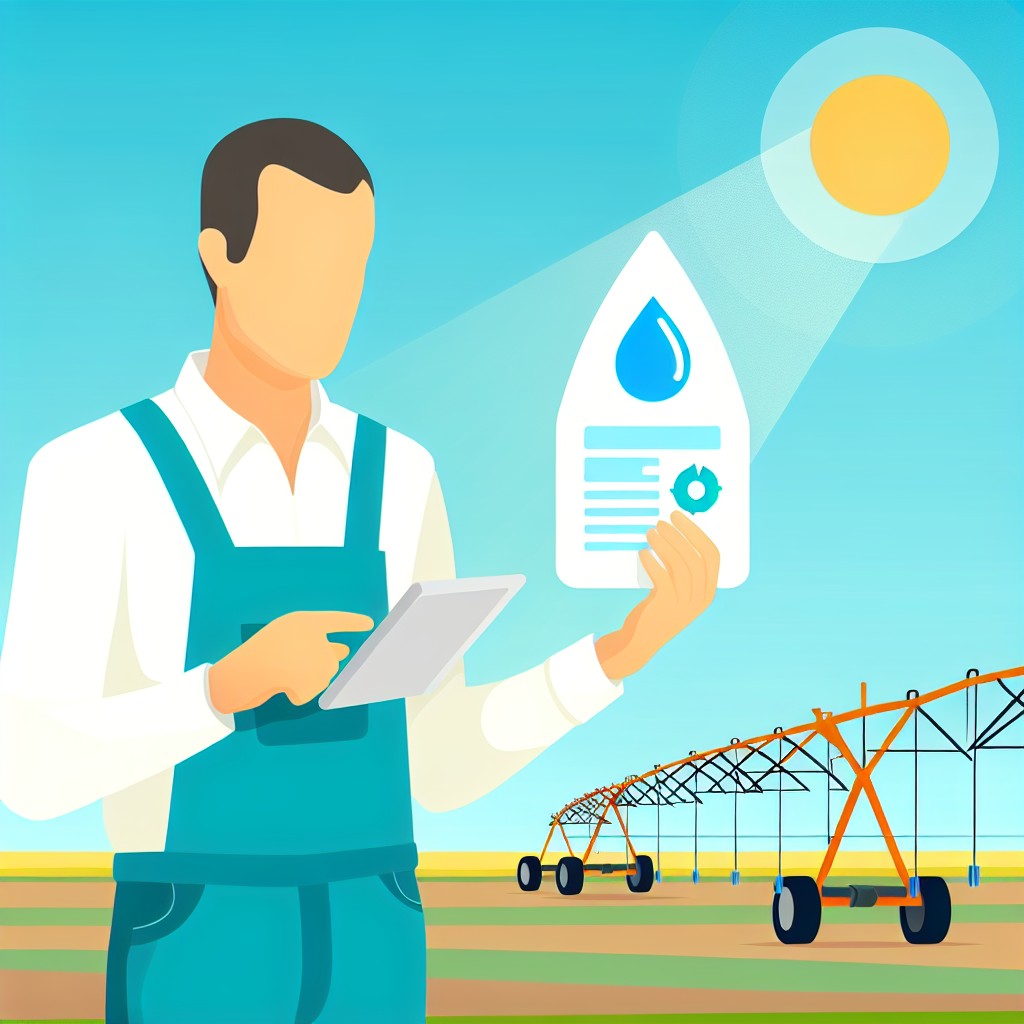
Case Studies of Successful Water Conservation Projects in Irrigation
One notable case study of a successful water conservation project in irrigation exists in California.
The Las Positas Irrigation District implemented drip irrigation and soil moisture sensors.
Transform Your Career Today
Unlock a personalized career strategy that drives real results. Get tailored advice and a roadmap designed just for you.
Start NowThis effort resulted in a significant reduction in water usage while maintaining crop yields.
Another example is the Sun Select Produce Farm in Arizona.
They adopted a closed-loop irrigation system combined with soil moisture monitoring technology.
This innovative approach saved water and improved crop quality and yields.
Examples of Farms or Regions that Have Implemented Water-Saving Techniques
The Netafim Drip Irrigation system has been widely adopted by farms in Israel.
This adoption resulted in substantial water savings of up to 50% compared to traditional irrigation methods.
This technology has revolutionized irrigation practices in water-scarce regions around the world.
In Australia, the Murray-Darling Basin Authority implemented water-saving measures.
Measures include water recycling and infrastructure upgrades to reduce water wastage in irrigation.
These initiatives helped improve water efficiency and sustain agriculture in the region.
Quantitative Data on Water Savings and Increased Crop Yields
A study by the University of California, Davis found farms using drip irrigation saved 20 to 50 percent water.
These farms also increased crop yields by 20 to 50 percent compared to flood irrigation methods.
This data highlights the significant impact of water-saving techniques on agricultural productivity.
In Spain, a Ministry of Agriculture research project showed farms adopting precision irrigation saved up to 30 percent water.
These farms increased crop yields by 15 to 20 percent.
The findings illustrate the direct correlation between water conservation and improved agricultural outcomes.
Key Insights from Successful Water Conservation Initiatives
One key insight is the importance of technology adoption in irrigation practices.
Drip irrigation, soil moisture sensors, and precision irrigation tools proved instrumental in saving water and increasing yields.
Another insight is the need for collaboration among stakeholders.
Farmers, government agencies, and technology providers must work together to promote water conservation in irrigation.
Effective communication and knowledge sharing are essential in implementing sustainable water management practices.
These case studies, examples, quantitative data, and insights highlight the critical role of water conservation in irrigation.
By adopting water-saving techniques and fostering collaboration, agricultural communities can ensure sustainable water use for future generations.
Gain More Insights: Regulations Governing Artificial Insemination Practices
Challenges and Barriers to Water Conservation in Irrigation
- Lack of awareness among farmers about water-saving practices.
- Financial constraints in implementing water-efficient technologies.
- Water infrastructure limitations and policy gaps hindering conservation efforts.
Water conservation in irrigation is essential for sustainable agriculture.
The practice ensures water security for future generations.
However, several challenges hinder effective water conservation in agriculture.
Lack of awareness among farmers about water-saving practices:
One major challenge is the lack of awareness among farmers about efficient water-saving practices.
Many farmers continue using traditional irrigation methods that waste water resources.
Financial constraints in implementing water-efficient technologies:
Another barrier is the financial constraint farmers face when adopting water-efficient technologies.
Advanced irrigation systems require significant investment many small-scale farmers cannot afford.
Water infrastructure limitations and policy gaps hindering conservation efforts:
Limited water infrastructure and policy gaps also challenge effective water conservation.
Inadequate water storage, outdated irrigation systems, and inconsistent policies hinder progress.
Addressing these issues is crucial to promote water conservation in irrigation.
Educating farmers on water-saving methods is vital for change.
Providing financial support will enable adoption of efficient technologies.
Improving infrastructure and updating policies are essential for sustainable water use.
Transform Your Career Today
Unlock a personalized career strategy that drives real results. Get tailored advice and a roadmap designed just for you.
Start NowSignificance of Conserving Water in Irrigation
Water conservation in irrigation is crucial for sustainable agriculture practices.
Benefits of Efficient Water Use in Crop Production
Conserving water in irrigation helps to ensure a stable and reliable water supply for crops.
It reduces water wastage, energy consumption, and operating costs for farmers.
Prioritizing Water-Saving Practices Among Agricultural Stakeholders
All stakeholders in agriculture must prioritize water-saving practices.
This includes using efficient irrigation techniques and implementing smart water management systems.
Investing in sustainable irrigation technologies is equally important.
Ensuring Long-Term Sustainability Through Smart Irrigation
Adopting water-saving practices in irrigation ensures long-term sustainability of agriculture.
These practices conserve water, protect the environment, improve soil health, and increase crop yields.
Let us work together to safeguard water resources for future generations.
Additional Resources
USDA – Surveys – Irrigation and Water Management
Agriculture Water Conservation Grants | Texas Water Development …