




Introduction to Irrigation Specialists
Irrigation specialists help improve water efficiency in agricultural and landscaping practices.
Sustainable water management has increased attention toward skilled irrigation professionals.
Consequently, the demand for certified irrigation specialists continues to grow.
Importance of Irrigation Specialists
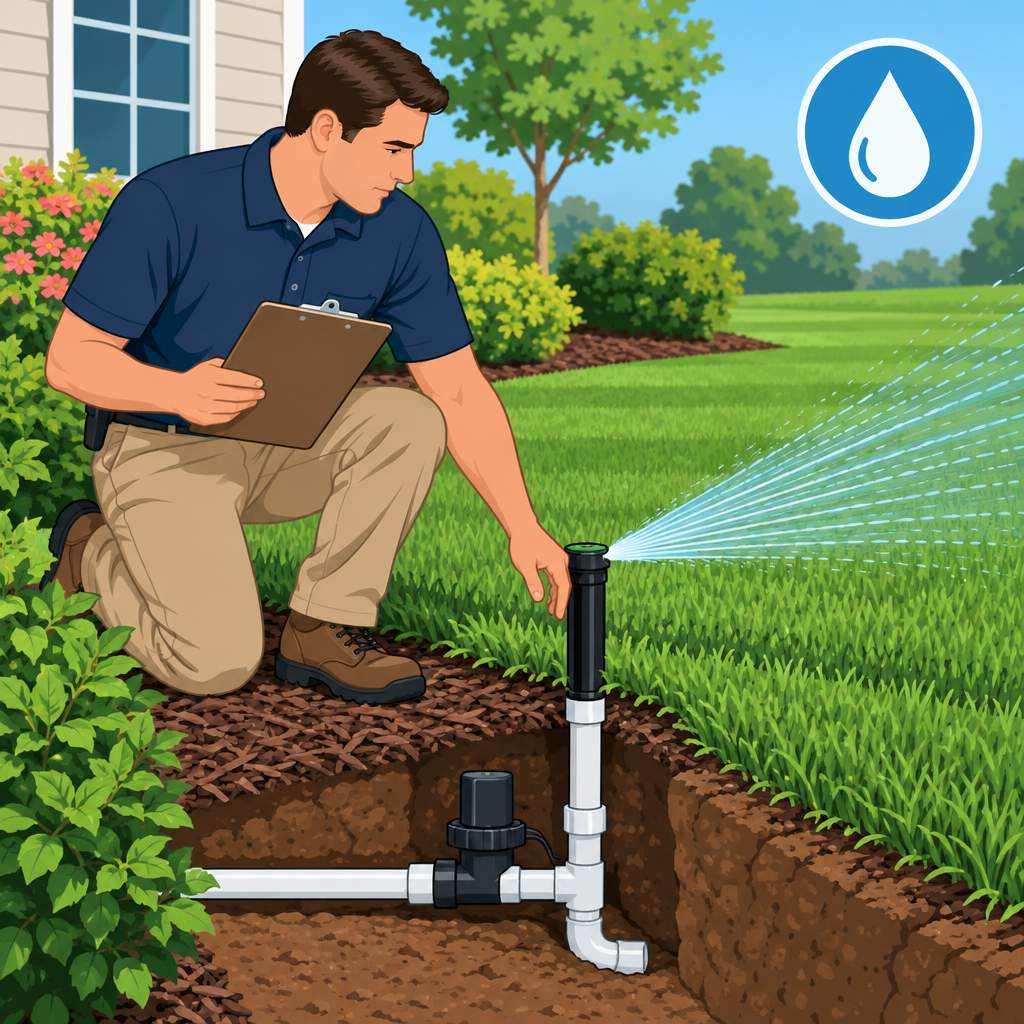
These trained experts design irrigation systems that support efficient water use.
They also install systems that promote healthy plant growth.
Through regular maintenance, specialists help conserve water and reduce unnecessary waste.
Growing Demand for Certified Professionals
As environmental concerns increase, organizations need qualified irrigation specialists.
Employers seek recognized certifications when selecting professionals for irrigation work.
Certification programs provide knowledge for designing and implementing sustainable irrigation solutions.
Career and Water Conservation Benefits
Certification can strengthen career prospects for aspiring irrigation specialists.
Moreover, certification demonstrates a commitment to responsible water management.
Certified professionals support water conservation and environmental sustainability through effective irrigation practices.
Certification Requirements for Irrigation Specialists
Prospective irrigation specialists should research certification requirements before beginning the application process.
This research clarifies the education, credentials, licenses, and experience that programs may require.
Consequently, applicants can prepare more effectively for certification and career advancement.
Educational Background for Certification
Most programs prefer an education in agriculture, horticulture, or environmental science.
Coursework in irrigation systems, water management, and plant biology can strengthen exam preparation.
Additionally, some programs require specific education hours or credits in irrigation-related subjects.
Certifications and Licenses
Applicants should determine whether their state or region requires specific irrigation certifications or licenses.
Requirements vary because local regulations govern irrigation practices and professional qualifications.
Furthermore, Certified Irrigation Designer and Certified Irrigation Contractor designations can demonstrate advanced field expertise.
Relevant Work Experience
Many certification programs also require practical experience in irrigation-related work.
Relevant roles may include irrigation design, installation, maintenance, or other related activities.
Therefore, broad hands-on experience can strengthen an applicant’s preparation and competitiveness.
Finding Irrigation Specialist Programs
Research irrigation specialist certification programs before choosing a learning path.
Compare each program’s curriculum, cost, format, and training opportunities.
Consider whether online or in-person instruction suits your schedule and learning style.
Researching Available Programs
Begin by reviewing programs that offer irrigation specialist certification.
Next, examine program details, learning requirements, and available training formats.
This research helps you identify options that match your professional development needs.
Comparing Curriculum and Cost
Compare the subjects covered by each program before making a decision.
Review tuition and other stated costs to evaluate each option against your budget.
A clear comparison can help you select a suitable program.
Choosing Between Online and In-Person Learning
Online programs may fit schedules that require flexible learning arrangements.
In-person programs may support direct instruction and hands-on training opportunities.
Consider your schedule and learning preferences when selecting the format.
Evaluating Program Accreditation
Accreditation provides an important measure of a certification program’s quality.
Review accreditation information before committing to any irrigation specialist program.
Accredited study can support your credibility and professional expertise.
Understanding Accreditation
Accreditation indicates that a program meets established quality standards.
Transform Your Career Today
Unlock a personalized career strategy that drives real results. Get tailored advice and a roadmap designed just for you.
Start NowIndustry experts set these standards for reputable certification programs.
Therefore, accreditation can help you evaluate program reliability.
Checking Accreditation Status
Verify accreditation details before applying to a program.
Check information provided by organizations such as the Irrigation Association.
Confirm that the program’s stated accreditation remains relevant to your goals.
Benefits of Accredited Study
An accredited program can strengthen your professional credibility.
It can also support the development of recognized irrigation expertise.
These benefits may complement your long-term professional development.
Selecting a Suitable Certification Program
Choose a program that aligns with your career goals.
Evaluate how each option supports your professional development needs.
Then, select the program that best matches your priorities.
Factors to Consider
Consider the program length, curriculum, and instructor experience.
Also, review opportunities for hands-on training and field experience.
These factors can help you assess the program’s overall fit.
Seeking Professional Recommendations
Ask industry professionals about programs they know or recommend.
Colleagues who completed certification programs can share relevant perspectives.
Use these recommendations alongside your own program research.
Attending Information Sessions
Some programs provide information sessions or open houses.
These events can explain curriculum details and program requirements.
Attend available sessions to gather information before applying.
Preparing the Program Application
Start the application process after selecting an appropriate program.
Review every application instruction carefully before submitting materials.
Organized preparation can help you address each stated requirement.
Reviewing Application Requirements
Check the program website for current application requirements.
Contact admissions when the published information does not answer your questions.
Prepare each requested document according to the program’s instructions.
Managing Application Deadlines
Record every application deadline as soon as you identify it.
Submit all required documents before the stated deadline.
Allow enough time to review your materials before submission.
Meeting Admission Criteria
Programs may establish educational or work experience criteria.
Review these criteria before investing time in an application.
Confirm that your background satisfies the program’s stated expectations.
Completing Certification Program Training
Program completion represents an important step toward professional certification.
Participate actively in coursework, practical training, and field experience.
Complete every required assessment before pursuing certification.
Completing Coursework and Training
Coursework develops knowledge related to irrigation practices.
Hands-on training helps you apply that knowledge in practical settings.
Field experience provides another opportunity to strengthen practical skills.
Preparing for Exams and Assessments
Prepare for each exam or assessment required by the program.
Use your coursework and training to reinforce important concepts.
Transform Your Career Today
Unlock a personalized career strategy that drives real results. Get tailored advice and a roadmap designed just for you.
Start NowPassing the required assessments demonstrates your understanding of irrigation practices.
Maintaining Continuing Education
Continue learning after completing the initial certification program.
Participate in continuing education programs and professional workshops.
Ongoing learning helps you follow industry trends and advancements.
Managing Irrigation Specialist Certification
Apply for certification after completing the program’s requirements.
Follow the issuing program’s stated process and submission instructions.
Maintain certification by completing any required renewal activities.
Following the Certification Process
Submit the certification application after meeting all program requirements.
Provide any documents requested during the certification process.
Pay the required certification fee when the process requires one.
Recognizing Certification Benefits
Certification can increase your professional recognition.
It may also support access to additional job opportunities.
Professional certification demonstrates completed training and assessed knowledge.
Maintaining Current Certification
Review the certification’s continuing education requirements.
Complete required education or renewal activities on schedule.
Keeping certification current supports continued alignment with industry standards.
You Might Also Like: How to Balance Risk in Agricultural Lending
Certification Program Enrollment
First, research reputable irrigation certification programs.
Compare available programs before selecting one.
Then, review each program’s requirements to confirm your eligibility.
- Research and choose a reputable certification program in irrigation.
- Check the program’s requirements and ensure you meet them.
- Submit your application and necessary documents for enrollment.
Application Completion
Next, complete the application with accurate information.
Provide every required document during the application process.
Finally, pay required fees and await enrollment confirmation.
- Provide all required information accurately and truthfully.
- Pay any application fees that may be required.
- Wait for confirmation of enrollment from the certification program.
Classes and Practical Training
After enrollment, attend every scheduled class and training session.
Participate actively in practical exercises throughout the training.
Also, ask questions when concepts or techniques seem challenging.
- Attend all classes and training sessions as scheduled.
- Participate actively in hands-on training exercises.
- Seek clarification on any concepts or techniques you find challenging.
Certification Exam Preparation
Begin preparation by obtaining the program’s recommended study materials.
Then, create a schedule that covers every exam topic.
Use practice exams to measure your readiness before testing.
- Obtain study materials recommended by the certification program.
- Create a study plan and schedule to cover all exam topics.
- Take practice exams to assess your readiness for the certification exam.
Discover More: The Role of Food Science in Enhancing Food Safety
Pass the Certification Exam
- Review study materials thoroughly
- Take practice tests to assess your knowledge
- Arrive early on exam day and remain calm
Preparing for the certification exam marks a crucial step toward becoming a certified irrigation specialist.
First, review every study section carefully to build a strong understanding of the tested content.
Make notes about key concepts and important information while reviewing the materials.
Additionally, practice tests can assess your knowledge and reveal areas requiring further attention.
These tests can simulate the exam experience and familiarize you with possible question formats.
On exam day, arrive early so you have time to settle in and reduce unnecessary stress.
Furthermore, staying calm can improve your performance throughout the exam.
Take deep breaths and remain focused while answering each question carefully.
Maintain Continuing Education
- Attend workshops, seminars, and conferences
- Stay updated on the latest industry trends
- Network with other professionals in the field
After earning certification, continue your education to remain current with industry practices and trends.
Workshops, seminars, and conferences provide opportunities to learn from experienced professionals.
Transform Your Career Today
Unlock a personalized career strategy that drives real results. Get tailored advice and a roadmap designed just for you.
Start NowThese events can also introduce new irrigation technologies and techniques.
Meanwhile, monitoring industry trends helps you remain competitive in the irrigation field.
Networking with other professionals can support collaboration and strengthen valuable industry relationships.
Those connections may also create opportunities for career growth and advancement.
By investing in ongoing development, you can strengthen your skills and knowledge.
Consequently, continued engagement can help you contribute positively to the irrigation industry.
Delve into the Subject: Veterinary Technician Safety Protocols
Gaining Practical Experience
Practical experience provides a key step toward becoming a certified irrigation specialist.
First, seek internship or entry-level positions to develop hands-on industry skills and techniques.
Then, apply knowledge and theory from certification programs to real-world scenarios.
Additionally, network with irrigation professionals to expand your knowledge and build valuable connections.
- Seek internship or entry-level positions in the industry to learn hands-on skills and techniques.
- Apply knowledge and theory gained from certification programs in real-world scenarios.
- Network with professionals in the irrigation industry to expand your knowledge and build valuable connections.
By gaining practical experience, you will enhance your skills and increase your chances of certification.
Find Out More: Daily Responsibilities of a 4-H Youth Agent
Stay Updated on Industry Trends
- Attend workshops, seminars, and conferences
- Read industry publications and online resources
- Stay connected with other irrigation specialists for knowledge sharing
Industry awareness helps aspiring certified irrigation specialists maintain current knowledge and skills.
Moreover, current information helps professionals understand changing irrigation practices.
Regular learning also supports continued development in the irrigation field.
Attend Workshops, Seminars, and Conferences
Workshops, seminars, and conferences provide valuable opportunities to learn about irrigation.
These events present current technologies, techniques, and best practices.
By attending them, irrigation specialists can strengthen their industry knowledge.
Read Industry Publications and Online Resources
Industry publications and online resources offer another way to follow irrigation developments.
These sources publish articles and reports about new developments and research findings.
They also provide case studies that can expand professional understanding.
Connect with Other Irrigation Specialists
Networking with other irrigation specialists helps professionals exchange ideas.
Furthermore, specialists can discuss practices and share relevant industry knowledge.
These professional connections allow specialists to learn from each other’s experiences.
Staying informed supports anyone pursuing certification as an irrigation specialist.
Attending events, reading publications, and networking can strengthen professional knowledge and skills.
Steps Toward Irrigation Specialist Certification
Becoming a certified irrigation specialist requires dedication and knowledge in the field.
Following a clear process can help aspiring professionals work toward certification.
Certification demonstrates commitment to developing professional irrigation skills.
- First, obtain relevant education and experience.
- Next, pass the certification exam.
- Finally, maintain certification through continuing education.
Continuing Education for Irrigation Specialists
Ongoing learning remains crucial in the irrigation field.
Professionals should stay updated on the latest technologies and techniques.
Additionally, continued learning can support career advancement and professional competitiveness.
Commitment to Professional Certification
Aspiring professionals who value irrigation can pursue certification to demonstrate their expertise.
Certification provides a way to prove developed skills in the field.
Therefore, take the necessary steps and work toward becoming a certified irrigation specialist.
Additional Resources
Google search results for How to Become a Certified Irrigation Specialist Agricultural
Bing search results for How to Become a Certified Irrigation Specialist Agricultural


