




Farm Managers in Agriculture
Farm managers play a crucial role in the agriculture industry.
They oversee daily operations across agricultural businesses.
They also help maintain efficient farm operations.
Importance of Farm Managers
Farm managers support successful agricultural operations.
They oversee staff and manage available resources.
Furthermore, they make strategic decisions for farm operations.
Farm Manager Responsibilities and Daily Tasks
Farm managers plan, organize, and supervise farm operations.
Their responsibilities include crop production, livestock care, and equipment maintenance.
They ensure regulatory compliance and monitor financial performance.
Additionally, they implement sustainable practices to maximize productivity.
Each day, managers allocate tasks to employees and inspect crops and animals.
They also troubleshoot operational issues as they arise.
Finally, they manage records, budgets, and reports for stakeholders.
Managing Daily Farm Operations
The farm manager creates a daily plan and assigns responsibilities to workers.
Regular check-ins confirm that workers and contractors complete assignments on schedule.
Quick decisions help prevent operational delays and disruptions.
- The manager coordinates daily activities across the farm.
- They allocate equipment, supplies, and labor to support productivity.
- They address problems as soon as they arise.
Supervising Workers and Contractors
Effective supervision helps workers understand expectations and complete their responsibilities.
The manager provides guidance that strengthens worker skills and performance.
Additionally, positive leadership encourages teamwork and supports workplace morale.
- The manager trains workers and offers practical guidance.
- They evaluate worker and contractor performance to identify improvements.
- They resolve conflicts to maintain a cooperative work environment.
Monitoring Crops and Livestock
The manager tracks production activities to support the farm’s production goals.
Crop oversight includes planting, irrigation, fertilization, and harvesting.
Livestock oversight focuses on animal health, feeding, breeding, and disease control.
- The manager monitors crop conditions and production progress.
- They check livestock health and support appropriate care.
- They verify that crops and livestock meet quality standards.
- They maintain records covering yields, activities, and inventory levels.
Maintaining Compliance and Safety
The farm manager follows agricultural regulations and keeps operational practices compliant.
Safety procedures reduce workplace risks and help prevent accidents or injuries.
Environmental practices also limit harm and support sustainable farm management.
- The manager stays informed about applicable agricultural regulations.
- They implement safety protocols and provide safety training.
- They support a healthy workplace for workers and livestock.
- They apply practices that promote environmental sustainability.
Leadership and Organizational Skills
Farm management requires strong leadership, problem-solving, and organizational abilities.
These skills help managers coordinate people, resources, production, and compliance requirements.
Through consistent oversight, managers support productive and sustainable farm operations.
Farm Planning and Productivity
Farm managers develop strategic plans that define goals, objectives, and action steps.
They create budgets by estimating costs, managing expenses, and forecasting revenue.
Managers evaluate productivity, identify improvements, and implement strategies that increase efficiency and yield.
Equipment and Technology Investments
Farm managers select equipment and technology that support farm operations.
They compare available options according to features, costs, benefits, and farm needs.
Managers then implement suitable tools or machinery to improve productivity.
- Research new equipment and technology options
- Compare features, costs, and benefits
- Make informed decisions based on farm needs
- Implement new equipment or technology
Training and Staff Development
Farm managers ensure that staff receive appropriate training and develop necessary skills.
They organize workshops and provide opportunities for continuous learning.
Managers evaluate training results while offering ongoing support and encouragement.
- Identify training needs for farm staff
- Develop training programs or workshops
- Evaluate the effectiveness of training initiatives
- Provide ongoing development support and encouragement
Regulatory Compliance
Farm managers monitor agricultural, food safety, environmental protection, and labor regulations.
They ensure that farm operations meet legal requirements and address compliance issues.
Managers maintain records and documentation to support audits.
Transform Your Career Today
Unlock a personalized career strategy that drives real results. Get tailored advice and a roadmap designed just for you.
Start Now- Monitor changes in regulations
- Ensure farm operations meet legal requirements
- Implement strategies that address compliance issues
- Maintain records and documentation for audits
Risk Management
Farm managers identify potential risks across different farm operations.
They develop strategies that minimize or mitigate those risks.
Managers also monitor safety measures and evaluate risk management strategies.
- Conduct risk assessments for different farm operations
- Implement safety measures and protocols
- Develop contingency plans for emergencies
- Monitor and evaluate risk management strategies
These responsibilities require strong leadership, strategic planning, decision-making, and problem-solving skills.
Effective management of operations, resources, and personnel supports agricultural enterprise success and sustainability.
You Might Also Like: Daily Routine of an Agricultural Equipment Operator
Coordinating Suppliers and Buyers
Farm managers coordinate with suppliers and buyers as part of their responsibilities.
They secure steady supplies of seeds, fertilizers, and equipment for farm operations.
At the same time, they manage buyer relationships to sell the farm’s products.
Negotiating Input and Output Contracts
Farm managers negotiate contracts for both farm inputs and outputs.
They seek favorable prices for supplies required on the farm.
They also work to secure fair prices for the farm’s products.
Maintaining Stakeholder Relationships
Effective contract negotiation requires skill and a thorough understanding of market conditions.
Stakeholder relationships also form an important part of farm management.
Managers communicate with stakeholders, address concerns, and pursue common goals.
Marketing Farm Products
Farm managers develop and implement marketing strategies to sell farm products.
These strategies may include promotional materials, trade shows, and industry events.
They also establish relationships with potential customers to support product sales.
Supporting Farm Profitability and Sustainability
Farm management involves varied responsibilities that require a diverse set of skills.
By coordinating supplies, contracts, stakeholders, and marketing, managers support farm profitability.
These efforts also help sustain the farm’s success for years to come.
Gain More Insights: Challenges Faced by Dairy Scientists Today
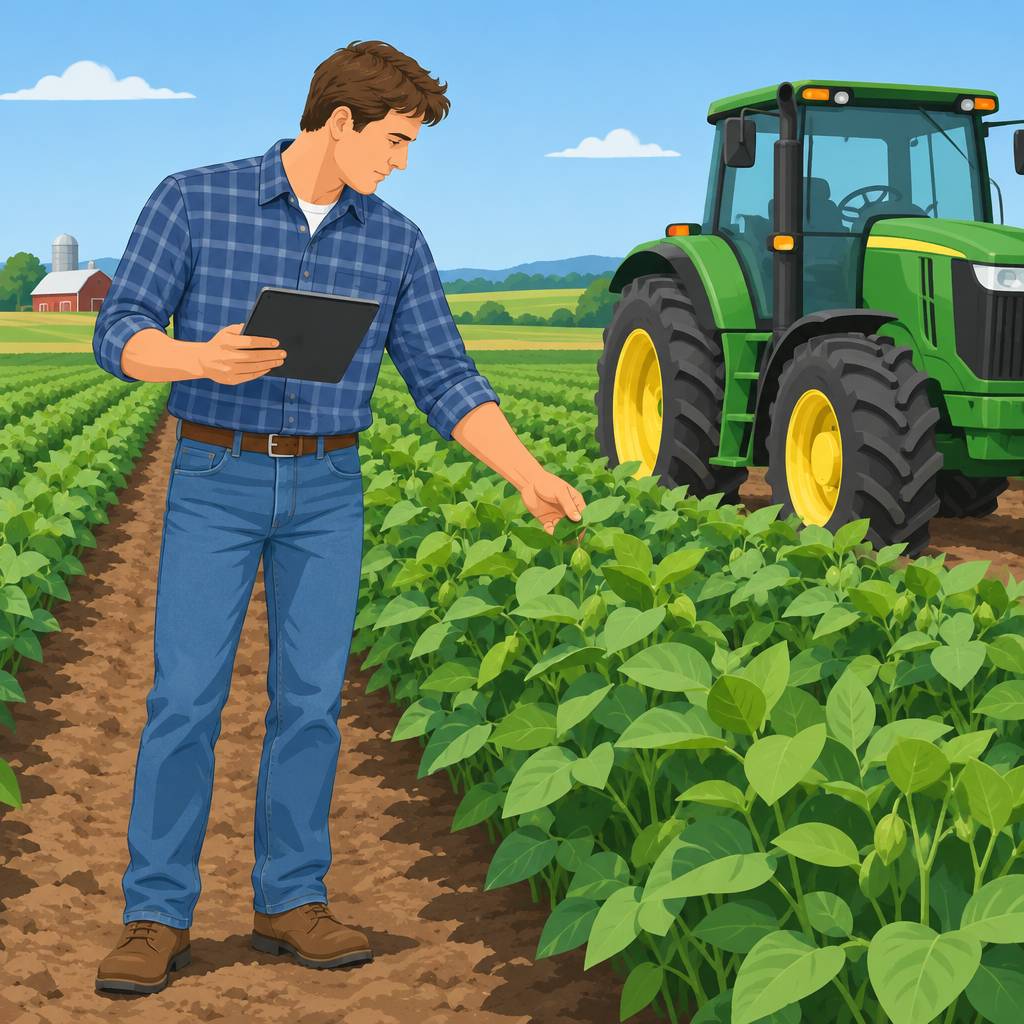
Administrative Tasks
Administrative work keeps farm activities organized and supports consistent daily operations.
Managers coordinate people, schedules, finances, regulations, and safety requirements.
These responsibilities also prepare the farm for future activities.
- Oversee daily operations and plan for future activities
- Coordinate schedules for employees and farm activities
- Manage payroll, budgets, and financial transactions
- Ensure compliance with regulations and safety standards
Record Keeping
Accurate records give managers reliable information about farm activities and results.
Furthermore, organized documentation supports financial reporting and payroll processing.
Detailed records also preserve information about equipment care and farm inputs.
- Maintain detailed records of crop yields and inputs
- Track expenses and revenues for accurate financial reporting
- Document employee hours and tasks for payroll processing
- Keep records of equipment maintenance and repairs
Reporting and Communication
Clear reporting helps management review production, expenses, and labor costs.
Regular communication keeps stakeholders informed about activities and performance.
Meanwhile, collaboration helps departments coordinate their work effectively.
- Prepare reports on production, expenses, and labor costs
- Communicate with management and regulatory agencies as needed
- Update stakeholders on farm activities and performance
- Collaborate with other departments for seamless operations
Inventory Management
Inventory management helps the farm maintain suitable supplies for ongoing activities.
Managers monitor stock, organize storage, and coordinate purchases.
As a result, accurate inventory records support efficient resource control.
- Monitor and track inventory levels of crops and supplies
- Coordinate purchasing and delivery of inputs and equipment
- Implement systems for efficient storage and organization
- Manage inventory records for accurate stock tracking
Equipment Maintenance
Planned equipment maintenance supports reliable farm operations.
Regular inspections help managers identify wear and coordinate necessary repairs.
Maintenance logs preserve useful information for future equipment servicing.
- Develop maintenance schedules for all farm equipment
- Monitor and inspect equipment for wear and tear
- Coordinate repairs and servicing with vendors or in-house staff
- Keep detailed logs of maintenance activities for future reference
Find Out More: How to Handle Market Crises in Agriculture
Sustainable Farm Management
Farm managers can reduce environmental harm while maintaining long-term productivity.
They guide sustainable practices that protect natural resources and support reliable farm performance.
Transform Your Career Today
Unlock a personalized career strategy that drives real results. Get tailored advice and a roadmap designed just for you.
Start NowTherefore, daily environmental decisions should balance production needs with conservation goals.
Soil Health Assessments
Regular soil assessments reveal nutrient levels, pH values, and organic matter content.
These results help managers identify specific soil needs and select targeted improvement strategies.
As a result, healthier soil can support stronger crop yields over time.
Soil Conservation Practices
Managers develop soil conservation plans to prevent erosion and degradation.
Conservation tillage protects soil structure while reducing disturbance.
Meanwhile, cover cropping and contour farming help control erosion and promote sustainable production.
Efficient Water Management
Effective water management matches irrigation schedules with crop needs and available water.
Drip irrigation, rainwater harvesting, and water recycling can reduce unnecessary water use.
Consequently, managers improve water efficiency across farm operations.
Waste and Emissions Reduction
Managers can compost organic waste and recycle plastic materials from farming activities.
Proper livestock manure management helps reduce waste and emissions.
In addition, these actions limit environmental impacts and strengthen sustainable farm practices.
Renewable Energy Adoption
Farm managers can explore renewable technologies to reduce reliance on non-renewable energy sources.
Solar panels, wind turbines, and biogas digesters can generate clean energy for operations.
By using these sources, farms can reduce greenhouse gas emissions and lower energy costs.
You Might Also Like: Extension Agents and Climate Change Adaptation
Continuous Learning
Farm managers must stay informed about industry trends and best practices.
- Attend workshops and conferences to stay up to date.
- Network with other farm managers to exchange ideas.
- Adapt to changes in agriculture to support sustainability.
Moreover, continuous learning helps managers respond to emerging technologies and agricultural practices.
Professional Networking
Building relationships with other professionals strengthens farm management knowledge.
- Networking creates opportunities for collaboration and knowledge sharing.
- Industry events and conferences connect managers with professional peers.
- These relationships help managers learn about current trends and practices.
Consequently, professional connections can support informed decisions within farm operations.
Adaptability in Agriculture
Adaptability helps farm managers respond to changing conditions in the agriculture sector.
- Weather pattern changes make adaptability especially important.
- Managers should remain open to change and new methods.
- Continuous learning and adaptation support long term sustainability.
Therefore, managers can strengthen operations by learning continuously and adapting to agricultural changes.
Farm Manager Contributions to Farm Success
Farm managers oversee daily farm operations and help maintain efficiency.
They supervise staff, manage budgets, and implement growth and sustainability strategies.
Therefore, their leadership connects daily responsibilities with broader farm goals.
Core Farm Manager Responsibilities
Farm managers plan, organize, and coordinate activities across the farm.
They oversee crop production, livestock management, equipment maintenance, and marketing efforts.
As a result, coordinated responsibilities support smooth farm operations.
Farm Manager Impact on Farm Performance
Farm managers contribute directly to successful agricultural operations.
Their knowledge, experience, and leadership skills help drive productivity and profitability.
By managing resources and addressing challenges, they support farm success and sustainability.
Additional Resources
Google search results for Farm Manager Responsibilities and Daily Tasks Agricultural
Bing search results for Farm Manager Responsibilities and Daily Tasks Agricultural


