




Veterinary Technician Internship Opportunities

Introduction

Internships are crucial for veterinary technician students to gain hands-on experience.

Various opportunities exist such as working in clinics.

They can also work in hospitals, shelters, or research facilities.

Researching Veterinary Technician Internship Opportunities

  • Research is crucial in finding the right internship to kickstart your career.

  • Start by checking veterinary clinics, hospitals, shelters, and organizations for openings.

  • Networking is key to discovering hidden internship opportunities in the veterinary field.

Researching veterinary technician internship opportunities is a vital step in your career journey.

It is essential to find the right internship that aligns with your career goals, interests, and skillset.

Conducting thorough research will enable you to make informed decisions and maximize the learning experience during your internship.

Here are some tips on how to effectively research and find the perfect veterinary technician internship opportunity.

Utilize Online Resources

Start your search by utilizing online resources such as job boards, career websites, and social media platforms.

Websites like Indeed, Glassdoor, and LinkedIn often list internship opportunities in the veterinary field.

Create profiles on these platforms and set up job alerts to stay updated on new openings.

Contact Veterinary Clinics and Hospitals

Reach out to local veterinary clinics, animal hospitals, and emergency care facilities to inquire about internship opportunities.

Many clinics offer internship programs for aspiring veterinary technicians.

Contact them via phone or email to express your interest and inquire about their internship application process.

Explore Animal Shelters and Rescue Organizations

Animal shelters and rescue organizations also provide valuable internship opportunities for aspiring veterinary technicians.

These settings allow you to work with a variety of animals and gain hands-on experience in a different work environment.

Reach out to shelters in your area and inquire about internship openings.

Attend Career Fairs and Networking Events

Networking is a powerful tool in finding internship opportunities in the veterinary field.

Attend career fairs, industry events, and networking sessions to connect with professionals in the field.

Building relationships with veterinarians, veterinary technicians, and industry experts can lead to valuable internship opportunities that may not be advertised publicly.

Utilize Your School’s Resources

If you are currently enrolled in a veterinary technician program, make use of your school’s resources and career services.

Many educational institutions have partnerships with local veterinary clinics and hospitals, facilitating internship placements for students.

Visit your school’s career center, speak to career advisors, and explore internship opportunities through school-related channels.

Join Professional Associations and Organizations

Consider joining professional associations and organizations in the veterinary field to expand your network and access exclusive internship opportunities.

Associations like the National Association of Veterinary Technicians in America (NAVTA) and the American Veterinary Medical Association (AVMA) often have resources and job boards dedicated to internship opportunities for veterinary technicians.

Become a member of these associations to stay informed about internship openings and industry trends.

By conducting thorough research and utilizing multiple resources, you can increase your chances of finding the ideal veterinary technician internship opportunity.

Remember to tailor your search to align with your career goals, interests, and desired learning outcomes.

Stay proactive, persistent, and open to new opportunities to make the most of your internship experience in the veterinary field.

Qualifications and Requirements for Veterinary Technician Internships

  • To qualify for internship positions, a high school diploma or equivalent is commonly required.

  • Relevant coursework in veterinary science or animal care can provide an advantage.

  • Experience working with animals, such as volunteering at a shelter, is beneficial.

Value of Coursework and Experience in Veterinary Internships

  • Relevant coursework ensures necessary knowledge and skills for the internship.

  • Experience working with animals improves understanding of behavior and care needs.

  • Employers appreciate candidates with hands-on experience in veterinary settings.

Certifications and Licenses Required for Veterinary Technicians

  • Many internships require candidates to be certified veterinary technicians.

  • Certification is usually obtained by passing the Veterinary Technician National Exam (VTNE).

  • Certain states also require veterinary technicians to hold licenses to practice.
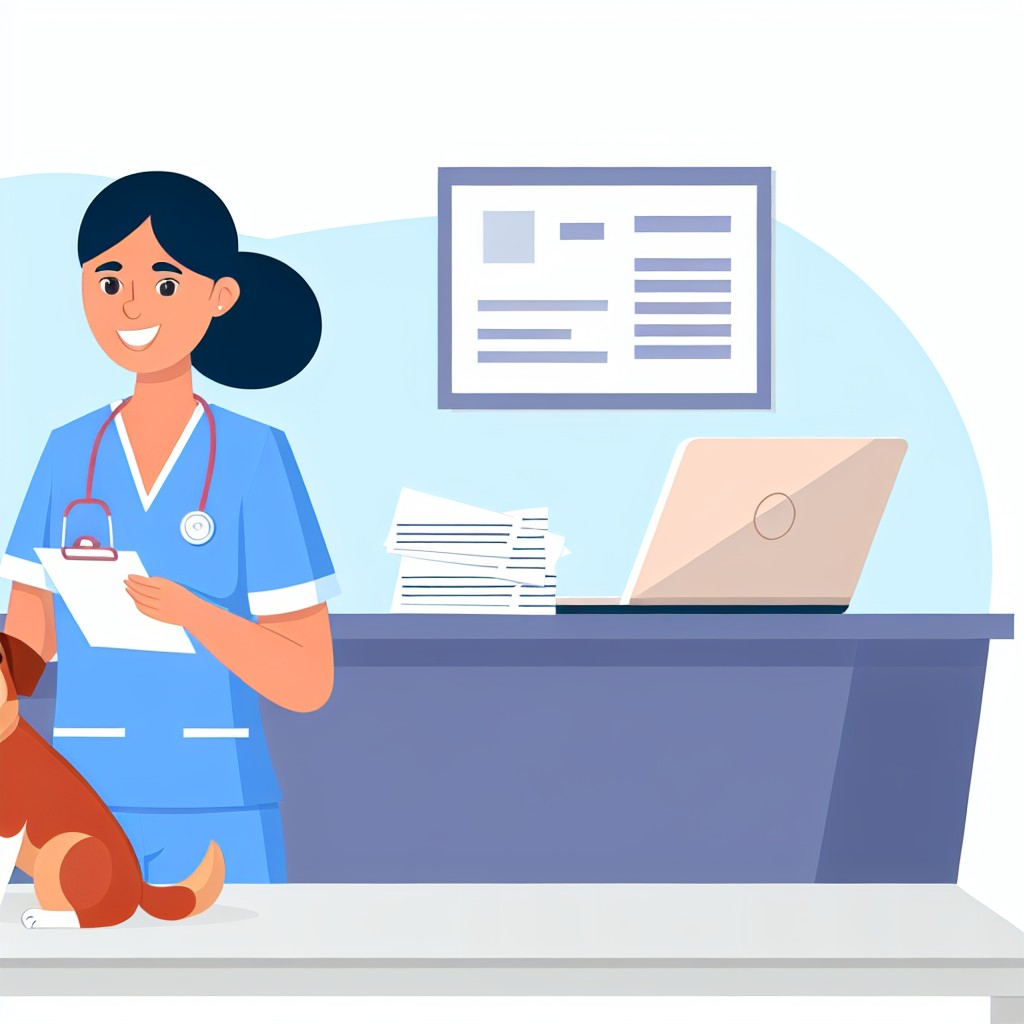
Interns should demonstrate strong communication skills, empathy for animals, and teamwork ability.

Discover More: The Role of Technology in Modern Viticulture

Application Process for Veterinary Technician Internships

  • Research various veterinary clinics.

  • Research hospitals.

  • Research organizations offering internships.

  • Review internship requirements including GPA.

  • Review needed references.

  • Review application deadlines.

  • Prepare a strong resume.

  • Highlight relevant coursework.

  • Highlight skills.

  • Highlight experiences.

  • Write a personalized cover letter.

  • Express your interest in the internship.

  • Express your qualifications.

  • Submit application materials online.

  • Submit application materials by mail.

  • Follow instructions provided.

Tips on Writing a Strong Resume and Cover Letter

  • Quantify your experiences with specific numbers.

  • Quantify your experiences with percentages.

  • Use action verbs to describe responsibilities.

  • Customize your resume for each internship.

  • Customize your cover letter for each internship.

  • Showcase relevant coursework.

  • Showcase certifications.

  • Showcase extracurricular activities related to veterinary medicine.

  • Proofread your resume many times.

  • Proofread your cover letter many times.

  • Check for grammatical and spelling errors.

The Importance of Following Up After Submitting an Application

  • Send a thank-you email to the internship coordinator.

  • Send a thank-you note after submitting your application.

  • Express continued interest in the internship.

  • Inquire about the selection timeline.

  • Follow up with a phone call one week after the deadline.

  • Follow up with an email one week after the deadline.

  • Ask for feedback on your application.

  • Stay proactive throughout the application process.

  • Stay engaged to show your commitment.

Learn More: Regulatory Considerations in Agricultural Marketing

Interview Preparation for Veterinary Technician Internships

  • Research the clinic or hospital you are interviewing with to show your interest and knowledge.

  • Prepare examples of how you have handled challenging situations in a veterinary setting.

  • Practice answering common interview questions such as why you want to be a vet tech.

  • Be prepared to discuss your experience with animals and any relevant coursework or certifications.

Interviews for veterinary technician internships can be nerve-racking.

With the right preparation, you can increase your chances of success.

Here are some tips to help you ace your internship interview:

Sample Interview Questions

  • Why do you want to pursue a career as a veterinary technician?

  • Can you describe a time when you had to handle a difficult or aggressive animal?

  • How do you prioritize tasks in a fast-paced veterinary environment?

  • Have you had experience assisting in surgeries or performing routine medical procedures?

Tips for Answering Interview Questions

  • Be honest and sincere in your responses, and showcase your genuine passion for working with animals.

  • Provide specific examples to illustrate your skills and experience in a veterinary setting.

  • Highlight any relevant coursework, certifications, or volunteer work that demonstrates your commitment to the field.

  • Demonstrate your ability to work well in a team and communicate effectively with both colleagues and pet owners.

During the interview, it is important to showcase your relevant skills and experiences.

These qualities make you a strong candidate for the veterinary technician internship.

Emphasize your ability to handle animals, your knowledge of veterinary procedures, and your passion for providing quality care.

Additionally, be prepared to discuss any previous internships or work experiences that have equipped you with necessary skills.

Transform Your Career Today

Unlock a personalized career strategy that drives real results. Get tailored advice and a roadmap designed just for you.

Start Now

Highlight your ability to work well under pressure, your attention to detail, and your strong work ethic.

Importance of Showcasing Relevant Skills and Experiences

Employers seek candidates who have both the technical skills and compassion to care for animals.

Showcasing your relevant skills and experiences demonstrates your readiness for the veterinary technician internship responsibilities.

Remember to stay calm, confident, and enthusiastic during the interview.

Show your genuine interest in the field and communicate your willingness to learn and grow as a veterinary technician.

With thorough preparation and a positive attitude, you can make a lasting impression on the interviewers.

This strategy increases your chances of landing the veterinary technician internship of your dreams.

Delve into the Subject: Federal vs. State Agricultural Policies Explained

Internships provide numerous benefits for veterinary technician students.

Hands-On Experience

  • Internships offer hands-on experience in a real veterinary setting.

  • Students learn how to handle animals and perform medical procedures.

  • Practical skills such as administering medication and assisting in surgeries are gained.

Networking Opportunities

  • Internships allow students to network with professionals in the field.

  • Build relationships that can lead to job opportunities in the future.

  • Mentorship from experienced veterinary technicians can guide career decisions.

Career Advancement

  • Internships provide a competitive edge when seeking employment after graduation.

  • Employers value hands-on experience gained through internships.

  • Internships can lead to job offers or recommendations for full-time positions.

Development of Professional Skills

  • Internships help students develop communication and teamwork skills.

  • Learn how to interact with clients and work effectively in a veterinary team.

  • Gain a better understanding of the daily responsibilities of a veterinary technician.

Enhancing Your Resume with Internship Experience

  • Internships enhance the resume by showcasing practical experience.

  • Demonstrate skills and knowledge gained in a hands-on environment.

  • Stand out to employers with internship experience on a resume.

Completing a veterinary technician internship offers many benefits for students.

Students gain hands-on experience and practical skills.

Internships also provide valuable networking opportunities and career advancement.

They play a crucial role in preparing students for a successful career in veterinary medicine.

Do not miss the chance to enhance your education and job prospects through an internship.

Learn More: Collaborative Projects Led by Extension Agents

Veterinary Technician Internship Opportunities

Common Challenges Faced During Veterinary Technician Internships

  • Feeling overwhelmed by the amount of new information to learn.

  • Dealing with difficult clients or patients who may be uncooperative.

  • Managing time efficiently to complete tasks within the internship.

  • Feeling anxious or stressed about making mistakes on the job.

Tips for Overcoming Challenges

  • Break down tasks into smaller steps to make them more manageable.

  • Communicate openly with supervisors about any difficulties you are facing.

  • Practice self-care and stress management techniques to stay balanced.

  • Seek feedback from mentors on how to improve your skills and performance.

The Importance of Seeking Support

One of the most crucial aspects of navigating challenges during a veterinary technician internship is seeking support from mentors and supervisors.

These experienced professionals can provide guidance, advice, and resources to help you overcome obstacles and grow in your role.

By maintaining open communication and being receptive to feedback, you can learn from their expertise and develop into a confident and competent veterinary technician.

Making a Lasting Impression

During your veterinary technician internship, it is important to make a lasting impression on your supervisors and colleagues.

Show dedication.

Show enthusiasm.

Show a strong work ethic to leave a positive impact.

Taking Initiative

Take the initiative to seek out additional learning opportunities during your internship.

Offer to assist with different tasks.

Volunteer for new experiences.

Show your willingness to go above and beyond.

Asking Questions

Do not be afraid to ask questions during your internship.

Seeking clarification and guidance shows that you are eager to learn and improve.

Your supervisors will appreciate your curiosity and proactive approach.

Seeking Feedback

Request feedback regularly from your supervisors to track your progress and identify areas for improvement.

Use this feedback to grow professionally.

Demonstrate your commitment to your development as a veterinary technician.

Building Relationships

Build strong relationships with your colleagues and supervisors during your veterinary technician internship.

Foster open communication.

Foster mutual respect.

Foster a positive attitude to create a supportive work environment.

Networking in the Veterinary Field

Use your internship as an opportunity to network within the veterinary field.

Attend industry events.

Connect with professionals in the field.

Engage with potential mentors.

Transform Your Career Today

Unlock a personalized career strategy that drives real results. Get tailored advice and a roadmap designed just for you.

Start Now

Networking can open doors to future career opportunities.

Demonstrating Professionalism

Display professionalism in all aspects of your internship.

Show up on time.

Dress appropriately.

Communicate effectively.

Demonstrate a strong work ethic.

Your professional demeanor will leave a lasting impression on your supervisors.

Embracing Challenges During Your Internship

Embrace challenges and new experiences during your veterinary technician internship.

Step out of your comfort zone.

Take on tasks that push your boundaries.

Approach obstacles with a positive mindset.

Facing challenges head-on will help you grow and develop as a professional.

Reflecting on Your Internship Experience

Take time to reflect on your internship experience and identify key takeaways.

Consider what you have learned.

Consider how you have grown professionally.

Consider what skills you have developed.

Use this self-reflection to set goals for your future career as a veterinary technician.

Advancing Education and Professional Development

After completing your internship, continue your education and professional development as a veterinary technician.

Pursue advanced certifications.

Attend workshops and seminars.

Stay current on industry trends.

Lifelong learning is essential for success in the veterinary field.

Value of Veterinary Technician Internships

Veterinary technician internship opportunities provide invaluable experience for aspiring professionals.

These internships offer hands-on practice in various aspects of veterinary care.

Interns learn directly from experienced veterinary technicians.

They gain exposure to a wide variety of animals during their internships.

This exposure helps interns develop clinical skills effectively.

Internships also build confidence in their abilities and knowledge.

Engaging in internships gives students a competitive edge in the job market.

Employers highly value practical experience gained through internships.

Internships provide a solid foundation for a successful veterinary technician career.

Students should actively seek and participate in available internship opportunities.

The knowledge and experience acquired during internships benefit future professional roles.

Interns also contribute significantly to the overall welfare of animals through their work.

Additional Resources

For U.S. College and University Students | USA StudyAbroad

Internships and Career Opportunities | Home

Leave a Reply

Your email address will not be published. Required fields are marked *