




Animal Nutritionist Education and Responsibilities
Animal nutritionists help protect animal health and well-being in animal care and agriculture.
People pursuing this career must meet specific education requirements.
These professionals formulate diets according to animals’ nutritional and health needs.
Their expertise supports livestock, pets, and wildlife as they grow and remain healthy.
Educational Background
- A bachelor’s degree in animal science or a related field prepares aspiring animal nutritionists.
- Relevant coursework in animal nutrition, biology, and chemistry provides an essential foundation.
- Additionally, a master’s degree or Ph.D. in animal nutrition can enhance job prospects.
Hands-On Experience in Animal Nutrition
- Internships provide practical experience in animal nutrition settings.
- Real-world work develops skills for dietary formulation and nutritional assessment.
- Volunteer work and research projects offer additional experience.
Hands-on experience plays a crucial role in preparing successful animal nutritionists.
Internships and workplace opportunities let aspiring professionals apply theoretical knowledge in real-world animal nutrition settings.
In these settings, participants learn to formulate diets and assess animal nutritional needs.
They also practice addressing specific health issues affecting animals.
Furthermore, direct work helps participants develop practical skills for future responsibilities.
Internships create opportunities to connect with professionals and receive mentorship from experienced animal nutritionists.
This guidance can offer support and valuable career insights.
Volunteer work and research projects also strengthen practical knowledge.
By participating in these activities, individuals deepen their understanding of nutrition principles.
They also gain exposure to different species and nutritional requirements.
Thus, real-world involvement builds the skills, knowledge, and professional connections needed in animal nutrition.
You Might Also Like: How to Secure Funding for Conservation Projects
Certification and Licensure for Animal Nutritionists
Professional animal nutritionists need certifications to demonstrate their expertise.
First, research a reputable certification program that matches your career goals.
Then, complete the required coursework or training to develop essential knowledge and skills.
- Research and choose a reputable certification program that aligns with your career goals.
- Complete the required coursework or training program to gain necessary knowledge and skills.
- Pass the certification exam to demonstrate mastery of animal nutrition concepts.
- Obtain certification and licensure to practice officially as a certified animal nutritionist.
Certification can provide several professional benefits for animal nutritionists.
- Certification can enhance your credibility and reputation within the industry.
- It can increase job opportunities and support career advancement.
- Specialized certification may allow you to charge higher service fees.
- Clients and employers can recognize you as a qualified animal nutrition professional.
Additionally, animal nutritionists should follow continuing education requirements.
- Continuing education keeps you current with animal nutrition research and developments.
- It demonstrates your commitment to lifelong learning and professional growth.
- Some certifications require continuing education credits to maintain certification status.
- Conferences, workshops, and webinars provide networking opportunities and exposure to new ideas.
You Might Also Like: Top Qualities of Successful Agricultural Quality Inspectors
Animal Nutrition Specialization Areas
Animal nutritionists can specialize in several areas.
These areas address the dietary needs of different animals.
Common examples include equine nutrition and livestock nutrition.
Education and Training for Specialization
Specializing in one area often requires additional education or training.
For example, equine nutrition may require courses focused on horses’ dietary requirements.
This preparation helps nutritionists understand the needs of a chosen animal group.
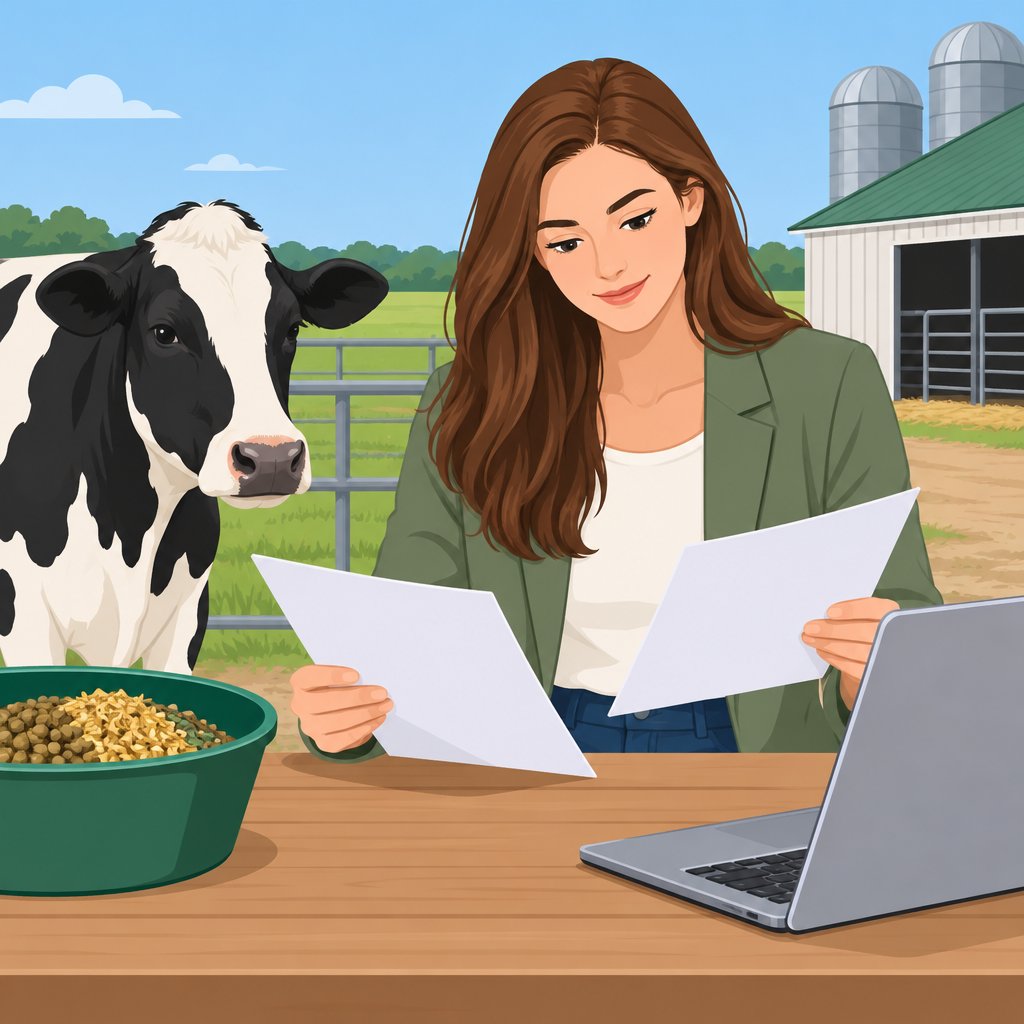
Advantages of Animal Nutrition Specialization
Specialists develop deeper knowledge within their chosen area.
Consequently, they can provide tailored nutritional recommendations for animals.
This expertise can support customized feeding programs for health and performance.
- Specialists can work with horses or livestock and create customized feeding programs.
- Specialization can increase demand from pet owners, breeders, and animal industries.
- Specialists may find opportunities for research and innovation in their field.
- Focused work helps nutritionists build strong networks and reputations within their niche.
Delve into the Subject: Common Misconceptions About Agricultural Biotechnology
Continuing Education
- Lifelong learning is crucial for animal nutritionists to stay current in their field.
- Attending conferences, workshops, and seminars helps professionals stay informed about the latest research and advancements.
- These educational opportunities allow animal nutritionists to expand their knowledge and skill set.
- By pursuing continuing education, professionals can enhance their credibility and reputation in the industry.
- Additionally, these events help professionals network with peers and experts in the field.
- Animal nutritionists who engage in continuing education demonstrate their commitment to professional growth.
- Furthermore, continuing education opens potential career advancement opportunities for professionals seeking career progression.
- Staying updated on new trends ensures that animal nutritionists provide the best possible care.
- Continuing education helps professionals adapt to regulatory changes and evolving best practices in animal nutrition.
- Employers value employees who invest in their professional development through continuous learning.
You Might Also Like: Career Path: From Trainee to Pest Control Advisor
Skills and Qualities for Animal Nutritionists
- Communication skills
- Attention to detail
- Problem-solving abilities
Analytical skills help nutritionists evaluate data and research findings.
These evaluations support effective nutrition plans for animals.
Critical thinking allows nutritionists to assess situations and make informed decisions.
Animal nutritionists often work independently when creating meal plans and analyzing diets.
However, collaboration with veterinarians and animal scientists also supports animal health and well-being.
Strong communication helps professionals share dietary recommendations clearly with their colleagues.
Attention to detail supports accurate diet analysis and meal planning.
Transform Your Career Today
Unlock a personalized career strategy that drives real results. Get tailored advice and a roadmap designed just for you.
Start NowProblem-solving abilities help nutritionists respond to dietary challenges effectively.
Career Outlook and Earnings
Animal nutritionists can expect a positive job outlook as awareness of proper animal nutrition continues to grow.
Furthermore, pet ownership and animal welfare concerns are increasing the need for nutrition specialists.
Demand should grow across pet food companies, animal research programs, and agricultural operations.
- Animal nutritionists can find opportunities with pet food companies and agricultural operations.
- Research organizations also employ professionals who study animal nutrition.
- Government agencies, zoos, aquariums, and veterinary clinics offer additional employment settings.
- Growing animal welfare concerns continue to support demand for nutrition expertise.
Typically, animal nutritionists earn competitive salaries ranging from $45,000 to $80,000 per year.
- Education level can affect an animal nutritionist’s earnings.
- Years of experience may also influence compensation.
- Specialization and geographic location can further affect salary levels.
- Advanced degrees or certifications may help professionals command higher salaries.
- Experience with specific animals or specialized nutrition areas may increase earning potential.
Career Paths and Advancement
Animal nutritionists can pursue several career paths that support animal health and professional growth.
Some professionals specialize in cats, dogs, horses, or exotic animals.
Others develop dietary supplements, conduct research, teach in academia, or lead nutrition programs.
Additionally, professionals may work in government agencies, zoos, aquariums, or veterinary clinics.
- Species-focused roles allow nutritionists to serve cats, dogs, horses, or exotic animals.
- Research roles can involve developing new dietary supplements.
- Academic positions allow experienced professionals to educate future nutritionists.
- Leadership opportunities include nutrition director positions and consulting businesses.
These opportunities allow animal nutritionists to build fulfilling careers while improving animal health and well-being.
Animal Nutrition Careers Create Broad Opportunities
A strong foundation in animal science, biology, or nutrition supports entry into animal nutrition careers.
Specialists may focus on companion animals, livestock, or exotic species.
Practical internships and research projects strengthen candidates’ job prospects.
Meanwhile, opportunities exist in pet food companies, farms, zoos, and research institutions.
These settings offer varied professional pathways for people interested in animal nutrition.
Animal nutritionists help meet animals’ dietary needs and support their quality of life.
Moreover, aspiring professionals can explore roles involving household pets, farm animals, or wildlife.
Each setting allows nutritionists to contribute to animal health and well-being.
Therefore, education and practical experience can prepare individuals for meaningful work in this field.
Additional Resources
Google search results for Education Requirements for Animal Nutritionists Agricultural
Bing search results for Education Requirements for Animal Nutritionists Agricultural


