




Introduction
Animal welfare is paramount in the dairy industry.
Ethical treatment supports productivity.
Dairy scientists improve animal welfare through research and best practices.
Research on Animal Behavior
Dairy scientists study animal behavior to understand the needs and preferences of dairy animals.
This research supports strategies that improve living conditions and reduce stress for dairy animals.
Additionally, behavioral studies help researchers identify conditions that influence animal welfare.
- Dairy scientists conduct research on animal behavior to better understand dairy animals.
- This research helps develop strategies that improve living conditions and reduce stress.
Researchers observe animals in natural habitats and controlled settings to understand their environmental interactions.
These observations reveal behavioral patterns that may indicate stress or discomfort.
Consequently, scientists can develop interventions that address welfare concerns and improve daily conditions.
Behavioral research also helps scientists recognize signs of good welfare in dairy animals.
Relaxed postures and positive social interactions can indicate contentment.
These indicators help researchers monitor herd welfare and make informed management decisions.
Furthermore, scientists examine how animals respond to housing conditions, feeding practices, and management strategies.
Those findings guide the design of environments that support physical and mental well-being.
This proactive approach promotes healthier and more comfortable dairy herds.
Behavioral insights benefit dairy animals while supporting the health and productivity of dairy operations.
Nutrition Studies Supporting Dairy Animal Welfare
Dairy scientists examine nutritional needs to help dairy animals receive balanced diets.
Proper nutrition supports animal health, welfare, growth, and production.
These studies guide feed choices for cows, goats, and sheep.
- Dairy scientists study nutritional needs to support balanced diets.
- Balanced diets help dairy animals maintain health and well-being.
Scientists analyze feed quality against each animal’s nutritional requirements.
They assess protein, carbohydrates, fats, vitamins, and minerals when developing balanced feed.
Consequently, suitable feed can help prevent disease and support healthy growth and production.
Scientists also examine feed efficiency to improve nutrient use and reduce waste.
Better feed conversion benefits animals and can reduce dairy farming’s carbon footprint.
Through nutrition research, dairy scientists strengthen animal welfare across dairy operations.
Discover More: Farm Manager's Role in Biodiversity Conservation
Housing and Environment for Dairy Animal Welfare
Housing and environment play a crucial role in dairy animal welfare.
Therefore, dairy scientists design facilities that support comfortable living conditions.
These efforts can improve animals’ well-being and quality of life.
Factors Considered in Dairy Housing
Scientists consider space, ventilation, and temperature when planning dairy housing.
Additionally, each condition can affect animal comfort, health, or productivity.
Together, these factors guide facilities that support dairy animal welfare.
- Space: Dairy scientists provide enough room for each animal to move comfortably.
- Ventilation: Proper airflow helps maintain air quality and reduce respiratory risks.
- Temperature control: Scientists regulate housing temperatures to protect animal health and productivity.
Consequently, well-designed housing supports comfortable conditions for dairy animals.
Learn More: Impact of Nutrition on Livestock Productivity
Health Monitoring and Disease Prevention
Dairy scientists monitor herd health regularly to detect diseases early and prevent their spread.
They also use preventive measures that support dairy animal welfare.
Regular monitoring helps scientists assess each animal through physical exams, behavior observations, appetite checks, and medical records.
- Dairy scientists conduct regular health monitoring to detect diseases early.
- They implement prevention measures that support better welfare.
Early detection helps prevent diseases from spreading throughout the herd.
Scientists use blood tests and fecal exams to identify potential health concerns promptly.
They can then act quickly and reduce the risk of further complications.
Transform Your Career Today
Unlock a personalized career strategy that drives real results. Get tailored advice and a roadmap designed just for you.
Start NowDisease prevention includes vaccination programs, biosecurity measures, and proper sanitation practices.
These strategies reduce disease risks and support a healthier environment for animals.
Healthy cows are more likely to produce high-quality milk and reproduce successfully.
Maintaining herd health can improve dairy farm productivity and efficiency.
Dairy scientists protect animal welfare while supporting the farm’s profitability.
Find Out More: Effective Lesson Plans for Agricultural Education
Reproductive Health and Breeding Practices
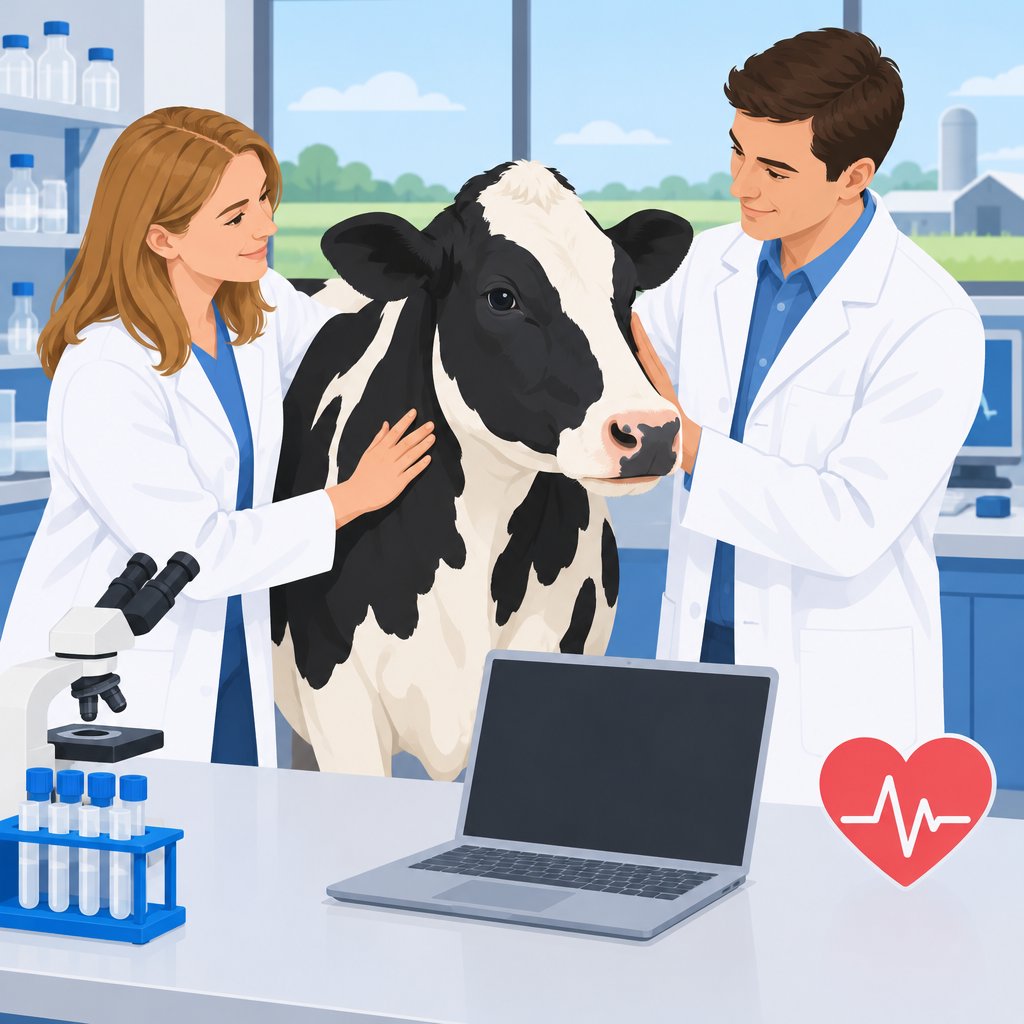
Dairy scientists study reproductive health and breeding practices to support dairy animal well-being.
- They seek to improve fertility rates through targeted interventions and reproductive technologies.
- Additionally, genetic selection helps scientists produce healthy and resilient dairy animals.
- Scientists select breeding pairs using genetic markers and desired traits to improve herd health and productivity.
- Furthermore, artificial insemination and embryo transfer help optimize breeding and support successful reproduction.
This work supports a sustainable and ethical dairy industry.
It also strengthens animal welfare standards and dairy farming’s long-term success.
Uncover the Details: Educational Outreach by Extension Agents
Stress Reduction Techniques for Dairy Animal Welfare
Dairy scientists help improve animal welfare by ensuring dairy animals receive respectful and attentive care.
One important focus involves techniques that reduce stress among dairy animals.
These methods create comfortable environments and support animal health and quality of life.
- Enrichment activities: Scientists provide toys, puzzles, and other enrichment activities.
These activities stimulate animals’ minds and bodies while encouraging natural behaviors. - Socialization opportunities: Scientists provide opportunities for animals to interact socially.
These interactions support mental well-being, reduce stress, and promote contentment. - Handling practices: Scientists promote gentle and calm handling during milking and veterinary care.
These practices help animals feel safe, reduce anxiety, and support their welfare.
By combining these approaches, dairy scientists create more positive environments for dairy animals.
Consequently, dairy animals can experience better health and improved well-being.
Collaboration with Industry Stakeholders
Dairy scientists collaborate with farmers, veterinarians, and other industry stakeholders to improve dairy animal welfare.
By working together, they implement best practices and innovations that benefit dairy animals.
This collaboration connects scientific knowledge with practical care across dairy farms and the wider supply chain.
- Farmers and scientists develop practical welfare improvements together.
- Veterinarians and scientists create strategies that support animal health and comfort.
Farmers manage daily care, so their insights help scientists identify practical welfare opportunities.
Consequently, teams can tailor solutions to each farm’s specific challenges and needs.
Veterinarians contribute expertise in animal health, helping teams identify and address welfare concerns.
Together, they can develop welfare strategies that prioritize animal health and comfort.
Additionally, processors, retailers, and animal welfare organizations support improvements throughout the dairy supply chain.
These partnerships encourage consistent welfare practices from farms to consumers.
Through shared expertise, stakeholders can drive innovation and promote better practices for dairy animals.
Such cooperation strengthens the industry’s commitment to improving animal quality of life.
Education and Outreach
- Dairy scientists engage in education and outreach to raise awareness about animal welfare in the dairy industry.
- They provide farmers and the public with information about animal welfare best practices.
- They share advancements in animal welfare to promote continued improvement.
Dairy Scientists’ Role in Advancing Animal Welfare
Dairy scientists play a crucial role in enhancing animal welfare within the dairy sector.
Their dedication and expertise help implement better practices and standards for dairy animals.
Moreover, ongoing research and field advancements improve animals’ living conditions and quality of life.
By prioritizing welfare, dairy scientists support a sustainable and ethical industry that values animal health and happiness.
Additional Resources
Google search results for How Dairy Scientists Improve Animal Welfare Agricultural
Bing search results for How Dairy Scientists Improve Animal Welfare Agricultural


