




Livestock Housing and Facility Management
Livestock housing and facility management organize structures and spaces for animals.
Proper housing directly supports livestock health and well-being.
Therefore, effective facility planning helps create suitable animal environments.
Key Facility Management Considerations
First, managers should maintain proper ventilation and air quality inside livestock housing.
Additionally, facilities need effective waste management practices.
Finally, managers should address temperature, flooring, and lighting needs.
- Maintain proper ventilation and air quality in livestock housing.
- Use effective waste management practices within facilities.
- Control temperatures appropriately for different types of livestock.
- Choose flooring materials that support comfort and hygiene.
- Provide proper lighting to support animal well-being and productivity.
Types of Livestock Housing
Livestock housing provides shelter and protection for different animal species.
Each housing type offers specific advantages and disadvantages.
Therefore, producers should match housing choices with livestock needs.
Barns
Barns provide strong protection from changing weather conditions.
Additionally, producers can insulate barns to help control temperatures.
However, barns require regular maintenance and may cost more to build and maintain.
- Pros: Barns provide excellent protection from the elements and can support temperature control.
- Cons: Barns require regular maintenance and may cost more to build and maintain.
Sheds
Sheds offer a cost-effective housing option for livestock.
Furthermore, producers can customize sheds for different livestock species.
However, sheds may provide limited protection during extreme weather.
- Pros: Sheds provide a cost-effective option and can suit different livestock species.
- Cons: Sheds may offer limited protection from extreme weather and provide inadequate space.
Open-Air Structures
Open-air structures allow natural ventilation around livestock.
They can also provide animals with a more natural environment.
Nevertheless, these structures offer less protection and may not suit every species.
- Pros: Open-air structures provide natural ventilation and a more natural environment.
- Cons: Open-air structures offer less protection and may not suit all livestock species.
Factors Affecting Housing Choices
Climate determines how much protection livestock housing should provide.
Space requirements also affect how comfortably livestock can move inside the housing.
Additionally, cost, maintenance, and flexibility influence the most suitable housing choice.
- Climate: Choose housing that protects livestock from local weather conditions.
- Space: Provide enough room for livestock to move comfortably.
- Cost: Compare construction and maintenance costs before choosing housing.
- Maintenance: Select housing that matches your ability to maintain it.
- Flexibility: Choose housing that can adapt to changing livestock populations or needs.
Careful comparison of housing types helps support livestock health and well-being.
Proper Design Supports Farm Productivity
Proper facility design supports efficient livestock management and productive farm operations.
Furthermore, a suitable layout can improve animal welfare and strengthen farm profitability.
Managers can organize work areas to support consistent daily routines.
Ventilation, Lighting, and Temperature Control
Effective ventilation removes excess heat, moisture, and odors from livestock facilities.
Meanwhile, adequate lighting promotes animal comfort and supports productive conditions.
Temperature control keeps animals within suitable conditions for growth and reproduction.
Space Utilization and Handling Access
Efficient space use accommodates animals comfortably and helps prevent overcrowding.
Therefore, managers can optimize pen sizes and alleyways for animal and personnel movement.
Accessible feeding and handling areas support efficient practices and reduce animal stress.
These design choices promote welfare, productivity, and successful farm operations.
Explore Further: How Poultry Scientists Ensure Animal Welfare
Comfortable Bedding for Livestock
Providing comfortable bedding supports livestock health and well-being.
Well-maintained bedding helps prevent injuries and reduces stress.
It also promotes better sleep for animals.
Bedding Materials for Different Livestock
Different livestock species require bedding materials that match their needs.
Straw cushions animals and provides insulation.
Wood shavings absorb moisture, while sawdust creates comfortable resting surfaces.
- Straw suits cattle and horses because it provides cushioning and insulation.
- Wood shavings suit poultry and small animals because they absorb moisture.
- Sawdust suits pigs and goats because it provides a comfortable resting surface.
Flooring Options and Animal Welfare
Flooring choices affect animal welfare, cleanliness, and hygiene.
Transform Your Career Today
Unlock a personalized career strategy that drives real results. Get tailored advice and a roadmap designed just for you.
Start NowDurable surfaces simplify cleaning, while softer surfaces can cushion animals.
However, each flooring type can create different welfare considerations.
- Concrete lasts long and cleans easily, but it can feel hard on animal hooves.
- Rubber mats provide cushioning and warmth while reducing leg fatigue in cows.
- Slatted floors let manure fall through, but they may cause leg issues in pigs.
Selecting suitable bedding and flooring helps create comfortable livestock housing.
Regular maintenance and cleaning can improve animals’ quality of life.
Farm managers should consider each species’ specific needs when choosing materials and surfaces.
You Might Also Like: Ethical Considerations for Agricultural Loan Officers
Waste Management Systems
Proper waste management supports healthy livestock environments.
It also reduces odors, controls pests, and protects nearby water sources.
Therefore, livestock facilities need organized systems for handling and treating waste.
Importance of Proper Waste Management
Effective waste management helps prevent pollution around livestock facilities.
It also reduces health risks for animals and workers.
Additionally, consistent sanitation minimizes odors and discourages pests.
- Prevents environmental pollution
- Reduces health risks for animals and workers
- Improves overall sanitation in the facility
- Minimizes odors and pests
Different Waste Management Systems
Livestock facilities can choose waste systems according to operation size and available resources.
Each system handles organic waste differently.
Managers must maintain these systems carefully to limit environmental contamination.
- Composting: This method decomposes organic materials and produces compost for use as fertilizer.
- Lagoons: These large, man-made ponds store and treat animal waste.
- Manure Storage: Designated storage areas help prevent runoff and nutrient leaching.
Strategies for Minimizing Environmental Impact
Facilities can reduce environmental impacts by applying consistent waste management practices.
Regular inspections help workers maintain storage facilities and identify management needs.
Furthermore, trained staff can use treatment technology more effectively.
- Implement proper waste management systems
- Regularly monitor and maintain waste storage facilities
- Utilize technology for efficient waste treatment
- Properly train staff on waste management practices
Maximizing Nutrient Recycling from Waste
Livestock waste contains nutrients that can support soil fertility.
Facilities can recycle these nutrients through composting, grazing, and anaerobic digestion.
Local partnerships can also support exchanges of useful nutrients.
- Use composted manure as organic fertilizer
- Implement rotational grazing to distribute nutrients evenly
- Consider anaerobic digestion to produce biogas from waste
- Explore partnerships with local farmers for nutrient exchange
Effective waste management can reduce environmental impacts and support sustainable livestock facility operations.
Delve into the Subject: How Agricultural Economists Support Farm Businesses
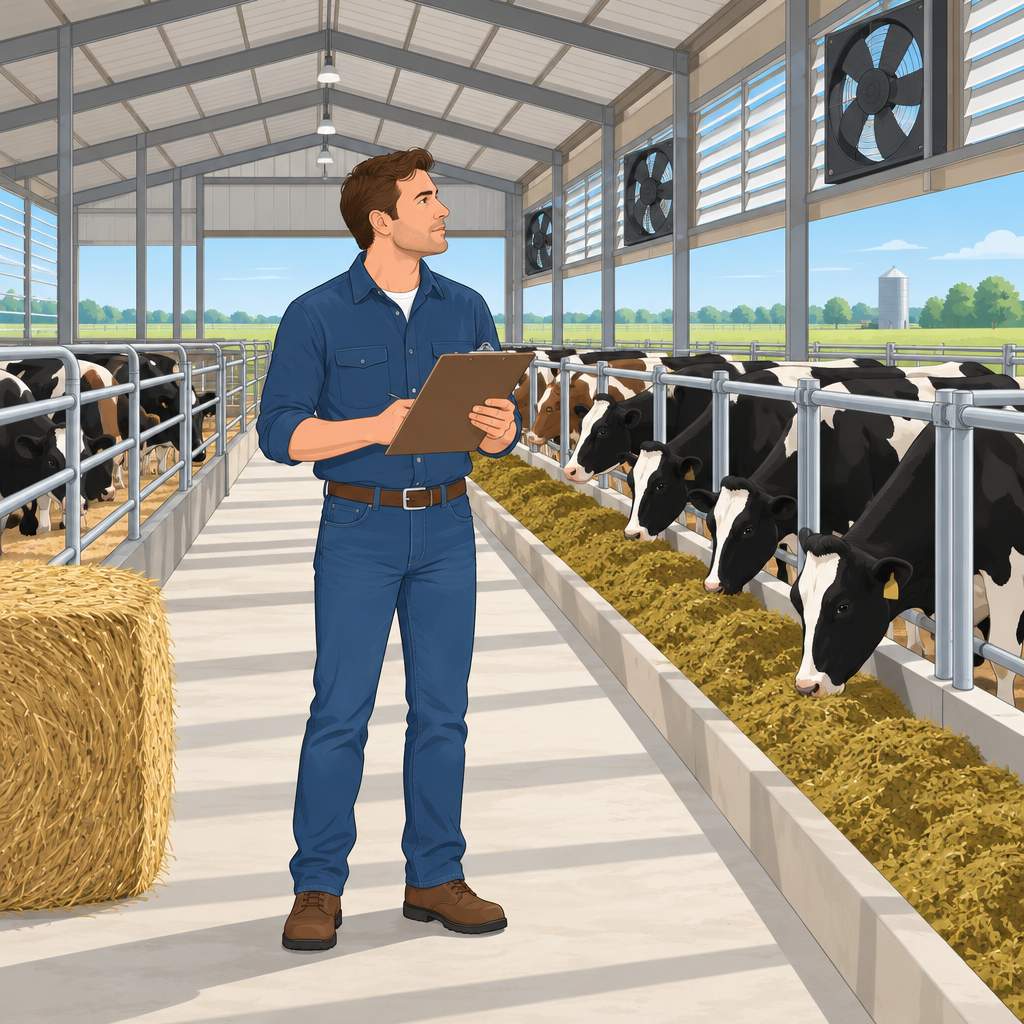
Importance of Biosecurity
Biosecurity measures help prevent disease from spreading within livestock operations.
Effective protocols safeguard animal health and protect the operation’s economic viability.
Therefore, producers can reduce disease transmission risks and limit potential financial losses.
Strategies for Implementing Biosecurity Protocols
Producers can strengthen farm protection by controlling access and monitoring incoming livestock.
Additionally, regular equipment disinfection and consistent worker hygiene can reduce transmission risks.
- Limit farm entry to essential personnel and visitors, then require everyone to follow biosecurity protocols.
- Maintain visitor logs to track access and support effective disease control.
- Quarantine incoming livestock to monitor illness signs before joining the existing herd.
- Clean and disinfect tools, equipment, and vehicles regularly to reduce disease transmission between animals.
- Require workers to wash their hands, wear clean clothing, and use hand sanitizers.
Tips for Maintaining Hygiene and Sanitation
Clean facilities help limit pathogen buildup and support healthier livestock environments.
Furthermore, organized waste management reduces disease transmission and removes biohazardous materials.
Routine health checks help workers identify and address illness quickly.
- Clean and disinfect livestock housing areas, feeding equipment, and water sources regularly.
- Remove manure and other biohazardous materials through an organized waste disposal system.
- Conduct routine health checks to identify signs of illness or disease promptly.
- Provide animals with clean, fresh water to support health and prevent waterborne disease spread.
Biosecurity and Livestock Operation Sustainability
Biosecurity measures support the health and productivity of livestock operations.
By following strict protocols, producers protect animals and reduce risks to their investment.
Consequently, every stakeholder should prioritize biosecurity to support sustainable livestock production.
Find Out More: How to Start a Career in Farm Management
Monitoring Livestock Health and Performance
Livestock health and performance indicate animal well-being and production results.
Regular monitoring helps farmers detect health problems early.
Consequently, farmers can intervene promptly and prevent further complications.
Technology for Tracking Livestock Progress
Farmers can use electronic ear tags to track individual animals.
Automated weighing systems measure growth and reveal changes over time.
Transform Your Career Today
Unlock a personalized career strategy that drives real results. Get tailored advice and a roadmap designed just for you.
Start NowAdditionally, feed intake sensors and software help analyze livestock performance.
Records for Informed Farm Decisions
Detailed records help farmers identify trends in livestock health and performance.
They also help farmers track progress and improve management practices.
Furthermore, accurate records support regulatory compliance and certification requirements.
Planning and Sustainable Livestock Production
Farmers can use recorded information for financial planning and risk management.
These records support data-driven decisions and future operational planning.
Therefore, consistent monitoring strengthens animal welfare, productivity, and sustainable livestock production.
Maintenance and Repairs
Regular maintenance is crucial for ensuring the longevity of livestock facilities.
It helps facilities remain functional and suitable for livestock.
Neglected maintenance can create costly repairs in the future.
Importance of Regular Maintenance
Regular maintenance helps protect livestock from hazards within the facility.
It also keeps equipment operating efficiently and supports consistent productivity.
Additionally, maintenance preserves the facility’s value by limiting deterioration.
- Regular maintenance helps prevent breakdowns and costly repairs.
- It ensures the safety and well-being of livestock housed in the facility.
- It improves efficiency and productivity by keeping equipment in optimal condition.
- It preserves the facility’s value by preventing deterioration over time.
Common Maintenance Tasks
Routine upkeep includes cleaning, painting, and repairing essential equipment.
Cleaning removes manure and debris that can affect the facility environment.
Prompt repairs keep feeders, waterers, gates, and other equipment functional.
- Regularly clean out manure and debris to maintain a healthy environment.
- Keep facilities well-maintained with fresh paint to prevent rust and decay.
- Address issues with feeders, waterers, gates, and other equipment promptly.
Strategies for Proactive Maintenance
A proactive approach helps staff address facility needs before problems become more serious.
A routine schedule keeps maintenance tasks organized and consistent.
Regular inspections help staff identify potential issues early.
Training and quality materials can also support responsible facility care.
- Establish a routine maintenance schedule to stay on top of tasks.
- Conduct regular inspections to identify and address potential issues early.
- Train staff on proper maintenance procedures and encourage responsibility.
- Invest in quality materials and equipment to reduce repair frequency.
These strategies help keep livestock housing and facilities in top condition.
Well-maintained facilities provide livestock with a safer and more comfortable environment.
Prioritizing maintenance also supports reliable facility performance over time.
Livestock Management Practices That Support Productivity
Proper livestock housing and facility management support animal health and farm productivity.
Farmers should provide adequate space, ventilation, and cleanliness to prevent disease and promote growth.
Healthy and comfortable animals often produce better results.
Clean, well-maintained facilities reduce infection and injury risks.
Efficient water and feed use can lower long-term costs.
- Healthy and comfortable animals support better production outcomes.
- Clean and well-maintained facilities reduce infection and injury risks.
- Efficient use of water and feed can save costs over time.
Farmers can apply these practices in their own livestock operations.
- Clean and disinfect facilities regularly.
- Maintain proper ventilation and temperature control.
- Provide adequate space and suitable bedding for animals.
- Inspect and maintain equipment regularly to improve safety.
These practices support animal well-being and farm productivity.
They also help farmers manage their operations more effectively.
Additional Resources
Google search results for Livestock Housing and Facility Management Agricultural
Bing search results for Livestock Housing and Facility Management Agricultural


