




Livestock Health Management
Livestock health management supports animal well-being and productivity.
Moreover, nutrition, environment, and disease can significantly affect livestock health.
Therefore, effective health management strategies help prevent and treat livestock health issues.
Regular Health Monitoring
Monitoring livestock health helps protect animal well-being and identify potential problems early.
Furthermore, regular monitoring can prevent diseases and maintain productivity.
- Regular visual inspections can reveal abnormalities in appearance or behavior.
- Checking body temperature can indicate infections or other illnesses.
- Fecal examinations can reveal internal parasites or digestive problems.
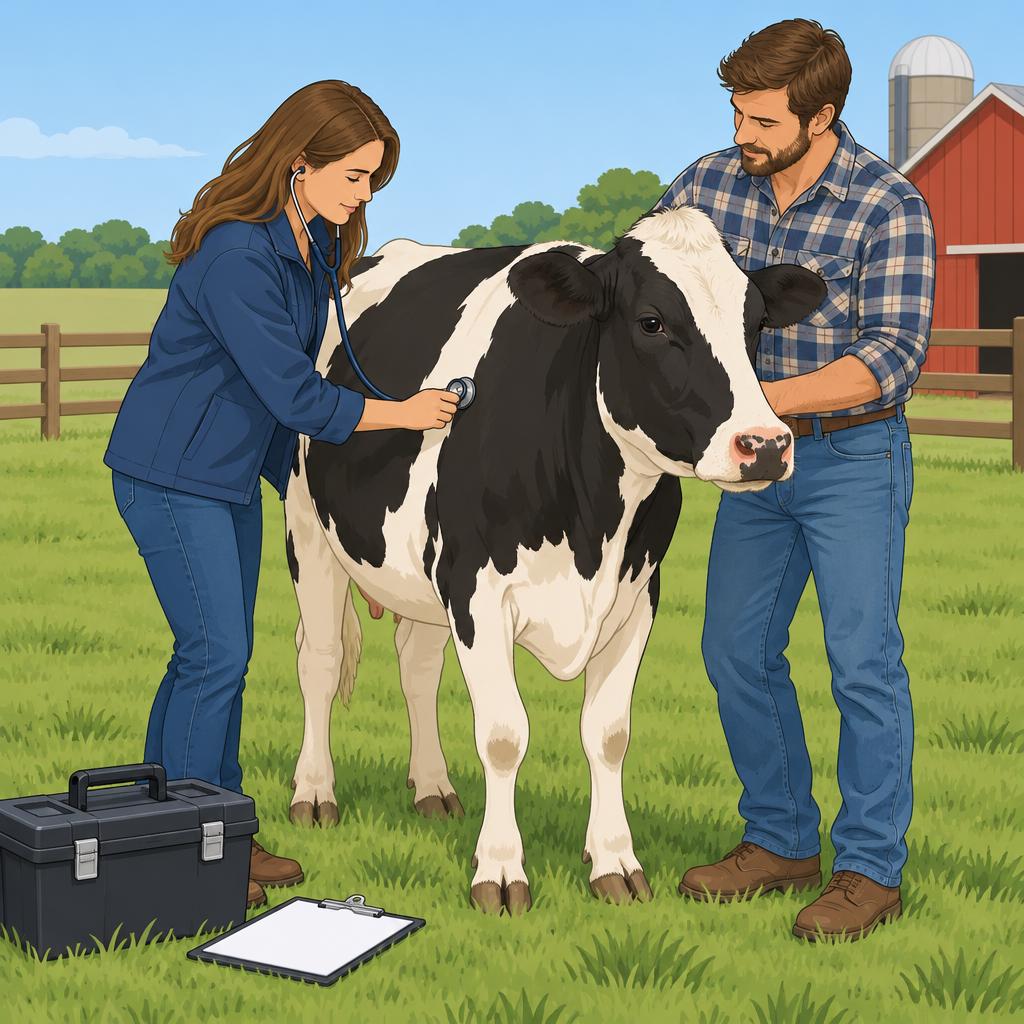
Veterinary professionals conduct thorough health assessments for livestock.
They diagnose and treat health problems that affect animals.
Additionally, veterinarians recommend improvements for nutrition, housing, and management practices.
Work closely with your veterinarian to establish a monitoring program for your livestock.
Regular check-ups help maintain a healthy herd and address concerns promptly.
Nutrition and Feed Management
Nutrition supports livestock growth, immunity, reproduction, and productivity.
A balanced diet supplies essential nutrients for maintaining animal well-being.
Additionally, careful feed management helps prevent malnutrition and overfeeding.
Nutrition’s Effects on Livestock Productivity
Inadequate nutrition can cause poor growth, reduced fertility, and greater disease susceptibility.
Conversely, nutrient-rich diets strengthen immunity and support livestock well-being.
Furthermore, nutrition influences milk production, weight gain, and reproductive performance.
Balanced Diets and Feed Management Practices
Balanced diets provide sufficient energy, protein, vitamins, and minerals.
Proper feed management matches feed quantity and quality with livestock requirements.
Therefore, producers should balance rations according to age, weight, and production stage.
Nutrition Planning for Different Livestock
First, identify the nutritional requirements of cattle, poultry, sheep, and swine.
Next, consult a nutritionist or veterinarian about each animal’s dietary needs.
Consider age, weight, breed, production goals, and environmental conditions when designing nutrition plans.
- Monitor body condition, growth rate, and reproductive performance regularly.
- Adjust nutrition plans when performance or health indicators change.
- Evaluate feed ingredients regularly to maintain consistent nutritional content.
- Provide clean, fresh water alongside appropriate feed.
- Store feed properly to help preserve its quality.
- Avoid sudden dietary changes that could disrupt feeding practices.
- Record feed intake, weight gain, and health parameters carefully.
- Use these records to evaluate and improve nutrition plans.
- Continue learning about current livestock nutrition practices.
You Might Also Like: Common Misconceptions About Plant Pathology
Vaccination and Disease Prevention
Vaccination programs help prevent common diseases in livestock.
Livestock owners should prioritize vaccination against potentially deadly illnesses.
Working with a veterinarian supports a vaccination schedule suited to each herd’s needs and risks.
Veterinarians recommend vaccines according to geographic location, animal species, and individual health status.
- Regular Vaccination: Implement a regular schedule to maintain protection against prevalent diseases.
- Specific Vaccines: Administer vaccines targeting diseases common in the region or identified within the herd.
- Vaccine Monitoring: Assess vaccine effectiveness and consult a veterinarian about necessary adjustments.
Additional Disease Prevention Measures
Vaccination programs work best alongside other disease prevention measures.
Biosecurity practices and quarantine protocols help reduce disease transmission.
These measures support healthier animals and more consistent production.
- Biosecurity Measures: Control farm access, manage waste properly, and follow disinfection procedures.
- Quarantine Procedures: Isolate new animals before introducing them to the existing herd.
- Health Monitoring: Watch quarantined animals for illness before integrating them into the herd.
Combining vaccination with comprehensive prevention strategies safeguards livestock health and supports optimal performance.
See Related Content: The Importance of Pruning in Vineyards
Parasite Control
Parasites can significantly affect livestock health and productivity.
Infestations can cause weight loss, reduced milk production, and death in severe cases.
- Parasites can weaken livestock immunity and increase susceptibility to other diseases.
- Internal parasites, including worms, can cause anemia and nutrient deficiencies.
- External parasites, such as ticks and lice, can irritate animals and cause skin infections.
Farmers must control parasites to protect livestock health and well-being.
Deworming commonly controls internal parasites.
Farmers should schedule deworming according to parasite types and worm life cycles.
- Consult a veterinarian to establish a safe and effective deworming protocol.
- Manage pastures because parasites can remain dormant in the environment.
Each farm needs a parasite control plan that reflects its specific risks and management needs.
The following steps support effective parasite management.
- Ask a veterinarian to conduct a fecal egg count test for farm parasites.
- Use the test results to set an appropriate deworming schedule.
- Rotate dewormers to limit parasite resistance and preserve treatment effectiveness.
- Mow pastures regularly and remove manure to reduce environmental parasite burdens.
- Quarantine new animals before introducing them to the existing livestock population.
- Check livestock regularly for weight loss, rough hair coats, and diarrhea.
These strategies can help protect livestock health and productivity from parasite infestations.
Transform Your Career Today
Unlock a personalized career strategy that drives real results. Get tailored advice and a roadmap designed just for you.
Start NowDiscover More: Agricultural Economists: Challenges and Opportunities
Housing and Environmental Management
Proper housing and environmental conditions directly affect livestock health and well-being.
Inadequate housing can cause stress, reduce immunity, and increase disease susceptibility.
Therefore, suitable facilities help livestock remain comfortable, healthy, and productive.
- Good ventilation prevents harmful gases and pathogens from accumulating in the air.
- Effective temperature control protects livestock from heat stress and hypothermia.
- Clean drinking water helps livestock stay hydrated and healthy.
- Inadequate housing can increase stress and reduce livestock immunity.
- Suitable environmental conditions support animal well-being and health.
Importance of Proper Ventilation
Proper ventilation removes excess moisture, ammonia, and other harmful gases from livestock housing.
It also improves air quality and reduces respiratory infection risks.
Additionally, air circulation helps regulate temperature and limit airborne disease transmission.
- Ventilation removes excess moisture from the housing environment.
- It reduces ammonia and other harmful gases in the air.
- Better air quality lowers the risk of respiratory infections.
- Air circulation helps prevent heat stress in livestock.
- Proper airflow can limit the spread of airborne diseases.
Temperature Control for Livestock
Temperature control maintains suitable living conditions for livestock.
Shade and shelter help animals regulate body temperature during extreme weather.
Meanwhile, bedding and insulation provide warmth in cold conditions.
- Provide shade to help animals manage high temperatures.
- Offer shelter during extreme weather conditions.
- Ensure proper ventilation during hot weather.
- Provide cool water to help prevent heat stress.
- Use bedding and insulation to keep animals warm in cold climates.
Clean Drinking Water
Clean, fresh water supports livestock health and productivity.
Contaminated water can cause dehydration, poor health, and decreased productivity.
Therefore, livestock need constant access to safe drinking water.
- Provide livestock with clean, fresh drinking water.
- Remove contaminated water to reduce health risks.
- Clean water troughs regularly to maintain water quality.
- Maintain a constant supply of fresh water for livestock.
- Test water quality to identify potential safety issues.
Improving Housing and Environmental Conditions
Regular maintenance helps keep livestock housing clean, safe, and comfortable.
Monitoring environmental conditions allows timely adjustments to housing practices.
Furthermore, expert advice can support effective environmental management decisions.
- Clean and disinfect livestock housing regularly.
- Monitor temperature and humidity levels inside housing areas.
- Provide adequate bedding, nesting materials, and shelters.
- Use rotational grazing to prevent overgrazing and protect pasture health.
- Consult a veterinarian or livestock specialist for housing guidance.
Discover More: Key Duties of Agricultural Quality Control Inspectors
Emergency Preparedness for Livestock Health
Emergency preparedness helps livestock owners respond quickly when disease or injury threatens animal health.
An effective plan limits harm, supports prompt care, and protects the operation’s continuity.
Therefore, owners should prepare contacts, procedures, and supplies before an emergency occurs.
Immediate Actions During Livestock Emergencies
During a disease outbreak or injury, owners must act quickly to protect affected and healthy animals.
First, isolate affected animals from the herd to reduce contamination and further exposure.
Next, contact a veterinarian for diagnosis, treatment, containment guidance, and prevention advice.
- Isolate sick or injured animals from the remaining herd.
- Contact veterinary services or a veterinarian immediately.
- Disinfect equipment and restrict access to affected areas.
- Follow proper hygiene practices across the farm.
- Record symptoms and monitor changes in each affected animal.
- Quarantine new or returning animals before they join the herd.
Veterinary Support and Farm Preparedness
Veterinary contacts and emergency resources strengthen the farm’s ability to manage health crises.
Livestock owners should build relationships with local veterinarians and animal health authorities.
Additionally, veterinary emergency response teams can provide support and guidance during serious incidents.
Prompt, effective action can protect animal well-being and minimize financial losses.
Preparedness also helps maintain the productivity of livestock operations.
Long-Term Livestock Operation Sustainability
Livestock health management strategies help farmers maintain a healthy and productive herd.
Farmers can implement vaccination, deworming, and proper nutrition to support animal well-being.
Additionally, proactive care helps prevent disease outbreaks and maximize productivity.
Farmers can seek professional guidance to make informed health management decisions.
These practices support the long-term sustainability of livestock operations.
Additional Resources
Google search results for Livestock Health Management Strategies Agricultural
Bing search results for Livestock Health Management Strategies Agricultural


