




Introduction
Grape growing plays a crucial role in the agricultural industry.
It supports wineries and vineyards across the United States.
Additionally, vineyards and wineries continue to gain popularity.
That popularity increases demand for high-quality grapes.
History of Grape Growing
Grape growing has influenced human civilization for thousands of years.
Over time, growers transformed cultivation into both an art and a science.
Today, grape growing continues to develop through innovation, research, and adaptation.
Origins of Grape Growing
Ancient Egyptians and Mesopotamians cultivated grapes among the earliest known growers.
They initially valued grapes mainly for winemaking.
The Greeks and Romans later refined cultivation methods and expanded grape growing across Europe.
- Ancient Egyptians and Mesopotamians were early grape cultivators.
- Early growers used grapes for winemaking after discovering fermentation.
- Greek and Roman growers spread grapes throughout Europe.
Evolution of Grape Growing
During the Middle Ages, European monks preserved important grape growing knowledge.
They also improved cultivation methods within monastery vineyards.
Later, explorers introduced grapes to the Americas, creating opportunities for new varieties and regions.
- Monks preserved and improved grape growing methods during the Middle Ages.
- Christopher Columbus and other explorers introduced grapes to the Americas.
- The Industrial Revolution introduced mechanization and scientific advances.
Key Advancements in Grape Growing
Grape growers developed new techniques as cultivation expanded across different regions.
These advances improved vine support, disease management, irrigation, and harvest efficiency.
Modern growers now combine traditional knowledge with technology and environmental practices.
Introduction of Trellising Systems
During the nineteenth century, growers developed trellising systems to support grape vines.
Trellises improved airflow and increased sunlight exposure around the vines.
Consequently, growers achieved better ripening, disease prevention, and harvesting access.
- Trellising systems supported grape vines during the nineteenth century.
- They improved airflow and sunlight exposure.
- They also simplified harvesting and supported healthier grape development.
Discovery of Phylloxera-Resistant Rootstocks
In the late nineteenth century, phylloxera devastated European vineyards.
The epidemic threatened grape cultivation and forced growers to seek effective solutions.
American rootstocks provided resistance and changed grape growing practices worldwide.
- Phylloxera swept through European vineyards during the late nineteenth century.
- The epidemic caused extensive damage to grape vines.
- Growers adopted American rootstocks that resisted phylloxera.
Advancements in Irrigation and Water Management
Modern irrigation systems help growers supply water more efficiently.
Drip irrigation delivers water directly to grape vines while minimizing waste.
Therefore, growers can regulate vine growth, reduce drought stress, and improve grape consistency.
- Drip irrigation supplies grape vines with controlled amounts of water.
- Efficient watering reduces unnecessary water waste.
- Water management supports vine growth and grape quality.
Organic and Biodynamic Farming Practices
Many grape growers now adopt organic and biodynamic farming practices.
These methods prioritize soil health, biodiversity, and natural pest control.
As a result, growers seek healthier vines and improved grape quality through sustainable management.
- Organic farming supports sustainable grape cultivation.
- Biodynamic methods emphasize soil health and biodiversity.
- Natural pest control helps protect vines and grapes.
Application of Precision Viticulture and Technology
Precision viticulture gives growers detailed information about vineyard conditions.
Drones, GPS, and sensors monitor vine health, soil conditions, and microclimates.
Growers use this information to target interventions and optimize production.
- Drones help growers monitor vineyard conditions.
- GPS and sensors provide information about vines and soil.
- Data-driven decisions support targeted vineyard management.
Exploration of New Grape Varieties and Terroirs
Climate change and consumer preferences encourage growers to explore new possibilities.
They experiment with different grape varieties and terroirs.
This exploration expands wine styles and increases diversity throughout the wine industry.
- Growers test new grape varieties in response to changing conditions.
- They also evaluate different terroirs for cultivation.
- These efforts support innovation across wine regions and styles.
Grape growing has changed continuously through experimentation and adaptation.
Ancient practices established the foundation for later cultivation advances.
Modern techniques continue expanding the variety and quality of grapes available for winemaking.
Factors Affecting Grape Growing
Soil composition and quality: Soil conditions strongly influence grapevine growth and grape quality.
For example, pH levels, drainage, and nutrient content help determine cultivation success.
Therefore, growers assess these properties when managing vineyard soil.
Transform Your Career Today
Unlock a personalized career strategy that drives real results. Get tailored advice and a roadmap designed just for you.
Start NowClimate and weather conditions: Grapevines thrive under specific climatic conditions.
Temperature, rainfall, and humidity affect the growing season, ripening process, and overall yield.
Meanwhile, frost, hail, and drought can damage grape crops.
Sunlight exposure and topography: Sunlight supports ripening, sugar accumulation, and flavor development.
Vineyard orientation and elevation influence how much sunlight grapevines receive.
Additionally, sloped terrain can improve drainage and air circulation, supporting grapevine health.
Successful grape growing requires growers to manage these factors together.
Farmers and viticulturists carefully analyze these variables to support consistent grape production and quality.
Consequently, their management decisions influence both harvest results and grape quality.
Explore Further: Extension Agents and Agricultural Innovation
Science Behind Grape Varieties
Several grape varieties grow commonly in the United States.
Each variety offers distinct characteristics that suit different winemaking purposes and preferences.
These traits influence the flavors, textures, and styles found in finished wines.
Cabernet Sauvignon
- Cabernet Sauvignon plays a famous role in Bordeaux blends and produces deep color with high tannins.
- Its flavors include blackcurrant, black cherry, and cedar.
These characteristics make Cabernet Sauvignon popular among red wine enthusiasts.
Chardonnay
- Chardonnay offers flavors that range from tropical fruits to buttery oak.
- Winemakers use this versatile white grape for both still and sparkling wines.
Its acidity levels can vary depending on the region.
Merlot
- Merlot delivers a soft, velvety texture with flavors of plum, cherry, and herbal notes.
- Winemakers often use Merlot in blends to add complexity.
It can also smooth the tannins of other grape varieties.
Pinot Noir
- Pinot Noir produces delicate flavors of red fruits, mushrooms, and earthy undertones.
- Its thin skin makes Pinot Noir notoriously difficult to grow.
Successful cultivation can produce elegant wines.
Riesling
- Riesling provides high acidity and flavors ranging from sweet to dry.
- Its floral aromas support still, sparkling, and dessert wines.
Regional conditions influence the sweetness level of Riesling wines.
These varieties represent only a few grapes commonly grown in the United States.
Each variety contributes distinctive flavors, textures, and characteristics to winemaking.
Understanding these traits helps wine enthusiasts appreciate the craftsmanship behind each bottle.
Delve into the Subject: How to Stay Updated with Irrigation Industry Standards
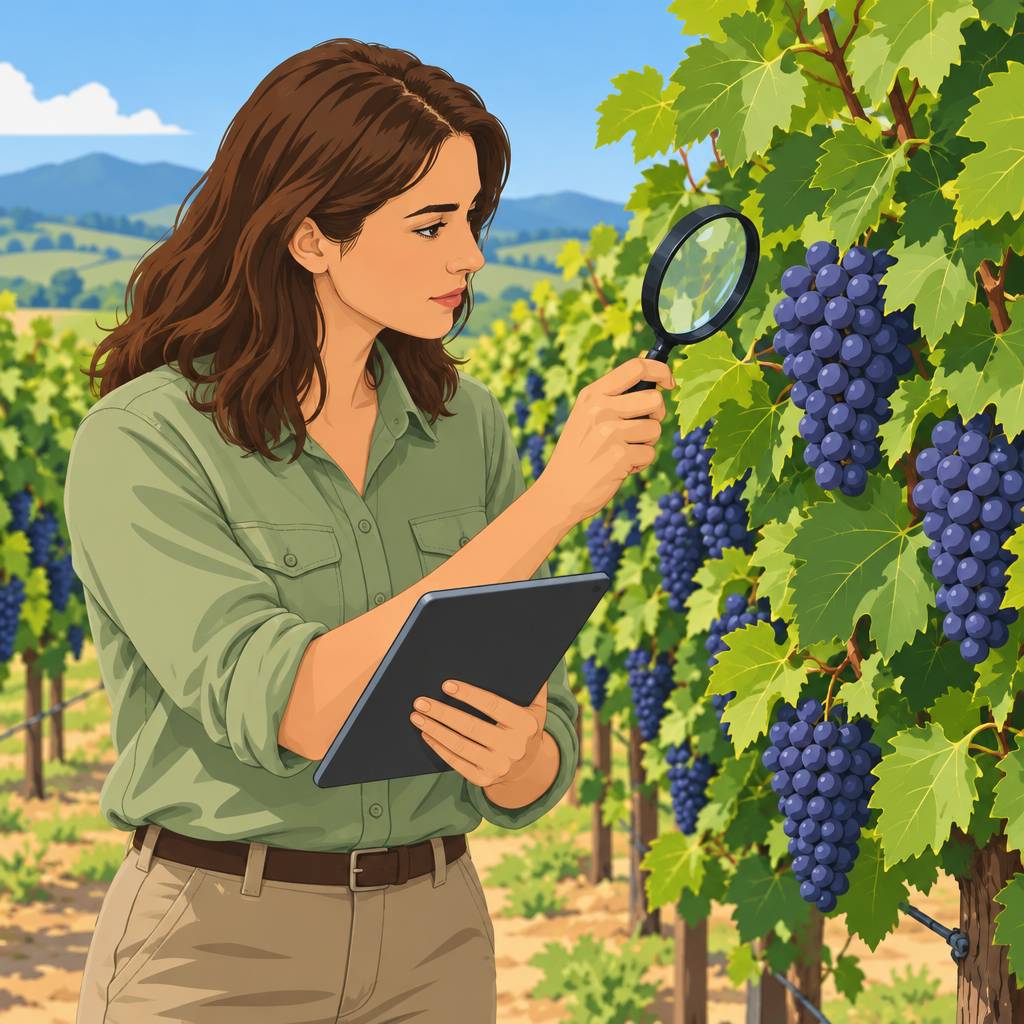
Grape Growing Techniques
Grape growing requires coordinated techniques that support vine growth and fruit production.
These techniques include pruning, trellising, irrigation, fertilization, and pest management.
Together, they help growers manage vines and produce high-quality grapes.
- Pruning and trellising methods
- Irrigation and fertilization practices
- Pest and disease management strategies
Pruning and Trellising Methods
Pruning manages vine growth and supports optimal fruit production.
Growers use cane pruning or spur pruning according to the grape variety.
Each method offers benefits for specific varieties and production goals.
Meanwhile, trellising supports vines and improves canopy management.
Common systems include vertical shoot position, Geneva double curtain, and Scott Henry.
Each system suits different vineyard needs and grape varieties.
Irrigation and Fertilization Practices
Proper irrigation supplies grapevines with the consistent water they need for healthy growth.
Drip irrigation provides water while helping growers prevent waste.
Sprinkler systems also deliver water across vineyard areas.
Soil moisture sensors help growers monitor soil water levels.
Growers can then adjust irrigation practices according to those readings.
Fertilization supplies nutrients that support vine growth and high-quality fruit.
Soil testing identifies nutrient levels before growers select fertilizers.
Growers apply fertilizers according to the vines’ specific needs.
Some growers prefer compost and manure because these organic fertilizers support sustainable practices.
Transform Your Career Today
Unlock a personalized career strategy that drives real results. Get tailored advice and a roadmap designed just for you.
Start NowPest and Disease Management Strategies
Pests and diseases can reduce grape yield and affect fruit quality.
Integrated pest management combines biological, cultural, and chemical controls.
This approach reduces pesticide use while managing pest populations effectively.
Growers monitor vineyards, apply preventative measures, and use natural predators.
Common pests include grapevine phylloxera, grape berry moth, and European grapevine moth.
Powdery mildew, downy mildew, and botrytis bunch rot also threaten vines.
Fungicides, insecticides, and biopesticides can support pest and disease control.
Meanwhile, growers remove infected material and maintain proper canopies.
These cultural practices help prevent pests and diseases from spreading.
Careful implementation of these techniques helps growers optimize yields and produce high-quality grapes for winemaking.
See Related Content: Networking and Support Groups for Farm Managers
Grape Harvest and Processing
Winemakers manage grapes through harvest, processing, and storage.
These stages influence fruit condition and the resulting wine.
Therefore, each stage requires careful attention.
Timing of Harvest and Grape Ripeness
Grapes typically reach harvest during the fall.
Growers assess sugar content when determining whether grapes are ready.
They also consider acidity and tannin levels before picking.
Grape Processing Methods in Winemaking
After harvest, winemakers crush and destem the grapes.
This process separates the juice from the skins and seeds.
Then, yeast ferments the juice by converting sugars into alcohol.
Handling and Storage of Harvested Grapes
Careful handling prevents damage to the grape skins.
Such damage can affect the quality of the finished wine.
Meanwhile, cool storage helps prevent spoilage and preserve fresh flavor.
Gain More Insights: Key Skills Needed to Become an Agricultural Consultant
Sustainable Grape Growing Practices
Sustainable grape growing protects vineyard resources while supporting long-term production.
Growers can preserve land for future generations by using natural resources efficiently.
They also reduce waste and limit the environmental effects of vineyard operations.
- Sustainability matters in grape growing.
- Organic and biodynamic methods offer alternative vineyard practices.
- Sustainable growing benefits the environment and consumers.
Importance of Sustainability in Grape Growing
Sustainability supports the long-term health of vineyards and surrounding environments.
Growers can preserve land for future generations through careful resource management.
They can also minimize waste and reduce the environmental impact of vineyard operations.
Organic and Biodynamic Farming Methods
Organic farming avoids synthetic pesticides and fertilizers in vineyard management.
Instead, growers use natural alternatives that support soil health and biodiversity.
Biodynamic farming treats the vineyard as a connected ecosystem and considers lunar cycles.
Benefits of Sustainable Grape Growing
Sustainable practices benefit vineyard ecosystems and consumers who value responsible production.
Efficient irrigation conserves water, while reduced chemical use supports healthier soils.
These methods can also help grapes express the vineyard’s distinctive terroir.
- Reduced chemical use supports healthier soils and ecosystems.
- Efficient irrigation practices help conserve water resources.
- Vineyard habitats can support beneficial insects and wildlife.
- Consumers gain assurance that products contain no harmful residues.
- High-quality grapes and wines can reflect the vineyard’s unique terroir.
Sustainable grape growing protects vineyards, the environment, and consumers.
By embracing these practices, growers can produce grapes while protecting future resources.
The Value of Understanding Grape Growing
Understanding the science behind grape growing supports successful cultivation.
Soil type, climate, and vineyard management remain crucial considerations.
Transform Your Career Today
Unlock a personalized career strategy that drives real results. Get tailored advice and a roadmap designed just for you.
Start NowThese factors directly influence the quality of grapes that growers produce.
Furthermore, studying grape growing helps enthusiasts appreciate winemaking’s intricacies.
Visiting vineyards offers an educational experience about cultivation and production.
Visitors can witness the dedication and expertise required to produce wine.
Additionally, vineyard exploration deepens appreciation for the artistry and skill involved.
Understanding grape growing therefore enriches enjoyment and knowledge of wines.
Visit vineyards, learn from experts, and savor the fruits of their labor.
Additional Resources
Google search results for The Science Behind Grape Growing Agricultural
Bing search results for The Science Behind Grape Growing Agricultural


