




Plant Pathology and Its Agricultural Importance
Plant pathology studies plant diseases caused by pathogens and environmental factors.
It examines how specialists diagnose, treat, and prevent diseases in plants.
Therefore, it helps maintain crop health and productivity in agriculture.
Common Misconceptions About Plant Pathology
Several common beliefs can distort how people understand plant diseases.
However, disease management requires attention to causes, diagnosis, and available treatments.
Home gardeners and commercial growers can both benefit from plant pathology.
- Pathogens do not cause every plant disease; environmental factors can also contribute.
- People should not automatically destroy every diseased plant.
- Chemical pesticides are not always the best solution for plant diseases.
- Visual symptoms do not always provide enough information for identification.
- An infected plant may still have options for treatment or recovery.
- Plant pathology benefits home gardening as well as commercial agriculture.
- Climate change and environmental factors can contribute to plant diseases.
- Plant pathology includes uncertainty and does not always provide exact answers.
Plant Pathology in Organic Farming
Some people assume plant pathologists support only conventional farming.
However, these specialists also strengthen organic farming through sustainable disease management.
Organic growers need practical strategies that protect crops without synthetic chemicals.
Organic Disease Management Practices
Plant pathologists identify plant diseases and recommend environmentally responsible management methods.
They help organic farmers apply disease control strategies without synthetic chemical inputs.
Additionally, they adapt recommendations to organic farming requirements and sustainable practices.
Plant Pathology and Sustainable Agriculture
Sustainable agriculture depends on healthy crops and reliable disease prevention.
Plant pathologists support this goal by developing approaches that protect productivity and reduce environmental impacts.
They also connect research, farmer education, and policy development to support responsible agricultural practices.
- Disease management: Specialists develop resistant varieties and integrated pest management practices, reducing reliance on chemical inputs.
- Research and innovation: Researchers study disease mechanisms and create sustainable solutions for disease control.
- Education and outreach: Plant pathologists teach farmers and communities about plant health and disease management.
- Policy development: Specialists help create guidelines that encourage sustainable farming and environmental protection.
Plant Disease Risks to Human Health
Plant diseases can threaten human health, despite a common misconception about their safety.
Some plant pathogens affect humans indirectly through contaminated food or water sources.
For example, Aspergillus flavus produces aflatoxin, a mycotoxin that can contaminate peanuts and corn.
People may develop health issues after consuming crops contaminated with aflatoxin.
Furthermore, plant diseases can reduce crop yields or make harvested crops inedible.
These losses can contribute to malnutrition and food insecurity among human populations.
How Plant Pathogens Affect Human Health
Researchers can study plant diseases to understand pathogen interactions with plant and human hosts.
This knowledge informs strategies for preventing and controlling diseases.
Consequently, such research can support efforts to protect human health.
Plant Disease Research and Food Security
Understanding plant diseases helps safeguard food supplies and support global food security.
By identifying and mitigating plant pathogens, researchers can protect crops from devastating diseases.
This work also supports sustainable agriculture and helps maintain stable food supplies worldwide.
Therefore, plant pathology connects crop protection with important human health concerns.
Delve into the Subject: The Importance of Pruning in Vineyards
Plant diseases are difficult to diagnose and treat.
Different diseases can produce similar symptoms.
Effective care requires expertise, precision, and attention to specific conditions.
Challenges in Diagnosing Plant Diseases
Specialists often compare symptoms before identifying a likely disease.
Environmental factors can mimic disease symptoms and cause misdiagnosis.
Some pathogens remain invisible during the early stages of infection.
- Identifying symptoms can challenge specialists because different diseases may look similar.
- Accurate diagnosis may require specialized knowledge, microscopes, and laboratory tests.
- Environmental conditions can create symptoms that resemble plant diseases.
- Some pathogens produce no visible symptoms during early infection.
Strategies for Treating Plant Diseases
Specialists often combine cultural, chemical, and biological methods.
However, pesticide and fungicide resistance can complicate treatment decisions.
Some diseases lack cures, so growers must manage damage instead.
- Effective treatment often combines cultural, chemical, and biological methods.
- Pathogen resistance can reduce the effectiveness of pesticides and fungicides.
- Overusing chemicals can increase resistance and weaken future treatments.
- Some diseases require management strategies because no cure exists.
Therefore, plant disease management depends on accurate diagnosis and tailored treatment.
See Related Content: Agricultural Economists: Challenges and Opportunities
Transform Your Career Today
Unlock a personalized career strategy that drives real results. Get tailored advice and a roadmap designed just for you.
Start Now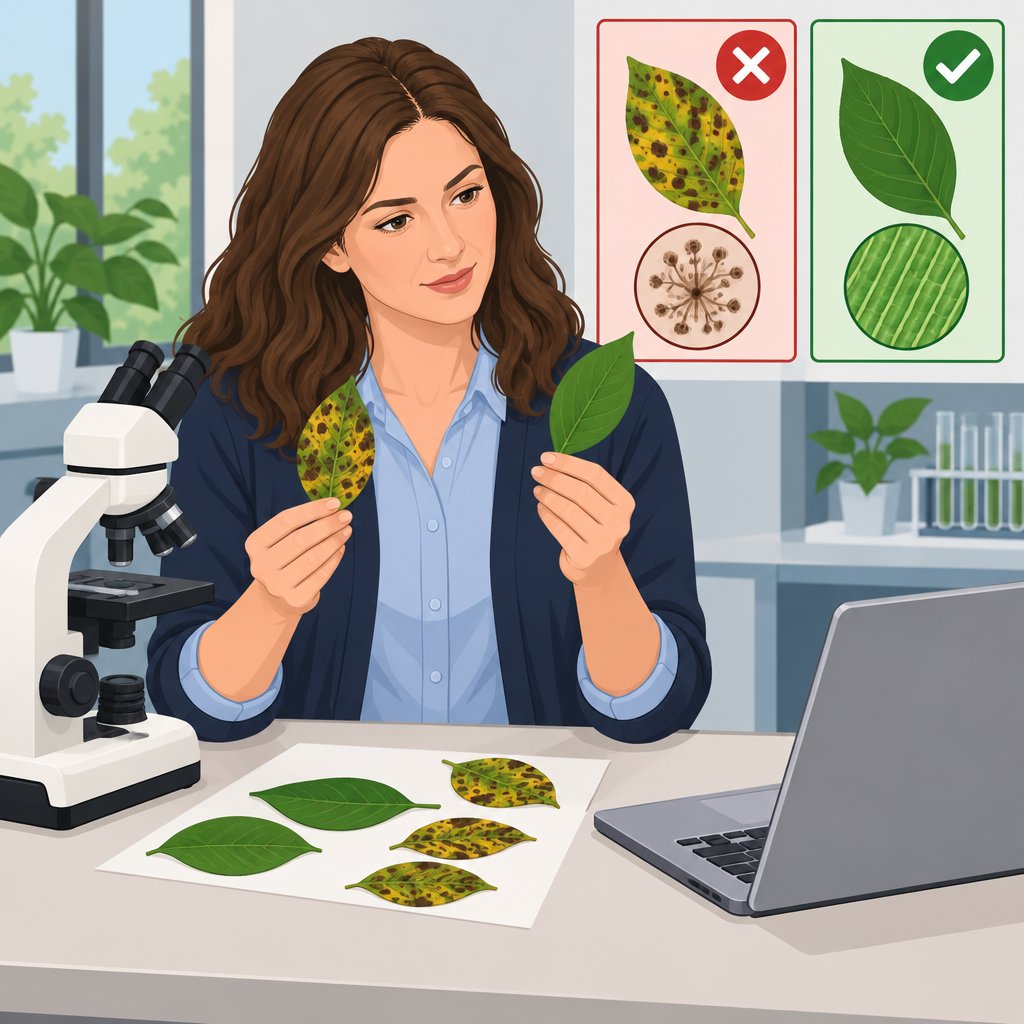
Interdisciplinary Nature of Plant Pathology
Plant pathologists study plant diseases through several connected scientific disciplines.
They combine knowledge from microbiology, botany, genetics, physiology, and ecology.
This interdisciplinary approach helps them examine relationships among plants, pathogens, and environmental conditions.
- Microbiology
- Botany
- Genetics
- Physiology
- Ecology
Plant Genetics and Disease Resistance
Plant pathologists examine plant genetics to understand responses to disease.
They identify resistance genes and assess genetic variability among plants.
Furthermore, they support plant breeding efforts that develop disease-resistant varieties.
- Resistance genes
- Genetic variability
- Plant breeding for disease resistance
Plant Physiology and Disease Interactions
Plant pathologists study how pathogens interact with plant physiology.
They examine plant defense mechanisms during disease development.
They also assess how diseases alter plant metabolism and other physiological processes.
- Plant defense mechanisms
- Impact of diseases on plant metabolism
- Physiological changes in diseased plants
Plant Ecology and Disease Development
Plant pathologists also investigate the ecological dimensions of plant diseases.
They examine how pathogens influence plant communities and ecosystems.
In addition, they evaluate how environmental factors affect disease development.
- Impact of diseases on ecosystems
- Role of pathogens in plant communities
- Effects of environmental factors on disease development
This broad approach helps plant pathologists understand complex relationships between plants, pathogens, and their environment.
Uncover the Details: Key Duties of Agricultural Quality Control Inspectors
Plant Pathologists Apply Research in Agriculture
Many people believe that plant pathologists work only in laboratories.
However, these specialists support practical agricultural decisions and help protect crops from disease.
They connect scientific research with farming practices that support sustainable crop production.
Crop Protection Applications
Plant pathologists identify plant diseases and determine which pathogens cause them.
They also study disease spread to guide effective management decisions.
Furthermore, they collaborate with entomologists and agronomists on integrated pest management strategies.
- Plant pathologists diagnose diseases accurately, helping farmers select targeted control measures.
- They develop integrated pest management strategies that reduce chemical pesticide use and encourage sustainable farming.
- Epidemiological studies help specialists understand disease spread and improve management strategies.
Developing Disease-Resistant Crops
Plant pathologists collaborate with breeders to develop crop varieties that resist common pathogens.
They also evaluate genetically modified organisms for disease resistance during field trials.
Additionally, they investigate beneficial organisms that can suppress plant pathogens naturally.
- Genetic resistance provides a sustainable approach to managing plant diseases.
- GMO research examines the effectiveness and safety of disease-resistant crops before commercial release.
- Biocontrol agents, including beneficial microbes and predatory insects, can suppress plant pathogens.
These applications show how plant pathologists help safeguard food security and support sustainable agriculture.
Find Out More: Agricultural Technician Professional Associations
Many people view plant pathology as an unprofitable career.
However, this belief reflects a common misconception.
Plant pathology provides varied professional opportunities and supports global food security.
Diverse Career Opportunities in Plant Pathology
Professionals can pursue several rewarding career paths within plant pathology.
These roles connect scientific research with practical disease management.
Additionally, employers value plant health expertise across research, education, government, and industry.
- Research scientists study plant diseases and develop practical solutions.
- Extension specialists help farmers implement effective disease management practices.
- Government agencies employ specialists who support plant health and biosecurity.
- Academic professionals teach plant pathology and conduct university research.
- Industry professionals work with seed, agrochemical, and biotechnology companies.
Plant Pathology and Global Food Security
Plant pathology helps protect crops from diseases that threaten food production.
Furthermore, specialists improve crop resilience while supporting sustainable agricultural practices.
Their expertise helps farmers manage diseases and maintain reliable crop production.
- Specialists identify and manage diseases that threaten crop production.
- Researchers develop disease-resistant crop varieties that improve yields and reduce losses.
- Experts monitor plant pathogens and help prevent disease epidemics.
- Advisers guide farmers in applying effective disease management practices.
- Plant pathology supports sustainable practices that strengthen food production.
Consequently, plant pathology offers meaningful careers while strengthening global food security.
Clarifying Plant Pathology’s Role in Agriculture
Plant pathology involves more than studying diseases in plants.
Many people assume that specialists only respond after crops become sick.
However, plant pathologists also prevent disease and help crops remain healthy.
Therefore, their work supports effective agricultural production.
Another misconception dismisses plant pathology as unimportant to agriculture.
Transform Your Career Today
Unlock a personalized career strategy that drives real results. Get tailored advice and a roadmap designed just for you.
Start NowIn reality, this field plays a significant role in worldwide food security.
Public education can clarify the field’s purpose and value.
Moreover, greater awareness can strengthen support for research and innovation.
Ultimately, understanding plant pathology promotes more sustainable agriculture.
Additional Resources
Google search results for Common Misconceptions About Plant Pathology Agricultural
Bing search results for Common Misconceptions About Plant Pathology Agricultural


