




Climate Change and Plant Diseases
Climate change has become a pressing issue affecting many aspects of the environment.
Climate change refers to long-term changes in temperature and weather patterns on Earth.
Plants play a crucial role in ecosystems by producing oxygen, providing food, and supporting biodiversity.
Furthermore, climate change can significantly affect plant diseases by altering their incidence and severity.
Plant Diseases and Their Causes
Plant diseases create harmful conditions that affect plant health.
Living organisms, including fungi, bacteria, viruses, and nematodes, can cause these diseases.
Additionally, abiotic factors can contribute to plant disease development.
Common Types of Plant Diseases
Several disease groups affect plants in different ways.
Fungi, bacteria, viruses, and nematodes each cause specific plant diseases.
Recognizing these groups helps people understand disease symptoms and management needs.
- Fungal diseases result from fungi such as mildew, rust, and blight.
- Bacterial diseases result from bacteria such as those causing leaf spot and crown gall.
- Viral diseases include mosaic, yellowing, and ring spot diseases.
- Nematodes cause diseases such as root-knot nematode damage.
Factors That Contribute to Plant Diseases
Environmental and farming conditions can influence disease development.
Weather conditions affect diseases through temperature, humidity, and rainfall.
Soil quality, pests, and planting practices can also increase disease prevalence.
- Temperature, humidity, and rainfall can affect disease development.
- Nutrient imbalances and unsuitable pH levels can weaken plants.
- Invasive pests can transmit diseases to healthy plants.
- Repeatedly planting the same crops can increase disease prevalence.
Importance of Managing Plant Diseases
Effective disease management supports productive and resilient plant systems.
It can protect harvests, support biodiversity, and reduce environmental harm.
Therefore, healthy plants contribute to sustainable agriculture and food security.
- Disease management protects crop yields and harvest quality.
- It helps preserve plant species diversity.
- Reducing chemical pesticide use benefits ecosystems.
- Healthy plants contribute to stable food production.
Rising Temperatures and Favorable Conditions for Pathogens
Rising temperatures can create favorable conditions for many plant pathogens.
These warmer environments can increase the likelihood of disease outbreaks.
Moreover, higher temperatures can accelerate pathogen life cycles.
Consequently, pathogens may reproduce faster and spread more easily.
Frequent reproduction can produce more severe plant disease epidemics.
Extreme Weather Events and Plant Health
Meanwhile, climate change increases the frequency and intensity of droughts, floods, hurricanes, and heatwaves.
These events can damage plants and increase their susceptibility to disease.
For example, drought can weaken plants by limiting essential moisture.
Flooding can create waterlogged conditions that support certain pathogens.
Therefore, excessive rainfall can contribute to disease outbreaks.
Climate Change and the Spread of Plant Diseases
Climate change also changes temperature, humidity, and precipitation patterns.
These environmental shifts influence pathogen development and disease spread.
Warmer conditions can expand pathogen ranges into previously unsuitable regions.
Consequently, diseases can reach new territories and threaten agricultural productivity.
Furthermore, excessive rainfall can encourage waterborne pathogens.
By contrast, drought can stress plants and weaken their defenses.
These stressed plants may become more susceptible to infection.
Understanding these changes can support strategies that protect agricultural systems.
You Might Also Like: Challenges Faced by Plant Pathologists
Climate change is intensifying plant disease challenges for farmers and researchers.
These changes can increase crop losses and complicate disease management.
Farmers and scientists therefore need coordinated responses and stronger resources.
Examples of Climate-Related Disease Pressure
Potato late blight illustrates how changing conditions can worsen disease pressure.
- Warmer temperatures and increased humidity create ideal conditions for potato late blight to spread, causing significant crop losses.
- Warmer temperatures help disease-carrying insects thrive, allowing citrus greening to spread rapidly through citrus orchards.
Strategies for Managing Changing Disease Risks
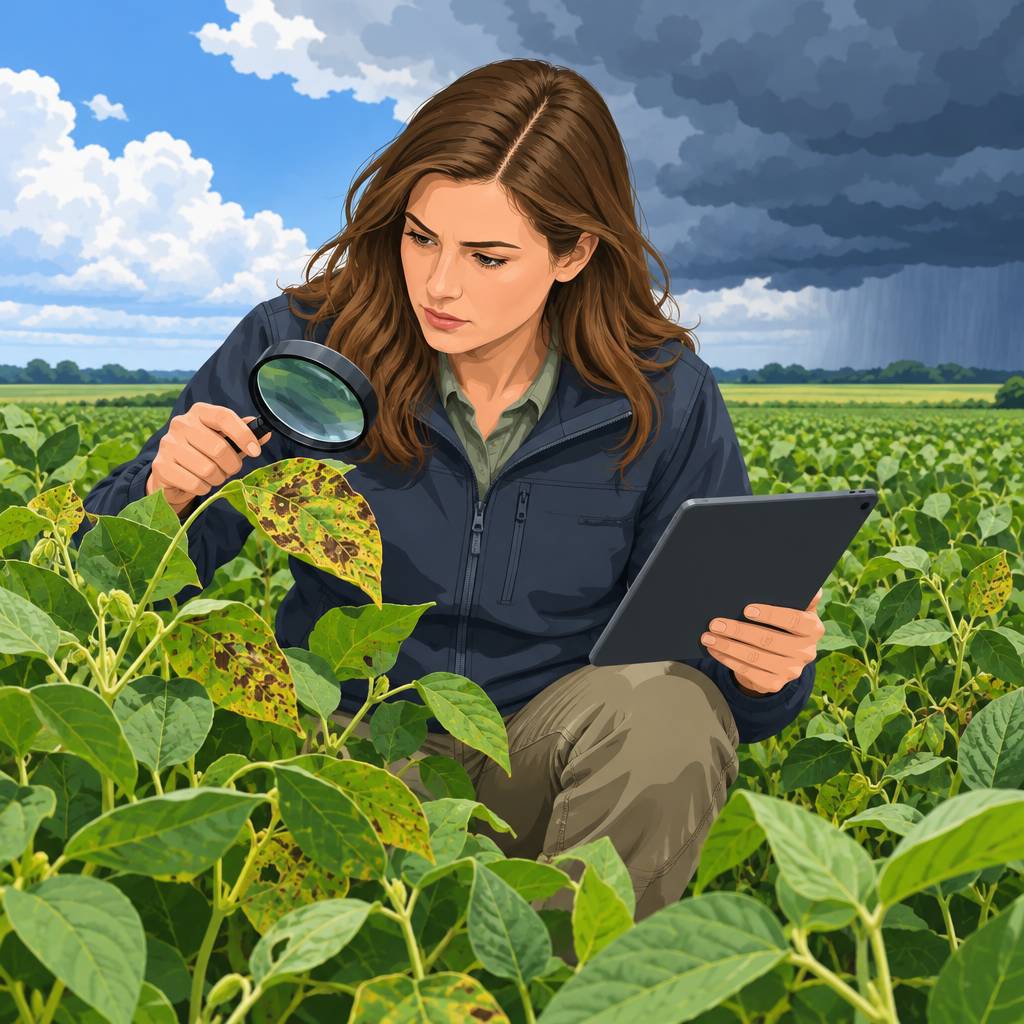
Farmers are adapting their practices to reduce risks linked to changing disease conditions.
Transform Your Career Today
Unlock a personalized career strategy that drives real results. Get tailored advice and a roadmap designed just for you.
Start NowThey combine resistant varieties, integrated pest management, and adjusted planting schedules.
Researchers are developing solutions that address disease interactions with changing environmental conditions.
- Farmers plant disease-resistant varieties, use integrated pest management, and adjust planting schedules to reduce risks.
- Researchers breed resistant crops, create disease outbreak models, and examine alternative disease control methods.
Research and Resources for Future Disease Management
Current efforts still require additional research and resources.
Research funding can support stronger responses to climate-related plant diseases.
Advanced monitoring technologies can improve disease outbreak prediction.
- Farmers need access to advanced technologies for monitoring and predicting disease outbreaks.
- Educational programs can help farmers apply effective disease management practices.
- Scientists, farmers, policymakers, and other stakeholders must collaborate on practical management strategies.
These combined efforts can protect plant health and support food security for future generations.
They also show how environmental conditions, agricultural practices, and public health remain closely connected.
Find Out More: Plant Pathologists and Disease Resistance Breeding
Strategies for Managing Plant Diseases
Farmers can reduce disease risks by combining practical management methods.
These methods support agricultural productivity and food security as climate conditions change.
An integrated approach also limits reliance on chemical pesticides.
- Integrated pest management combines control methods and can reduce pathogen and pest resistance.
- Resistant varieties can lower crop losses by making plants less susceptible to disease.
- Crop rotation breaks pathogen life cycles and limits disease buildup in fields.
- Biological control uses beneficial insects or microorganisms against plant pathogens.
- Sustainable practices maintain soil health, strengthen biodiversity, and reduce climate-related agricultural impacts.
- Composting, mulching, and soil amendments can improve soil health and ecosystem resilience.
- Research and education can clarify climate interactions and support innovative disease management.
Technology for Disease Monitoring
Technology can help farmers monitor crops and respond to disease threats earlier.
Data from fields and weather conditions can guide timely management decisions.
These tools also support targeted treatments and more efficient farm operations.
- Remote sensing and drones can reveal crop health changes and early disease signs.
- Disease forecasting models can predict outbreaks using weather and environmental conditions.
- Precision agriculture uses sensors, GPS, and data analytics to guide crop management.
- Smart farming systems combine connected devices, robotics, and artificial intelligence for farm operations.
Building Resilient Agricultural Systems
Combining sustainable practices with technology can strengthen agricultural resilience.
Farmers can use monitoring, forecasting, and targeted treatments alongside biological and cultural controls.
Together, these measures can help agriculture withstand changing conditions and support a growing global population.
Find Out More: How Quality Inspectors Ensure Compliance with Regulations
Public Awareness and Policy
Public awareness and policy initiatives can help address climate change impacts on plant diseases.
Public education, effective policies, and stakeholder collaboration can strengthen plant health protection.
Together, these efforts can support food security for future generations.
Public Education for Plant Health
Public education increases understanding of climate change effects on plant diseases.
Furthermore, education encourages sustainable practices that promote plant health during changing climate conditions.
Greater awareness can improve prevention and management strategies for climate-related plant diseases.
- Public education increases understanding of climate change effects on plant diseases.
- Education encourages sustainable practices that promote plant health during changing climate conditions.
- Greater awareness can improve prevention and management strategies for related plant diseases.
- Education fosters responsibility for protecting plant health during climate challenges.
Government Policies for Plant Health
Government policies can address climate change and its effects on plant health.
Additionally, regulations can promote sustainable agricultural practices that reduce plant disease spread.
Government support can encourage research into disease-resistant varieties for changing climates.
- Government policies can address climate change and its effects on plant health.
- Regulations can promote sustainable agricultural practices that reduce plant disease spread.
- Government support can encourage disease-resistant plant varieties for changing climates.
- Policy frameworks can support adaptation strategies that reduce climate change impacts on plant diseases.
Collaboration Among Stakeholders
Government agencies, researchers, farmers, and other stakeholders must collaborate on effective disease management.
Moreover, stakeholders can share knowledge, resources, and practices for managing plant diseases.
Coordinated efforts can address the connected challenges of climate change and plant diseases.
- Government agencies, researchers, farmers, and stakeholders can collaborate on disease management.
- Stakeholders can share knowledge, resources, and practices for managing plant diseases.
- Coordinated efforts can address connected climate and plant disease challenges.
- Joint action can strengthen agricultural systems against changing climate conditions.
Coordinated Action for Future Plant Health
Education, effective policies, and collaboration can reduce climate change impacts on plant health.
These efforts can strengthen disease management and support resilient agricultural systems.
They can also help protect food security for future generations.
Explore Further: Challenges in Quality Control for Small-Scale Farmers
Climate Change and Plant Disease Risks
Warmer temperatures, shifting precipitation, and extreme weather events increasingly influence plant disease development.
These environmental changes create favorable conditions for pathogens to thrive and spread.
Consequently, plants face greater disease incidence across changing environments.
Environmental Changes Affecting Plant Health
Climate change alters environmental conditions that support the proliferation of plant pathogens.
Meanwhile, invasive species can benefit from these shifts and create additional threats to plant health.
These pressures affect agriculture, food security, and ecosystem stability.
Transform Your Career Today
Unlock a personalized career strategy that drives real results. Get tailored advice and a roadmap designed just for you.
Start NowUrgent Climate Action for Plant Protection
Society must prioritize climate mitigation to safeguard plant health.
Reducing greenhouse gas emissions can help limit climate-related pressure on plant diseases.
Additionally, sustainable practices can reduce risks as environmental conditions continue changing.
Individual Actions Supporting Plant Health
Individuals can support climate action through environmentally conscious choices.
For example, people can reduce their carbon footprints and support sustainable agriculture.
Moreover, policy advocacy can help protect plant health for future generations.
Additional Resources
Google search results for Impact of Climate Change on Plant Diseases Agricultural
Bing search results for Impact of Climate Change on Plant Diseases Agricultural


