




Challenges Facing Plant Pathologists
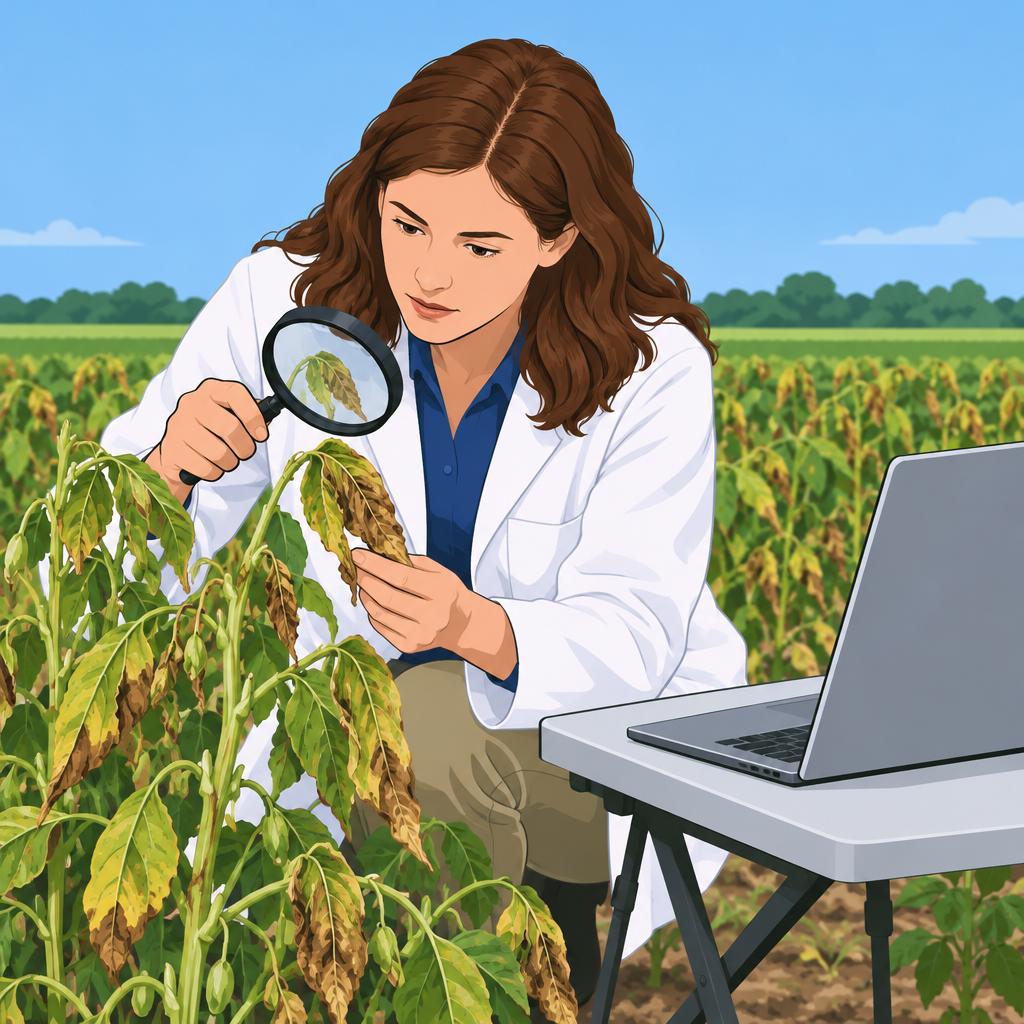
Plant pathologists identify and treat plant diseases in agriculture.
They study plant pathogens and develop control methods to support crop productivity.
However, their work involves several ongoing challenges.
Emerging Plant Diseases
New plant diseases constantly emerge and challenge pathologists.
Pathologists must stay updated to develop effective solutions.
Therefore, emerging diseases can increase demands for timely disease management.
Resistance to Treatments
Pathogens can develop resistance to fungicides and other treatments.
This resistance makes outbreaks more difficult to control.
Consequently, pathologists must address reduced treatment effectiveness.
Environmental Factors Affecting Disease Spread
Climate change and other environmental factors can favor disease spread.
These conditions increase the workload for plant pathologists.
As a result, environmental changes can complicate disease control efforts.
Resource Limitations in Plant Pathology
Plant pathologists often work with limited resources.
Limited resources can hinder research and delay timely solutions.
Thus, resource constraints can affect their ability to respond to plant diseases.
Globalization and Disease Transmission
Global movement of people and goods can facilitate plant disease spread.
This movement makes outbreaks harder to contain.
Accordingly, globalization adds another challenge to plant disease management.
Plant Pathology and Food Security
Plant pathologists face numerous challenges in their work.
Their contributions remain vital to food security and sustainable agriculture.
Effective disease management supports crop productivity.
Funding and Resource Constraints in Plant Pathology
Plant pathologists often lack adequate funding and resources for essential research.
Limited support can delay experiments, data collection, and publication of findings.
Consequently, researchers may struggle to develop solutions for plant diseases.
- Limited funding for research projects and studies
- Insufficient access to advanced technology and tools
- Reduced ability to diagnose and treat plant diseases effectively
Limited Funding for Research Projects and Studies
Plant pathology research requires funding for experiments, equipment, supplies, and scientific work.
However, many researchers struggle to secure financial support for their proposed projects.
As a result, funding shortages can delay research and restrict study objectives.
Insufficient Access to Advanced Technology and Tools
Modern plant pathology depends on advanced technology and specialized tools.
Financial constraints can prevent pathologists from obtaining these important resources.
Without suitable tools, researchers may find it harder to study plant pathogens.
Effects on Plant Disease Diagnosis and Treatment
Resource shortages can weaken the ability to diagnose and treat plant diseases effectively.
Researchers may struggle to identify pathogens, examine disease mechanisms, and develop treatments.
Therefore, delays in finding solutions can affect crop yields and food security.
Addressing these constraints can advance plant pathology research and improve plant disease management.
Supporting researchers with funding, technology, and resources can strengthen efforts to preserve plant health.
These investments can also help protect food security for future generations.
Climate Change
Climate change creates significant challenges for plant pathologists.
Changing climate patterns can create environments that support plant pathogen development and spread.
Consequently, emerging conditions can affect plant health and disease management.
- Changing climate patterns can lead to new plant diseases.
- Plant pathologists may struggle to predict disease outbreaks.
- Researchers must develop strategies that address changing disease conditions.
Impact of Changing Climate Patterns
Climate shifts allow plant pathogens to adapt to new environmental conditions.
Transform Your Career Today
Unlock a personalized career strategy that drives real results. Get tailored advice and a roadmap designed just for you.
Start NowAs a result, new diseases may emerge without prior experience guiding plant pathologists.
Warmer temperatures and increased humidity can create favorable conditions for pathogen growth and plant infection.
Difficulty in Predicting Disease Outbreaks
Disease outbreak prediction becomes harder as climate patterns change.
Traditional methods may no longer forecast disease prevalence effectively.
Therefore, unpredictable conditions complicate proactive disease prevention and control.
Need for Adaptation and Innovation
Plant pathologists must adjust their approaches as climate conditions evolve.
Research can clarify how climate change affects disease development.
Moreover, collaboration and technology can improve disease detection and management.
Climate change presents a complex and evolving challenge for plant disease management.
Collaborative innovation can help protect plant health in a changing environment.
Discover More: Plant Pathologists and Disease Resistance Breeding
Global Trade and Plant Pathology
Global trade has significantly changed plant pathology.
It creates new challenges as plants and plant products cross borders more frequently.
Therefore, plant pathologists must strengthen monitoring, identification, and disease management.
Increased Movement Across Borders
International trade moves plants and plant products across borders at an increasing pace.
This movement raises the chance that unfamiliar pathogens will enter new regions.
Consequently, plant pathologists must monitor traded materials carefully to limit disease introductions.
Risks of New Disease Regions
International shipments can carry pathogens beyond their original geographic boundaries.
Once introduced, these pathogens may affect crops in regions without previous exposure.
Plant pathologists must identify outbreaks quickly and manage them before damage expands.
International Collaboration Among Plant Pathologists
Global trade connects plant health systems across countries.
Therefore, plant pathologists must share knowledge, resources, and expertise internationally.
This cooperation supports pathogen monitoring and coordinated disease management.
It also helps countries exchange information about emerging pathogens.
Coordinated Responses to Global Trade
Global trade requires plant pathologists to develop innovative responses to complex disease threats.
By staying informed and working together, they can address risks linked to cross-border movement.
Proactive international measures can help plant pathologists manage plant diseases more effectively.
Uncover the Details: How Quality Inspectors Ensure Compliance with Regulations
Resistance to Pesticides and Fungicides
Resistance to pesticides and fungicides remains a major challenge for plant pathologists.
Pathogens can evolve resistance to chemical treatments over time.
Consequently, resistant strains can cause severe damage to crops.
- Pathogens evolve and develop resistance to chemical treatments over time.
- These resistant strains can cause severe crop damage.
- Meanwhile, plant pathologists must seek new ways to control resistant pathogens.
- Finding effective and environmentally friendly alternatives can prove difficult.
- Research and innovation help address resistance to pesticides and fungicides.
- Furthermore, scientists must develop improved pest and disease control methods.
- These methods support more sustainable agriculture.
- Finally, scientists, farmers, and policymakers must collaborate to overcome this challenge.
Gain More Insights: Challenges in Quality Control for Small-Scale Farmers
Public Perception and Awareness
Plant pathologists face challenges in their field and in public perception.
Therefore, improving public understanding can increase appreciation for their work.
Greater awareness can also highlight their importance to crop protection.
Understanding the Role of Plant Pathologists
- Many people remain unaware of how plant pathologists protect crops.
- These specialists identify and manage plant diseases that threaten food security.
- Without their expertise, farmers may struggle to control diseases that damage crops.
Clarifying Pesticide and Genetic Modification Misconceptions
- Some people mistakenly assume that plant pathologists focus only on pesticides.
- Instead, they support integrated pest management, which combines several strategies.
- Additionally, many people fear genetic modification without understanding its potential benefits.
Educating the Public About Plant Pathology
- Public education should explain the diverse responsibilities of plant pathologists.
- As awareness grows, accurate information can replace misconceptions and build appreciation.
- Furthermore, public support can strengthen research and initiatives addressing plant health issues.
Explore Further: Plant Pathology Journals and Publications
Regulatory Requirements for Agricultural Disease Management
Regulatory constraints shape how plant pathologists manage diseases in agricultural settings.
These rules govern chemical use to protect consumers, workers, and the environment.
Therefore, plant pathologists must follow guidelines established by regulatory authorities.
- Strict regulations govern chemical use in agriculture.
- Safety standards protect people and the environment.
- Effective disease control must meet regulatory requirements.
Before applying treatments, they must consider potential risks to human health and ecosystems.
Transform Your Career Today
Unlock a personalized career strategy that drives real results. Get tailored advice and a roadmap designed just for you.
Start NowMoreover, compliance requires careful attention to safety and environmental standards.
Failure to follow these standards can create legal consequences and environmental harm.
At the same time, disease control still requires practical and effective treatment strategies.
Consequently, plant pathologists must balance treatment effectiveness with regulatory responsibilities.
They also track changing requirements and adjust their practices accordingly.
This responsibility demands knowledge of plant diseases, chemical treatments, and regulatory compliance.
Plant pathologists face numerous challenges while protecting crops from diseases.
Emerging Plant Diseases
- Constantly evolving pathogens pose new challenges.
- Novel diseases remain difficult to identify and control.
- Vigilance and early detection support effective disease management.
Pathogens adapt to changing conditions and develop strains that overcome plant defenses.
Consequently, plant pathologists must continually adjust their approaches to emerging disease threats.
Unfamiliar symptoms can make novel diseases especially difficult to recognize.
Moreover, unfamiliar infection mechanisms can complicate diagnosis and disease management.
Accurate diagnosis helps researchers and growers develop targeted management approaches.
Early detection limits disease spread before new pathogens cause widespread crop damage.
Therefore, plant pathologists monitor crops for signs of emerging diseases.
They must act quickly to contain and eliminate detected threats.
Meanwhile, research can clarify the biology and behavior of emerging plant diseases.
This knowledge supports innovative measures for managing evolving agricultural threats.
In addition, collaboration strengthens responses to emerging plant diseases.
Plant pathologists, researchers, growers, and policymakers can share information and resources.
Through cooperation, these stakeholders can develop comprehensive prevention and management strategies.
Vigilance, research, and collaboration help protect crops from unpredictable diseases.
These efforts also support food security for future generations.
Protecting Crops and Food Security
Plant pathologists confront numerous challenges in their daily work.
Emerging diseases and climate change require these professionals to adapt continually to new threats against agricultural crops.
They play a crucial role in protecting crops and supporting food security worldwide.
Without their expertise, farmers would struggle to combat pests, diseases, and other threats to their harvests.
Therefore, society must support plant pathology research and education.
Resources and funding can better equip scientists to address agricultural challenges and safeguard future food supplies.
Additional Resources
Google search results for Challenges Faced by Plant Pathologists Agricultural
Bing search results for Challenges Faced by Plant Pathologists Agricultural


