




Introduction
A viticulturist specializes in the science and practice of grape growing.
Viticulturists play a crucial role in the wine industry by ensuring grape quality.
This section explores their key responsibilities and impact on wine production.
Education and Training for Viticulturists
Aspiring viticulturists need solid education and practical experience to succeed in this profession.
They develop knowledge and skills through formal study, vineyard work, and industry certifications.
This preparation supports effective grape cultivation and vineyard management.
Degrees in Viticulture or Related Fields
A degree in viticulture, oenology, or a related field provides essential professional preparation.
These programs teach the knowledge and skills required for grape-growing work.
Coursework typically covers plant science, soil management, pest control, and vineyard management.
- Viticulture, oenology, and related degrees support careers in grape growing.
- Academic programs provide essential knowledge and practical skills for the industry.
- Typical courses include plant science, soil management, pest control, and vineyard management.
Hands-on Experience in Vineyards
Vineyard work gives aspiring viticulturists valuable practical experience.
Hands-on training helps them understand grape-growing practices and vineyard management.
Internships and apprenticeships provide real-world experience and develop useful professional skills.
- Vineyard experience offers valuable practical training for aspiring viticulturists.
- Hands-on work builds understanding of grape-growing practices and vineyard management.
- Internships and apprenticeships provide real-world experience and professional skills.
Certifications and Licenses for Viticulturists
Certifications and licenses may be required for professional viticulture work.
They help viticulturists follow industry regulations and established best practices.
Certifications also demonstrate preparation in pesticide application, vineyard management, and sustainable farming.
- Certifications and licenses are often required for viticulture positions.
- Pesticide application, vineyard management, and sustainable farming certifications receive strong industry regard.
- Appropriate licenses help viticulturists follow regulations and industry best practices.
Managing Vineyard Operations
Viticulturists oversee planting, pruning, canopy management, irrigation, and harvesting across vineyard operations.
They coordinate these activities efficiently while following established best practices.
Additionally, careful scheduling helps maintain consistent vineyard performance throughout the growing season.
Monitoring Grape Health and Quality
They regularly inspect vines for disease, pests, and nutrient deficiencies.
These observations reveal changes affecting grape health and quality.
Consequently, viticulturists adjust management practices to support desirable grape characteristics.
Implementing Pest and Disease Control Measures
Viticulturists develop integrated pest management strategies for vineyard pests and diseases.
They select organic or conventional control methods according to vineyard needs.
Meanwhile, timely action helps protect vines and supports a successful harvest.
Harvest Planning and Management
They determine harvest timing by assessing ripeness, sugar levels, acidity, and flavor development.
They also coordinate grape picking, transportation, and processing.
Therefore, organized harvest management supports efficient operations and high-quality grapes for winemaking.
Uncover the Details: Farm Manager Responsibilities and Daily Tasks
Skills and Qualities Needed for Success as a Viticulturist
Attention to Detail: To excel as a viticulturist, one must possess a keen attention to detail.
Every aspect of grape cultivation requires precision and careful observation.
Good Problem-Solving Skills: Viticulturists often encounter pests, diseases, and adverse weather conditions.
The ability to assess situations quickly and find solutions is crucial.
Knowledge of Grape Varieties and Growing Conditions: Understanding different grape varieties and their needs is fundamental.
Viticulturists must also understand soil types, climate conditions, and vineyard management practices.
Strong Communication and Organization Skills: Viticulturists work closely with winemakers, vineyard workers, and other professionals.
Effective communication and organization ensure efficient coordination and goal achievement.
Together, successful viticulturists combine these essential skills and qualities.
They manage vineyards effectively and produce high-quality grapes for winemaking.
Learn More: Daily Routine of an Agricultural Equipment Operator
Challenges Faced by Viticulturists
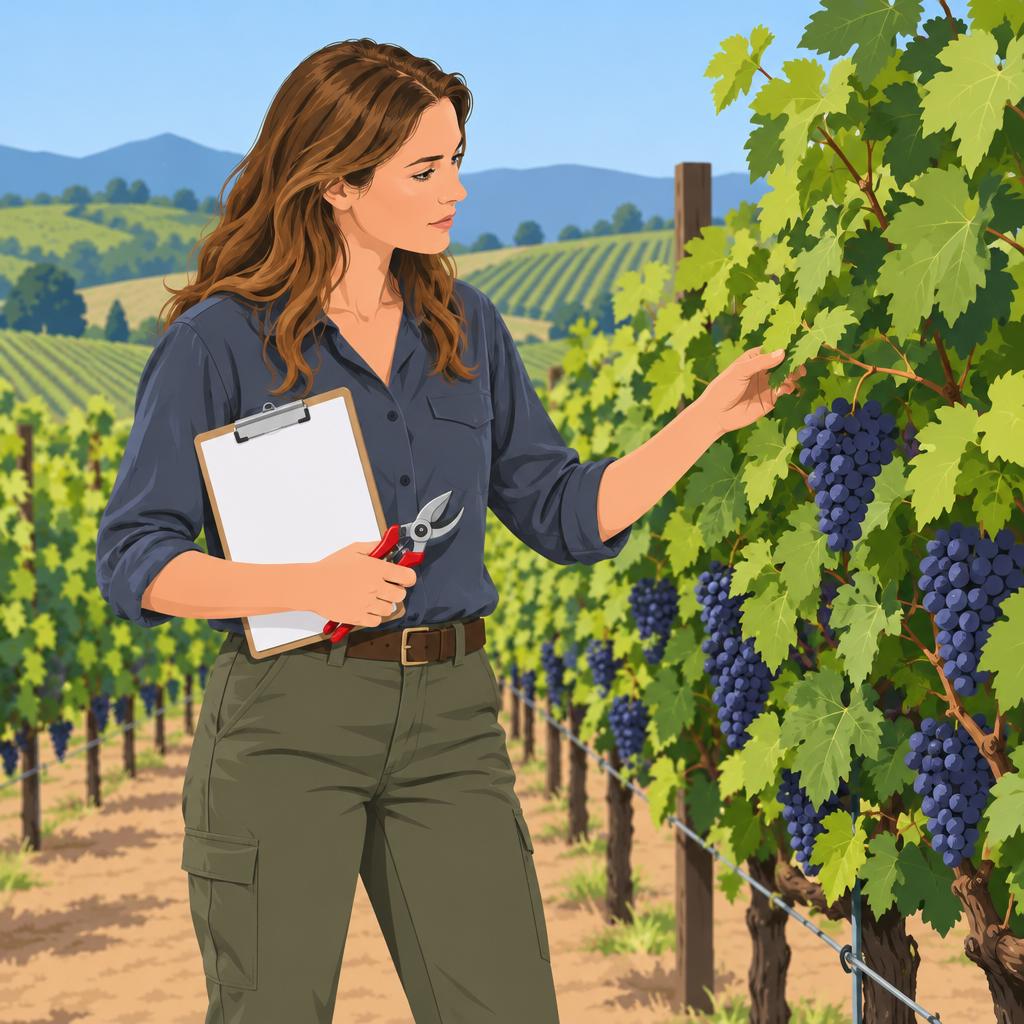
Viticulturists manage several challenges while supporting healthy grape development.
Transform Your Career Today
Unlock a personalized career strategy that drives real results. Get tailored advice and a roadmap designed just for you.
Start NowEnvironmental conditions, vineyard threats, and commercial expectations all influence their decisions.
Therefore, they must remain informed and respond carefully as conditions change.
Weather Conditions Affecting Grape Growth
Weather conditions directly affect grape growth and development.
Viticulturists monitor weather patterns to identify risks and support optimal development.
Furthermore, they adapt their practices when changing conditions threaten grape quality.
Pests and Diseases That Damage Vineyards
Pests and diseases can damage vines and reduce vineyard productivity.
For example, aphids may threaten vines, while powdery mildew can affect grape health.
Viticulturists use constant observation and proactive management to protect vineyard plants.
Market Trends and Consumer Demands
Market trends influence the types of grapes and wines that consumers want.
Viticulturists track changing preferences to help guide production decisions.
As a result, they work toward producing wines that match current demand.
Sustainability and Environmental Issues in Vineyard Management
Vineyard management must balance production needs with environmental responsibility.
Sustainable practices help protect the long-term health of vineyards and their surroundings.
Viticulturists therefore consider environmental effects while maintaining productive operations.
Responding to Viticulture Challenges
Viticulturists face interconnected environmental and commercial challenges.
They navigate these pressures by staying informed, observant, and proactive.
These efforts support the production of high-quality grapes and wines.
Delve into the Subject: Challenges Faced by Dairy Scientists Today
Career Opportunities for Viticulturists
Viticulurists can pursue careers across several areas of the wine industry.
These roles allow them to apply grape growing knowledge in practical, scientific, and advisory settings.
Furthermore, their expertise supports grape quality, vineyard sustainability, and continued industry development.
- Wineries and vineyards
- Research institutions and universities
- Consulting firms
- Wine industry organizations
Working in Wineries and Vineyards
Viticulturists oversee grapevine cultivation and help maintain suitable growing conditions.
They coordinate vineyard activities from planting through harvesting.
Additionally, they support decisions that improve grape quality and production.
Viticulturists also collaborate with winemakers when selecting grape varieties for particular wine styles.
They consider climate, soil composition, and vineyard location during these decisions.
As a result, their expertise helps wines express distinctive regional characteristics.
Research Institutions and Universities
At research institutions and universities, viticulturists investigate improved vineyard management techniques.
They may also develop disease-resistant grape varieties and explore methods for improving wine quality.
Moreover, they collaborate with other specialists to address challenges facing the industry.
Viticulturists conduct experiments, collect data, and analyze results.
Their findings provide useful insights into sustainable grape growing practices.
Consequently, their research supports vineyard sustainability and encourages innovation in winemaking.
Consulting Firms
Consulting viticulturists provide specialized advice to vineyard owners and wineries.
They help clients improve grape production and strengthen wine quality.
Furthermore, they create recommendations based on viticultural knowledge and industry trends.
These professionals may evaluate sites and develop vineyard management plans.
They also advise clients about pest control and disease management strategies.
Through this guidance, they support sustainability, grape quality, and operational efficiency.
Wine Industry Organizations
Viticulturists in wine industry organizations promote sustainable grape growing practices.
Transform Your Career Today
Unlock a personalized career strategy that drives real results. Get tailored advice and a roadmap designed just for you.
Start NowThey also encourage environmental stewardship throughout the wine sector.
Additionally, they work with industry stakeholders to support vineyard owners and winemakers.
These professionals help develop standards, guidelines, and initiatives for the industry.
They participate in industry events, educational programs, and community outreach initiatives.
As a result, they raise awareness of responsible viticulture practices and encourage professional excellence.
Their contributions also help shape policies, promote innovation, and support long-term industry sustainability.
Discover More: How to Handle Market Crises in Agriculture
Salary and Job Outlook for Viticulturists
Salary information helps prospective viticulturists assess this career path.
Job outlook data also indicates potential opportunities within the wine industry.
Several factors shape earnings and employment prospects for viticulturists.
-
Average Salaries for Viticulturists
Viticulturists typically earn competitive salaries in the wine industry.
Annual earnings commonly range from $45,000 to $85,000.
Experience, location, and vineyard size can change that range.
-
Projected Job Growth in the Wine Industry
The wine industry continues to experience growth.
This growth creates opportunities for viticulturists.
The Bureau of Labor Statistics projects 7% growth for agricultural and food scientists from 2018 to 2028.
That category includes viticulturists.
This rate exceeds the average projected growth for all occupations.
-
Factors Influencing Salary and Job Prospects
Education level can influence salary and job prospects.
Advanced degrees and certifications may help viticulturists command higher salaries.
Relevant work experience may also improve their employment prospects.
Geographic location and vineyard size can affect available opportunities.
Strong vineyard reputations and high wine production demand may support higher salaries.
Viticulture’s Impact on Wine Quality and Industry Growth
Viticulturists guide grape cultivation from planting through harvest.
Their decisions help determine the quality and character of the resulting wine.
They monitor vineyard health and address pests and diseases before these threats reduce grape quality.
Moreover, they use sustainable practices to support productive vineyards and responsible wine production.
These efforts connect careful grape cultivation with the standards expected from exceptional wines.
Without their expertise, wineries would face greater difficulty producing consistent, diverse wines.
For people passionate about wine and agriculture, viticulture offers a fulfilling career path.
Aspiring professionals can study viticulture and gain practical experience in vineyards.
Through this preparation, they can contribute to both the art and science of winemaking.
Demand for skilled viticulturists continues to grow, creating an appealing field for future wine professionals.
Additional Resources
Google search results for Introduction to the Role of a Viticulturist Agricultural
Bing search results for Introduction to the Role of a Viticulturist Agricultural


